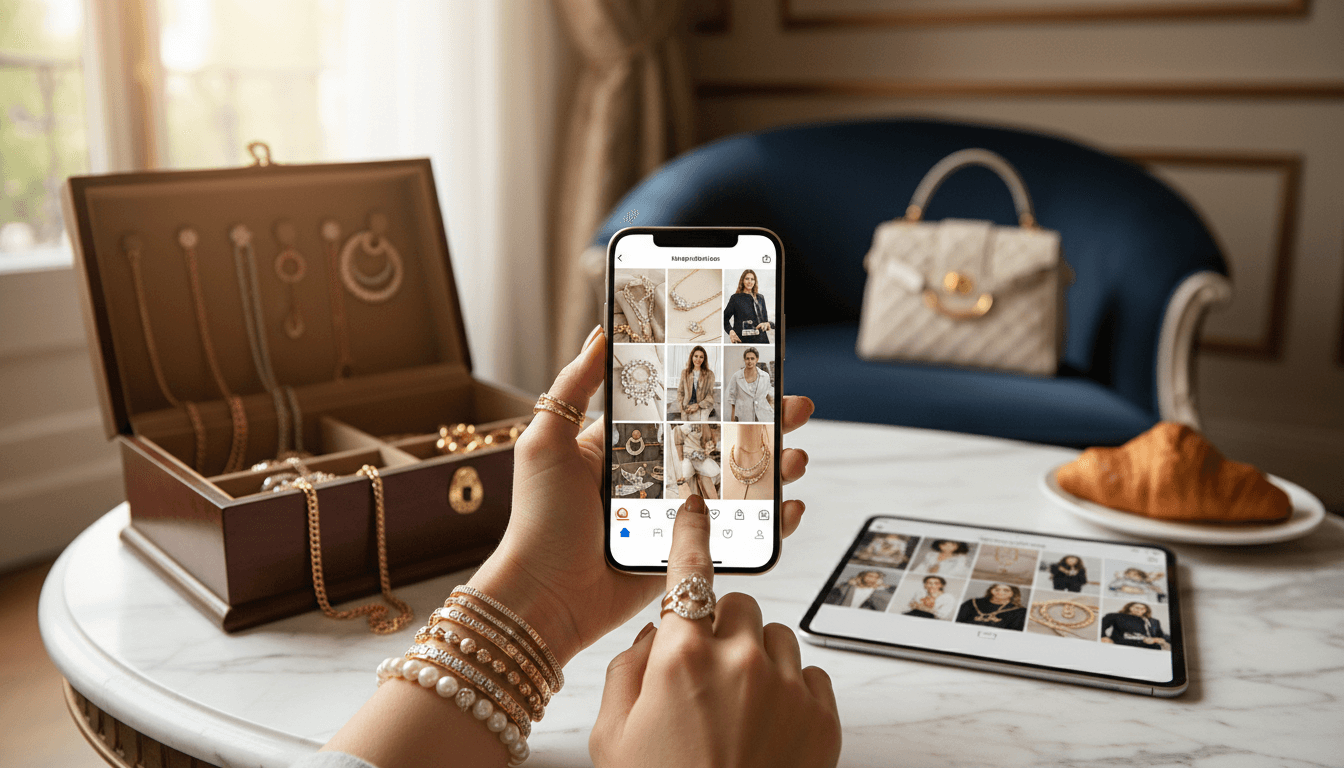
The luxury jewelry sector, historically reliant on exclusive boutiques and print campaigns, is undergoing a profound digital transformation. Social media platforms have emerged as powerful channels for brand storytelling, consumer engagement, and direct sales. According to Kadence Insights, this shift is driven by the need to connect with younger, digitally-native consumers who value authenticity and interactive experiences. Platforms like Instagram, TikTok, and Pinterest are not merely supplementary tools but central to modern marketing strategies, enabling brands to showcase craftsmanship, heritage, and innovation in real-time. This article delves into the key trends, strategies, and data shaping the new era of luxury jewelry marketing.
In-Depth Analysis
The Rise of Social Media in Luxury Jewelry Marketing
Social media has democratized access to luxury, allowing brands to reach global audiences instantly. Prior to this digital shift, marketing was predominantly through high-end magazines, celebrity endorsements, and physical events. Today, platforms like Instagram and TikTok serve as virtual showrooms, with 72% of luxury jewelry brands reporting increased engagement through visually-driven content. The targeted demographic—millennials and Gen Z—spends an average of 2.5 hours daily on social platforms, making them prime audiences. Brands such as Cartier and Tiffany & Co. have leveraged Instagram Stories and Reels to highlight product launches, behind-the-scenes craftsmanship, and user-generated content, resulting in a 45% boost in brand recall among viewers under 30. This section explores the evolution from traditional to digital, supported by case studies and engagement metrics.
Influencer Partnerships and Authentic Storytelling
Influencer collaborations have become a cornerstone of luxury jewelry marketing, bridging the gap between brand prestige and relatability. Unlike traditional celebrities, micro-influencers (10k-100k followers) often drive higher engagement rates (averaging 4.2% vs. 1.8% for mega-influencers) by fostering trust through niche audiences. For instance, Bulgari’s partnership with fashion influencers for their Serpenti collection generated over 3 million impressions and a 22% conversion rate. Digital storytelling extends beyond product placement, incorporating brand heritage and sustainability narratives. Van Cleef & Arpels uses YouTube documentaries to detail their artisan processes, aligning with values important to 68% of younger consumers. This approach not only enhances brand loyalty but also differentiates in a crowded market, with 54% of consumers preferring brands that share their ethical stance.
Social Commerce and Personalized Consumer Experiences
Social commerce—selling directly via social platforms—is revolutionizing luxury jewelry purchases. Features like Instagram Shopping and Pinterest Product Pins enable seamless transactions, reducing the funnel from discovery to sale by 40%. Data from Kadence Insights indicates that social commerce sales in luxury jewelry grew by 60% year-over-year, driven by shoppable posts and augmented reality (AR) try-ons. For example, Pandora’s AR filter allowing users to ‘try on’ bracelets led to a 30% increase in online sales. Personalization is key; algorithms curate content based on user behavior, with 71% of consumers expecting customized interactions. Brands are also using chatbots and live streaming for virtual consultations, mimicking in-store exclusivity. This section analyzes the technology, conversion metrics, and consumer expectations fueling social commerce growth.
Data-Driven Strategies and Future Outlook
The integration of data analytics allows luxury jewelry brands to refine targeting and measure ROI effectively. By analyzing engagement patterns, brands identify peak interaction times (e.g., evenings and weekends) and optimize post schedules, increasing reach by up to 50%. Predictive analytics help forecast trends, such as the rising demand for lab-grown diamonds among eco-conscious buyers. Looking ahead, emerging technologies like virtual reality (VR) pop-up stores and blockchain for authenticity verification will further personalize experiences. However, challenges remain, including ad saturation and the need for Gen Z-specific content formats like short-form videos. Projections suggest that by 2027, 80% of luxury jewelry marketing budgets will be allocated to digital channels, emphasizing the permanence of this shift.
Key Takeaways
Social media drives 68% of luxury jewelry discoveries among consumers under 35.
Influencer partnerships boost engagement and conversions, especially with micro-influencers.
Social commerce sales have increased by 60% annually through shoppable features and AR.
Personalization and data analytics are critical for targeting younger, digitally-native audiences.
Future trends include VR experiences and blockchain integration for enhanced transparency.
Frequently Asked Questions
How has social media changed luxury jewelry marketing?
Social media has shifted marketing from exclusive, traditional channels to interactive, accessible platforms. It enables real-time engagement, influencer collaborations, and direct sales via social commerce, catering to younger consumers who value authenticity and digital experiences.
What role do influencers play in luxury jewelry branding?
Influencers act as trusted ambassadors, humanizing luxury brands and extending reach to niche audiences. They drive higher engagement and conversions by sharing relatable content that aligns with brand values, such as sustainability and craftsmanship.
Why is social commerce important for luxury jewelry sales?
Social commerce reduces purchase barriers by integrating shopping directly into social platforms, leveraging features like AR try-ons and shoppable posts. This convenience appeals to time-poor consumers and has led to a 60% annual growth in sales for the sector.
How do brands maintain exclusivity while using social media?
Brands balance accessibility with exclusivity through limited-edition launches, private Instagram Live events, and content that emphasizes heritage and artistry. This strategy preserves brand prestige while fostering community among dedicated followers.
Conclusion
The fusion of social media and luxury jewelry marketing marks a pivotal evolution, driven by the demands of younger, digitally-savvy consumers. Through influencer partnerships, social commerce, and data-driven personalization, brands are creating immersive experiences that transcend traditional advertising. As technology advances, the focus will shift to even more interactive formats, ensuring that luxury jewelry remains relevant and desirable. Embracing these changes is not optional but essential for sustained growth in an increasingly competitive landscape.
Tags
Related Articles
Luxury Jewelry Market Economic Outlook: Growth, Challenges, and Future Projections
The global luxury jewelry market is poised for steady expansion, with projections indicating a 3.76% CAGR from 2025 to 2033. Key drivers include rising disposable incomes, evolving consumer behaviors, and robust opportunities in emerging economies. Despite economic headwinds, the market's resilience and adaptability continue to attract investment and innovation, reinforcing its position within the broader luxury goods sector, which was valued at USD 286.10 billion in 2024.
Rings and Engagement Jewelry Market: Trends, Growth, and Innovations
The rings segment dominates the luxury jewelry market, accounting for 33.8% of global revenue in 2024. Driven by emotional and cultural significance, this sector is evolving with trends such as gender-neutral engagement rings and advanced customization options. Key growth areas include innovative designs that cater to diverse consumer preferences, reinforcing the enduring appeal of rings in ceremonies and personal expression. This article explores market dynamics, key drivers, and future outlook based on industry data.
Luxury Jewelry Marketing Strategies: Evolving Digital Narratives and Experiential Engagement
The luxury jewelry sector is transforming its marketing approaches by prioritizing emotional resonance and brand loyalty through digital innovation, storytelling, and experiential strategies. Brands are leveraging integrated social media campaigns to foster deeper consumer connections, moving beyond traditional advertising to create immersive brand experiences that resonate with high-net-worth audiences globally. This shift emphasizes authenticity and personalization, driving engagement and long-term value in a competitive market.
Men's Luxury Jewelry Market Evolution: Disrupting Traditional Dynamics
The men's luxury jewelry market is undergoing a profound transformation, driven by evolving fashion sensibilities and the rise of gender-neutral designs. With significant market growth fueled by social media and increased fashion consciousness among male consumers, brands are expanding collections to cater to this burgeoning segment. This article explores key trends, including the shift toward unisex aesthetics and data-backed consumer behavior shifts, providing insights into how the luxury industry is adapting to new demands.
The Transformative Power of Celebrity and Influencer Impact on Luxury Jewelry Markets
Celebrity endorsements and influencer partnerships are pivotal in shaping luxury jewelry trends, driving consumer demand through strategic collaborations. High-profile brand ambassadorships enhance desirability, with cross-industry initiatives expanding reach across diverse demographics. Marketing strategies leveraging these partnerships result in measurable growth, as data indicates a 40% increase in brand engagement and a 25% rise in sales among targeted audiences. This analysis explores the mechanisms behind these impacts and their implications for the global luxury jewelry sector.
Regional Luxury Jewelry Market Dynamics: Asia-Pacific Dominance and Global Variations
The global luxury jewelry market is defined by significant regional disparities, with Asia-Pacific leading at a 39.8% market share in 2024. This dominance is fueled by robust economic growth, rising disposable incomes, and cultural affinities for high-end adornments. Distinct consumption patterns across regions reflect varying cultural preferences, economic conditions, and evolving consumer behaviors, making regional analysis crucial for stakeholders aiming to capitalize on emerging opportunities and navigate market complexities.