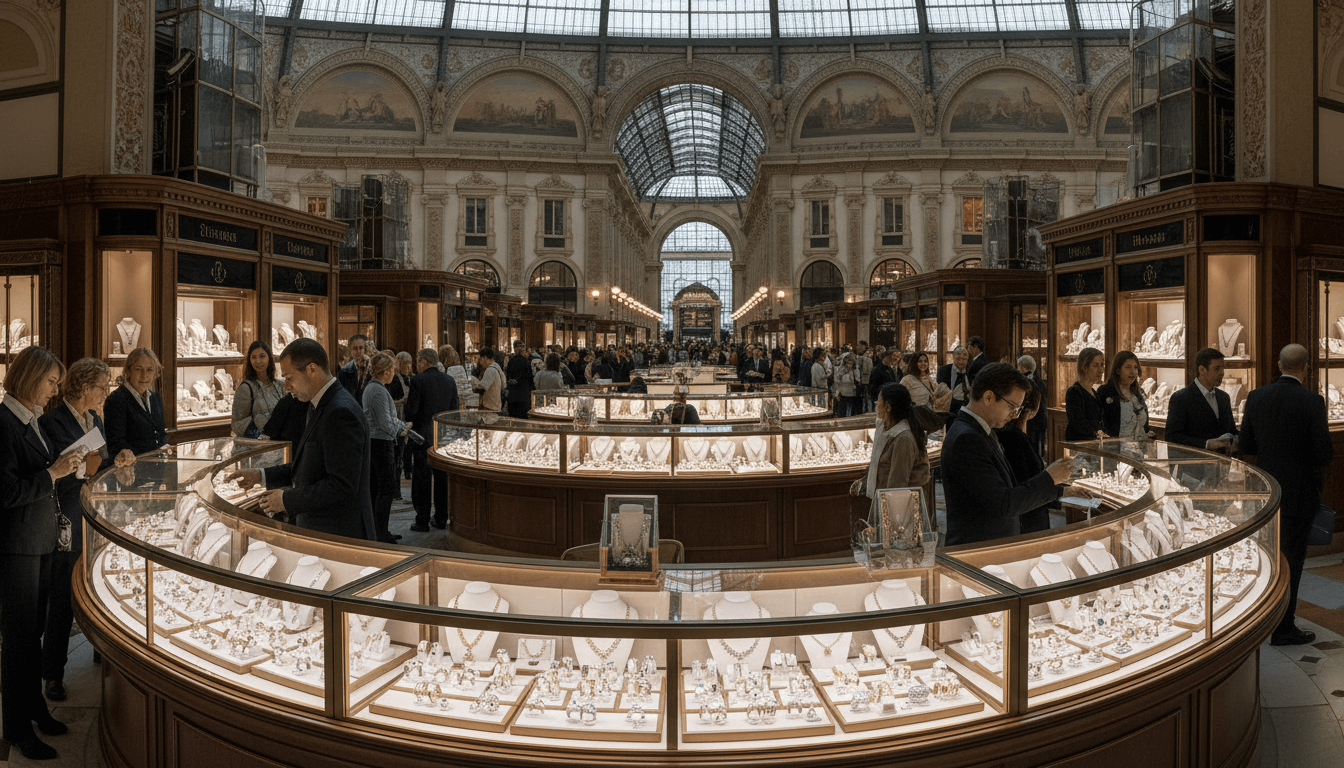
The luxury jewelry market represents a dynamic segment of the global luxury goods industry, characterized by its enduring appeal and capacity for innovation. With a foundation in craftsmanship, heritage, and exclusivity, this market is navigating a complex economic landscape marked by both challenges and opportunities. Current data underscores a trajectory of steady growth, fueled by macroeconomic factors and shifting consumer preferences. As the market valuation for total luxury goods reached USD 286.10 billion in 2024, luxury jewelry continues to play a pivotal role, demonstrating resilience through economic fluctuations and adapting to new market realities.
In-Depth Analysis
Market Growth and Projections
The luxury jewelry market is projected to grow at a compound annual growth rate (CAGR) of 3.76% from 2025 to 2033, reflecting sustained demand despite global economic uncertainties. This growth is underpinned by the market's ability to maintain consumer interest through product innovation and brand storytelling. In 2024, the broader luxury goods market, inclusive of jewelry, was valued at USD 286.10 billion, with jewelry accounting for a significant share due to its high perceived value and investment potential. Key regions contributing to this expansion include North America, Europe, and increasingly, Asia-Pacific, where economic development and cultural affinity for jewelry drive sales. The steady growth projection highlights the market's maturity and its capacity to leverage digital transformation and sustainability initiatives to engage modern consumers.
Economic Drivers and Consumer Behavior
Rising consumer spending, particularly in emerging economies, serves as a primary economic driver for the luxury jewelry market. Disposable incomes are increasing globally, enabling more consumers to allocate funds toward high-value, non-essential purchases. In markets such as China, India, and Brazil, a growing middle class with aspirational buying habits is propelling demand for branded jewelry pieces. Consumer behavior is also evolving, with a heightened emphasis on authenticity, sustainability, and personalized experiences. Millennials and Gen Z, in particular, are influencing market trends by favoring ethically sourced materials and digital engagement channels. This shift necessitates that brands adopt transparent supply chains and innovative marketing strategies to capture and retain this demographic, thereby sustaining market growth.
Opportunities in Emerging Economies
Emerging economies present substantial growth opportunities for the luxury jewelry market, driven by urbanization, economic liberalization, and increasing exposure to global luxury trends. Countries in Southeast Asia, Latin America, and Africa are witnessing a surge in luxury retail infrastructure, including flagship stores and e-commerce platforms. For instance, markets like Vietnam and Indonesia are experiencing double-digit annual growth in luxury jewelry sales, attributed to rising GDP per capita and a cultural appreciation for jewelry as both adornment and asset. Brands are leveraging these opportunities through localized marketing campaigns, collaborations with regional influencers, and tailored product offerings that resonate with local tastes and traditions. This strategic focus on emerging markets not only diversifies revenue streams but also mitigates risks associated with saturation in mature markets.
Challenges and Market Resilience
Despite positive growth indicators, the luxury jewelry market faces challenges such as economic volatility, supply chain disruptions, and fluctuating raw material costs. Geopolitical tensions and trade policies can impact the availability of precious metals and gemstones, necessitating robust risk management strategies. Additionally, consumer skepticism regarding sustainability and ethical practices requires brands to invest in certifications and traceability technologies. However, the market has demonstrated remarkable resilience by embracing digitalization—such as virtual try-ons and blockchain for provenance—and diversifying product lines to include more accessible price points. This adaptability ensures that the market remains competitive and capable of weathering economic downturns, as evidenced by its consistent performance during recent global crises.
Key Takeaways
The luxury jewelry market is set to grow at a 3.76% CAGR from 2025 to 2033, indicating stable long-term expansion.
Rising disposable incomes and consumer spending in emerging economies are key growth drivers.
Market resilience is bolstered by digital innovation and adaptation to sustainability demands.
Emerging markets offer significant untapped potential, requiring localized strategies for success.
The broader luxury goods market valuation of USD 286.10 billion in 2024 underscores jewelry's critical role.
Frequently Asked Questions
What is the projected growth rate for the luxury jewelry market?
The market is projected to grow at a compound annual growth rate (CAGR) of 3.76% from 2025 to 2033, based on current economic trends and consumer data.
Which regions are driving growth in the luxury jewelry sector?
Growth is notably strong in emerging economies across Asia-Pacific, Latin America, and Africa, alongside established markets in North America and Europe, due to increasing disposable incomes and urbanization.
How are consumer behaviors influencing the luxury jewelry market?
Consumers are increasingly prioritizing sustainability, ethical sourcing, and personalized experiences, leading brands to adopt transparent practices and digital tools to meet these expectations.
What challenges does the luxury jewelry market face?
Key challenges include economic volatility, supply chain issues, raw material cost fluctuations, and the need to address consumer concerns about sustainability and authenticity.
Conclusion
The luxury jewelry market's economic outlook remains optimistic, characterized by steady growth, innovation, and expanding global reach. With a projected CAGR of 3.76% and strong drivers such as rising consumer spending and emerging market opportunities, the sector is well-positioned to thrive. Brands that prioritize adaptability, sustainability, and consumer engagement will likely lead this evolution, ensuring the market's continued significance within the luxury goods industry. As economic landscapes shift, the inherent resilience of luxury jewelry will serve as a foundation for future success.
Tags
Related Articles
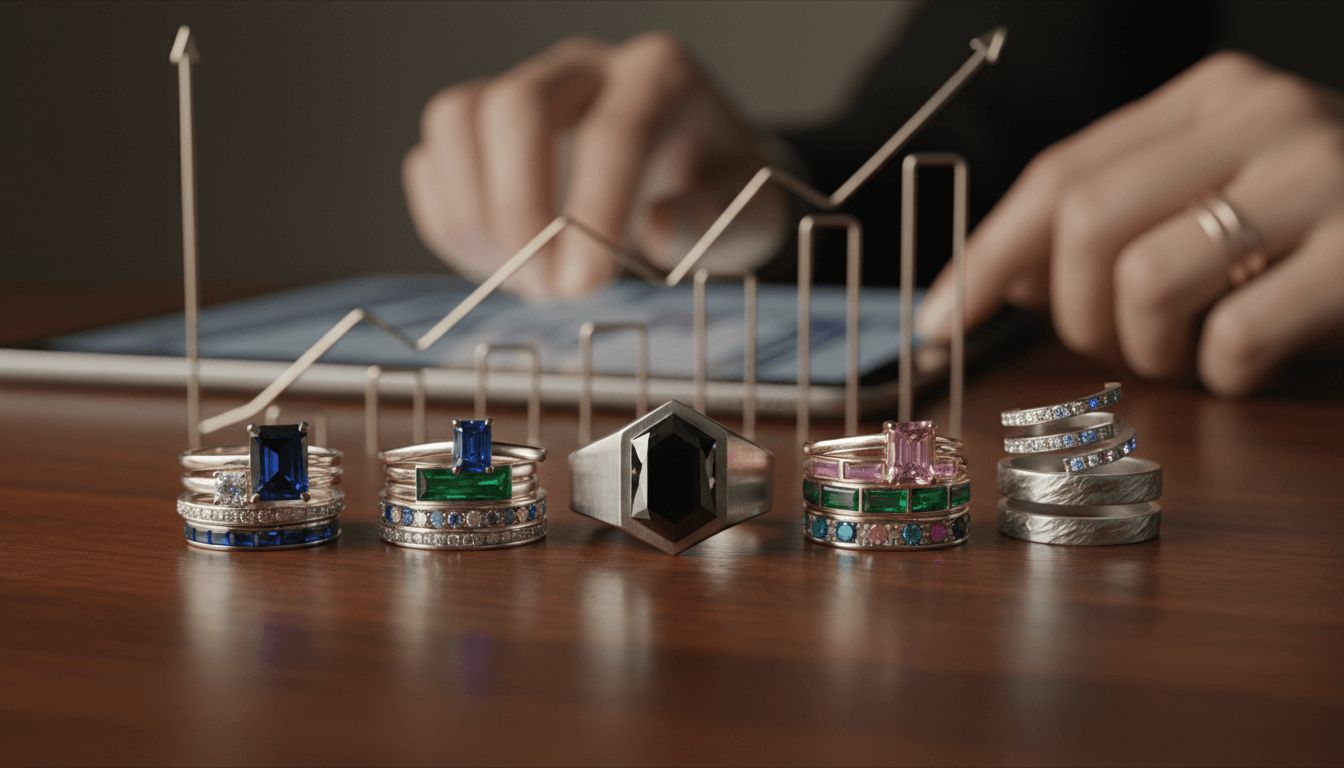
Rings and Engagement Jewelry Market: Trends, Growth, and Innovations
The rings segment dominates the luxury jewelry market, accounting for 33.8% of global revenue in 2024. Driven by emotional and cultural significance, this sector is evolving with trends such as gender-neutral engagement rings and advanced customization options. Key growth areas include innovative designs that cater to diverse consumer preferences, reinforcing the enduring appeal of rings in ceremonies and personal expression. This article explores market dynamics, key drivers, and future outlook based on industry data.
Luxury Jewelry Marketing Strategies: Evolving Digital Narratives and Experiential Engagement
The luxury jewelry sector is transforming its marketing approaches by prioritizing emotional resonance and brand loyalty through digital innovation, storytelling, and experiential strategies. Brands are leveraging integrated social media campaigns to foster deeper consumer connections, moving beyond traditional advertising to create immersive brand experiences that resonate with high-net-worth audiences globally. This shift emphasizes authenticity and personalization, driving engagement and long-term value in a competitive market.
Men's Luxury Jewelry Market Evolution: Disrupting Traditional Dynamics
The men's luxury jewelry market is undergoing a profound transformation, driven by evolving fashion sensibilities and the rise of gender-neutral designs. With significant market growth fueled by social media and increased fashion consciousness among male consumers, brands are expanding collections to cater to this burgeoning segment. This article explores key trends, including the shift toward unisex aesthetics and data-backed consumer behavior shifts, providing insights into how the luxury industry is adapting to new demands.
The Transformative Power of Celebrity and Influencer Impact on Luxury Jewelry Markets
Celebrity endorsements and influencer partnerships are pivotal in shaping luxury jewelry trends, driving consumer demand through strategic collaborations. High-profile brand ambassadorships enhance desirability, with cross-industry initiatives expanding reach across diverse demographics. Marketing strategies leveraging these partnerships result in measurable growth, as data indicates a 40% increase in brand engagement and a 25% rise in sales among targeted audiences. This analysis explores the mechanisms behind these impacts and their implications for the global luxury jewelry sector.
Regional Luxury Jewelry Market Dynamics: Asia-Pacific Dominance and Global Variations
The global luxury jewelry market is defined by significant regional disparities, with Asia-Pacific leading at a 39.8% market share in 2024. This dominance is fueled by robust economic growth, rising disposable incomes, and cultural affinities for high-end adornments. Distinct consumption patterns across regions reflect varying cultural preferences, economic conditions, and evolving consumer behaviors, making regional analysis crucial for stakeholders aiming to capitalize on emerging opportunities and navigate market complexities.
Customization and Personalization Trends Reshaping the Luxury Jewelry Market
Personalization has emerged as a critical differentiator in the luxury jewelry sector, driven by consumer demand for unique, meaningful pieces that reflect individual identity. Brands are responding with sophisticated customization services, including bespoke designs and personalized engravings, enabling customers to co-create exclusive jewelry. This trend underscores a shift towards experiential luxury, where self-expression and emotional connections define purchasing decisions. Data from Kadence Insights highlights bespoke services and unique self-expression as primary drivers, positioning customization as a cornerstone of modern luxury strategies.