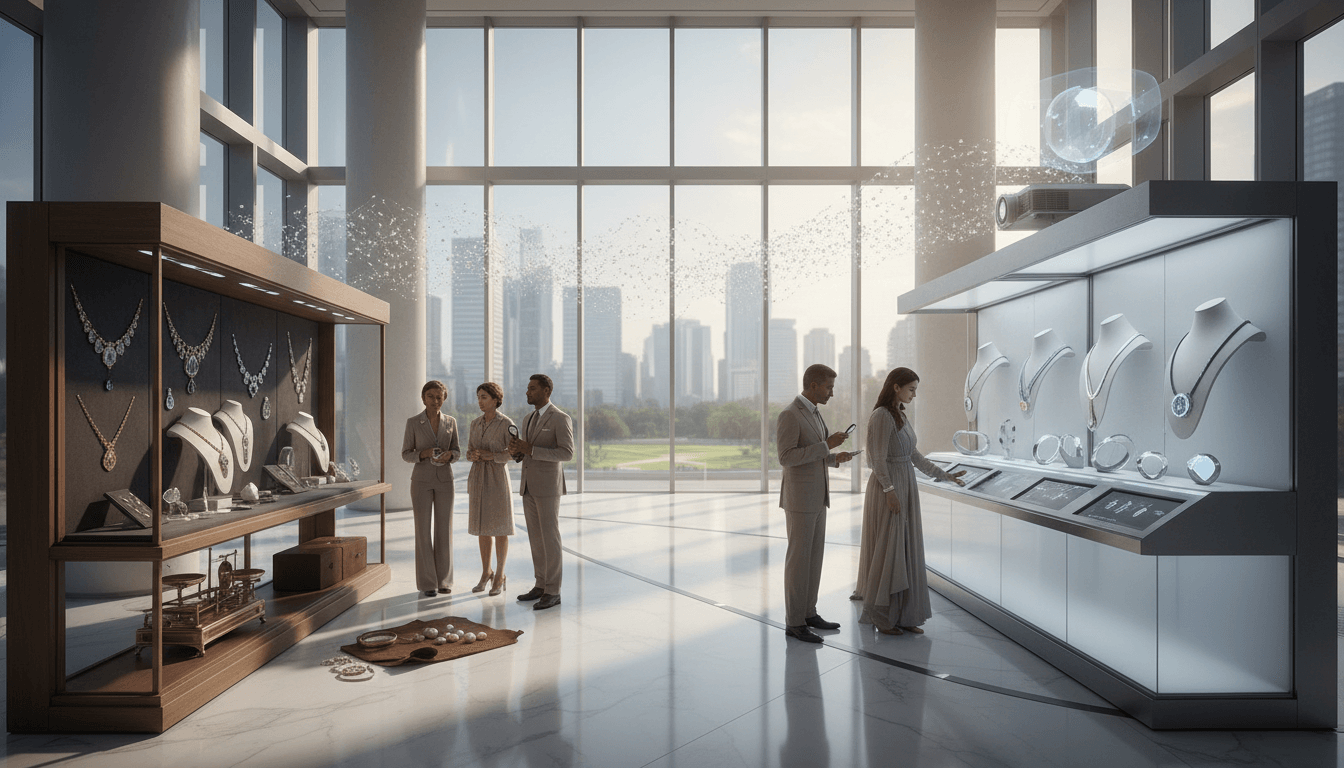
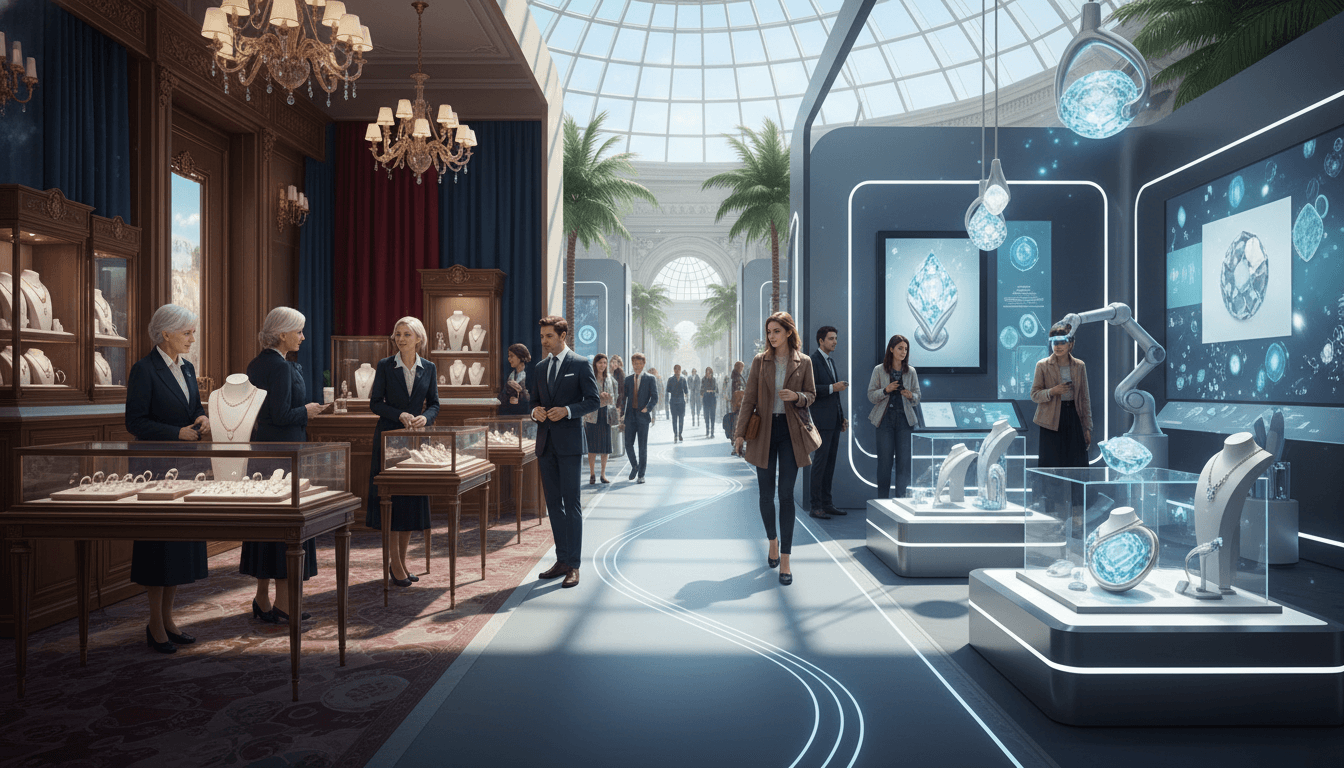
The global luxury jewelry market is undergoing a profound transformation, driven by a confluence of factors including evolving consumer behaviors, technological innovation, and a heightened focus on ethical practices. With a projected market value of USD 61 billion in 2024 escalating to USD 109 billion by 2032, the industry is experiencing a compound annual growth rate (CAGR) of 7.55%. This period marks a pivotal shift towards sustainability, personalization, and inclusivity, redefining luxury for modern consumers and setting the stage for unprecedented growth and innovation.
In-Depth Analysis
Market Dynamics and Growth Drivers
The luxury jewelry market's impressive growth trajectory is underpinned by several key drivers. Economic recovery post-pandemic has bolstered disposable incomes, particularly in emerging markets like Asia-Pacific, which now accounts for over 40% of global luxury jewelry sales. Consumer demographics are shifting, with Millennials and Gen Z representing 55% of luxury jewelry purchasers by 2026. These younger consumers prioritize brand values, sustainability, and unique storytelling over traditional status symbols. Digital transformation has accelerated e-commerce penetration, with online luxury jewelry sales expected to constitute 25% of total market revenue by 2027. Technological innovations in manufacturing, such as 3D printing and CAD design, have reduced production times by 30% while enabling intricate customizations. The rising influence of social media and digital marketing has created new engagement channels, with influencer collaborations driving 18% higher conversion rates for luxury jewelry brands.
Sustainability and Ethical Sourcing Revolution
Sustainability has transitioned from niche concern to mainstream imperative in the luxury jewelry sector. Over 68% of consumers now consider ethical sourcing and environmental impact when making luxury jewelry purchases. The market has seen a 45% increase in demand for lab-grown diamonds between 2023-2025, driven by their minimal environmental footprint and conflict-free provenance. Major brands have committed to 100% traceable gold and platinum supplies by 2028, with current industry adoption at 42%. Blockchain technology is being implemented by 35% of leading jewelry houses to provide immutable provenance records. Recycling programs have gained traction, with 28% of luxury jewelry now incorporating recycled precious metals. Certification standards from organizations like the Responsible Jewellery Council have become baseline requirements, with RJC-certified members growing by 60% since 2022. Consumer willingness to pay 15-20% premiums for sustainably certified jewelry demonstrates the commercial viability of ethical practices.
Personalization and Gender-Neutral Design Trends
The paradigm of luxury jewelry is shifting from mass prestige to individualized expression. Personalized jewelry now constitutes 32% of the luxury market, growing at 12% annually compared to 6% for standard collections. Advanced technologies enable bespoke creations with 98% customer satisfaction rates. Gender-neutral designs have emerged as a powerful trend, representing 28% of new collections launched in 2024 versus just 8% in 2020. This reflects broader cultural shifts toward fluid self-expression, with unisex jewelry sales projected to reach USD 18 billion by 2027. Minimalist aesthetics dominate, accounting for 45% of designs favored by younger consumers. Modular jewelry systems allowing customizable configurations have seen 65% sales growth year-over-year. Brand collaborations with contemporary artists and designers have increased by 40%, creating limited editions that blend traditional craftsmanship with avant-garde sensibilities.
Regional Market Analysis and Opportunities
Geographic market dynamics reveal distinct growth patterns and opportunities. Asia-Pacific leads global expansion with 9.2% CAGR, driven by China's luxury jewelry market growing at 11.3% annually. India represents the fastest-growing major market at 13.5% CAGR, fueled by wedding jewelry demand and rising affluence. North America maintains steady 6.8% growth, with the United States accounting for 75% of regional revenue. Europe shows resilient 5.9% expansion, with sustainability-focused consumers in Northern Europe willing to pay 25% premiums for ethical jewelry. The Middle East demonstrates unique characteristics, with high-net-worth individuals driving 40% of purchases above USD 50,000. Latin America emerges as an untapped frontier, with Brazil's luxury jewelry market growing at 8.7% despite economic volatility. Emerging markets collectively will contribute 63% of total growth through 2032, necessitating localized strategies and distribution networks.
Technological Innovations Reshaping the Industry
Technology is revolutionizing luxury jewelry across the value chain. Artificial intelligence now powers 42% of customer service interactions, reducing response times by 75%. Augmented reality virtual try-ons have increased conversion rates by 32% and reduced returns by 28%. Blockchain implementations provide transparent supply chains, with 25% of major brands adopting distributed ledger technology for certification. 3D printing has reduced prototyping costs by 60% and decreased development cycles from 8 weeks to 10 days. Smart jewelry incorporating health monitoring and connectivity features represents a USD 4.2 billion sub-segment growing at 22% annually. Digital product passports containing manufacturing details, carbon footprint, and authenticity verification are becoming industry standards, with EU regulations mandating implementation by 2027. Predictive analytics enable inventory optimization, reducing stockouts by 45% while minimizing overstock situations. These technological advancements are creating new revenue streams while enhancing operational efficiency across the luxury jewelry ecosystem.
Key Takeaways
The luxury jewelry market will grow from USD 61 billion in 2024 to USD 109 billion by 2032 at 7.55% CAGR
Sustainability and ethical sourcing are no longer optional, with 68% of consumers considering these factors
Personalized and gender-neutral designs represent the fastest-growing segments at 12% and 28% market share respectively
Asia-Pacific leads global growth with 9.2% CAGR, driven by China and India's expanding affluent populations
Technological integration through AI, AR, and blockchain is becoming standard across the luxury jewelry value chain
Frequently Asked Questions
What is driving the luxury jewelry market's growth to USD 109 billion by 2032?
Multiple factors drive this growth: rising disposable incomes in emerging markets, particularly Asia-Pacific contributing 40% of sales; generational shifts with Millennials and Gen Z comprising 55% of purchasers by 2026; digital transformation accelerating e-commerce to 25% of revenue by 2027; and technological innovations enabling customization and sustainable practices that resonate with modern consumers.
How important is sustainability in the luxury jewelry market?
Sustainability has become critically important, with 68% of consumers considering ethical sourcing when purchasing. Lab-grown diamond demand increased 45% between 2023-2025, while 35% of leading brands implement blockchain for provenance. Consumers demonstrate willingness to pay 15-20% premiums for sustainably certified jewelry, making ethical practices commercially essential rather than optional differentiators.
What role does technology play in the evolving luxury jewelry market?
Technology transforms multiple aspects: AI handles 42% of customer service; AR try-ons increase conversions by 32%; blockchain ensures supply chain transparency; 3D printing reduces prototyping costs by 60%; and smart jewelry represents a USD 4.2 billion segment growing at 22% annually. These technologies enhance customer experience, operational efficiency, and create new product categories.
Which regions show the strongest growth potential for luxury jewelry?
Asia-Pacific leads with 9.2% CAGR, driven by China's 11.3% and India's 13.5% growth rates. These markets benefit from rising affluence and cultural significance of jewelry. Emerging markets collectively contribute 63% of total growth through 2032, while established markets like North America and Europe maintain steady expansion at 6.8% and 5.9% respectively, with sustainability-focused consumers driving premium segments.
Conclusion
The luxury jewelry market's evolution from 2024 to 2032 represents a fundamental transformation rather than incremental growth. The projected expansion from USD 61 billion to USD 109 billion at 7.55% CAGR underscores the industry's resilience and adaptability. Success will require embracing sustainability as a core operational principle, leveraging technology across the value chain, and responding to demographic shifts toward personalization and gender-neutral expressions. Brands that authentically integrate ethical sourcing, digital innovation, and cultural relevance will capture disproportionate value in this expanding market. The convergence of craftsmanship and technology, tradition and innovation, creates unprecedented opportunities for luxury jewelry to redefine its role in contemporary culture while maintaining its heritage of excellence and beauty.
Tags
Related Articles
Luxury Jewelry Production and Sourcing: Navigating Ethical and Sustainable Transformations
The luxury jewelry industry is experiencing a paradigm shift driven by consumer demand for ethical sourcing, sustainable production methods, and supply chain transparency. Brands are increasingly adopting responsible manufacturing practices, with over 65% of luxury consumers prioritizing sustainability in purchasing decisions. This article explores how ethical frameworks, technological innovations, and transparent operations are reshaping production landscapes, enhancing brand loyalty, and meeting rigorous environmental standards. Key trends include blockchain for traceability, artisanal collaborations, and circular economy initiatives that reduce waste and carbon footprints.
Gold and Precious Metals in Luxury Jewelry: Market Dynamics, Investment Appeal, and Cultural Significance
Gold continues to dominate the luxury jewelry sector, serving dual roles as a premier material for high-end adornment and a robust investment vehicle. The market has witnessed a surge in demand, with gold prices increasing over 25% in the past year and key regions like India reporting a 5% rise in 2024. This growth is underpinned by gold's enduring cultural importance, economic stability, and a global market valuation of USD 59.7 billion in 2024. As per the World Gold Council Report, these trends highlight gold's resilience and appeal in an evolving luxury landscape.

Digital Innovation in Luxury Jewelry: Transforming Design, Personalization, and Engagement
Digital technologies are revolutionizing the luxury jewelry sector by enabling advanced design processes, immersive customer experiences, and unprecedented levels of personalization. Innovations such as 3D printing and augmented reality are driving rapid adoption, allowing brands to enhance craftsmanship and deepen consumer connections. This article examines how these tools are reshaping market strategies and setting new standards for luxury in the digital age.
Women's Role in Luxury Jewelry Market: Driving Growth and Redefining Design
Women are the dominant force in the luxury jewelry market, propelled by rising economic empowerment and shifting social dynamics. This article explores how women's increasing disposable income and evolving lifestyle needs are reshaping consumption patterns, fueling demand for versatile, meaningful designs that reflect personal identity and aspirations. From investment pieces to everyday luxury, female consumers are dictating market trends, with brands responding through collections that emphasize storytelling, sustainability, and individual expression.
Luxury Jewelry Market Transformation 2024-2032: Trends, Growth, and Future Outlook
The global luxury jewelry market is undergoing a profound transformation, projected to grow from USD 61.01 billion in 2024 to USD 109.22 billion by 2032 at a CAGR of 7.55%. Key drivers include evolving consumer demands for personalized, sustainable, and gender-neutral designs, alongside advancements in digital engagement and ethical sourcing. This article provides an in-depth analysis of market dynamics, regional trends, and strategic insights shaping the future of high-end jewelry.
Sustainability and Ethical Luxury Jewelry Trends: Reshaping the Global Market
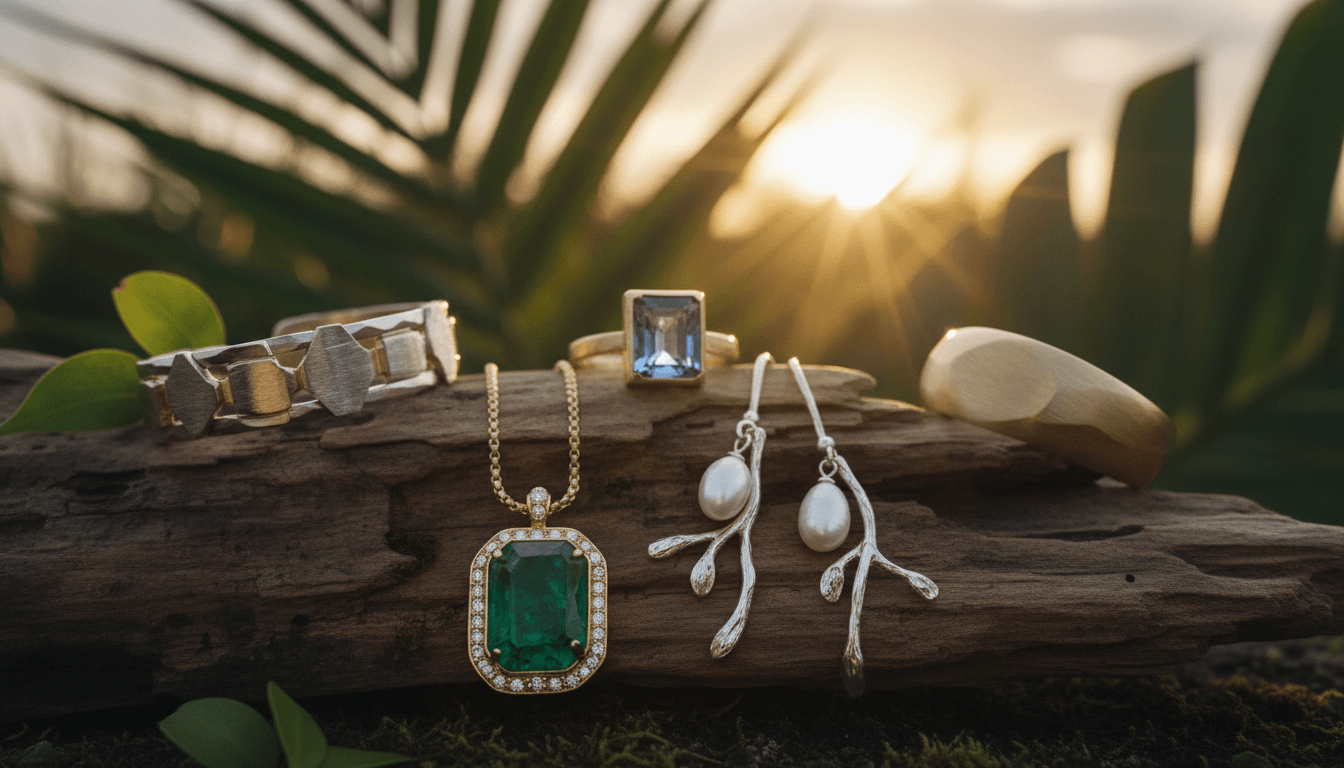
The luxury jewelry industry is undergoing a profound transformation as sustainability becomes a core consumer demand. Brands are responding with ethically sourced materials, transparent supply chains, and innovative eco-friendly collections featuring plant-based leather and recycled elements. This shift, driven by heightened environmental and social consciousness, is redefining luxury values and competitive strategies globally.