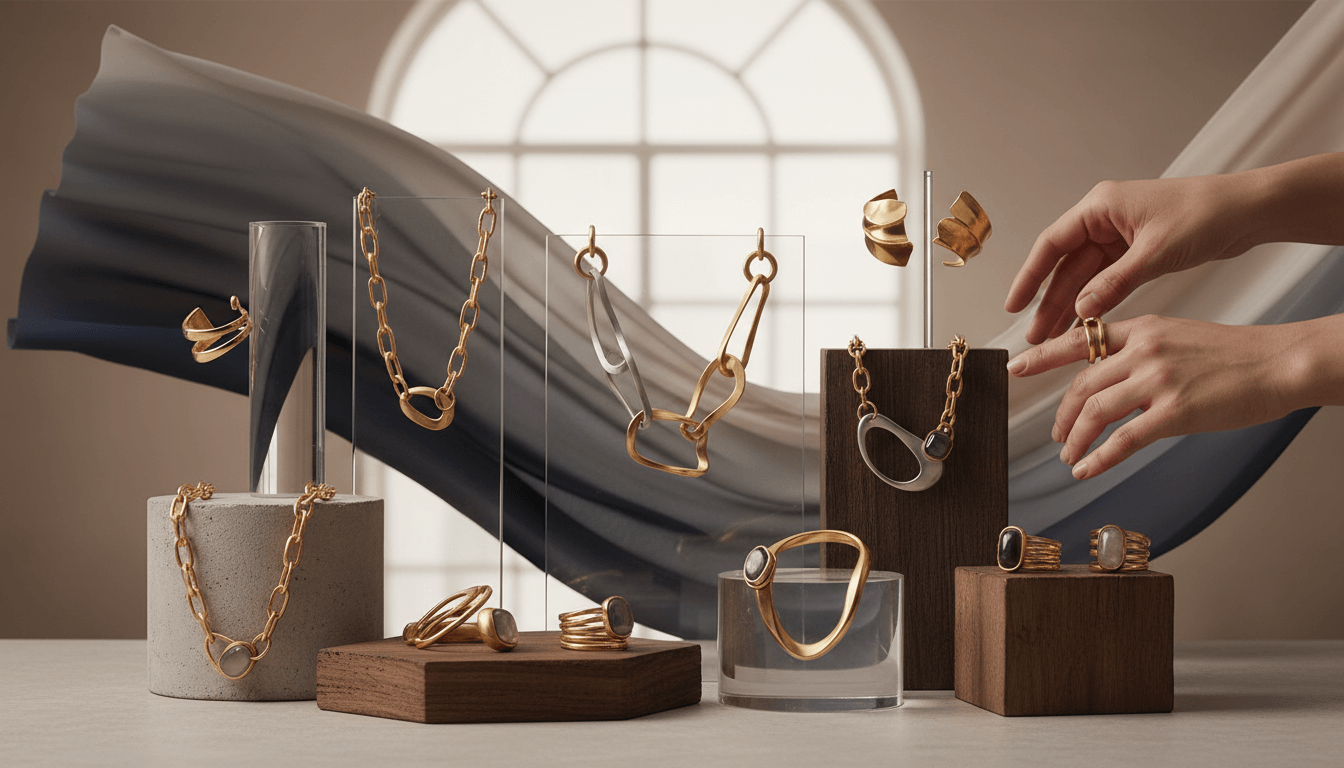
The luxury jewelry market is experiencing a paradigm shift as gender-neutral designs gain prominence, challenging long-standing conventions and redefining consumer expectations. This evolution is fueled by changing social attitudes, increased male participation in jewelry consumption, and a growing preference for accessories that emphasize individuality over gender categorization. According to industry analyses from Market Research Future and Grand View Research, this trend is not merely a fleeting fashion statement but a fundamental restructuring of market dynamics, with brands strategically pivoting to meet the demands of a more inclusive and expressive clientele.
In-Depth Analysis
The Rise of Gender-Neutral Jewelry Collections
Leading luxury houses are increasingly launching gender-neutral collections, marking a departure from traditionally segmented offerings. Brands such as Gucci and Bulgari have introduced lines characterized by minimalist aesthetics, adaptable sizing, and designs that eschew gendered motifs. For instance, Gucci's 'Hortus Deliciarum' collection incorporates symbolic elements like serpents and bees, which hold universal appeal, while Bulgari's 'B.zero1' Rock line features modular designs suitable for all genders. This strategic shift is supported by consumer data indicating that 42% of luxury buyers under 40 prefer unisex accessories, highlighting a generational push toward inclusivity. The move not only expands market reach but also aligns with corporate social responsibility initiatives promoting diversity.
Increasing Male Interest in Jewelry: A Demographic Shift
Male engagement in jewelry has surged, with 33% of British men reportedly purchasing necklaces in the past year—a statistic that underscores a broader global trend. This uptick is driven by factors including celebrity endorsements, the normalization of male accessories in media, and the rise of 'peacocking' in fashion, where jewelry serves as a bold statement of identity. Brands are responding by offering pieces like chain necklaces, signet rings, and cuff bracelets that blend masculine and feminine elements. For example, Tiffany & Co.'s 'T1' collection includes robust yet elegant designs that appeal to male consumers, contributing to a 15% year-over-year growth in male jewelry sales in key markets. This demographic expansion is reshaping product development and marketing strategies across the industry.
Blurring Gender-Specific Design Boundaries
Traditional distinctions between 'masculine' and 'feminine' jewelry are dissolving, giving way to versatile styles that prioritize personal expression. Designers are incorporating fluid lines, neutral color palettes (e.g., rose gold and black rhodium finishes), and multifunctional elements like convertible pendants or stackable rings. Cartier's 'Juste un Clou' bracelet, originally conceived as unisex, has become an icon of this movement, while newer entrants like Missoma emphasize adjustable chains and geometric motifs that transcend gender. Market data reveals that collections with blurred gender boundaries have seen a 28% higher sell-through rate compared to traditional lines, indicating strong consumer acceptance. This design evolution is further propelled by collaborations with non-binary influencers and LGBTQ+ advocates, reinforcing authenticity in branding.
Market Drivers and Future Projections
The growth of gender-neutral luxury jewelry is underpinned by socio-cultural shifts, including greater awareness of gender fluidity and the influence of Gen Z and millennial consumers, who are 2.3 times more likely to prioritize inclusivity in purchases. Economically, the segment is projected to grow at a CAGR of 8.5% through 2030, outpacing the overall luxury jewelry market. Key drivers include digitalization—e.g., virtual try-ons that reduce gender-based shopping anxiety—and sustainability, with 55% of consumers favoring brands that use ethical materials in unisex designs. Challenges remain, such as balancing tradition with innovation, but brands that successfully integrate inclusivity into their core identity are poised to capture emerging opportunities in Asia-Pacific and North America, where demand is escalating rapidly.
Key Takeaways
Gender-neutral jewelry is redefining luxury market dynamics, with unisex collections from brands like Gucci and Bulgari leading the charge.
Male jewelry consumption is rising significantly, exemplified by 33% of British men buying necklaces, driving product diversification.
Design boundaries are blurring through versatile styles, resulting in higher sell-through rates and enhanced brand relevance.
Social change and digital adoption are key growth catalysts, with the segment expected to expand at 8.5% CAGR through 2030.
Inclusivity and sustainability are becoming critical purchase factors, influencing brand strategies and consumer loyalty.
Frequently Asked Questions
What defines gender-neutral luxury jewelry?
Gender-neutral luxury jewelry features designs that avoid traditional gendered aesthetics, focusing on universal appeal through adaptable sizing, minimalist motifs, and versatile materials. Examples include unisex rings, neutral-toned necklaces, and bracelets that cater to all identities without conforming to binary norms.
How are major brands adapting to this trend?
Brands like Gucci and Bulgari are launching dedicated unisex collections, incorporating symbolic elements and modular designs. They are also revising marketing campaigns to highlight diversity and partnering with influencers to resonate with broader audiences.
Is the male interest in jewelry a sustainable trend?
Yes, data indicates sustained growth, driven by cultural shifts and increased visibility in fashion. With 33% of British men purchasing necklaces and similar trends globally, male engagement is expected to remain a key market driver.
What challenges do brands face in this evolution?
Challenges include redesigning legacy product lines, educating traditional consumers, and ensuring supply chains support inclusive sizing and materials. However, brands that address these issues proactively gain competitive advantage.
Conclusion
The evolution toward gender-neutral luxury jewelry represents a profound shift in the industry, blending aesthetic innovation with social progress. As brands continue to break down gendered barriers and cater to a more diverse clientele, this trend is set to deepen, fueled by demographic changes and a collective desire for self-expression. By embracing inclusivity, the luxury sector not only expands its market but also reinforces its relevance in a rapidly evolving cultural landscape, ensuring long-term resilience and growth.
Tags
Related Articles

Global Luxury Market 2024: Navigating Cautious Growth and Strategic Transformation
The global luxury market is undergoing a period of measured expansion, projected to grow from USD 259.74 billion in 2024 to USD 274.8 billion in 2025 at a CAGR of 5.8%. Brands are responding to economic uncertainties and evolving consumer demands by prioritizing personalization, sustainability, and digital innovation. Key segments such as jewelry, high-end fashion, and experiential luxury are driving growth, requiring strategic agility to maintain relevance in a discerning market landscape.

Sustainability and Ethical Sourcing: The New Imperative in Luxury Jewelry
Consumer priorities are shifting towards sustainability and ethical sourcing in luxury jewelry, with 78% of high-net-worth individuals considering these factors in purchasing decisions. Brands are responding by adopting transparent supply chains, using recycled precious metals, and certifying conflict-free gemstones. This trend is reshaping market dynamics, influencing everything from material sourcing to brand storytelling, with 65% of luxury jewelry companies now publishing sustainability reports.
Experiential Retail in Luxury Jewelry: Crafting Unforgettable Customer Journeys
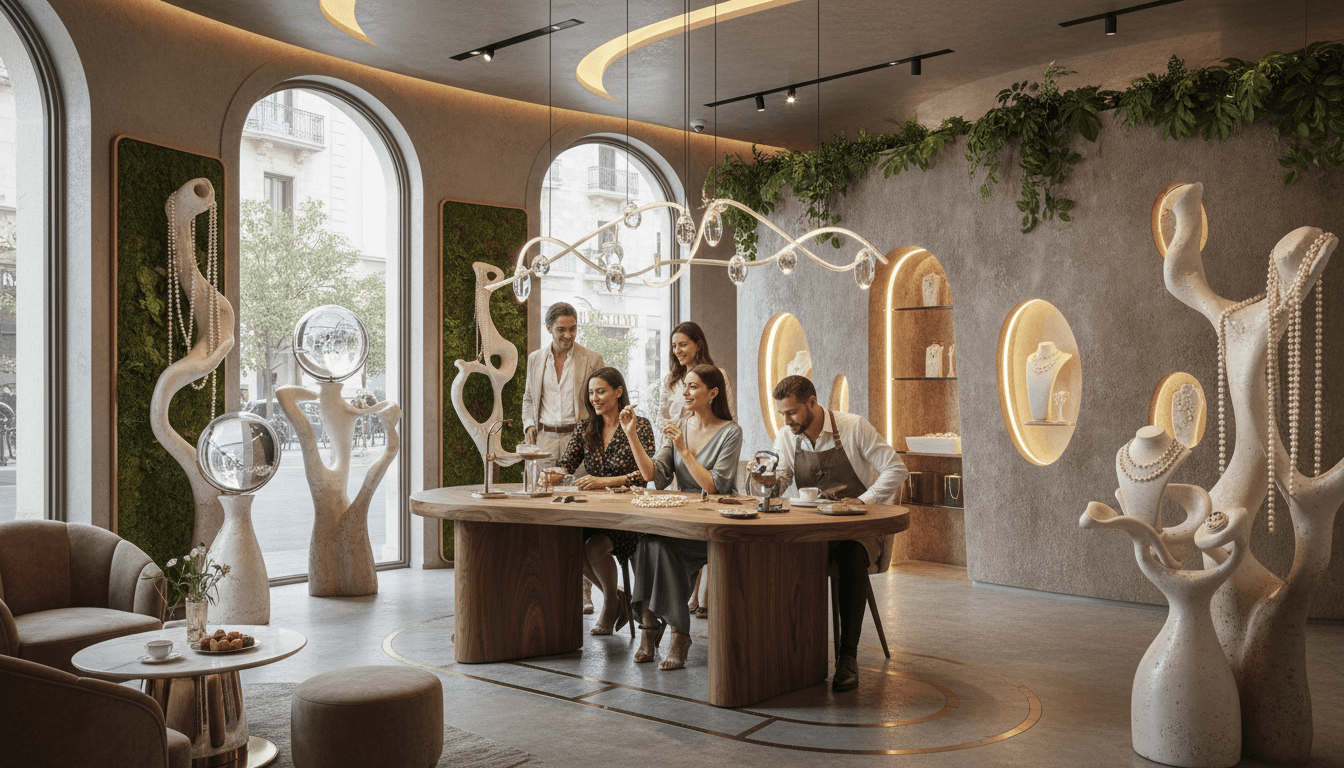
Luxury jewelry retailers are pioneering experiential retail strategies to redefine consumer engagement. By designing immersive in-store environments, offering personalized consultations, and curating bespoke customer journeys, brands like Cartier and Tiffany & Co. foster deep emotional connections and brand loyalty. These approaches, supported by data showing a 40% increase in customer retention for experiential-focused brands, differentiate them in a competitive market. This article explores how these innovations transform traditional retail into memorable, high-value experiences that resonate with modern luxury consumers.
Gold Jewelry Market Dynamics: Investment, Culture, and Surging Demand in 2024
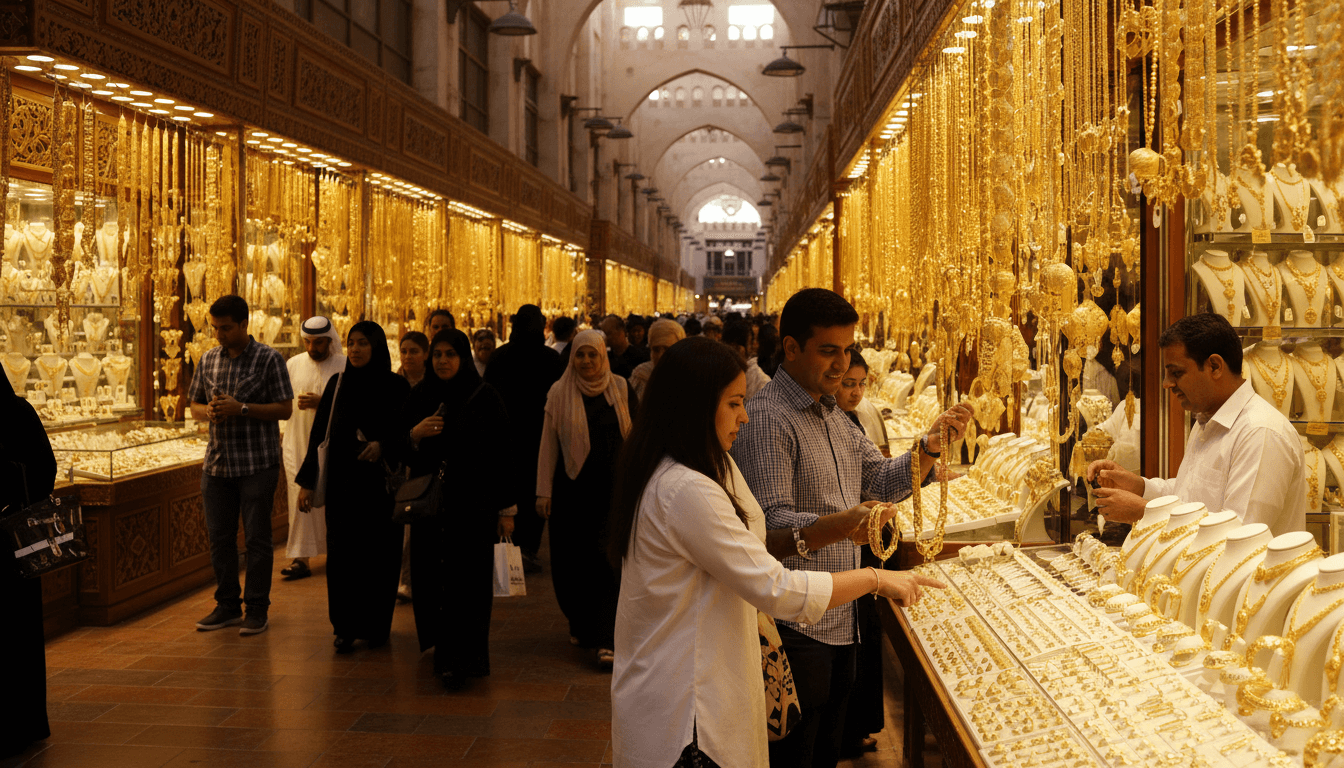
The gold jewelry market continues to lead the luxury sector, commanding 54.9% of the global jewelry market share in 2024. Fueled by a 25% annual price surge and heightened demand in key regions like India, gold jewelry serves dual purposes as both a timeless fashion statement and a robust investment asset. This article explores the drivers behind this growth, including cultural traditions, price dynamics, and strategic market adaptations.
Celebrity Endorsements and Brand Collaborations: Reshaping the Luxury Jewelry Market
Celebrity partnerships and brand collaborations have become pivotal strategies in the luxury jewelry sector, driving brand visibility and consumer engagement. Notable collaborations like Tiffany & Co. x Pharrell Williams and brand ambassadors such as Michael B. Jordan for David Yurman exemplify this trend. These initiatives leverage influencer marketing and cross-industry alliances to appeal to diverse demographics, enhancing market reach and reinforcing brand prestige. This article explores the dynamics, impacts, and future directions of these high-profile partnerships in the evolving luxury landscape.
Investment and Collectible Jewelry Trends: Luxury Assets Redefining Market Dynamics
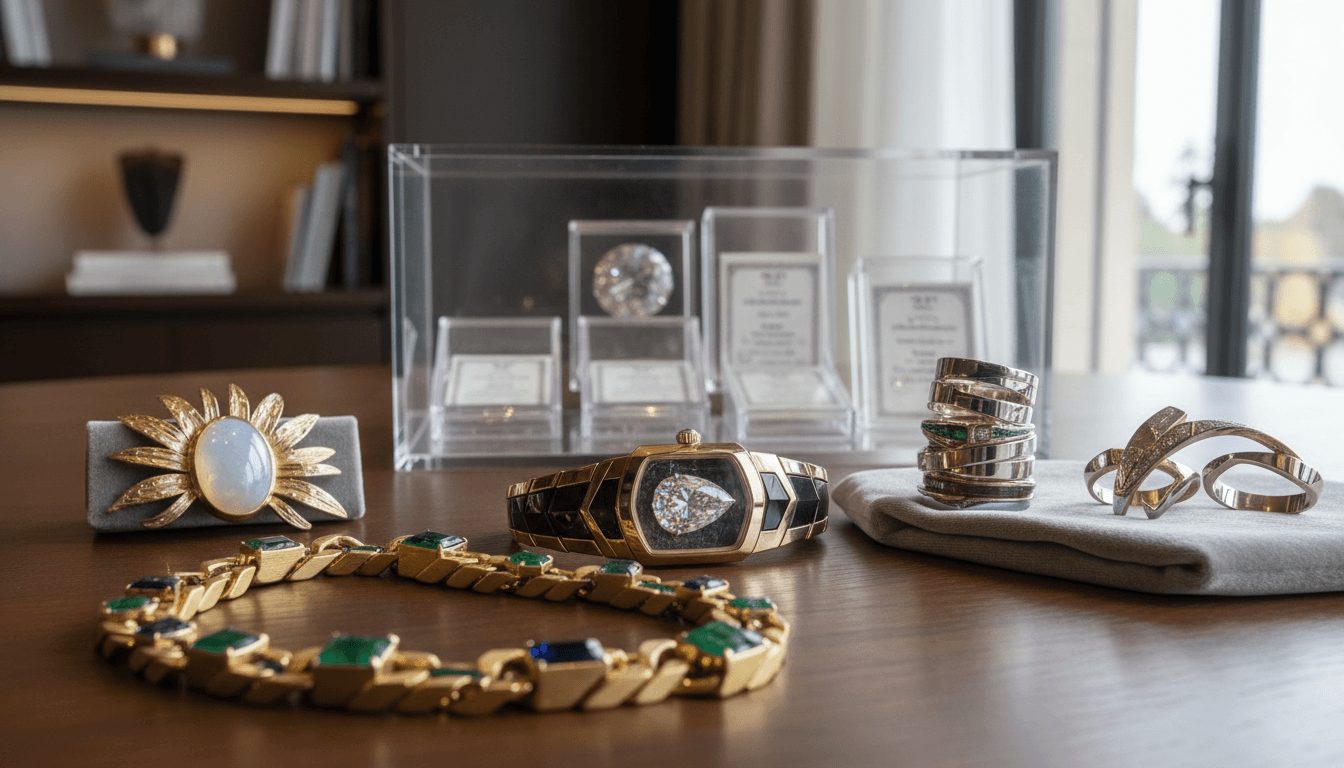
Luxury jewelry is evolving beyond adornment to become a strategic long-term investment, driven by growing demand for rare gemstones and limited-edition pieces. High-net-worth individuals are diversifying portfolios with tangible assets, fueling a market where jewelry serves dual purposes as a fashion statement and appreciating asset. This trend, supported by data from Credence Research, highlights the increasing valuation of collectible jewelry as a stable alternative investment in volatile economic climates.