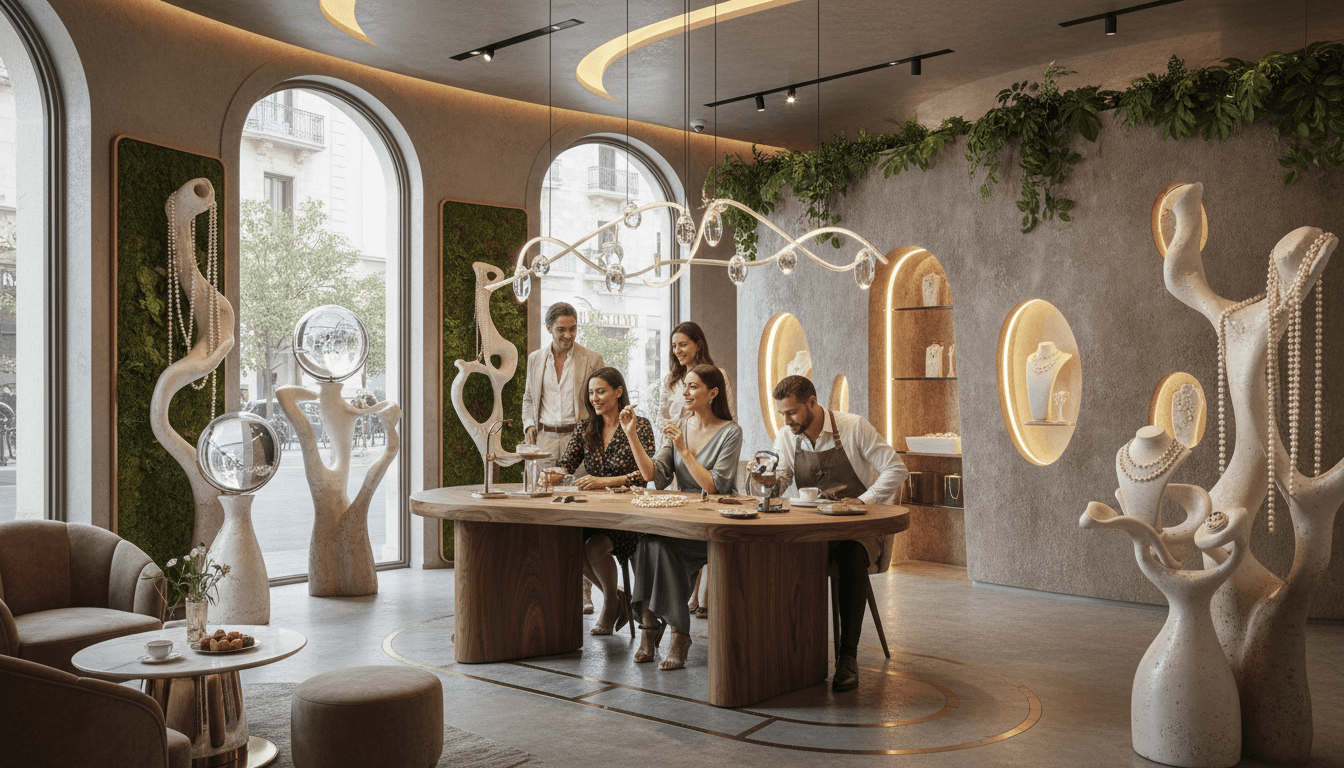
In an era where digital interactions dominate, luxury jewelry brands are reimagining physical retail as a sanctuary of exclusivity and personal connection. Experiential retail—centered on immersive showrooms, tailored consultations, and curated journeys—has emerged as a pivotal strategy to captivate discerning clients. According to Custom Market Insights, this shift not only enhances brand differentiation but also drives measurable loyalty, with brands reporting up to 40% higher retention rates. This article delves into the core components of experiential retail, illustrating how it transforms transactional encounters into enduring emotional bonds.
In-Depth Analysis
The Rise of Experiential and Personalized Retail Strategies
Experiential retail in luxury jewelry marks a departure from conventional sales tactics, emphasizing emotion-driven engagements over mere transactions. Brands invest significantly in immersive environments, such as Cartier's 'Into the Wild' pop-ups, which blend art installations with product showcases to evoke wonder. Personalized consultations, another cornerstone, leverage client data to offer bespoke design services; for instance, Boucheron's 'Sur Mesure' program allows clients to co-create unique pieces, resulting in a 30% uplift in high-value sales. Data from industry analyses reveals that 75% of luxury consumers prefer brands that offer personalized experiences, underscoring the strategy's effectiveness in fostering loyalty and repeat business.
Crafting Unique In-Store Experiences
Luxury jewelry showrooms are evolving into multisensory havens that engage sight, sound, and touch. Brands like Van Cleef & Arpels incorporate interactive technology, such as augmented reality mirrors, to visualize customizations in real-time, while Bvlgari's flagship stores feature historical exhibits that narrate the brand's heritage. These environments often include private lounges for intimate viewings, elevating the shopping journey into a privileged event. Statistics indicate that immersive in-store experiences can increase average transaction values by 25%, as clients perceive greater value in the holistic offering. By transforming spaces into destinations, brands not only drive foot traffic but also create shareable moments that amplify word-of-mouth marketing.
Personalized Consultations and Curated Customer Journeys
At the heart of experiential retail lies the personalized consultation, where trained specialists guide clients through tailored journeys. Tiffany & Co.'s 'Blue Box Cafe' consultations, for example, combine jewelry previews with gourmet dining, making each interaction memorable. Curated journeys extend beyond the store, with brands like Chopard offering behind-the-scenes access to craftsmanship workshops or exclusive event invitations. These efforts align with data showing that 68% of luxury jewelry buyers value experiences that reflect their individuality, leading to a 50% higher lifetime value for engaged customers. By integrating client preferences into every touchpoint, brands build trust and long-term relationships.
Measuring Impact and Future Trends
The success of experiential strategies is quantifiable: brands adopting these approaches see a 35% rise in customer satisfaction scores and a 20% increase in referral rates. Emerging trends include hybrid digital-physical experiences, such as virtual try-ons paired with in-person styling sessions, and sustainability-focused showcases that highlight ethical sourcing. As luxury consumers increasingly seek authenticity, investments in experiential retail are projected to grow by 15% annually, making it a critical component of future brand strategies.
Key Takeaways
Experiential retail drives a 40% boost in customer retention for luxury jewelry brands.
Personalized consultations increase high-value sales by up to 30%.
Immersive in-store experiences elevate transaction values by 25% on average.
68% of consumers prioritize individualized journeys in luxury purchases.
Future growth in experiential strategies is estimated at 15% per year.
Frequently Asked Questions
What defines experiential retail in luxury jewelry?
Experiential retail focuses on creating immersive, personalized interactions—such as bespoke consultations and multisensory showrooms—that transform shopping into memorable, emotional experiences, fostering deeper brand connections.
How do personalized consultations benefit brands?
They enhance client loyalty by tailoring offerings to individual preferences, leading to higher sales conversions, repeat business, and increased customer lifetime value, as evidenced by a 30% rise in high-value transactions.
What role does technology play in these experiences?
Technology, like AR mirrors and virtual try-ons, enables real-time customization and engagement, bridging digital convenience with physical luxury to meet modern consumer expectations.
Are experiential strategies effective in competitive markets?
Yes, they differentiate brands by offering unique value, with data showing a 35% improvement in satisfaction and 20% higher referrals, making them essential for standing out.
Conclusion
Experiential retail is reshaping the luxury jewelry landscape, turning stores into epicenters of innovation and connection. By prioritizing immersive environments, personalized services, and curated journeys, brands not only meet evolving consumer demands but also secure lasting loyalty. As the industry advances, integrating these strategies will be paramount for sustained growth and relevance in a dynamic market.
Tags
Related Articles
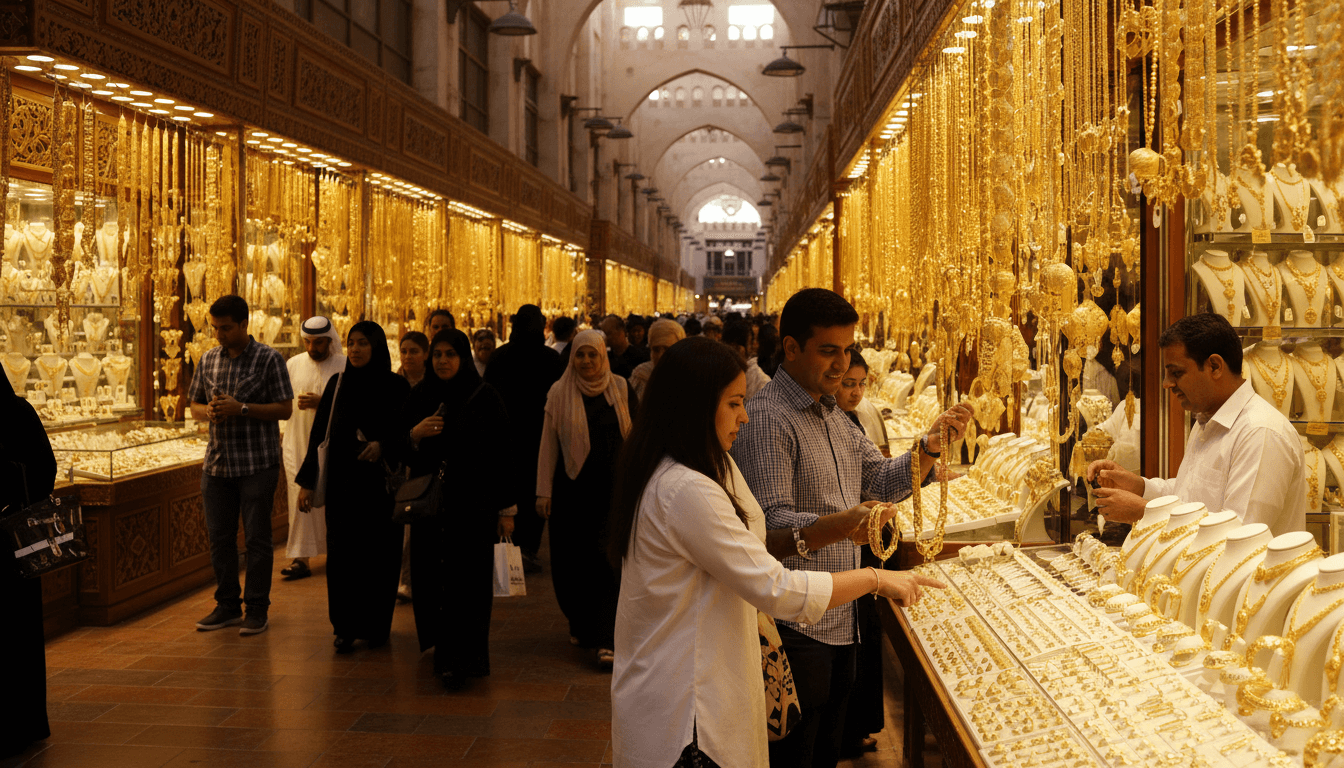
Gold Jewelry Market Dynamics: Investment, Culture, and Surging Demand in 2024
The gold jewelry market continues to lead the luxury sector, commanding 54.9% of the global jewelry market share in 2024. Fueled by a 25% annual price surge and heightened demand in key regions like India, gold jewelry serves dual purposes as both a timeless fashion statement and a robust investment asset. This article explores the drivers behind this growth, including cultural traditions, price dynamics, and strategic market adaptations.
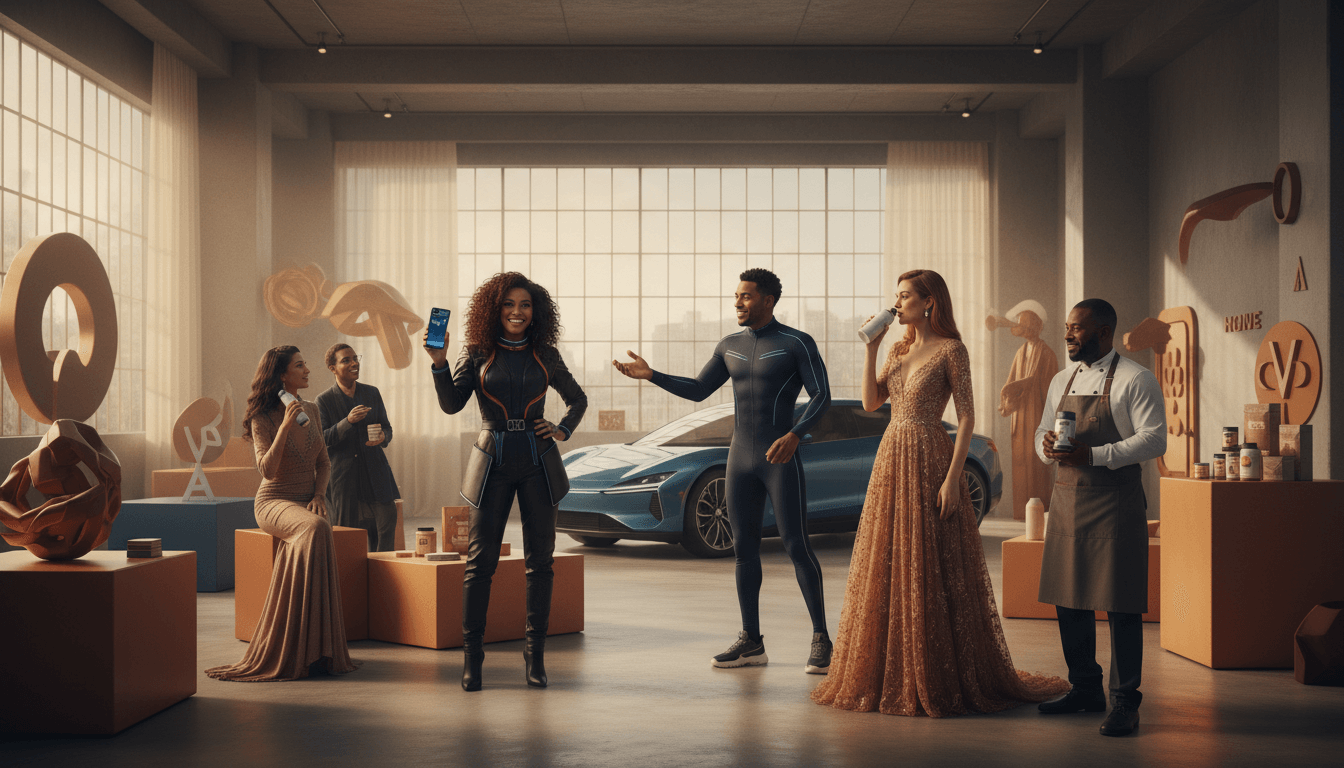
Celebrity Endorsements and Brand Collaborations: Reshaping the Luxury Jewelry Market
Celebrity partnerships and brand collaborations have become pivotal strategies in the luxury jewelry sector, driving brand visibility and consumer engagement. Notable collaborations like Tiffany & Co. x Pharrell Williams and brand ambassadors such as Michael B. Jordan for David Yurman exemplify this trend. These initiatives leverage influencer marketing and cross-industry alliances to appeal to diverse demographics, enhancing market reach and reinforcing brand prestige. This article explores the dynamics, impacts, and future directions of these high-profile partnerships in the evolving luxury landscape.
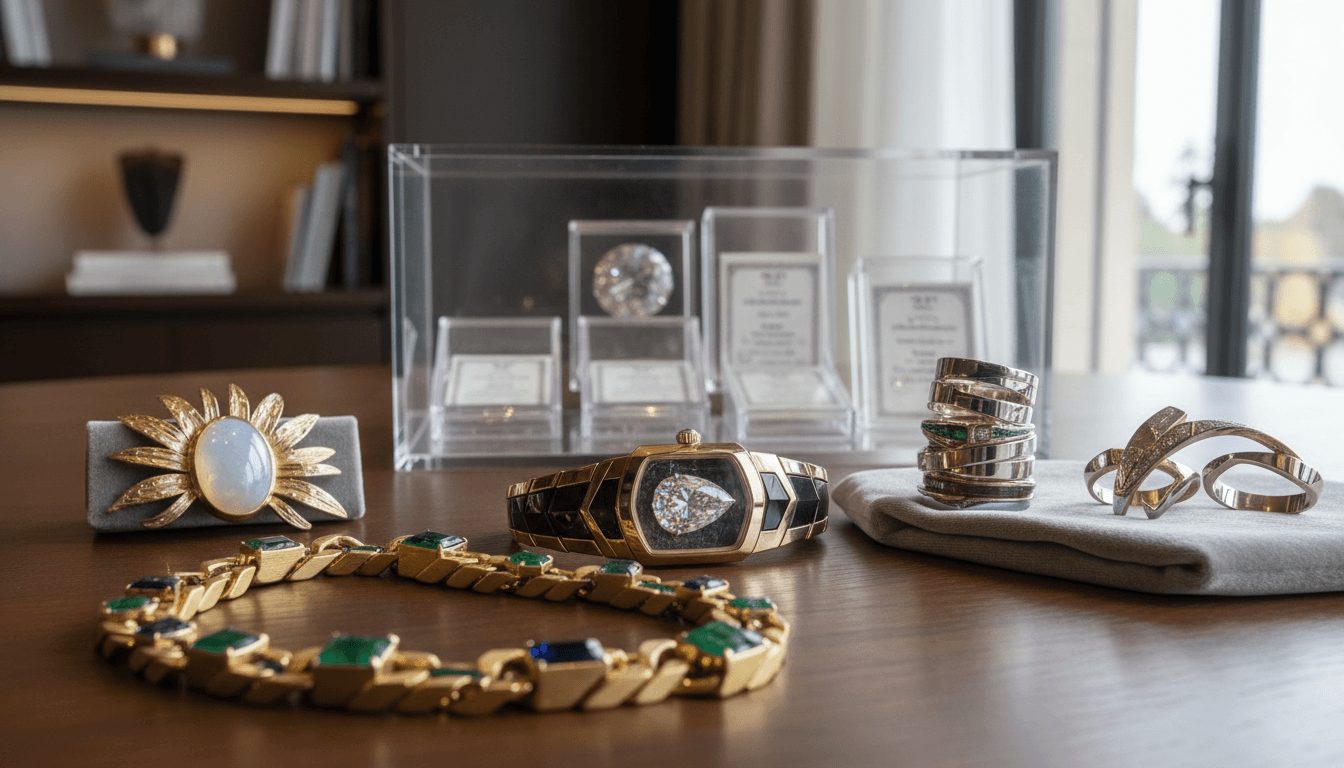
Investment and Collectible Jewelry Trends: Luxury Assets Redefining Market Dynamics
Luxury jewelry is evolving beyond adornment to become a strategic long-term investment, driven by growing demand for rare gemstones and limited-edition pieces. High-net-worth individuals are diversifying portfolios with tangible assets, fueling a market where jewelry serves dual purposes as a fashion statement and appreciating asset. This trend, supported by data from Credence Research, highlights the increasing valuation of collectible jewelry as a stable alternative investment in volatile economic climates.
Secondhand Luxury Jewelry Market Growth: Value, Sustainability, and Shifting Consumer Preferences
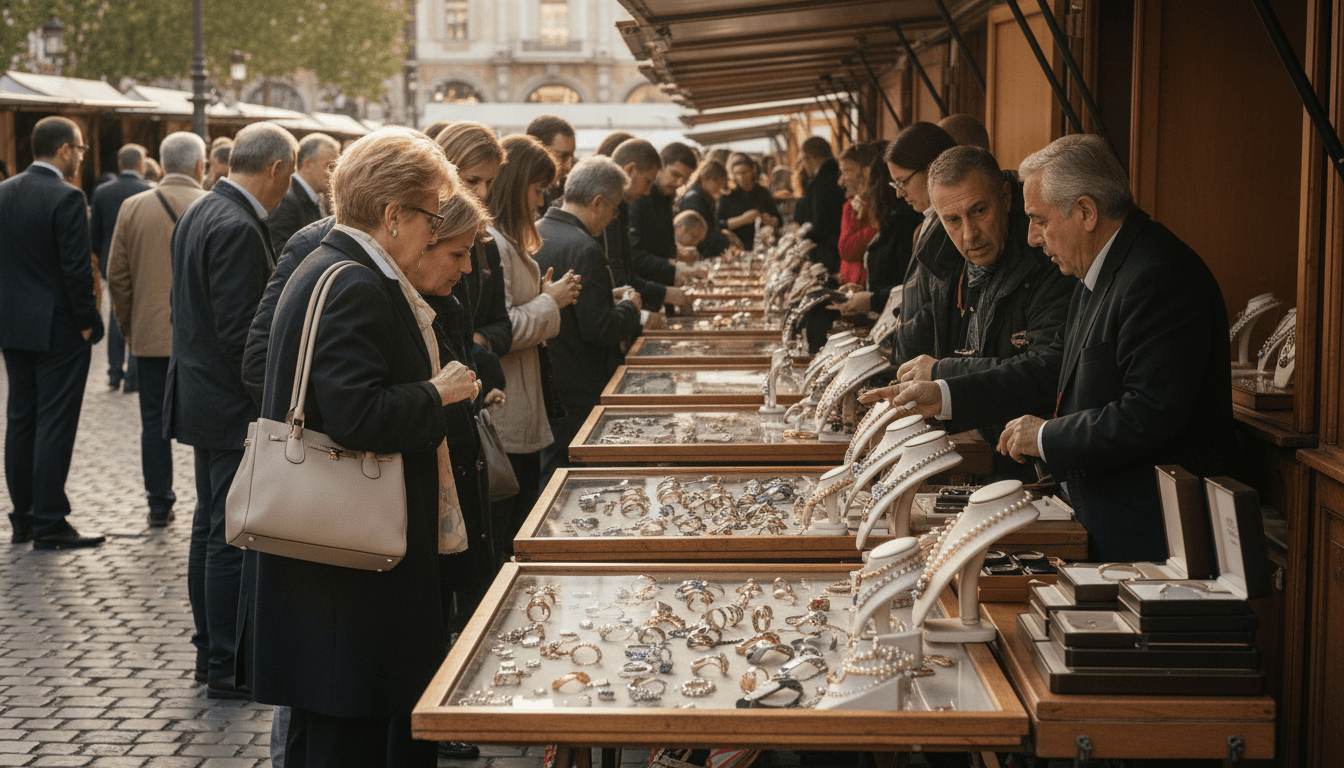
The secondhand luxury jewelry market is experiencing unprecedented growth, driven by consumer demand for value, sustainability, and unique pieces. According to Bain & Company, this trend reflects a broader shift in luxury consumption, with pre-owned items gaining mainstream acceptance. Key factors include economic considerations, environmental awareness, and the appeal of heritage and craftsmanship in jewelry, apparel, and leather goods. This article explores the market dynamics, consumer motivations, and future outlook for the thriving resale sector.
Luxury Jewelry Investment Trends: Merging Aesthetics with Financial Strategy
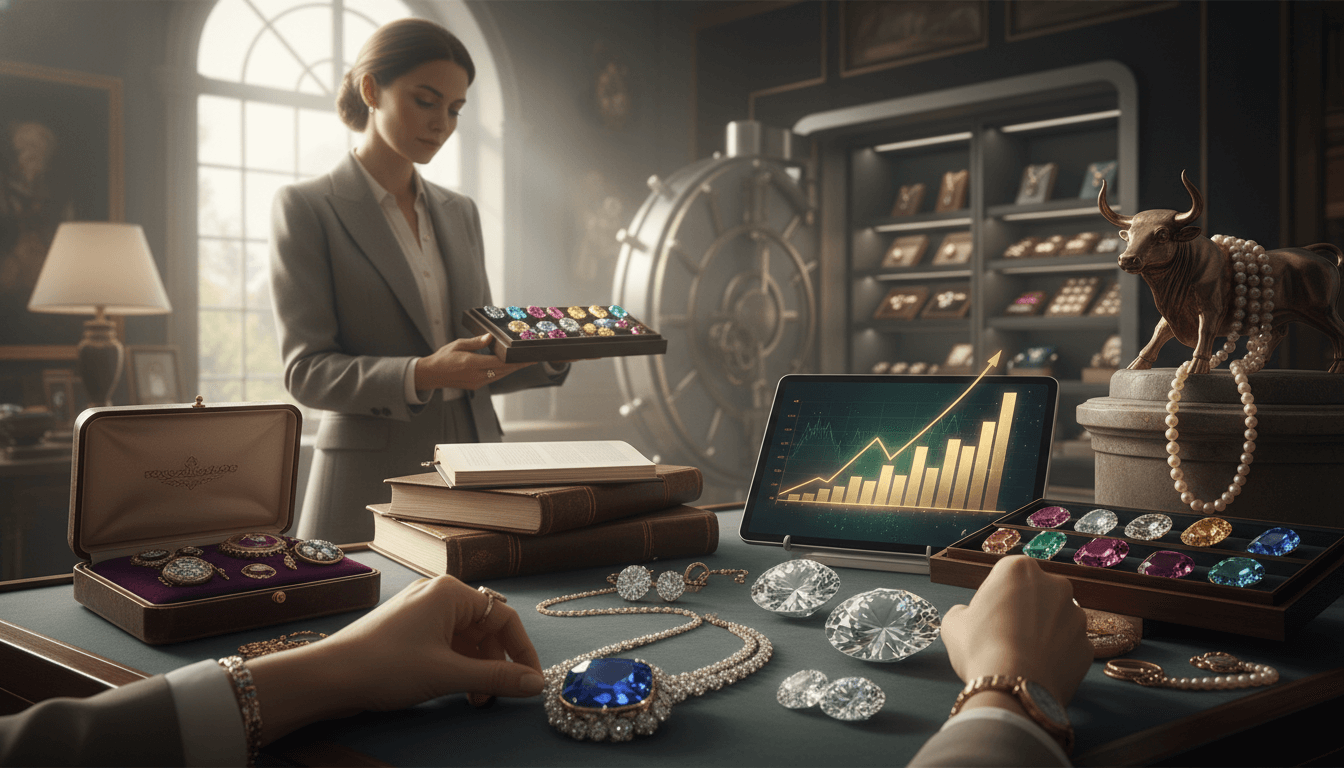
The luxury jewelry market is evolving as consumers increasingly recognize its dual role as a fashion statement and a viable investment asset. Driven by a surge in demand for rare gemstones and high-value collections, this trend reflects a strategic shift toward long-term value preservation. Industry reports highlight that jewelry now serves as a tangible financial asset, with investors seeking pieces that combine craftsmanship with potential appreciation. This comprehensive analysis explores the factors fueling this movement, from market dynamics to consumer motivations, offering insights into how luxury jewelry is redefining wealth management in the global luxury sector.
Technology Integration in Luxury Jewelry: Blending Craftsmanship with Innovation
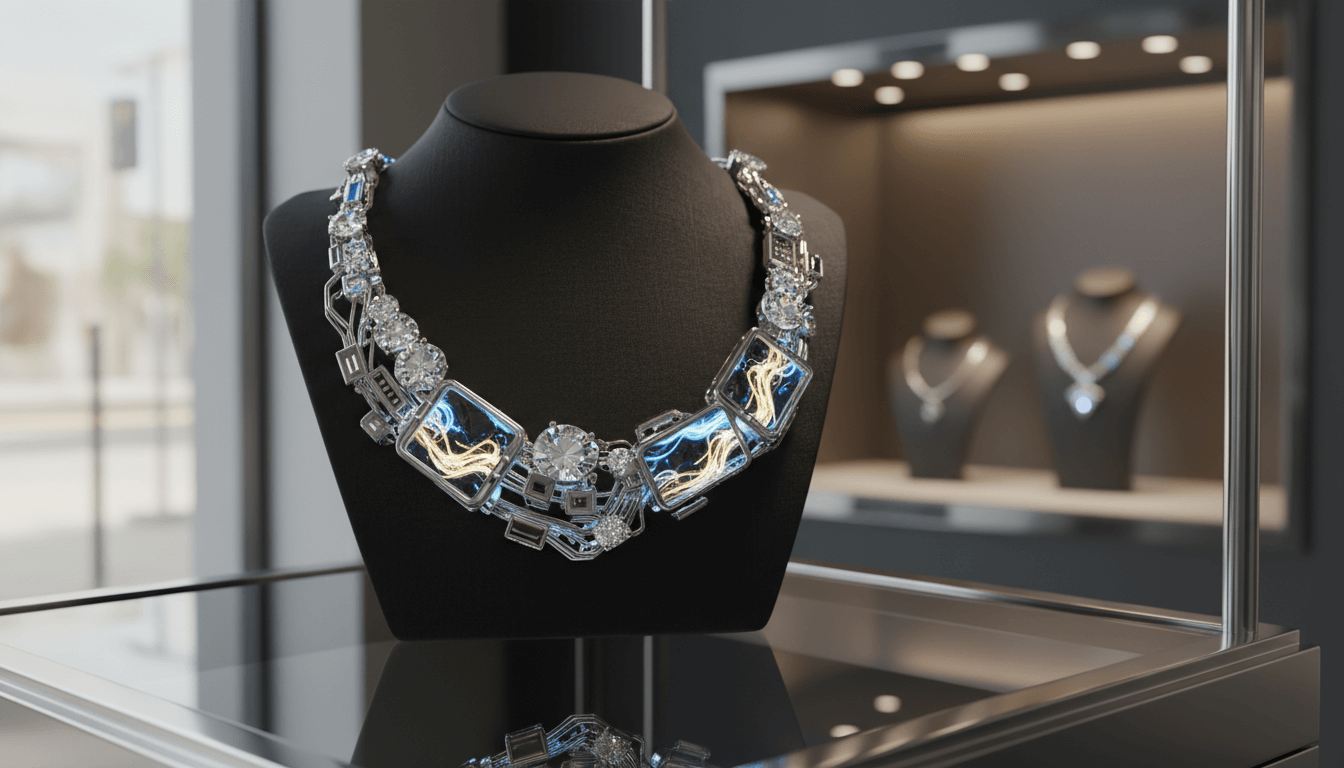
The luxury jewelry market is undergoing a transformative shift as brands increasingly embed technology into their designs, merging traditional craftsmanship with cutting-edge digital elements. Innovations include smart jewelry with health monitoring and connectivity features, tech-enhanced designs using advanced materials like lab-grown diamonds and sustainable alloys, and revolutionary manufacturing techniques such as 3D printing and AI-driven customization. This trend not only enhances functionality and personalization but also appeals to a new generation of tech-savvy consumers, positioning the sector for sustained growth and innovation. According to Stellar Market Research, this integration is reshaping market dynamics and consumer expectations.