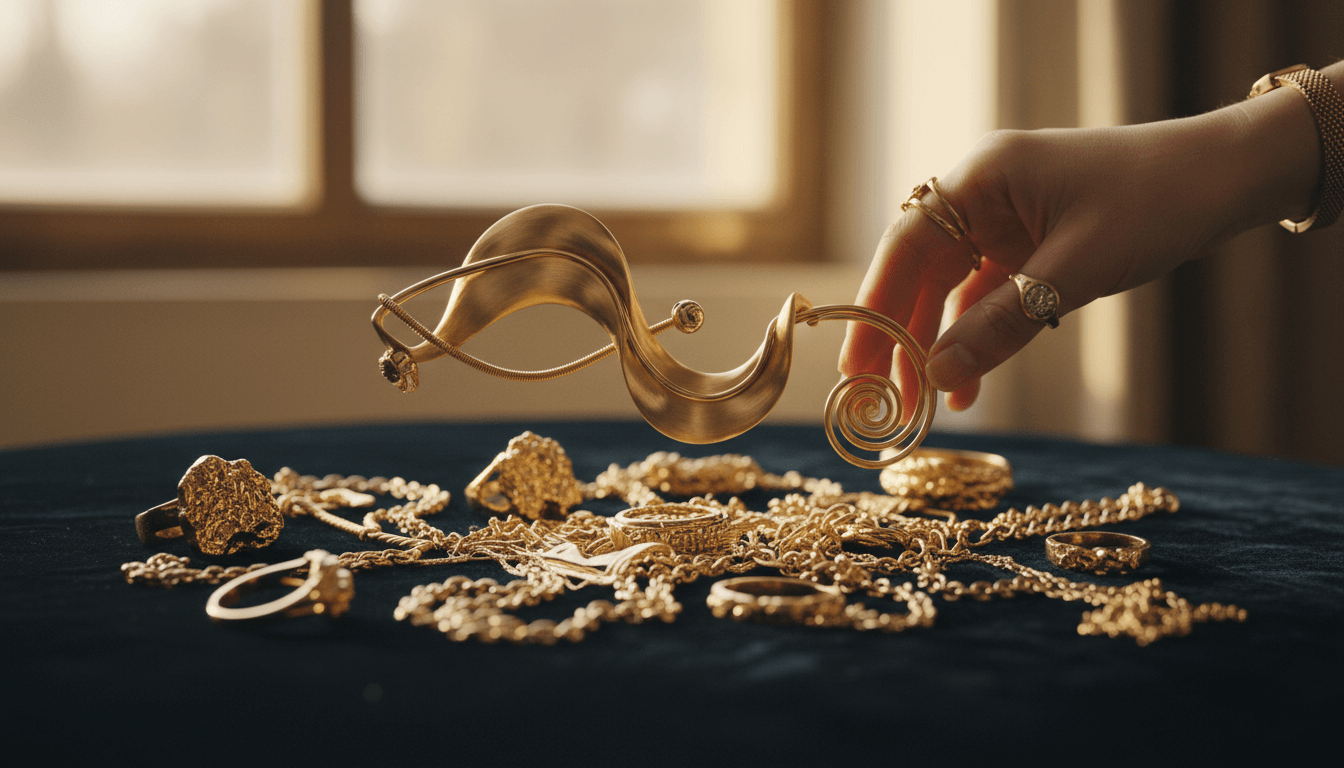
The global luxury jewelry market is undergoing a transformative phase, with gold maintaining its historical dominance while consumer preferences increasingly favor bespoke and meaningful designs. According to recent analyses, gold jewelry commands a substantial 54.9% market share, underscoring its timeless allure and intrinsic value. Rings, representing 33.8% of product sales, continue to be the most sought-after segment, driven by their cultural and emotional significance in engagements, weddings, and personal milestones. This article delves into the material and product trends shaping the industry, examining the factors behind gold's supremacy, the enduring appeal of rings, and the growing emphasis on personalization that is redefining luxury consumption.
In-Depth Analysis
Gold Jewelry: Unwavering Market Leadership
Gold's prominence in the luxury jewelry sector is unparalleled, with a 54.9% market share reflecting its status as a preferred material for high-end pieces. This dominance is rooted in gold's intrinsic properties, including durability, malleability, and resistance to tarnish, making it ideal for intricate craftsmanship. The yellow metal's historical and cultural significance across civilizations further cements its appeal, often symbolizing wealth, power, and eternity. In 2024, the global gold jewelry market was valued at approximately $280 billion, with growth driven by rising disposable incomes in emerging economies and sustained demand in established markets like the United States and Europe. Innovations in gold alloys, such as rose and white gold variations, have expanded design possibilities, catering to diverse consumer tastes. Additionally, the investment aspect of gold jewelry—viewed as a store of value during economic uncertainties—bolsters its market position. Leading brands like Cartier, Tiffany & Co., and Bulgari continue to leverage gold's prestige in their collections, often incorporating ethical sourcing practices to meet modern consumer expectations.
Rings: The Cornerstone of Jewelry Collections
Rings constitute the largest product segment in luxury jewelry, accounting for 33.8% of sales, a figure that highlights their central role in personal adornment and symbolism. This segment's strength stems from its association with life's most cherished moments, including engagements, weddings, anniversaries, and graduations. In 2024, the global ring market was estimated at $92 billion, with diamond-encrusted styles leading in revenue due to their perceived value and emotional resonance. Cultural traditions, such as the exchange of wedding bands in Western societies or ceremonial rings in Asian cultures, perpetuate demand. Beyond tradition, rings are increasingly embraced as fashion statements, with stackable designs, signet rings, and artisanal pieces gaining popularity. The rise of gender-fluid jewelry has also expanded the ring market, with unisex and minimalist designs appealing to younger demographics. Brands are responding by offering customizable options, from engraved initials to bespoke gemstone settings, aligning with the broader trend toward personalization.
The Rise of Personalized and Unique Designs
Personalization has emerged as a defining trend in luxury jewelry, with consumers seeking pieces that reflect their individuality and stories. This shift is driven by a desire for authenticity and emotional connection, moving away from mass-produced items toward bespoke creations. In 2024, over 40% of luxury jewelry buyers expressed a preference for customized designs, leading brands to invest in advanced technologies like 3D printing and CAD software for precise craftsmanship. Personalization encompasses various elements, such as engraved messages, birthstones, custom metalwork, and unique silhouettes. For instance, brands like David Yurman and Pandora have introduced platforms for customers to co-design pieces, enhancing engagement and loyalty. This trend also aligns with sustainability, as personalized jewelry often involves made-to-order production, reducing waste. The demand for uniqueness extends to materials, with recycled gold and ethically sourced gemstones gaining traction, appealing to environmentally conscious consumers.
Market Drivers and Consumer Behavior
Several factors underpin the trends in luxury jewelry, including economic conditions, cultural shifts, and technological advancements. The post-pandemic era has seen a surge in 'emotional spending,' where consumers prioritize purchases with sentimental value, fueling demand for rings and personalized items. Geographically, Asia-Pacific leads market growth, with countries like China and India contributing significantly due to rising middle-class affluence and cultural emphasis on gold. In contrast, Western markets show a preference for experiential luxury, where jewelry purchases are tied to milestones or self-expression. Social media and digitalization have also reshaped consumer behavior, with platforms like Instagram and Pinterest inspiring trends and enabling virtual try-ons. Moreover, the integration of blockchain for provenance tracking addresses concerns about authenticity and ethical sourcing, building trust among discerning buyers.
Future Outlook and Innovations
The luxury jewelry market is poised for evolution, with gold expected to maintain its dominance while innovations in materials and design cater to changing preferences. By 2030, the global market is projected to exceed $400 billion, driven by technological integration and sustainability initiatives. Lab-grown diamonds and alternative materials like titanium and ceramic are gaining acceptance, offering affordability without compromising luxury. Artificial intelligence will further personalize the shopping experience, with algorithms suggesting designs based on consumer data. Additionally, circular economy models, including jewelry rental and resale platforms, will expand, appealing to younger generations valuing accessibility over ownership. Brands that embrace these trends while upholding craftsmanship and heritage will thrive in the competitive landscape.
Key Takeaways
Gold jewelry holds a 54.9% market share, reinforced by its timeless appeal and investment value.
Rings lead product sales at 33.8%, driven by cultural traditions and emotional milestones.
Personalized designs are increasingly demanded, with over 40% of consumers favoring bespoke pieces.
Sustainability and ethical sourcing are becoming critical factors in purchasing decisions.
Technological advancements, such as 3D printing and AI, are transforming design and customization processes.
Frequently Asked Questions
Why does gold dominate the luxury jewelry market?
Gold's dominance, at 54.9% market share, stems from its durability, cultural significance, and role as a store of value, making it a preferred choice for high-end pieces across generations.
What makes rings the most popular jewelry product?
Rings account for 33.8% of sales due to their strong association with life events like engagements and weddings, combined with growing trends in fashion-forward and customizable designs.
How are personalized designs impacting the luxury jewelry industry?
Personalization is driving innovation, with brands leveraging technology to offer bespoke options, enhancing emotional connection and meeting consumer demands for uniqueness and sustainability.
What role does sustainability play in luxury jewelry trends?
Sustainability is increasingly important, influencing material choices like recycled gold and ethically sourced gemstones, as well as production methods that minimize environmental impact.
Which regions are leading growth in the luxury jewelry market?
Asia-Pacific, particularly China and India, leads growth due to rising affluence and cultural preferences, while Western markets focus on experiential and personalized luxury.
Conclusion
The luxury jewelry market is characterized by gold's unwavering dominance and the rising emphasis on personalization, with rings remaining the cornerstone of product offerings. As consumers seek deeper connections to their purchases, brands must balance tradition with innovation, integrating sustainability and technology to meet evolving expectations. By understanding these trends, stakeholders can navigate the dynamic landscape and capitalize on opportunities for growth and differentiation.
Tags
Related Articles
Cultural and Regional Luxury Jewelry Preferences: A Global Market Analysis
Luxury jewelry preferences exhibit profound diversity across global regions, shaped by cultural heritage, economic dynamics, and evolving fashion trends. Europe maintains its legacy as a mature market with sophisticated tastes, while Asia-Pacific emerges as the fastest-growing region, driven by rising affluence. The Middle East showcases jewelry's deep cultural significance, often emphasizing opulent designs. Brands are increasingly adopting region-specific strategies, from marketing campaigns to bespoke collections, to resonate with local consumers. This article explores key regional markets, consumer behaviors, and strategic adaptations essential for success in the global luxury jewelry landscape.
Emerging Trends in Luxury Jewelry Design: Blending Heritage with Modern Innovation
The luxury jewelry sector is evolving with groundbreaking design trends that merge traditional craftsmanship with contemporary aesthetics. Key developments include the rise of gender-neutral collections, increased demand for bespoke and personalized jewelry, and a strong focus on sustainability through ethical sourcing. These shifts reflect consumer preferences for pieces that serve as both fashion statements and long-term investments, driving brands to innovate in design, materials, and supply chain transparency. Insights from Luxury Market Trend Analysis 2024 highlight how these trends are reshaping the industry.
Gender-Neutral Luxury Jewelry Trends: Redefining Elegance Beyond Gender
The luxury jewelry sector is undergoing a transformative shift towards gender-neutral and unisex designs, driven by evolving social norms, a focus on individual expression, and a push for inclusivity. Major brands like Gucci and Bulgari are pioneering collections that transcend traditional gender boundaries, with a significant increase in male jewelry purchases reflecting this change. This trend not only aligns with contemporary values but also opens new market opportunities, reshaping how luxury is defined and consumed globally.
Regional Dynamics in the Global Luxury Jewelry Market: Asia Pacific's Dominance and Global Trends
The global luxury jewelry market is experiencing significant regional shifts, with Asia Pacific leading at a 60.2% market share. Driven by a burgeoning middle class, rapid urbanization, and increased luxury spending, this region sets the pace for growth. North America, dominated by the U.S. with 92.6% revenue share, and other regions show distinct consumer preferences, such as women accounting for 71.7% of revenue. This article explores these dynamics, key drivers, and future outlooks shaping the industry.
Global Luxury Jewelry Market 2024: Trends, Growth Drivers, and Future Outlook
The global luxury jewelry market is poised for robust expansion, with its valuation reaching USD 61,015 million in 2024 and projected to hit USD 109,224 million by 2032, reflecting a CAGR of 7.55%. Key drivers include rising disposable incomes, evolving consumer preferences for sustainable and gender-neutral designs, and digital retail innovations. Asia Pacific leads with a 60.2% market share, while rings and gold jewelry dominate product and material segments respectively, signaling dynamic shifts in the industry.
Luxury Jewelry Market Global Trends 2024-2032: An In-Depth Analysis
The global luxury jewelry market is poised for significant growth, projected to expand from USD 61.02 billion in 2024 to USD 109.22 billion by 2032 at a CAGR of 7.55%. Key trends driving this transformation include a heightened focus on sustainable and ethically sourced materials, personalized and gender-neutral designs, and the integration of digital technologies into the shopping experience. Evolving consumer preferences and technological innovations are reshaping the industry, offering new opportunities for brands and investors alike.