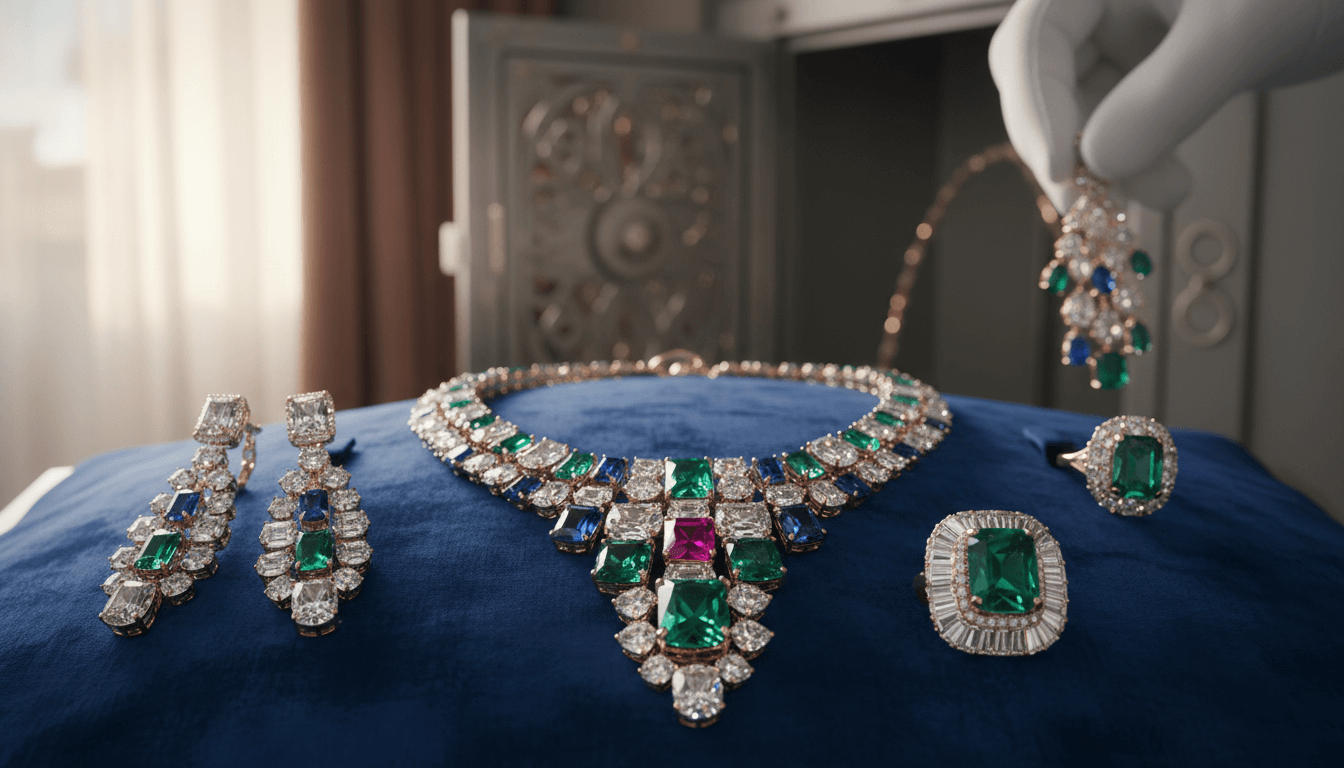
The global luxury jewelry market continues to demonstrate exceptional resilience amid economic uncertainties, with the haute joaillerie segment emerging as the standout performer. According to Bain & Company's comprehensive market analysis, high jewelry is growing at 0-2% at current exchange rates, significantly outpacing mass-market and accessible luxury segments. With the total market reaching €31 billion in valuation for 2024, this exclusive category represents the pinnacle of craftsmanship, heritage, and artistic expression. The sustained growth underscores fundamental shifts in consumer behavior, where discerning buyers increasingly value rarity, provenance, and exceptional artistry over mere brand recognition. This detailed examination explores the driving forces behind this performance, the strategic responses from leading maisons, and the evolving competitive landscape that is reshaping the future of high jewelry.
In-Depth Analysis
Market Performance and Segment Dynamics
The high jewelry segment's 0-2% growth rate, while modest in percentage terms, represents significant absolute value growth given the substantial base of the €31 billion market. This performance becomes particularly impressive when contextualized against broader luxury market trends, where many categories have experienced volatility. The haute joaillerie segment's resilience stems from several structural advantages: its clientele comprises ultra-high-net-worth individuals with substantial wealth preservation, the intrinsic value of precious materials provides inherent asset protection, and the limited production volumes create natural scarcity. Historical data reveals that high jewelry has consistently outperformed other luxury categories during economic downturns, with demand remaining robust even as discretionary spending contracts in adjacent segments. The current growth trajectory reflects both organic market expansion and strategic portfolio reallocations by collectors who view exceptional pieces as both aesthetic investments and store of value assets.
Strategic Differentiation Through Craftsmanship and Materials
Leading jewelry houses are intensifying their focus on three core differentiators: unique designs, exceptional materials, and master-level craftsmanship. The emphasis on uniqueness manifests through increasingly personalized commissions and limited-edition collections that feature innovative techniques and artistic collaborations. Precious materials remain central to the value proposition, with rare gemstones, high-carat gold, and platinum forming the foundation of haute joaillerie creations. The sourcing and authentication of these materials have become increasingly sophisticated, with blockchain technology and scientific certification providing unprecedented transparency. Craftsmanship excellence represents the ultimate competitive moat, with houses investing significantly in preserving traditional techniques while integrating cutting-edge technology like CAD design and laser setting. This trifecta of differentiation allows brands to command premium pricing while building enduring emotional connections with collectors who value the narrative and technical excellence behind each creation.
Competitive Landscape Evolution
The competitive dynamics in high jewelry are undergoing profound transformation as luxury fashion houses aggressively expand their fine jewelry offerings. Traditional jewelry specialists like Cartier, Van Cleef & Arpels, and Bulgari now face intensified competition from fashion powerhouses including Chanel, Dior, and Louis Vuitton, who leverage their extensive client relationships and brand recognition to capture market share. This convergence has accelerated innovation across the sector, with traditionalists enhancing their fashion relevance while fashion houses invest heavily in technical expertise and manufacturing capabilities. The battleground has expanded beyond product to encompass client experience, with private salons, bespoke services, and exclusive events becoming critical differentiators. Simultaneously, new entrants from the watch industry and independent artisan jewelers are carving niche positions, further fragmenting the competitive landscape and pushing established players to continuously elevate their offerings and client engagement strategies.
Consumer Behavior and Market Drivers
The sustained growth in high jewelry reflects evolving consumer priorities among affluent buyers. Modern collectors demonstrate heightened appreciation for craftsmanship heritage, with 78% of haute joaillerie purchasers citing technical excellence and artisanal quality as primary decision factors according to recent industry surveys. There is growing emphasis on emotional value and personal significance, driving demand for custom commissions that reflect individual stories and milestones. Geographically, the market shows distinct regional characteristics: Asian markets prioritize brand heritage and recognition, European collectors value artistic innovation, while North American buyers demonstrate strong interest in investment potential and rarity. Demographic shifts are also influencing market dynamics, with younger collectors (under 45) accounting for 42% of high jewelry purchases, bringing different aesthetic preferences and digital engagement expectations. These buyers value sustainability credentials and ethical sourcing, pushing brands to enhance transparency throughout their supply chains.
Future Outlook and Strategic Implications
The high jewelry segment is positioned for sustained, measured growth through 2026, with projections indicating continued outperformance relative to broader luxury categories. Several strategic imperatives are emerging for market participants: digital transformation must balance with exclusivity preservation, sustainability initiatives require deeper integration into core operations, and generational transition demands both heritage respect and contemporary relevance. Technological innovation will play an increasingly important role, from advanced manufacturing techniques that enhance precision to digital platforms that facilitate remote consultations and virtual try-ons while maintaining the segment's essential personal touch. The convergence of jewelry with other luxury categories presents both challenges and opportunities, requiring brands to develop more sophisticated cross-category strategies while protecting their distinctive identities. Success will depend on maintaining the delicate balance between commercial objectives and artistic integrity that defines true haute joaillerie.
Key Takeaways
High jewelry segment growing 0-2% annually, outperforming mass-market segments
Market valuation reaches €31 billion in 2024 according to Bain & Company data
Unique designs, precious materials, and craftsmanship remain key differentiators
Luxury fashion houses intensifying competition in fine jewelry space
Ultra-high-net-worth consumers driving growth through emotional and investment purchases
Digital transformation and sustainability becoming increasingly important factors
Frequently Asked Questions
What defines the haute joaillerie segment compared to other jewelry categories?
Haute joaillerie represents the pinnacle of jewelry creation, characterized by exceptional craftsmanship, the finest precious materials, unique designs often created as one-of-a-kind pieces, and significant price points typically starting above €50,000. Unlike fine jewelry or fashion jewelry, haute joaillerie pieces involve hundreds of hours of master craftsmanship, feature rare gemstones and high-carat precious metals, and are often produced in extremely limited quantities or as unique commissions.
How significant is the €31 billion market valuation for high jewelry?
The €31 billion valuation represents approximately 18-20% of the total global luxury jewelry market and demonstrates the substantial economic weight of the high-end segment. This valuation encompasses sales across all distribution channels including direct boutique sales, auctions, and private commissions. The figure underscores the segment's importance within the broader luxury ecosystem and its role as both a commercial driver and cultural touchstone for luxury brands.
What factors are driving the 0-2% growth in high jewelry despite economic uncertainties?
Multiple factors contribute to this resilient growth: the segment's clientele comprises ultra-high-net-worth individuals whose spending is less affected by economic cycles; high jewelry serves as both emotional purchase and value preservation asset; limited production creates inherent scarcity; and brands have successfully enhanced client experiences through personalized services. Additionally, geographic diversification and the entry of new collectors from emerging markets provide growth momentum.
How are luxury fashion houses impacting the traditional high jewelry market?
Luxury fashion houses are bringing substantial resources, brand recognition, and existing client relationships to the high jewelry space, intensifying competition. They're investing in technical expertise, establishing dedicated ateliers, and leveraging their fashion heritage to create distinctive aesthetic statements. This competition has pushed traditional jewelry houses to innovate while simultaneously elevating overall market standards in terms of design, craftsmanship, and client experience.
What role does digital transformation play in high jewelry retail?
Digital transformation is creating new engagement opportunities while maintaining the essential personal touch of high jewelry. Brands are implementing virtual consultations, augmented reality try-ons, digital archives, and secure online viewing rooms for exclusive clients. However, the physical experience remains crucial, with digital tools serving to enhance rather than replace personal relationships and in-person appreciation of craftsmanship and materials.
Conclusion
The high jewelry segment continues to demonstrate remarkable resilience and strategic importance within the global luxury landscape. With stable growth of 0-2% and a market valuation of €31 billion in 2024, haute joaillerie maintains its position as both commercial driver and creative beacon for luxury brands. The convergence of traditional jewelry expertise with fashion house innovation is creating a more dynamic competitive environment, ultimately benefiting collectors through enhanced creativity and craftsmanship. Looking forward, success will depend on maintaining the delicate balance between commercial scale and artistic integrity, technological adoption and personal service, heritage preservation and contemporary relevance. As the market evolves, the fundamental appeal of exceptional materials, master craftsmanship, and unique design ensures that high jewelry will remain the ultimate expression of luxury artistry and enduring value.
Tags
Related Articles
Luxury Jewelry Market Competitive Landscape: Innovation, Expansion, and Strategic Differentiation
The global luxury jewelry market is experiencing intense competition, with established leaders like Tiffany & Co. and emerging brands vying for dominance. Differentiation is achieved through innovation in design, sustainable practices, and advanced marketing strategies. Key trends include global expansion into Asia-Pacific and Middle Eastern markets, strategic collaborations with fashion houses, and digital transformation. This analysis explores market dynamics, key players’ strategies, and future growth opportunities shaping the $30+ billion industry.
Emerging Markets and Luxury Jewelry Consumption: Key Trends and Strategies
Emerging markets are transforming the global luxury jewelry landscape, with nations like China, India, and Indonesia experiencing unprecedented growth in consumption. This surge is fueled by expanding middle-class populations, rising disposable incomes, and evolving lifestyle aspirations. Brands are responding with targeted strategies, including localized marketing and digital engagement, to capture these lucrative opportunities. Understanding these dynamics is crucial for stakeholders navigating the future of luxury retail.
Sustainability in Luxury Jewelry: Ethical Sourcing, Transparent Supply Chains, and Eco-Conscious Production
With environmental consciousness reshaping the luxury jewelry market, brands are prioritizing sustainability through ethically sourced materials, transparent supply chains, and eco-friendly production. Research indicates a surge in consumer demand for responsible luxury, driving brands to invest in sustainable practices. This article delves into the market dynamics, key innovations, and the profound impact of these trends on brand reputation and growth, offering insights into the future of high-end jewelry.
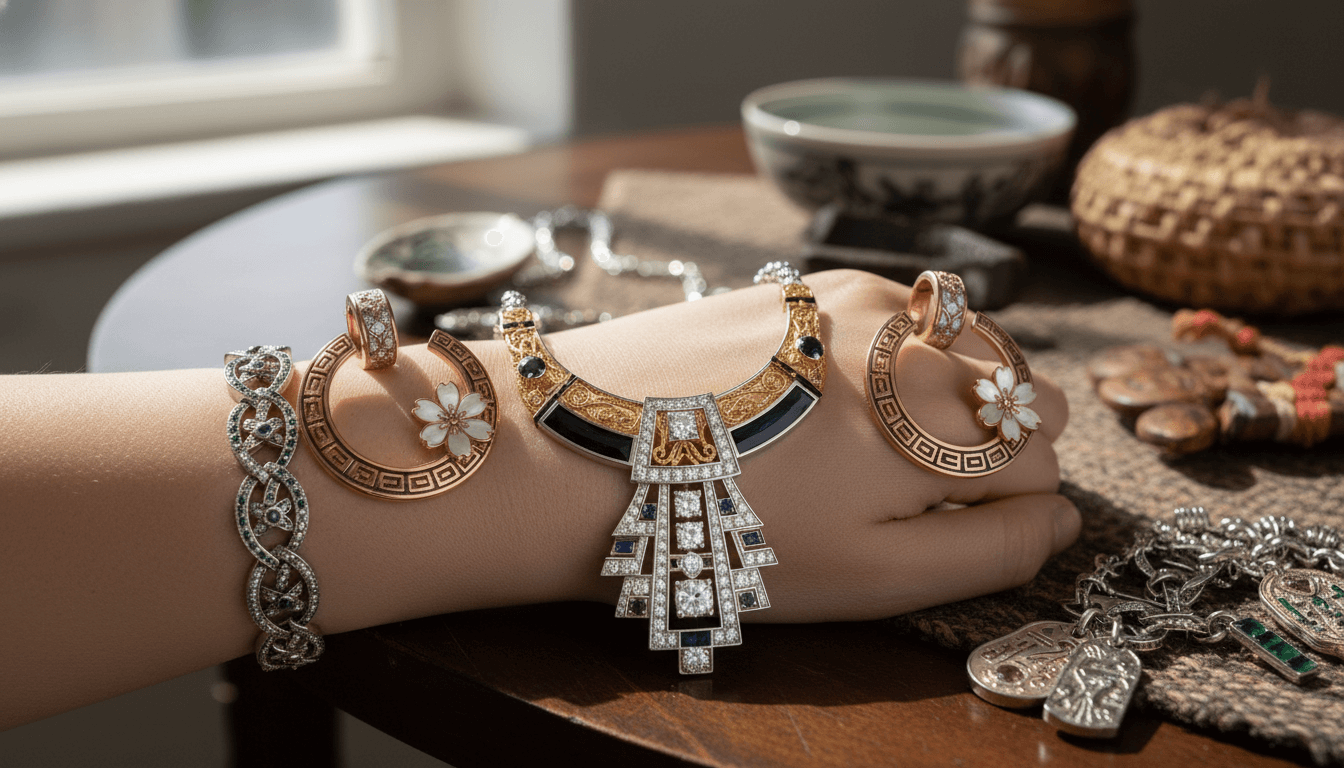
Cultural Influences in Luxury Jewelry Design: A Global Perspective
Luxury jewelry design is evolving through the integration of global cultural inspirations, fostering diverse design narratives and inclusive approaches. Brands are drawing from traditions, artistic movements, and fashion trends to create collections with broad appeal, expanding market reach and consumer engagement worldwide. This trend enhances creativity and resonates with a multicultural audience, positioning luxury jewelry as a bridge between heritage and modernity.
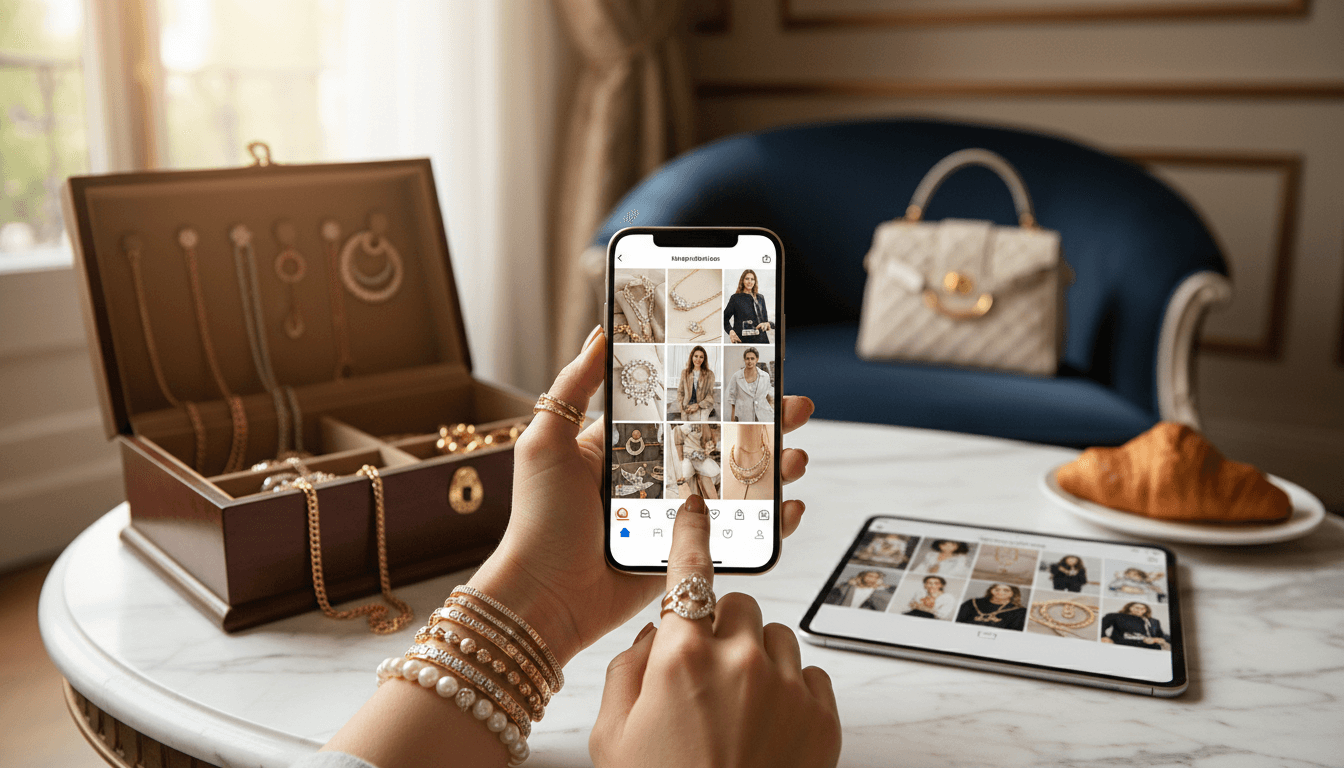
Luxury Jewelry Marketing Transformed: The Social Media Revolution
Social media is fundamentally reshaping luxury jewelry marketing by enabling direct engagement with younger, digitally-native consumers. Brands are adopting influencer collaborations, social commerce integrations, and immersive digital storytelling to create personalized experiences. This shift from traditional advertising to interactive platforms has accelerated discovery and purchasing, with 68% of luxury jewelry buyers under 35 citing social media as their primary discovery channel. The transformation emphasizes authenticity and accessibility while maintaining brand exclusivity.
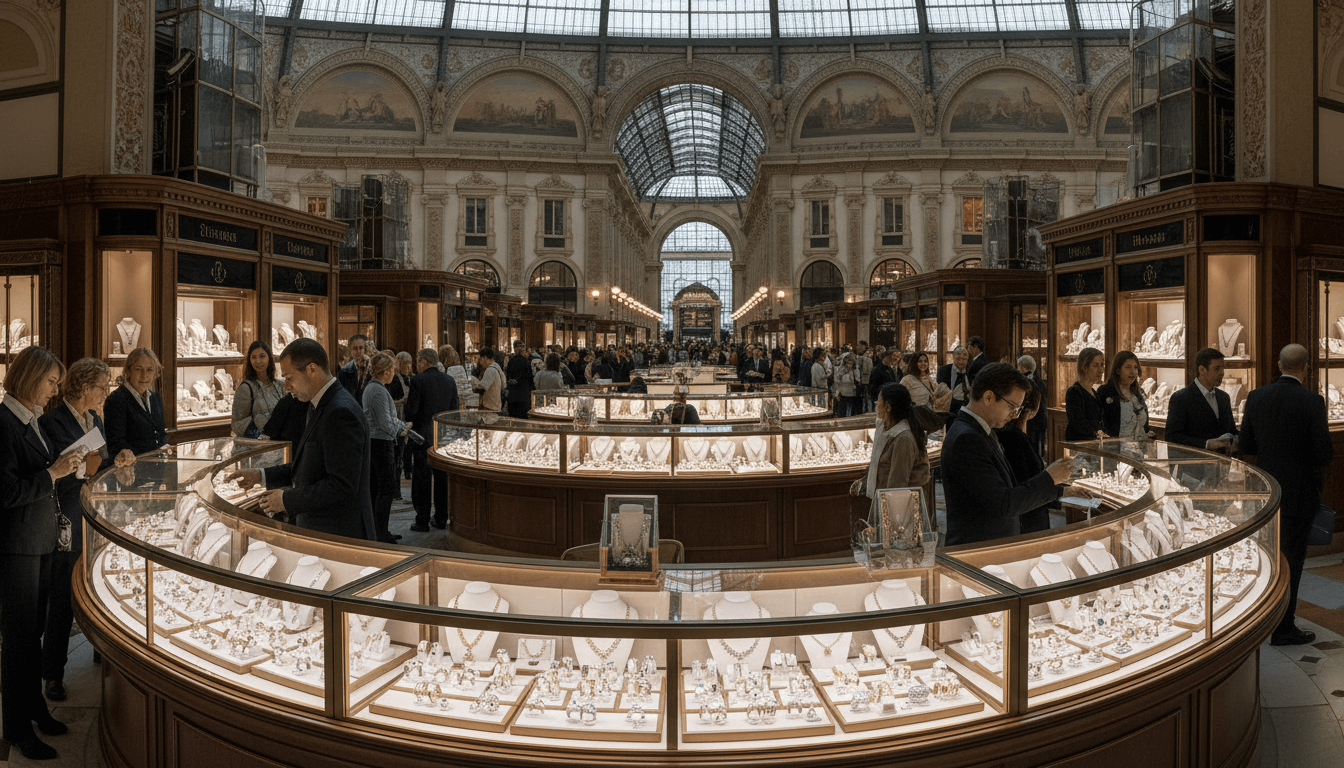
Luxury Jewelry Market Economic Outlook: Growth, Challenges, and Future Projections
The global luxury jewelry market is poised for steady expansion, with projections indicating a 3.76% CAGR from 2025 to 2033. Key drivers include rising disposable incomes, evolving consumer behaviors, and robust opportunities in emerging economies. Despite economic headwinds, the market's resilience and adaptability continue to attract investment and innovation, reinforcing its position within the broader luxury goods sector, which was valued at USD 286.10 billion in 2024.