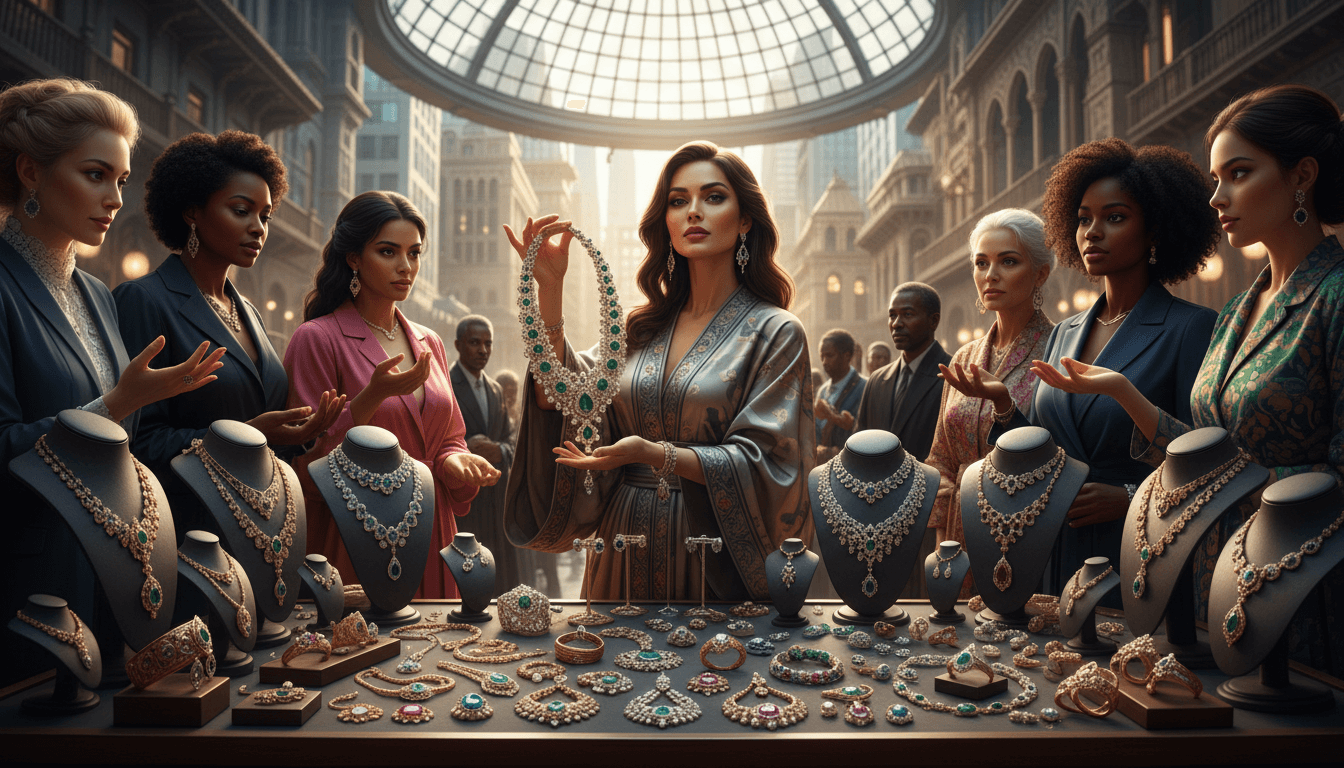
The global luxury jewelry sector is undergoing a significant transformation, with emerging markets emerging as pivotal growth engines. According to Stellar Market Research, countries such as China, India, and Indonesia are at the forefront of this shift, driven by socioeconomic factors including rising disposable incomes and rapid urbanization. This article delves into the dynamics fueling luxury jewelry consumption in these regions, examines brand strategies tailored to local preferences, and highlights the implications for the broader luxury industry. As traditional markets mature, the focus on emerging economies is reshaping competitive landscapes and consumer engagement models.
In-Depth Analysis
Growth Drivers in Emerging Markets
The expansion of luxury jewelry consumption in emerging markets is underpinned by several key factors. Rising disposable income is a primary catalyst; in China, for instance, per capita disposable income has grown by over 8% annually, enabling millions to access premium goods. Urbanization amplifies this effect, with metropolitan areas in India and Indonesia seeing a concentration of affluent consumers who aspire to luxury lifestyles. Additionally, a burgeoning middle class—projected to reach 1.2 billion in Asia by 2030—is driving demand for status symbols like high-end jewelry. Cultural shifts, such as the increasing celebration of milestones with luxury purchases, further accelerate growth. These elements combine to create a robust ecosystem for luxury brands seeking new revenue streams.
Key Markets: China, India, and Indonesia
China leads the pack with a luxury jewelry market valued at approximately $90 billion, fueled by digital adoption and a preference for branded pieces. Brands like Cartier and Tiffany & Co. have capitalized on this through e-commerce partnerships and localized collections. India follows closely, with a market size of around $15 billion, driven by gold's cultural significance and a young, aspirational population. Indonesia, though smaller, is growing at over 10% annually, with urbanization in cities like Jakarta spurring demand. Each market presents unique opportunities: China's tech-savvy consumers favor online engagement, India's tradition-rich buyers value craftsmanship, and Indonesia's emerging affluent class seeks international brands for social validation.
Brand Strategies for Market Penetration
To succeed in emerging markets, luxury jewelry brands are deploying multifaceted strategies. Localization is critical; for example, brands incorporate regional motifs and materials, such as jade in China or Kundan in India, to resonate with cultural identities. Digital transformation is another pillar, with investments in social media campaigns and virtual try-ons to engage younger demographics. Partnerships with local retailers and influencers help build trust, while pop-up stores in high-traffic urban centers increase accessibility. Additionally, brands are tailoring pricing tiers to cater to varying income levels, ensuring broader appeal without diluting luxury perception. These approaches enable brands to navigate diverse consumer behaviors and regulatory landscapes effectively.
Challenges and Future Outlook
Despite promising growth, challenges persist. Economic volatility, such as currency fluctuations in Indonesia, can impact purchasing power. Supply chain complexities and counterfeit products also pose risks. However, the long-term outlook remains positive; by 2030, emerging markets are expected to account for over 50% of global luxury jewelry sales. Innovations like sustainable sourcing and AI-driven personalization will further drive engagement. Brands that prioritize agility and deep market insights will lead this evolution, turning emerging economies into enduring profit centers.
Key Takeaways
Emerging markets are critical growth drivers for luxury jewelry, with China, India, and Indonesia leading consumption.
Rising disposable incomes and urbanization are primary enablers, supported by a expanding middle class.
Successful brands leverage localization, digital tools, and cultural resonance to capture market share.
Future growth hinges on addressing economic and logistical challenges while embracing innovation.
Frequently Asked Questions
What are the main drivers of luxury jewelry growth in emerging markets?
Key drivers include rising disposable incomes, rapid urbanization, and a growing middle class that aspires to luxury lifestyles, as highlighted by Stellar Market Research.
How are brands adapting to markets like China and India?
Brands are localizing products with cultural elements, investing in digital marketing, and forming partnerships with local retailers to build trust and relevance.
What challenges do luxury jewelry brands face in these regions?
Challenges include economic instability, supply chain issues, and competition from counterfeit goods, requiring agile strategies and robust risk management.
How significant is the middle class in emerging market growth?
The middle class is pivotal, projected to exceed 1 billion in Asia alone, driving demand for luxury goods as symbols of success and social mobility.
Conclusion
The rise of emerging markets in luxury jewelry consumption represents a paradigm shift for the global industry. With China, India, and Indonesia at the helm, fueled by economic and demographic trends, brands must innovate and adapt to thrive. By embracing localization, digital engagement, and strategic partnerships, the luxury sector can harness this growth to build sustainable futures. As these markets evolve, they will not only redefine consumer patterns but also set new standards for excellence in luxury retail.
Tags
Related Articles
Sustainability in Luxury Jewelry: Ethical Sourcing, Transparent Supply Chains, and Eco-Conscious Production
With environmental consciousness reshaping the luxury jewelry market, brands are prioritizing sustainability through ethically sourced materials, transparent supply chains, and eco-friendly production. Research indicates a surge in consumer demand for responsible luxury, driving brands to invest in sustainable practices. This article delves into the market dynamics, key innovations, and the profound impact of these trends on brand reputation and growth, offering insights into the future of high-end jewelry.
Cultural Influences in Luxury Jewelry Design: A Global Perspective
Luxury jewelry design is evolving through the integration of global cultural inspirations, fostering diverse design narratives and inclusive approaches. Brands are drawing from traditions, artistic movements, and fashion trends to create collections with broad appeal, expanding market reach and consumer engagement worldwide. This trend enhances creativity and resonates with a multicultural audience, positioning luxury jewelry as a bridge between heritage and modernity.
Luxury Jewelry Marketing Transformed: The Social Media Revolution
Social media is fundamentally reshaping luxury jewelry marketing by enabling direct engagement with younger, digitally-native consumers. Brands are adopting influencer collaborations, social commerce integrations, and immersive digital storytelling to create personalized experiences. This shift from traditional advertising to interactive platforms has accelerated discovery and purchasing, with 68% of luxury jewelry buyers under 35 citing social media as their primary discovery channel. The transformation emphasizes authenticity and accessibility while maintaining brand exclusivity.
Luxury Jewelry Market Economic Outlook: Growth, Challenges, and Future Projections
The global luxury jewelry market is poised for steady expansion, with projections indicating a 3.76% CAGR from 2025 to 2033. Key drivers include rising disposable incomes, evolving consumer behaviors, and robust opportunities in emerging economies. Despite economic headwinds, the market's resilience and adaptability continue to attract investment and innovation, reinforcing its position within the broader luxury goods sector, which was valued at USD 286.10 billion in 2024.
Rings and Engagement Jewelry Market: Trends, Growth, and Innovations
The rings segment dominates the luxury jewelry market, accounting for 33.8% of global revenue in 2024. Driven by emotional and cultural significance, this sector is evolving with trends such as gender-neutral engagement rings and advanced customization options. Key growth areas include innovative designs that cater to diverse consumer preferences, reinforcing the enduring appeal of rings in ceremonies and personal expression. This article explores market dynamics, key drivers, and future outlook based on industry data.
Luxury Jewelry Marketing Strategies: Evolving Digital Narratives and Experiential Engagement
The luxury jewelry sector is transforming its marketing approaches by prioritizing emotional resonance and brand loyalty through digital innovation, storytelling, and experiential strategies. Brands are leveraging integrated social media campaigns to foster deeper consumer connections, moving beyond traditional advertising to create immersive brand experiences that resonate with high-net-worth audiences globally. This shift emphasizes authenticity and personalization, driving engagement and long-term value in a competitive market.