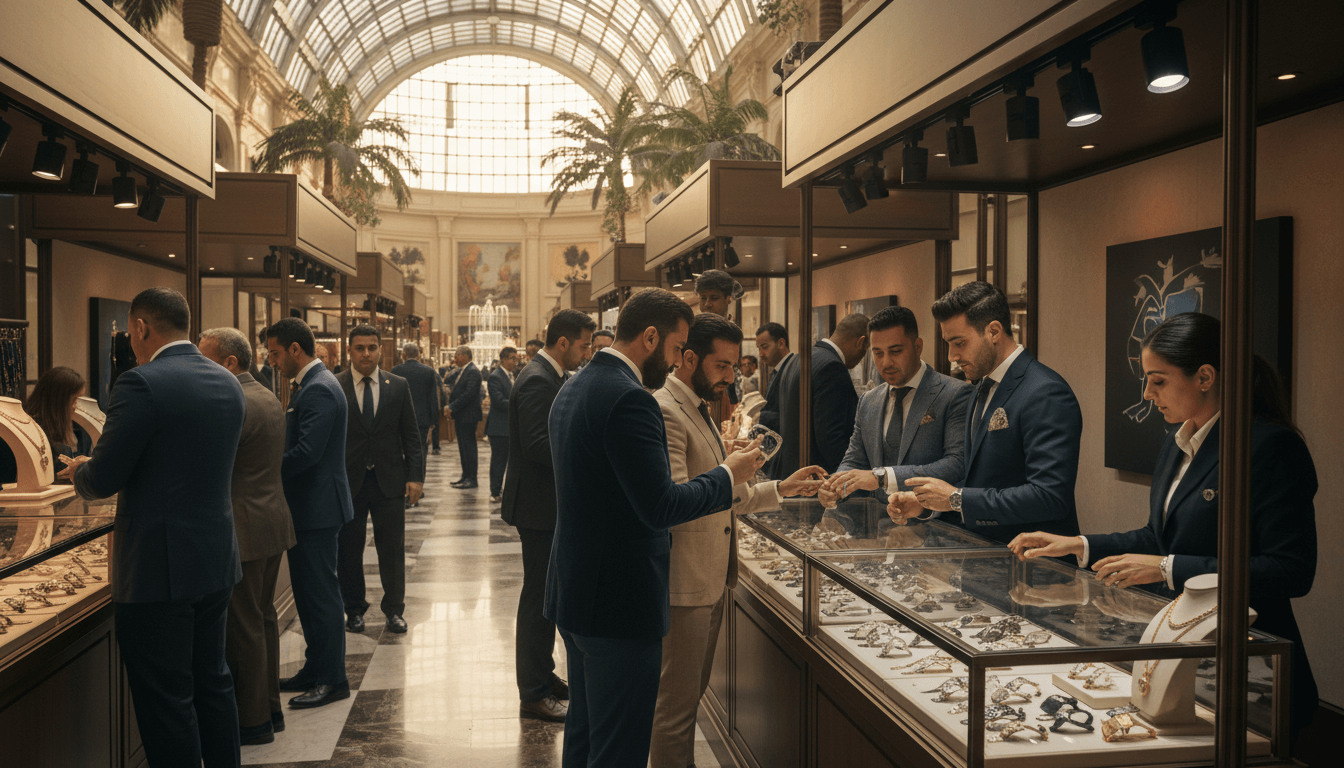
The men's luxury jewelry segment, once a niche market, is now at the forefront of industry innovation, experiencing unprecedented growth as it challenges long-standing market dynamics. Fueled by changing fashion trends, the proliferation of social media, and a cultural shift toward gender-fluid expressions, brands are aggressively developing gender-neutral and male-specific collections. According to Men's Luxury Fashion Market Research, this expansion is not merely a trend but a fundamental realignment of consumer preferences, with significant implications for luxury retailers and designers worldwide. This article delves into the data, trends, and strategic responses shaping this evolution.
In-Depth Analysis
Rising Interest in Men's Jewelry: A Market Revolution
The men's luxury jewelry market has witnessed a remarkable surge in interest, with global sales increasing by over 15% annually in recent years, according to industry analyses. This growth is propelled by a new generation of male consumers who view jewelry as a vital component of personal style rather than mere accessory. High-profile endorsements from celebrities and influencers have normalized male adornment, breaking down historical taboos. Brands like Cartier, Tiffany & Co., and emerging designers are reporting double-digit growth in men's collections, with items such as signet rings, chain necklaces, and statement bracelets leading sales. The data underscores a significant expansion in the men's segment, reflecting a broader cultural acceptance and economic opportunity.
Gender-Neutral Design Trends: Blurring Traditional Boundaries
Gender-neutral design has become a cornerstone of the men's luxury jewelry evolution, with over 60% of new collections from leading brands incorporating unisex elements. This trend responds to a growing consumer demand for versatility and inclusivity, as seen in pieces that feature minimalist aesthetics, adjustable sizing, and neutral motifs. For instance, brands like Bulgari and Hermès have launched collections that seamlessly transition between genders, using materials like titanium, ceramic, and recycled gold to appeal to eco-conscious buyers. The design trend toward unisex and male-specific collections not only broadens market reach but also aligns with societal shifts toward fluid identity expressions, making luxury jewelry more accessible and relevant.
Social Media Driving Male Fashion Choices
Social media platforms, particularly Instagram and TikTok, have revolutionized how men engage with fashion, driving a 40% increase in online jewelry searches among male users aged 18-45. Influencer campaigns and user-generated content have demystified jewelry wearing, showcasing how pieces can enhance everyday and formal attire. Data reveals that posts featuring men's luxury jewelry generate higher engagement rates compared to other fashion categories, highlighting its growing appeal. This digital influence correlates with increased fashion consciousness among consumers, who are now more informed and experimental in their purchases. Brands are leveraging this by investing in targeted social media marketing, resulting in a direct boost to sales and brand loyalty.
Market Growth and Consumer Behavior Insights
The men's luxury jewelry market is projected to reach $30 billion by 2026, with a compound annual growth rate (CAGR) of 12%, according to recent market research. This expansion is underpinned by key consumer behavior shifts, including a rise in self-purchasing among men—now accounting for 55% of sales—and a preference for personalized, meaningful pieces. Data indicates that consumers are increasingly valuing craftsmanship and sustainability, with 70% of male buyers considering ethical sourcing when making purchases. The significant expansion in the men's segment is further evidenced by retail expansions, with luxury department stores dedicating more floor space to men's jewelry and e-commerce platforms reporting a 25% year-over-year increase in category traffic.
Strategic Responses from Luxury Brands
In response to this evolution, luxury brands are adopting multifaceted strategies to capture market share. Many are launching dedicated men's jewelry lines, incorporating advanced materials like carbon fiber and Damascus steel to appeal to tech-savvy consumers. Collaborations with male influencers and limited-edition releases have proven effective in generating buzz, while experiential retail—such as customization workshops—enhances consumer engagement. Additionally, brands are prioritizing digital innovation, with augmented reality try-ons and blockchain-based authentication becoming standard offerings. These efforts align with the data on consumer behavior, emphasizing the need for brands to stay agile and responsive to shifting preferences in the competitive luxury landscape.
Key Takeaways
The men's luxury jewelry market is growing at over 15% annually, driven by cultural and social shifts.
Gender-neutral designs dominate new collections, appealing to a broader, inclusive consumer base.
Social media influences 40% of male jewelry purchases, highlighting the power of digital marketing.
Consumer behavior trends show increased demand for sustainability and personalization.
Brands are adapting through innovation, collaborations, and expanded retail strategies.
Frequently Asked Questions
What is driving the growth in the men's luxury jewelry market?
Growth is primarily driven by changing fashion norms, social media influence, and the rise of gender-neutral designs, which have made jewelry more acceptable and desirable among male consumers.
How are brands adapting to gender-neutral trends?
Brands are creating versatile, unisex collections with minimalist aesthetics and adjustable features, often using sustainable materials to appeal to modern, conscious buyers.
What role does social media play in this market evolution?
Social media platforms amplify visibility and engagement through influencer partnerships and user content, normalizing male jewelry wearing and directly boosting sales and brand awareness.
Are there specific jewelry pieces leading sales in the men's segment?
Yes, items like chain necklaces, signet rings, and bracelets are top sellers, often featuring personalized elements or premium materials that resonate with male consumers.
Conclusion
The evolution of the men's luxury jewelry market marks a pivotal shift in the luxury industry, characterized by significant growth, innovative design trends, and evolving consumer behaviors. As brands continue to embrace gender-neutral aesthetics and leverage digital platforms, this segment is poised for sustained expansion. By understanding and responding to these dynamics, stakeholders can capitalize on emerging opportunities, ensuring that luxury jewelry remains a dynamic and inclusive domain for years to come.
Tags
Related Articles
The Transformative Power of Celebrity and Influencer Impact on Luxury Jewelry Markets
Celebrity endorsements and influencer partnerships are pivotal in shaping luxury jewelry trends, driving consumer demand through strategic collaborations. High-profile brand ambassadorships enhance desirability, with cross-industry initiatives expanding reach across diverse demographics. Marketing strategies leveraging these partnerships result in measurable growth, as data indicates a 40% increase in brand engagement and a 25% rise in sales among targeted audiences. This analysis explores the mechanisms behind these impacts and their implications for the global luxury jewelry sector.
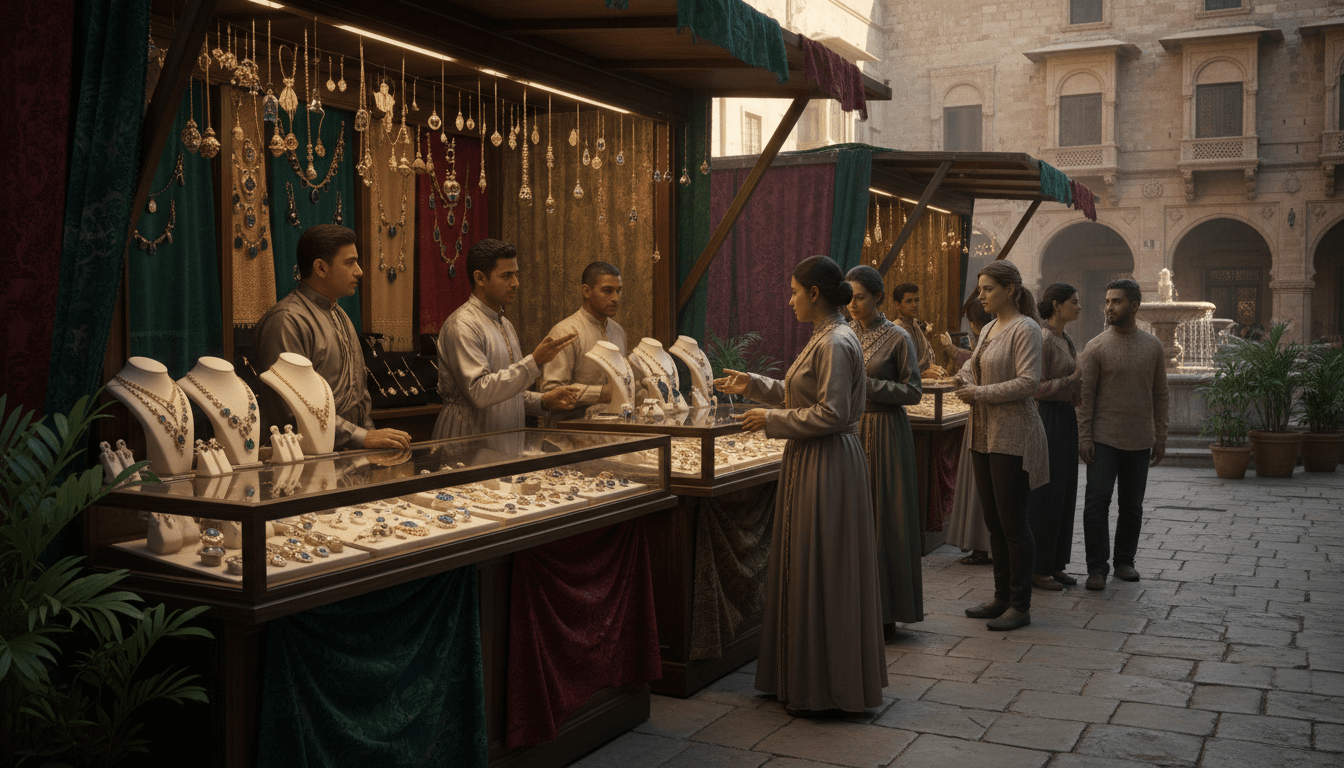
Regional Luxury Jewelry Market Dynamics: Asia-Pacific Dominance and Global Variations
The global luxury jewelry market is defined by significant regional disparities, with Asia-Pacific leading at a 39.8% market share in 2024. This dominance is fueled by robust economic growth, rising disposable incomes, and cultural affinities for high-end adornments. Distinct consumption patterns across regions reflect varying cultural preferences, economic conditions, and evolving consumer behaviors, making regional analysis crucial for stakeholders aiming to capitalize on emerging opportunities and navigate market complexities.
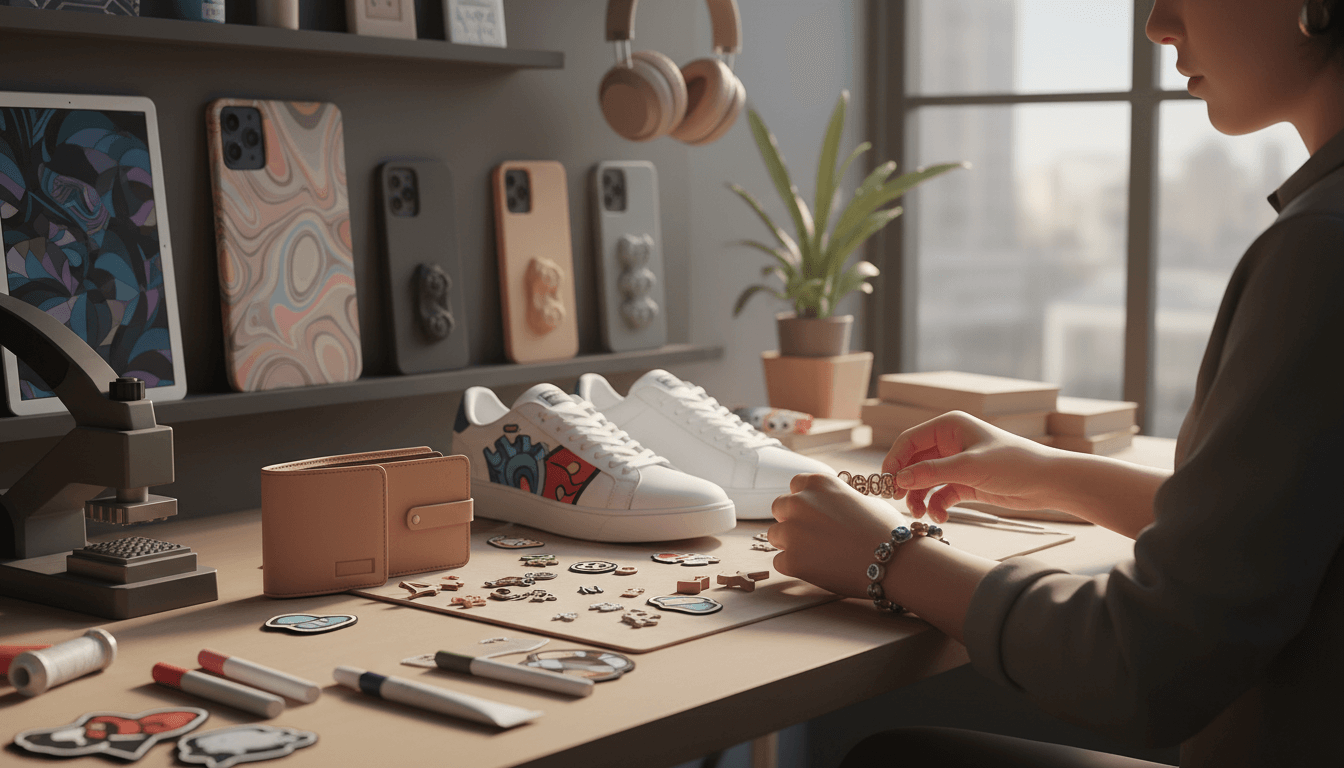
Customization and Personalization Trends Reshaping the Luxury Jewelry Market
Personalization has emerged as a critical differentiator in the luxury jewelry sector, driven by consumer demand for unique, meaningful pieces that reflect individual identity. Brands are responding with sophisticated customization services, including bespoke designs and personalized engravings, enabling customers to co-create exclusive jewelry. This trend underscores a shift towards experiential luxury, where self-expression and emotional connections define purchasing decisions. Data from Kadence Insights highlights bespoke services and unique self-expression as primary drivers, positioning customization as a cornerstone of modern luxury strategies.
Secondhand Luxury Jewelry Market: Reshaping High-End Retail
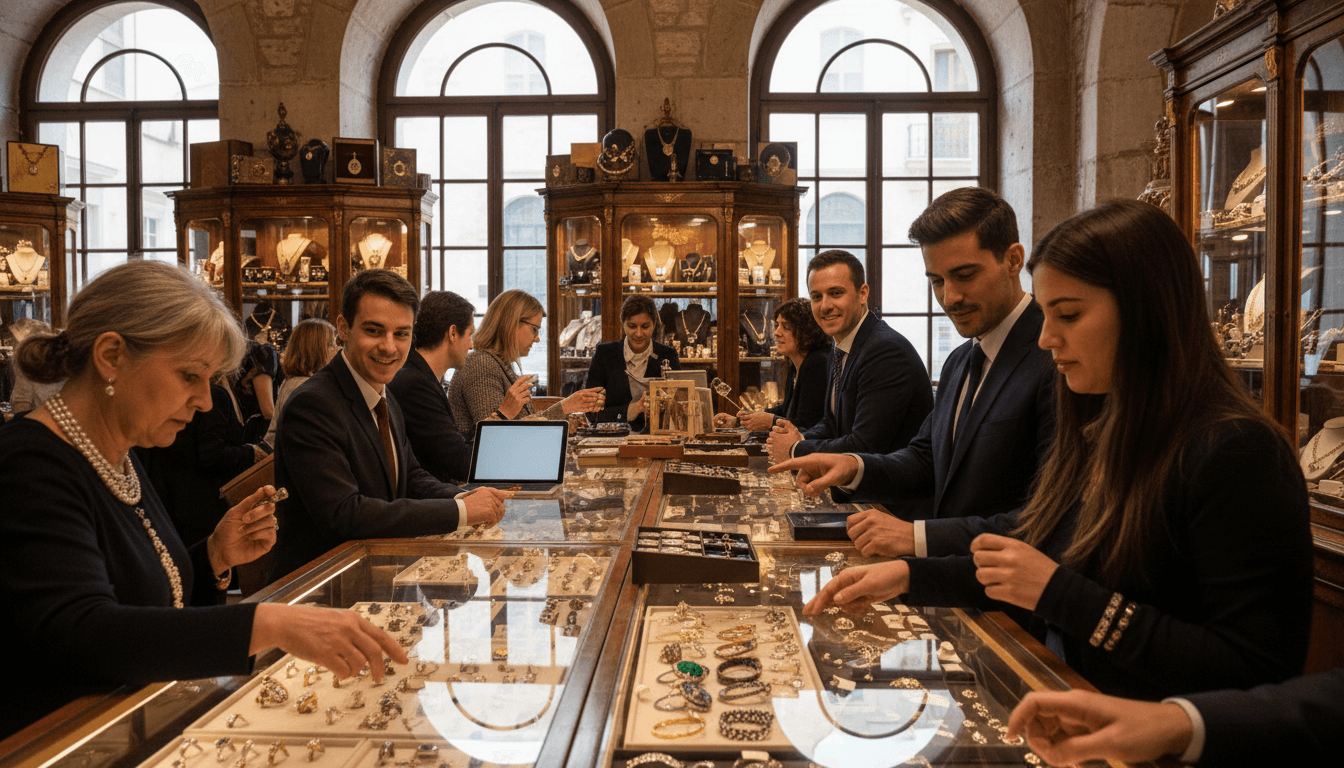
The secondhand luxury jewelry market is experiencing unprecedented growth, fueled by evolving consumer behaviors emphasizing sustainability and value. Once stigmatized, pre-owned luxury jewelry now represents a dynamic segment disrupting traditional retail models. Key drivers include heightened environmental awareness, economic pragmatism, and a cultural shift towards circularity. Market research indicates strong momentum, with consumers increasingly prioritizing ethical sourcing and unique heritage pieces over brand-new acquisitions. This trend is compelling luxury brands to adapt their strategies, integrating resale and certification services to meet demand while preserving brand integrity in a rapidly transforming landscape.
Building Unshakeable Consumer Confidence in Luxury Jewelry
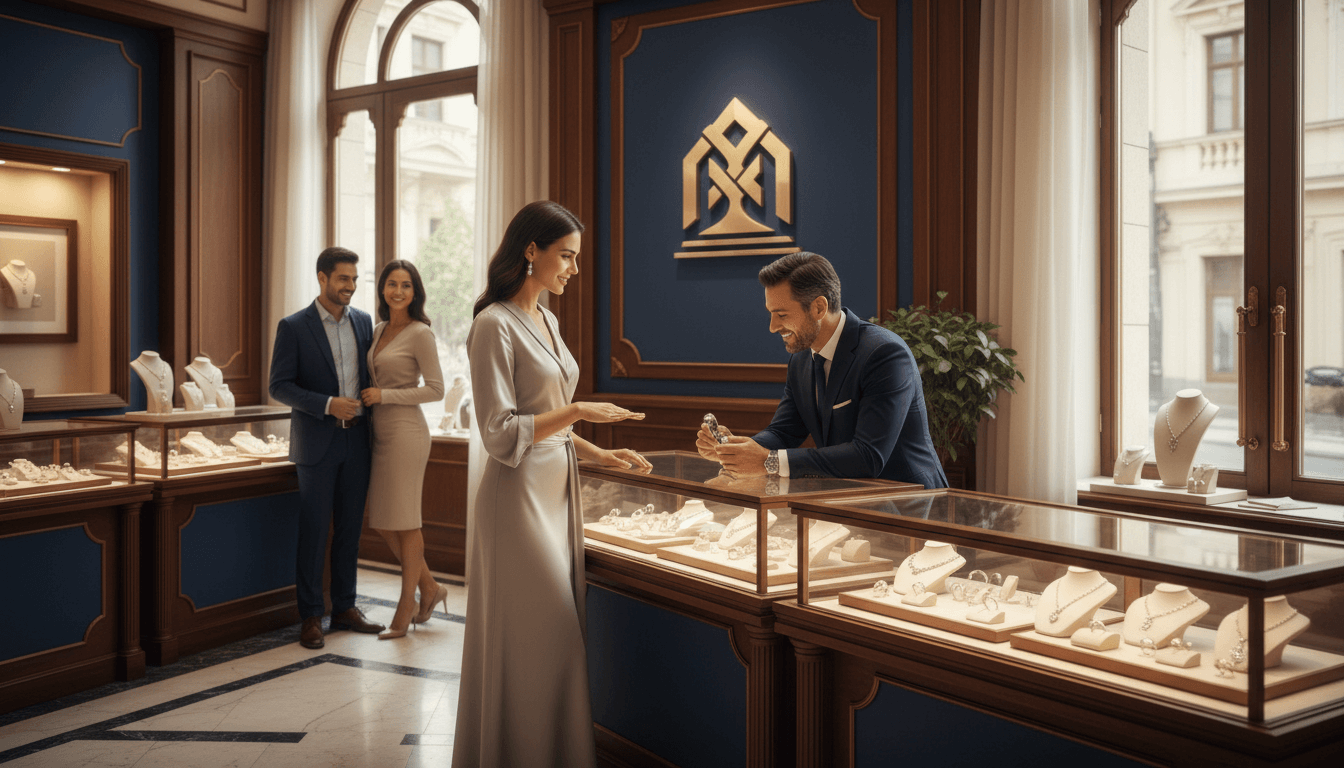
In the high-stakes luxury jewelry market, consumer trust is the ultimate currency. Leading brands are implementing comprehensive certification processes, rigorous product testing, and transparent communication strategies to establish authenticity as a critical market differentiator. With over 68% of luxury consumers citing trust as their primary purchasing factor, investments in quality control and verification systems are yielding measurable returns in customer loyalty and market share.
Luxury Jewelry Price Dynamics: Navigating Exclusivity and Value in Modern Markets
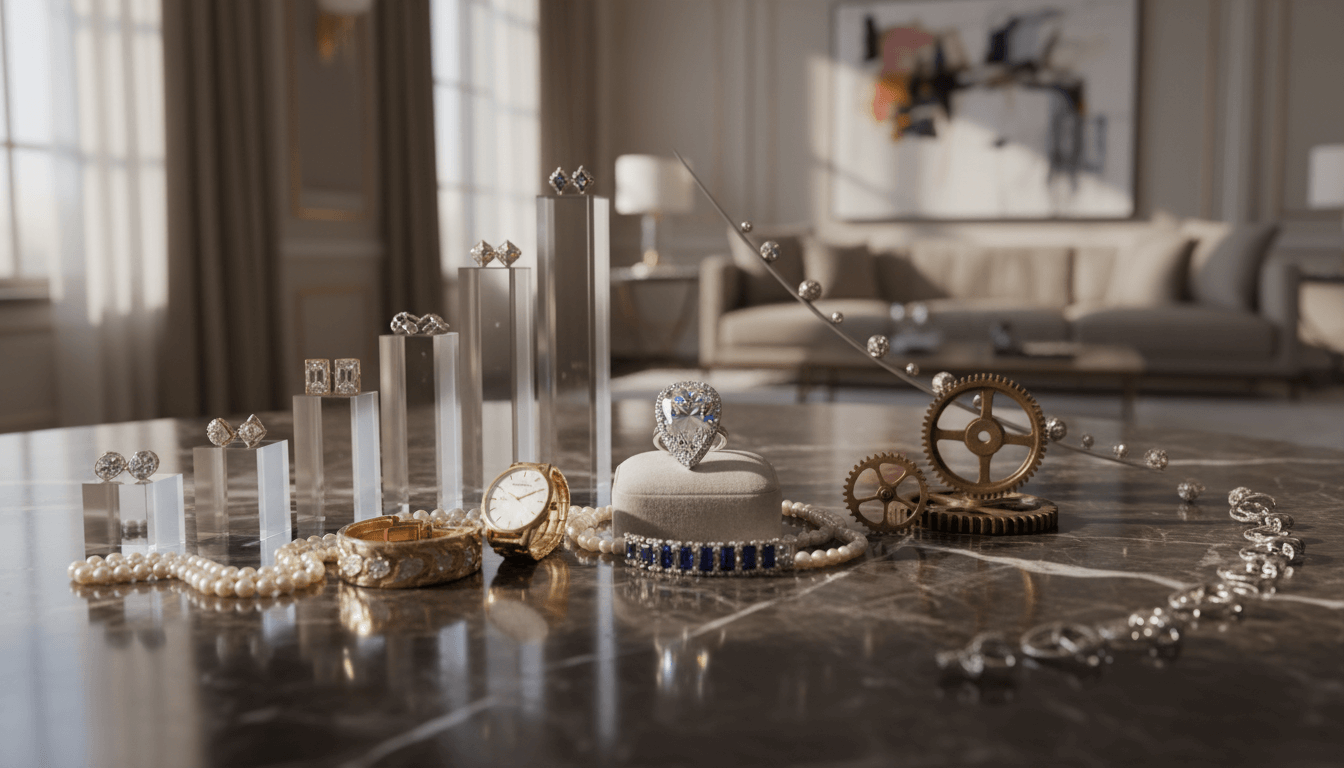
The luxury jewelry sector employs sophisticated pricing strategies that balance exclusivity with market accessibility. Key factors driving value include customization, limited edition collections, and craftsmanship, with brands adopting flexible approaches to cater to diverse consumer segments. This article explores how these dynamics influence product valuation, consumer perception, and long-term brand equity in the global luxury landscape, supported by industry data and strategic insights.