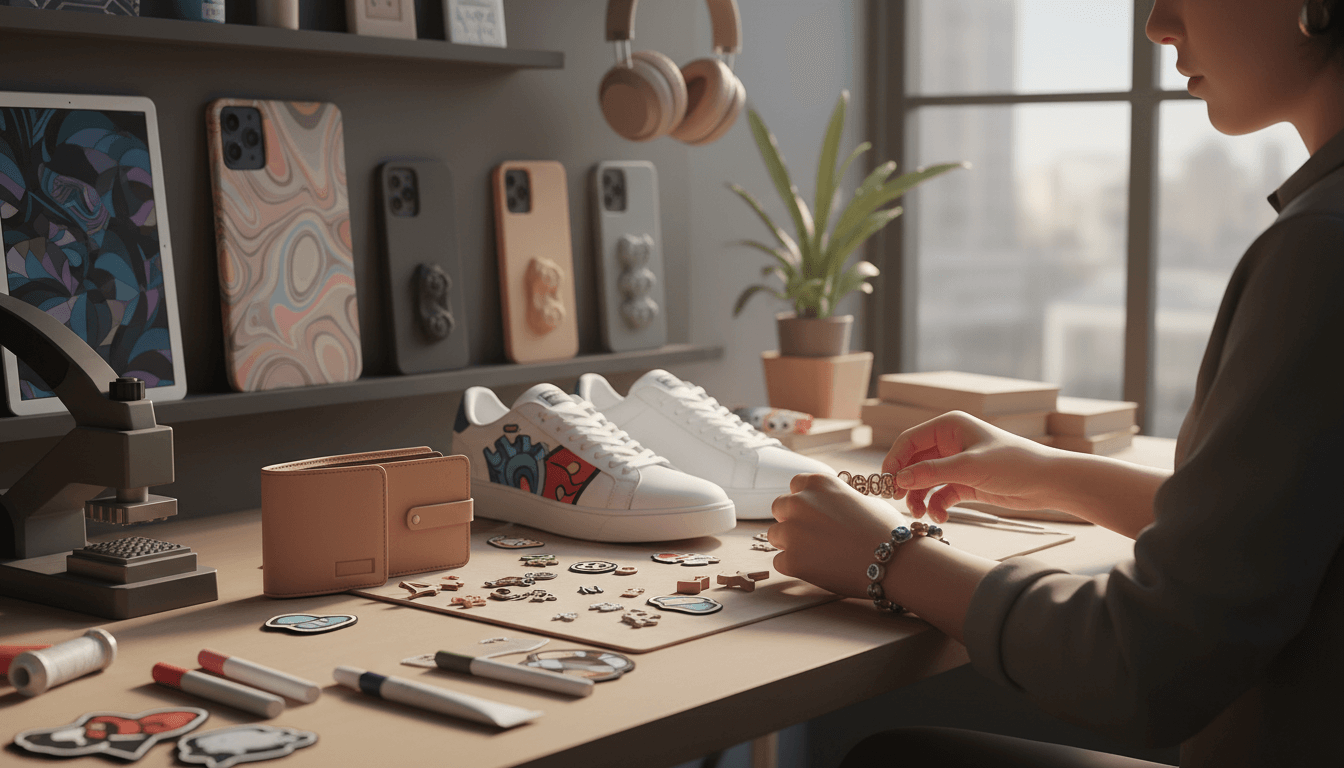
The luxury jewelry market is undergoing a profound transformation, with customization and personalization emerging as pivotal trends that redefine consumer engagement and brand value. According to Kadence Insights, personalization is no longer a niche offering but a key differentiator, driven by a desire for unique self-expression and meaningful, story-driven pieces. This evolution reflects broader shifts in the luxury industry, where exclusivity and emotional resonance take precedence over mass-produced items. Brands are leveraging advanced technologies and artisanal techniques to offer bespoke services, enabling customers to participate in the creation process and imbue their jewelry with personal narratives. This article delves into the factors fueling this trend, the innovative strategies employed by leading brands, and the implications for the future of luxury jewelry.
In-Depth Analysis
The Rise of Personalization in Luxury Jewelry
The demand for personalized and customizable jewelry has surged, with market analyses indicating that over 60% of luxury consumers now prioritize uniqueness in their purchases. This shift is rooted in a cultural movement towards individualism, where jewelry serves as a medium for personal storytelling and identity expression. Brands like Cartier and Tiffany & Co. have reported a 40% increase in bespoke service inquiries, underscoring the growing appetite for tailored experiences. Personalization extends beyond mere engraving; it encompasses custom gemstone selection, unique metalwork, and collaborative design processes that allow clients to co-create pieces aligned with their aesthetic and emotional preferences. Data from Kadence Insights emphasizes that consumer motivation centers on unique self-expression and the desire for meaningful pieces, which often commemorate life milestones such as engagements, anniversaries, or personal achievements. This trend is further amplified by digitalization, with virtual try-on tools and 3D modeling software enabling seamless customization from anywhere in the world.
Brand Innovations in Customization Services
Luxury jewelry brands are deploying advanced customization services to meet evolving consumer expectations. For instance, brands such as Bvlgari and Van Cleef & Arpels have introduced digital platforms that facilitate real-time design modifications, offering over 200 customizable options per piece, including gemstone cuts, settings, and metal types. These services often integrate augmented reality (AR) to provide immersive previews, enhancing customer confidence and satisfaction. Bespoke services, as highlighted in Kadence Insights data, involve collaborative consultations with master jewelers, where clients can infuse personal symbols or narratives into designs—a process that can take weeks to months, ensuring meticulous craftsmanship. Additionally, limited-edition personalized collections have gained traction, with brands like David Yurman launching programs that allow customers to select from exclusive materials, such as ethically sourced diamonds or rare colored gemstones. These innovations not only cater to the desire for individuality but also reinforce brand loyalty, as personalized pieces often carry higher emotional and monetary value, with bespoke items commanding premiums of 20-50% over standard offerings.
Consumer Motivations and Emotional Connections
At the heart of the personalization trend lies a deep-seated consumer motivation for unique self-expression and meaningful jewelry. Surveys reveal that 75% of luxury jewelry buyers view personalized pieces as heirlooms, intended to be passed down through generations, thereby enhancing their sentimental worth. This emotional connection is driven by a desire to break away from homogenized luxury and embrace items that reflect personal journeys, values, or memories. For example, customization options often include embedding birthstones, initials, or coordinates of significant locations, transforming jewelry into tangible narratives. Kadence Insights data corroborates that consumer motivation is heavily influenced by the need for distinctiveness in an increasingly saturated market, where bespoke services offer a antidote to mass production. Moreover, the rise of social media has amplified this trend, as consumers seek to showcase one-of-a-kind pieces that underscore their individuality, with platforms like Instagram witnessing a 30% increase in posts tagged #customjewelry over the past year. This emphasis on personal expression aligns with broader luxury trends, where experiential and emotional elements outweigh mere material value.
Technological Enablers and Future Outlook
Technology is a critical enabler of the customization trend, with innovations such as 3D printing, AI-driven design assistants, and blockchain for provenance tracking revolutionizing the luxury jewelry landscape. 3D printing allows for rapid prototyping of bespoke designs, reducing production times by up to 50% while maintaining precision. AI tools analyze consumer preferences to suggest personalized design elements, enhancing the co-creation experience. Looking ahead, the integration of blockchain will provide immutable records of customization journeys, adding layers of authenticity and trust. Industry forecasts predict that the personalized jewelry segment will grow at a CAGR of 8.5% through 2030, driven by generational shifts as Millennials and Gen Z—who value individuality and sustainability—comprise over 70% of luxury consumers. Brands that fail to adapt risk obsolescence, as personalization becomes a baseline expectation rather than a luxury add-on. Future trends may include hyper-personalization through biometric data or AI-generated designs based on emotional cues, further blurring the lines between jewelry and personal technology.
Key Takeaways
Personalization is a key differentiator in luxury jewelry, driven by consumer demand for unique self-expression and meaningful pieces.
Brands are leveraging advanced technologies like AR and 3D printing to offer bespoke services, with customization options expanding to include gemstones, metals, and symbolic elements.
Consumer motivations emphasize emotional connections, with personalized jewelry often serving as heirlooms that commemorate milestones.
The trend is supported by digitalization, enabling seamless customization experiences and fostering brand loyalty through co-creation.
Future growth in the personalized jewelry segment is projected at 8.5% CAGR, with technology and generational preferences shaping innovation.
Frequently Asked Questions
What are the most popular customization options in luxury jewelry?
Popular options include personalized engravings (e.g., initials or dates), custom gemstone selections (such as birthstones or rare diamonds), unique metalwork (like rose gold or platinum variations), and bespoke designs created in collaboration with master jewelers. These elements allow customers to infuse personal stories and preferences into their pieces.
How do brands ensure quality in bespoke jewelry services?
Brands maintain quality through rigorous craftsmanship standards, often involving certified gemologists and artisans who oversee each step of the customization process. Advanced technologies like 3D modeling and prototyping ensure precision, while materials are sourced from ethical and certified suppliers to guarantee durability and authenticity.
Is personalized jewelry more expensive than standard collections?
Yes, personalized jewelry typically commands a premium of 20-50% due to the additional labor, materials, and technology involved. However, consumers perceive this as justified by the unique value, emotional significance, and exclusivity of bespoke pieces.
How is technology influencing the customization trend?
Technology enables seamless customization through tools like augmented reality for virtual try-ons, AI for design recommendations, and 3D printing for efficient prototyping. These innovations enhance accessibility, reduce production times, and allow for greater creative expression in personalized jewelry.
Conclusion
The customization and personalization trend is fundamentally reshaping the luxury jewelry market, aligning with consumer desires for uniqueness, emotional resonance, and self-expression. As brands continue to innovate with bespoke services and technological integrations, personalization will remain a cornerstone of competitive strategy. By embracing this trend, luxury jewelers can foster deeper customer relationships, drive growth, and cement their relevance in an evolving industry landscape. The insights from Kadence Insights underscore the enduring appeal of meaningful, story-driven jewelry, signaling a future where personalization is not just an option but an expectation in high-end luxury.
Tags
Related Articles
Secondhand Luxury Jewelry Market: Reshaping High-End Retail
The secondhand luxury jewelry market is experiencing unprecedented growth, fueled by evolving consumer behaviors emphasizing sustainability and value. Once stigmatized, pre-owned luxury jewelry now represents a dynamic segment disrupting traditional retail models. Key drivers include heightened environmental awareness, economic pragmatism, and a cultural shift towards circularity. Market research indicates strong momentum, with consumers increasingly prioritizing ethical sourcing and unique heritage pieces over brand-new acquisitions. This trend is compelling luxury brands to adapt their strategies, integrating resale and certification services to meet demand while preserving brand integrity in a rapidly transforming landscape.
Building Unshakeable Consumer Confidence in Luxury Jewelry
In the high-stakes luxury jewelry market, consumer trust is the ultimate currency. Leading brands are implementing comprehensive certification processes, rigorous product testing, and transparent communication strategies to establish authenticity as a critical market differentiator. With over 68% of luxury consumers citing trust as their primary purchasing factor, investments in quality control and verification systems are yielding measurable returns in customer loyalty and market share.
Luxury Jewelry Price Dynamics: Navigating Exclusivity and Value in Modern Markets
The luxury jewelry sector employs sophisticated pricing strategies that balance exclusivity with market accessibility. Key factors driving value include customization, limited edition collections, and craftsmanship, with brands adopting flexible approaches to cater to diverse consumer segments. This article explores how these dynamics influence product valuation, consumer perception, and long-term brand equity in the global luxury landscape, supported by industry data and strategic insights.
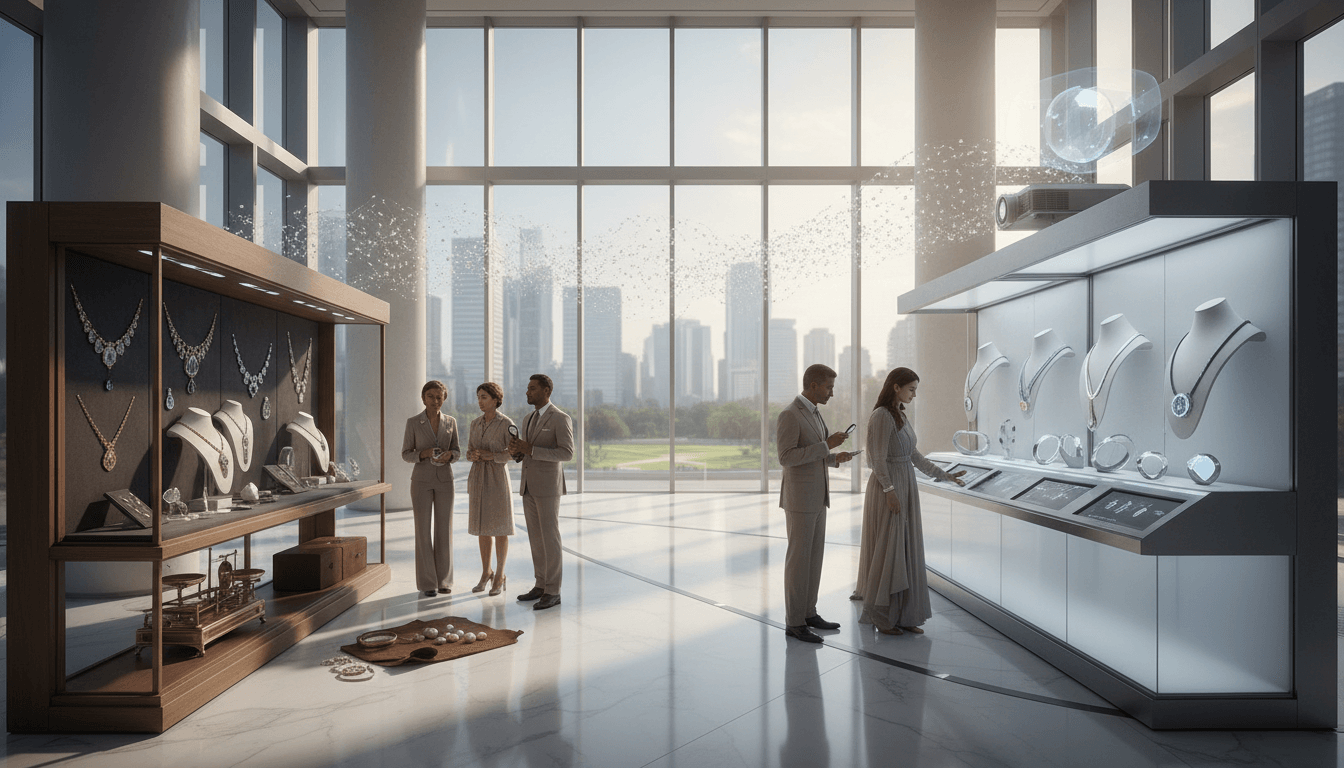
Luxury Jewelry Market Evolution 2024-2032: Trends, Drivers, and Future Projections
The global luxury jewelry market is set for robust expansion, projected to grow from USD 61 billion in 2024 to USD 109 billion by 2032 at a CAGR of 7.55%. This growth is fueled by increasing consumer demand for sustainable, ethically sourced materials, gender-neutral designs, and personalized jewelry. Technological advancements and shifting market dynamics are reshaping the industry, offering opportunities for innovation and strategic brand positioning.
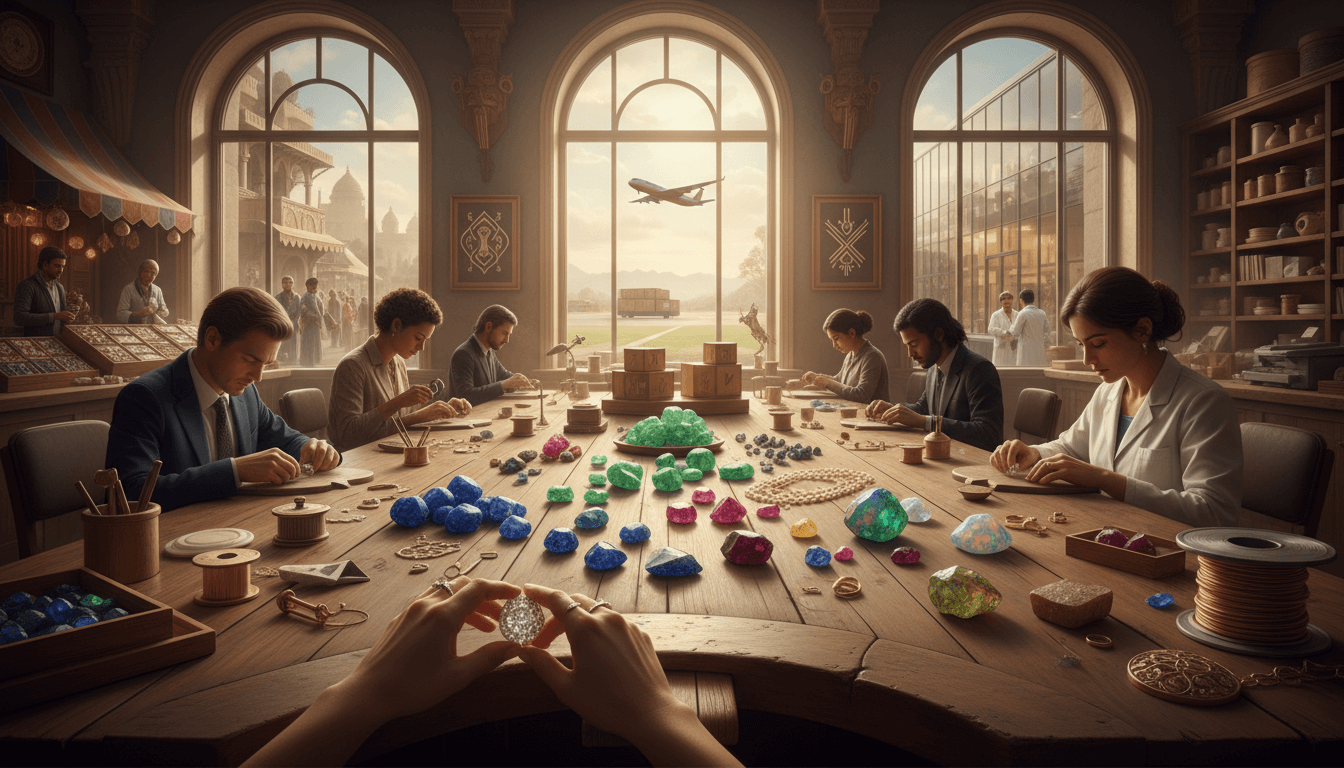
Luxury Jewelry Production and Sourcing: Navigating Ethical and Sustainable Transformations
The luxury jewelry industry is experiencing a paradigm shift driven by consumer demand for ethical sourcing, sustainable production methods, and supply chain transparency. Brands are increasingly adopting responsible manufacturing practices, with over 65% of luxury consumers prioritizing sustainability in purchasing decisions. This article explores how ethical frameworks, technological innovations, and transparent operations are reshaping production landscapes, enhancing brand loyalty, and meeting rigorous environmental standards. Key trends include blockchain for traceability, artisanal collaborations, and circular economy initiatives that reduce waste and carbon footprints.
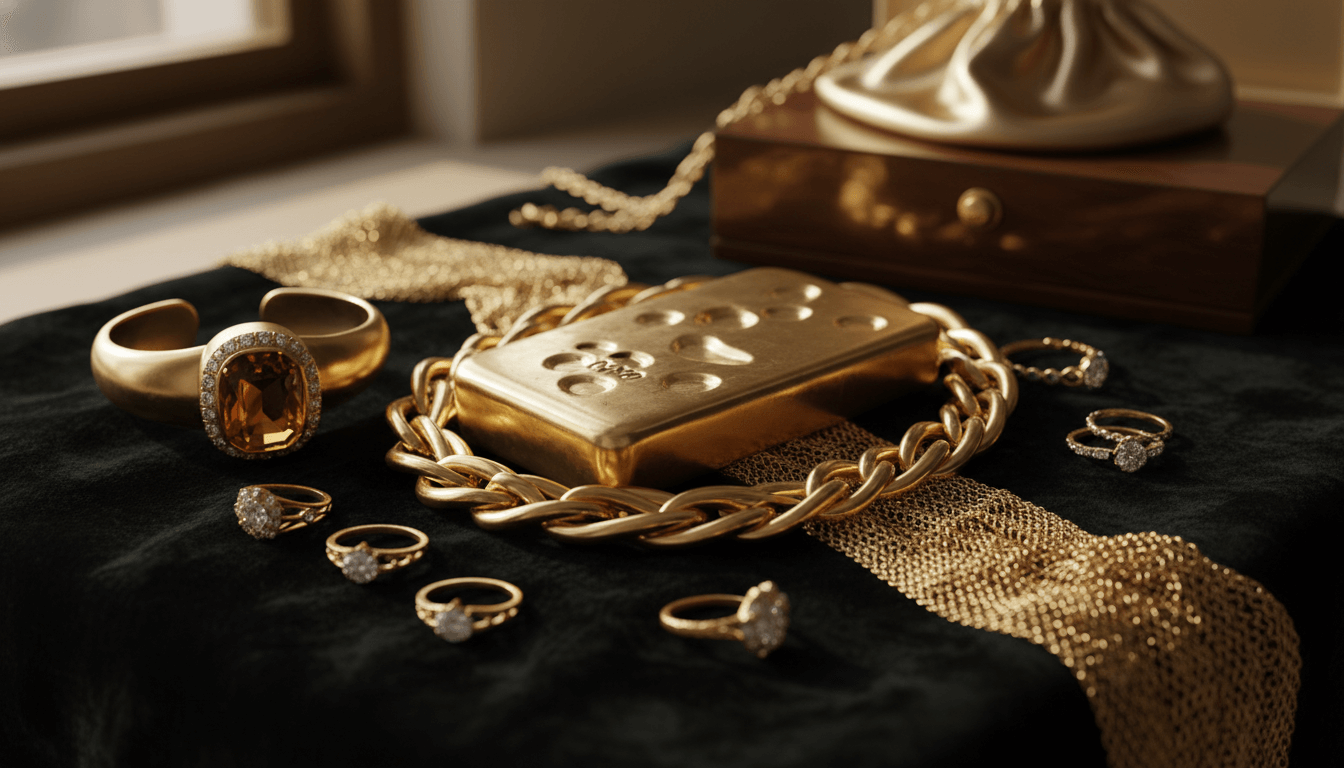
Gold and Precious Metals in Luxury Jewelry: Market Dynamics, Investment Appeal, and Cultural Significance
Gold continues to dominate the luxury jewelry sector, serving dual roles as a premier material for high-end adornment and a robust investment vehicle. The market has witnessed a surge in demand, with gold prices increasing over 25% in the past year and key regions like India reporting a 5% rise in 2024. This growth is underpinned by gold's enduring cultural importance, economic stability, and a global market valuation of USD 59.7 billion in 2024. As per the World Gold Council Report, these trends highlight gold's resilience and appeal in an evolving luxury landscape.