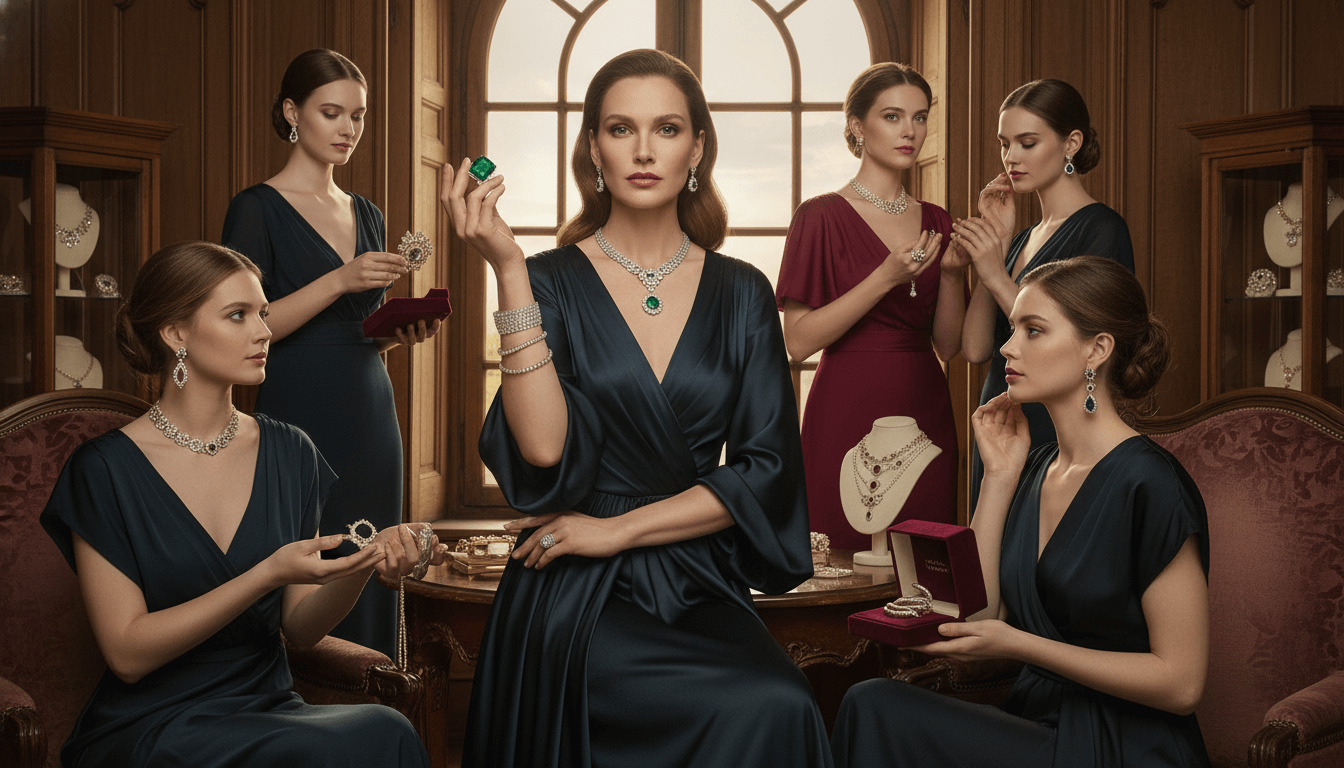
The luxury jewelry market is undergoing a profound transformation, with women emerging as the central architects of its evolution. Historically viewed through the lens of gifting and tradition, the sector now thrives on female-driven purchasing power, accounting for over 70% of luxury jewelry sales globally. This shift is fueled by women's escalating economic independence, with female disposable income growing at an annual rate of 8-10% in key markets such as North America, Europe, and Asia-Pacific. As women gain greater financial autonomy, their consumption patterns are evolving from passive receipt to active acquisition, prioritizing pieces that resonate with personal narratives, professional milestones, and lifestyle versatility. Brands are responding by reimagining design philosophies, moving beyond conventional aesthetics to embrace collections that celebrate diversity, empowerment, and sustainability. This article delves into the multifaceted role of women in the luxury jewelry landscape, examining the economic, social, and creative forces shaping its future.
In-Depth Analysis
Economic Empowerment: The Financial Backbone of Market Growth
Women's economic empowerment is the cornerstone of the luxury jewelry market's expansion. According to Women in Luxury Market Research, female consumers constitute a significant and growing segment, with their economic impact magnified by rising disposable incomes. In 2024 alone, women controlled approximately $31 trillion in global consumer spending, with luxury goods—particularly jewelry—capturing a substantial share. This financial clout is not confined to established markets; emerging economies like China and India are witnessing a surge in female entrepreneurship and corporate leadership, translating into heightened purchasing power. For instance, in China, women under 40 now account for 45% of luxury jewelry sales, often investing in high-value pieces as symbols of professional achievement. This trend is mirrored in Western markets, where self-purchasing among women has increased by 25% over the past five years. Brands are capitalizing on this shift by launching targeted marketing campaigns that emphasize financial independence, such as Cartier's 'Women's Initiative' and Tiffany & Co.'s collaborations with female artists. The result is a market where women are not just consumers but stakeholders, driving innovation and demanding transparency in sourcing and pricing.
Evolving Consumption Patterns: From Occasional Splurges to Curated Collections
The way women engage with luxury jewelry has shifted dramatically, moving from sporadic, occasion-based purchases to continuous, curated acquisitions. Traditional markers like engagements and anniversaries now share space with self-rewarding behaviors, career milestones, and travel mementos. Data indicates that 60% of female luxury jewelry buyers purchase at least one piece annually for personal gratification, with 35% doing so quarterly. This pattern reflects a broader cultural shift where jewelry is increasingly viewed as an extension of personal identity rather than merely decorative. Social media and digital platforms have amplified this trend, with influencers and celebrities normalizing everyday luxury wearing. For example, the 'stacking' trend—layering multiple bracelets or necklaces—encourages repeat purchases and mix-and-match strategies, boosting average transaction values by up to 40%. Additionally, women are prioritizing versatility, seeking pieces that transition seamlessly from boardroom to evening wear. Brands like Bulgari and Van Cleef & Arpels have responded with modular designs, such as convertible necklaces and interchangeable pendants, which appeal to modern, multitasking lifestyles. Sustainability is another critical factor, with 55% of female consumers expressing willingness to pay a premium for ethically sourced gems and recycled metals, pushing brands to adopt greener practices and supply chain traceability.
Design Evolution: Crafting Jewelry for Diverse Lifestyles and Aspirations
Luxury jewelry design is undergoing a renaissance, driven by women's demand for pieces that mirror their multifaceted lives. The era of one-size-fits-all elegance is giving way to hyper-personalized, lifestyle-focused collections that cater to specific niches—from minimalist professionals to bold creatives. Brands are integrating storytelling into their designs, with narratives centered on female empowerment, cultural heritage, and environmental stewardship. For instance, De Beers' 'Portraits of Nature' collection draws inspiration from biodiversity, appealing to eco-conscious consumers, while Boucheron's 'Histoire de Style' line reinterprets historical femininity through a contemporary lens. Technologically, advancements like 3D printing and augmented reality are enabling bespoke experiences, allowing women to co-create designs that reflect individual tastes. Market research shows that 50% of female buyers prefer limited-edition or custom pieces, valuing uniqueness over mass-produced items. Materials are also evolving, with lab-grown diamonds and colored gemstones gaining traction for their ethical and aesthetic appeal. The rise of 'quiet luxury'—understated yet exquisitely crafted jewelry—exemplifies this shift, with brands like Messika and Ana Khouri leading the charge with subtle, meaningful designs. Ultimately, the design evolution is not just about aesthetics; it is a response to women's desire for jewelry that embodies their values, achievements, and aspirations.
Market Influence and Future Projections
Women's influence on the luxury jewelry market is set to deepen, with projections indicating a compound annual growth rate (CAGR) of 6.5% through 2030, largely fueled by female consumers. Their impact extends beyond purchasing to shaping brand identities and retail experiences. For example, female-led focus groups are increasingly informing product development, leading to innovations like adjustable ring sizes and gender-neutral collections. E-commerce has further amplified this influence, with women accounting for 75% of online luxury jewelry sales, favoring platforms that offer virtual try-ons and personalized recommendations. Geographically, Asia-Pacific is poised to be the epicenter of growth, with women in markets like Japan and South Korea driving demand for fine jewelry as both fashion statements and investment assets. Looking ahead, key trends include the integration of smart technology—such as jewelry with health-tracking capabilities—and the rise of circular economy models, where resale and rental services cater to women seeking sustainability and variety. Brands that fail to prioritize female-centric strategies risk obsolescence, as women continue to redefine luxury through the lenses of authenticity, inclusivity, and innovation.
Key Takeaways
Women drive over 70% of luxury jewelry sales, with economic empowerment fueling market growth.
Self-purchasing and curated collections reflect shifting consumption patterns centered on personal expression.
Designs are evolving to embrace versatility, sustainability, and storytelling aligned with diverse lifestyles.
Female consumers prioritize ethical sourcing and digital experiences, influencing brand strategies globally.
The market's future hinges on hyper-personalization, technological integration, and circular economy initiatives.
Frequently Asked Questions
How significant is women's economic impact on the luxury jewelry market?
Women's economic impact is substantial, controlling approximately $31 trillion in global consumer spending and accounting for over 70% of luxury jewelry sales. Their growing disposable income, particularly in emerging markets, drives continuous market expansion and innovation.
What design trends are emerging in response to women's preferences?
Key trends include lifestyle-focused collections, modular and versatile pieces, ethically sourced materials, and quiet luxury designs. Brands are emphasizing personalization, sustainability, and narratives that resonate with female identity and values.
How are consumption patterns changing among female luxury jewelry buyers?
Women are shifting from occasion-based purchases to regular self-rewarding and curated acquisitions. Digital influence, stackable designs, and sustainability concerns are shaping buying behaviors, with 60% of buyers purchasing annually for personal gratification.
What role does sustainability play in women's jewelry choices?
Sustainability is critical, with 55% of female consumers willing to pay a premium for ethically sourced gems and recycled metals. Brands are responding with transparent supply chains, lab-grown diamonds, and circular models like resale and rental services.
Conclusion
The luxury jewelry market is unequivocally shaped by women, whose economic empowerment, evolving consumption habits, and demand for meaningful designs are redefining industry standards. As female consumers continue to prioritize authenticity, versatility, and sustainability, brands must innovate to stay relevant. The future will see deeper integration of technology, personalized experiences, and ethical practices, all driven by women's unwavering influence. By embracing these dynamics, the luxury jewelry sector can not only thrive but also foster a more inclusive and resonant narrative for generations to come.
Tags
Related Articles
Luxury Jewelry Market Transformation 2024-2032: Trends, Growth, and Future Outlook
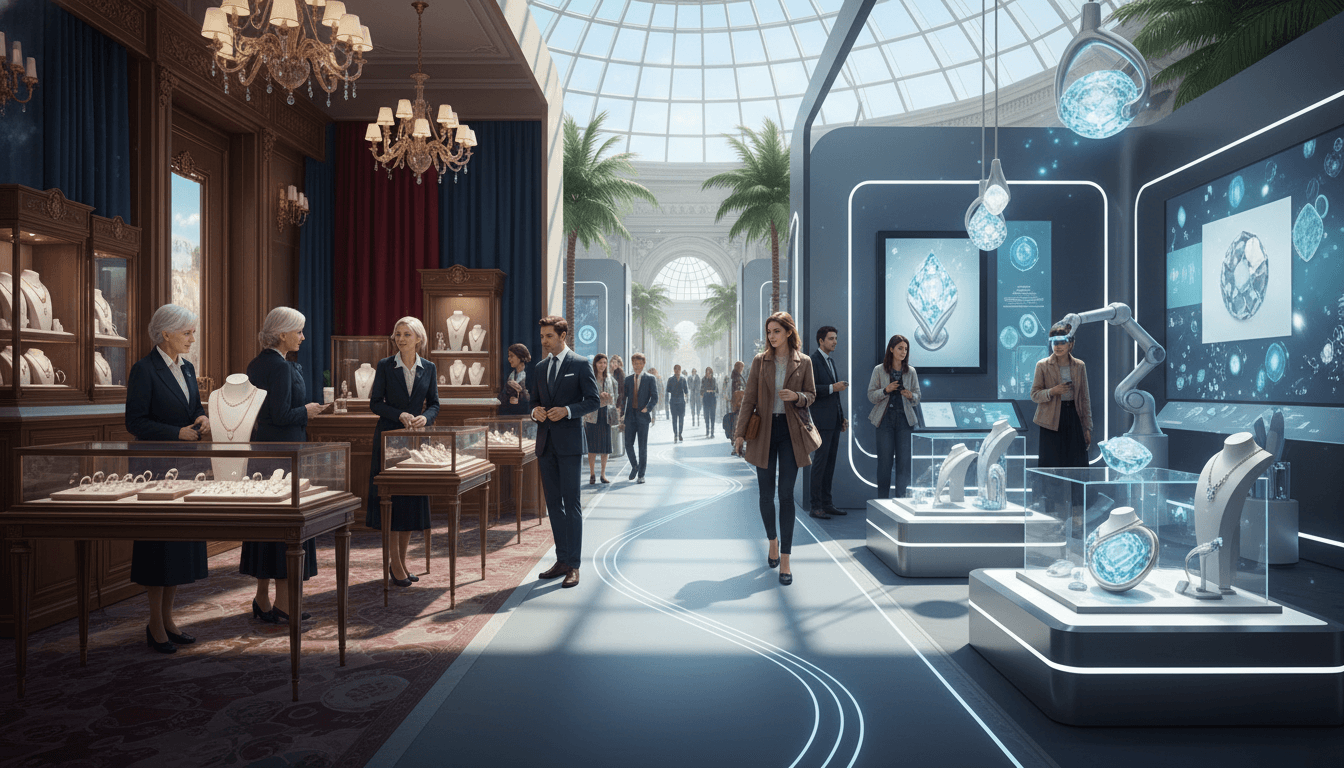
The global luxury jewelry market is undergoing a profound transformation, projected to grow from USD 61.01 billion in 2024 to USD 109.22 billion by 2032 at a CAGR of 7.55%. Key drivers include evolving consumer demands for personalized, sustainable, and gender-neutral designs, alongside advancements in digital engagement and ethical sourcing. This article provides an in-depth analysis of market dynamics, regional trends, and strategic insights shaping the future of high-end jewelry.
Sustainability and Ethical Luxury Jewelry Trends: Reshaping the Global Market
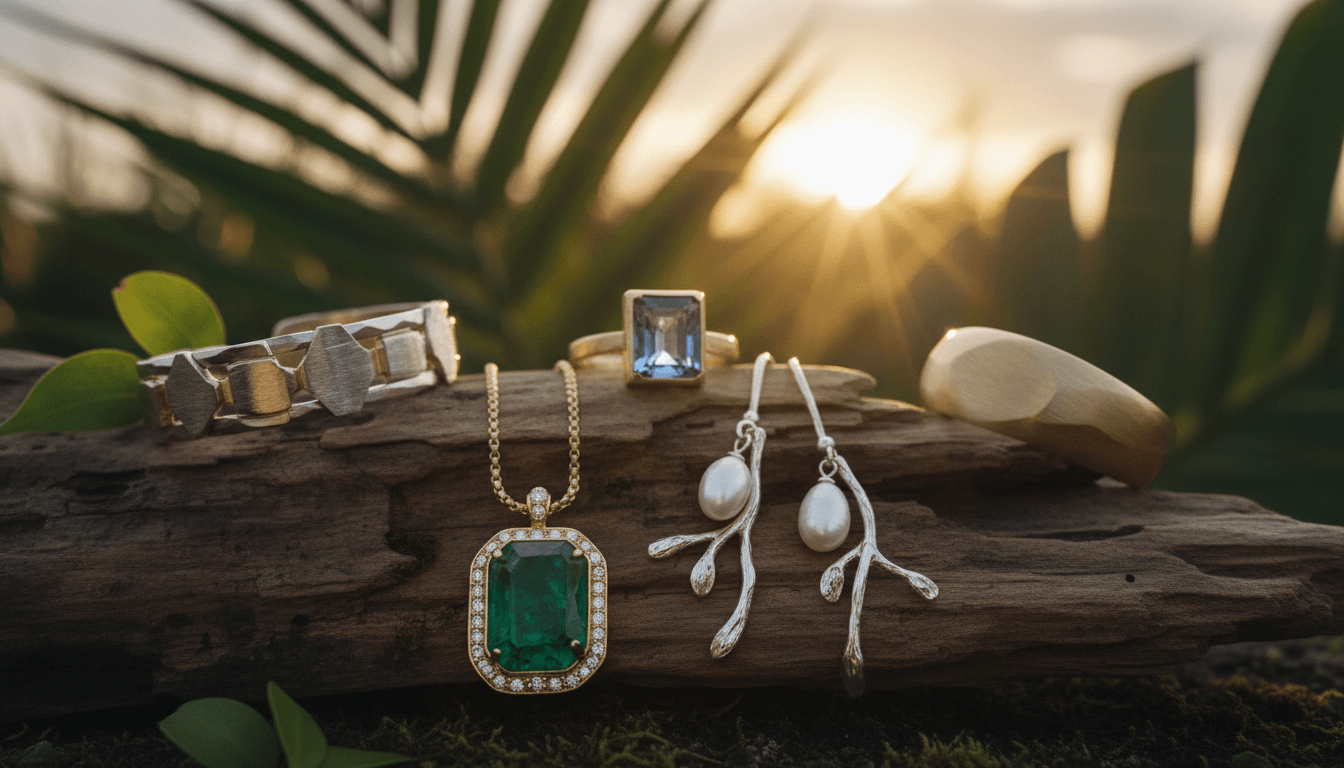
The luxury jewelry industry is undergoing a profound transformation as sustainability becomes a core consumer demand. Brands are responding with ethically sourced materials, transparent supply chains, and innovative eco-friendly collections featuring plant-based leather and recycled elements. This shift, driven by heightened environmental and social consciousness, is redefining luxury values and competitive strategies globally.
Celebrity and Cultural Influence in Luxury Jewelry: Shaping Global Trends
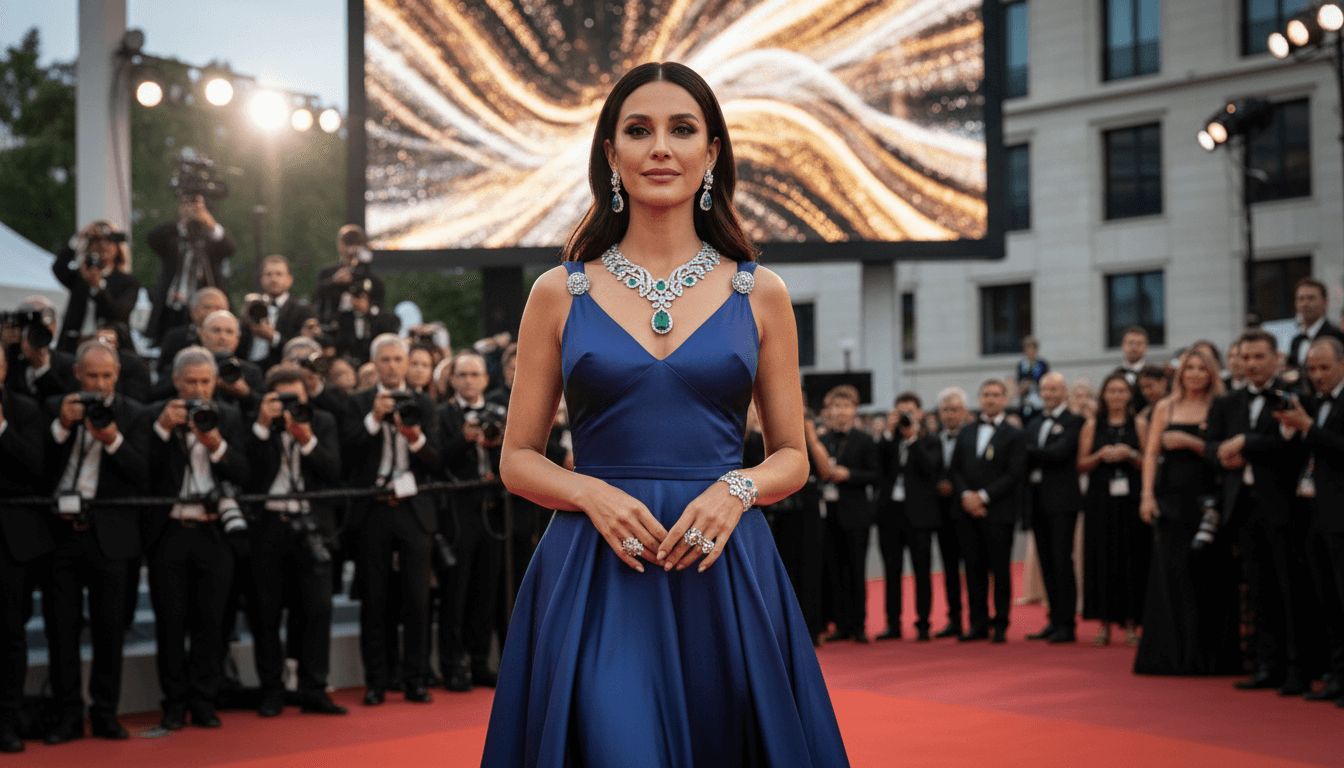
The luxury jewelry industry is increasingly leveraging strategic celebrity partnerships and cultural collaborations to drive brand innovation and global appeal. High-profile collaborations, such as Pharrell Williams with Tiffany & Co. and Michael B. Jordan with David Yurman, demonstrate how celebrity endorsements and designer alliances enhance storytelling, brand positioning, and market reach. These partnerships not only boost visibility but also infuse collections with unique cultural narratives, making luxury jewelry more relevant to diverse audiences worldwide.
Gender-Neutral Luxury Jewelry Evolution: Reshaping the Global Market
The luxury jewelry sector is undergoing a transformative shift towards gender-neutral and inclusive designs, driven by evolving social norms and consumer demand for versatile accessories. Key developments include the emergence of unisex collections from leading brands like Gucci and Bulgari, a notable increase in male jewelry engagement—with 33% of British men purchasing necklaces—and the blurring of traditional gender-specific design boundaries. This trend reflects a broader movement toward personal expression and inclusivity in high-end fashion, supported by market research indicating sustained growth in this segment.

Global Luxury Market 2024: Navigating Cautious Growth and Strategic Transformation
The global luxury market is undergoing a period of measured expansion, projected to grow from USD 259.74 billion in 2024 to USD 274.8 billion in 2025 at a CAGR of 5.8%. Brands are responding to economic uncertainties and evolving consumer demands by prioritizing personalization, sustainability, and digital innovation. Key segments such as jewelry, high-end fashion, and experiential luxury are driving growth, requiring strategic agility to maintain relevance in a discerning market landscape.

Sustainability and Ethical Sourcing: The New Imperative in Luxury Jewelry
Consumer priorities are shifting towards sustainability and ethical sourcing in luxury jewelry, with 78% of high-net-worth individuals considering these factors in purchasing decisions. Brands are responding by adopting transparent supply chains, using recycled precious metals, and certifying conflict-free gemstones. This trend is reshaping market dynamics, influencing everything from material sourcing to brand storytelling, with 65% of luxury jewelry companies now publishing sustainability reports.