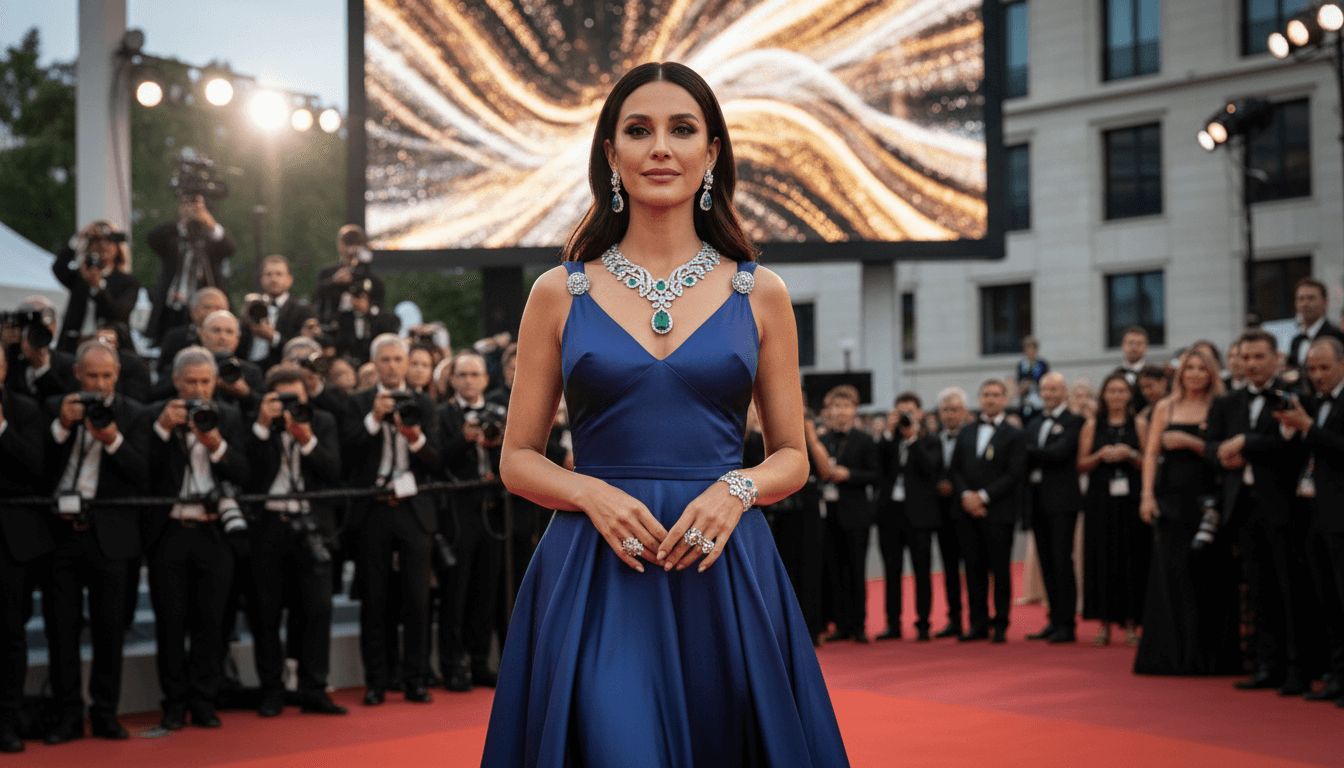
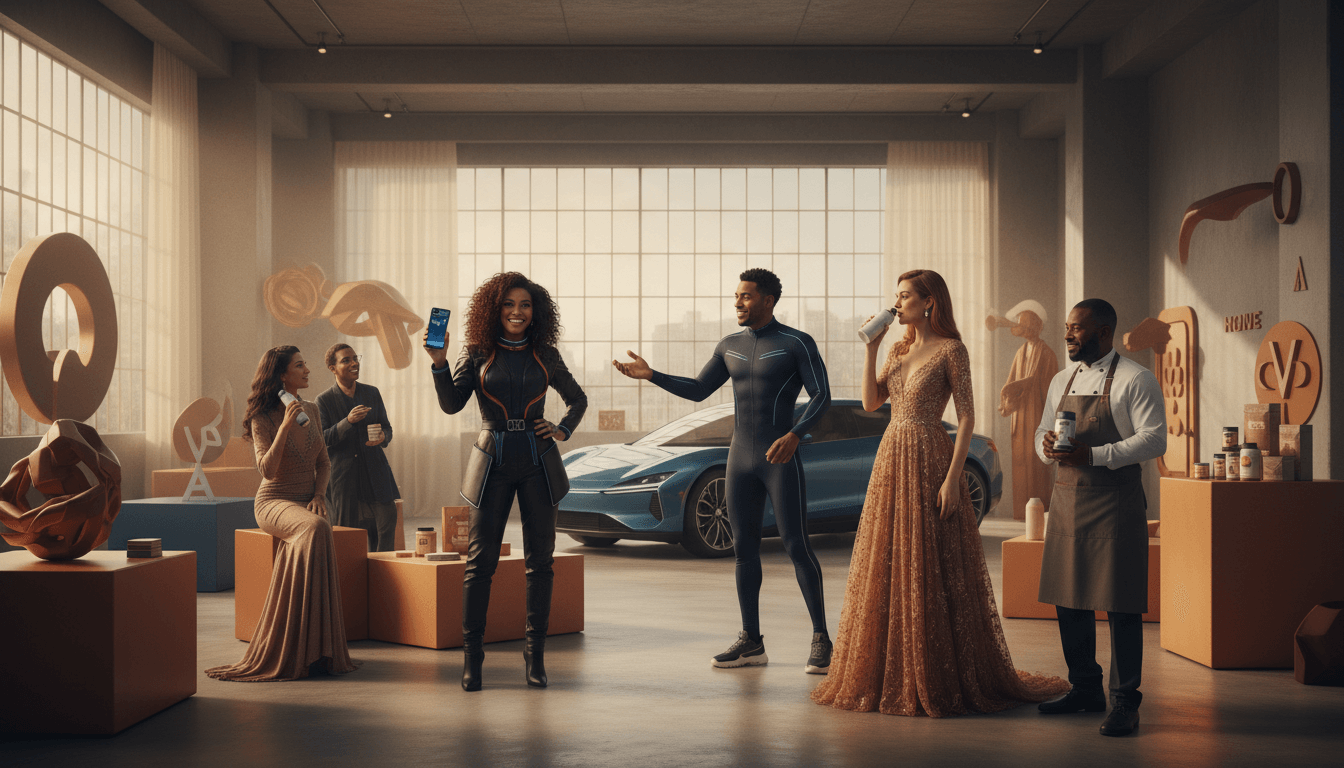
In the dynamic world of luxury jewelry, the convergence of celebrity influence and cultural partnerships has emerged as a pivotal strategy for brands seeking to captivate global audiences. According to insights from Straits Research and Custom Market Insights, these collaborations are not merely marketing tactics but integral components of brand evolution. By aligning with icons like Pharrell Williams, Michael B. Jordan, and designers such as Bibhu Mohapatra, luxury jewelry houses are crafting narratives that resonate emotionally and aesthetically. This article delves into how these strategic alliances enhance brand visibility, foster innovation in design, and reinforce cultural relevance in an ever-competitive market.
In-Depth Analysis
Strategic Celebrity Partnerships and Endorsements
Celebrity endorsements have long been a cornerstone of luxury marketing, but today's partnerships are more nuanced and collaborative. High-profile figures bring authenticity and reach, as seen in Pharrell Williams' collaboration with Tiffany & Co. on the Titan Collection, which blends artistic vision with timeless craftsmanship. Similarly, Michael B. Jordan's involvement with David Yurman's Men's High Jewelry line emphasizes masculinity and modern elegance, attracting a younger demographic. These alliances often result in limited-edition pieces that generate buzz and exclusivity, driving sales and social media engagement. Brands benefit from the celebrities' personal brands, which can align with values like sustainability or inclusivity, further deepening consumer connections.
Collaborations with Fashion Designers and Cultural Icons
Beyond celebrities, collaborations with fashion designers and cultural icons inject fresh perspectives into luxury jewelry. The Tanishq x Bibhu Mohapatra Fashion Week Collection, for instance, merges Indian heritage with contemporary design, appealing to both local and international markets. Such partnerships often explore cultural motifs, materials, and techniques, enriching the jewelry's narrative. Designers like Mohapatra contribute their expertise in silhouette and texture, while brands provide technical mastery in gem-setting and metalwork. These collaborations not only diversify product offerings but also position brands as culturally aware and innovative. By tapping into global trends—such as the rise of ethical sourcing or artisanal craftsmanship—they ensure relevance in a rapidly evolving industry.
Innovative Storytelling Through Jewelry Collections
Storytelling is at the heart of modern luxury jewelry, with collaborations serving as powerful vehicles for narrative development. Collections like the Titan Collection by Tiffany & Co. and Pharrell Williams often incorporate themes of identity, legacy, and social commentary, transforming jewelry into wearable art. This approach engages consumers on an emotional level, fostering loyalty beyond mere aesthetics. Brands leverage multimedia campaigns, including documentaries and social media content, to amplify these stories. For example, David Yurman's campaign with Michael B. Jordan highlighted themes of strength and vulnerability, resonating with audiences seeking authenticity. By embedding cultural and personal narratives, jewelry becomes a symbol of shared values, enhancing its perceived value and desirability.
Marketing Strategies and Cultural Impact
The marketing strategy underpinning these collaborations revolves around celebrity-driven brand narratives, which amplify reach and credibility. Social media plays a crucial role, with influencers and celebrities showcasing pieces to millions of followers, as seen in the global buzz around the Tanishq x Bibhu Mohapatra launch. This approach not only boosts short-term sales but also strengthens long-term brand positioning. Culturally, these partnerships facilitate global brand expansion by bridging traditional luxury with contemporary trends. For instance, collaborations that highlight diverse cultures—like Indian designs in Tanishq's collections—promote inclusivity and broaden consumer bases. The cultural impact extends to shaping perceptions of luxury as accessible and meaningful, rather than elitist.
Key Takeaways
Celebrity and cultural collaborations drive innovation and emotional engagement in luxury jewelry.
Partnerships like Pharrell Williams x Tiffany & Co. enhance brand visibility and attract new demographics.
Storytelling through collections transforms jewelry into symbolic, culturally relevant artifacts.
Marketing strategies leverage social media and multimedia to amplify global reach and authenticity.
These alliances reinforce brand positioning by aligning with values such as diversity and sustainability.
Frequently Asked Questions
How do celebrity collaborations benefit luxury jewelry brands?
Celebrity collaborations boost brand visibility, credibility, and sales by leveraging the star's influence and personal brand. They attract new audiences, generate media buzz, and often result in exclusive, high-demand collections that enhance perceived value.
What role does cultural influence play in these partnerships?
Cultural influence ensures jewelry designs resonate with diverse global audiences. Collaborations with cultural icons or designers incorporate traditional motifs and modern aesthetics, making luxury pieces more inclusive and relevant to contemporary trends.
Can you provide examples of successful luxury jewelry collaborations?
Notable examples include Pharrell Williams x Tiffany & Co.'s Titan Collection, which blends art and luxury; Michael B. Jordan x David Yurman, focusing on modern masculinity; and Tanishq x Bibhu Mohapatra, merging Indian heritage with fashion-forward design.
How do these collaborations impact consumer behavior?
They foster emotional connections, driving purchases based on storytelling and identity alignment. Limited editions and celebrity endorsements create urgency, while cultural elements appeal to consumers seeking authenticity and uniqueness in luxury goods.
Conclusion
The fusion of celebrity influence and cultural collaborations is redefining the luxury jewelry landscape, offering brands a pathway to innovation and global relevance. As evidenced by partnerships like those with Pharrell Williams, Michael B. Jordan, and Bibhu Mohapatra, these strategies enrich design narratives, expand market reach, and deepen consumer engagement. Moving forward, luxury jewelry houses must continue to embrace authentic storytelling and diverse alliances to stay competitive in an increasingly interconnected world. By doing so, they not only elevate their artistic offerings but also cement their role as cultural curators in the high-end market.
Tags
Related Articles
Gender-Neutral Luxury Jewelry Evolution: Reshaping the Global Market
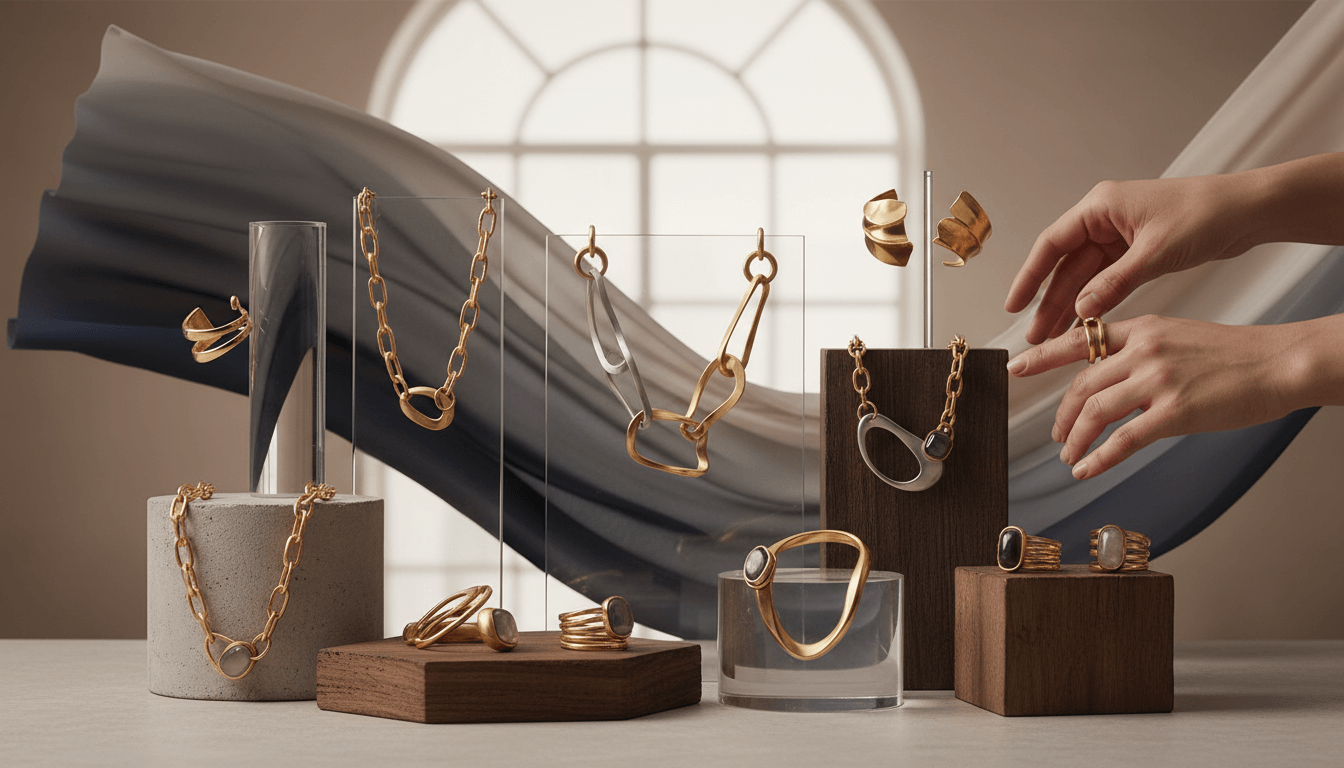
The luxury jewelry sector is undergoing a transformative shift towards gender-neutral and inclusive designs, driven by evolving social norms and consumer demand for versatile accessories. Key developments include the emergence of unisex collections from leading brands like Gucci and Bulgari, a notable increase in male jewelry engagement—with 33% of British men purchasing necklaces—and the blurring of traditional gender-specific design boundaries. This trend reflects a broader movement toward personal expression and inclusivity in high-end fashion, supported by market research indicating sustained growth in this segment.

Global Luxury Market 2024: Navigating Cautious Growth and Strategic Transformation
The global luxury market is undergoing a period of measured expansion, projected to grow from USD 259.74 billion in 2024 to USD 274.8 billion in 2025 at a CAGR of 5.8%. Brands are responding to economic uncertainties and evolving consumer demands by prioritizing personalization, sustainability, and digital innovation. Key segments such as jewelry, high-end fashion, and experiential luxury are driving growth, requiring strategic agility to maintain relevance in a discerning market landscape.

Sustainability and Ethical Sourcing: The New Imperative in Luxury Jewelry
Consumer priorities are shifting towards sustainability and ethical sourcing in luxury jewelry, with 78% of high-net-worth individuals considering these factors in purchasing decisions. Brands are responding by adopting transparent supply chains, using recycled precious metals, and certifying conflict-free gemstones. This trend is reshaping market dynamics, influencing everything from material sourcing to brand storytelling, with 65% of luxury jewelry companies now publishing sustainability reports.
Experiential Retail in Luxury Jewelry: Crafting Unforgettable Customer Journeys
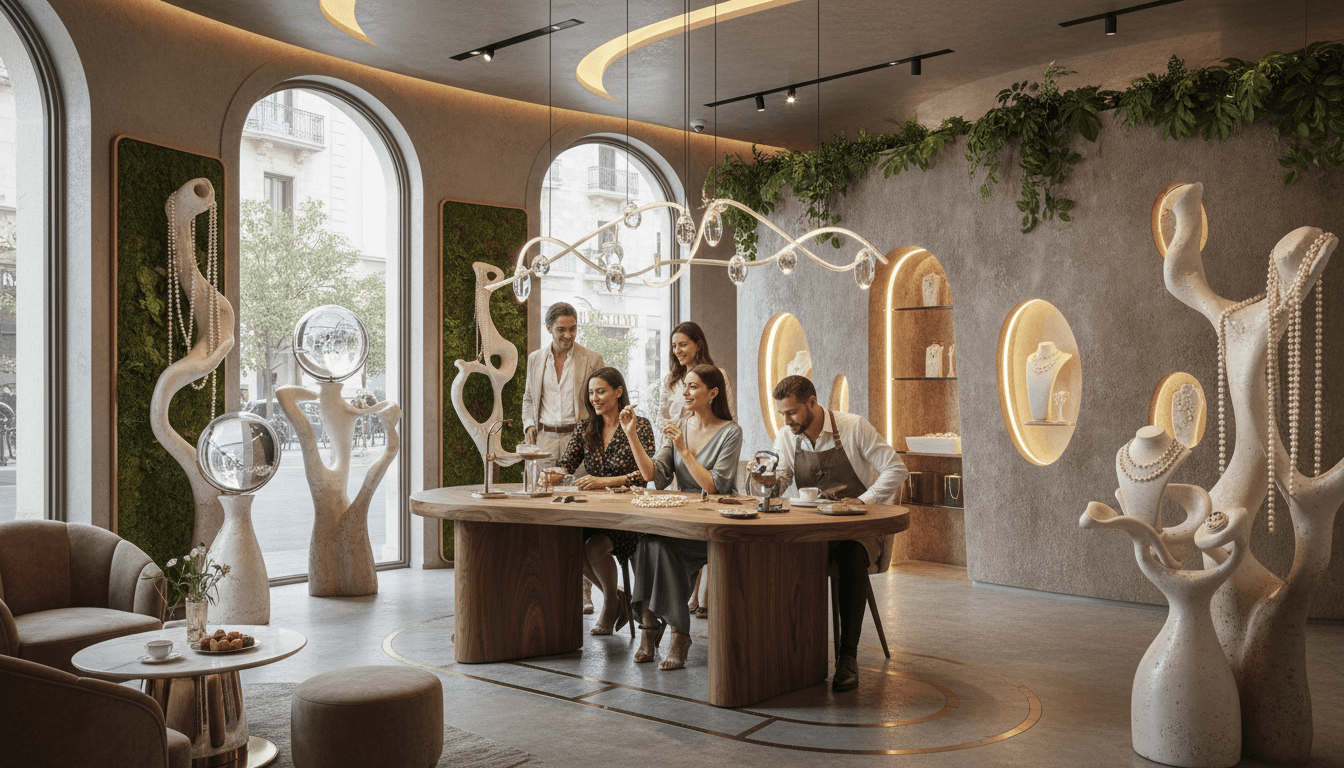
Luxury jewelry retailers are pioneering experiential retail strategies to redefine consumer engagement. By designing immersive in-store environments, offering personalized consultations, and curating bespoke customer journeys, brands like Cartier and Tiffany & Co. foster deep emotional connections and brand loyalty. These approaches, supported by data showing a 40% increase in customer retention for experiential-focused brands, differentiate them in a competitive market. This article explores how these innovations transform traditional retail into memorable, high-value experiences that resonate with modern luxury consumers.
Gold Jewelry Market Dynamics: Investment, Culture, and Surging Demand in 2024
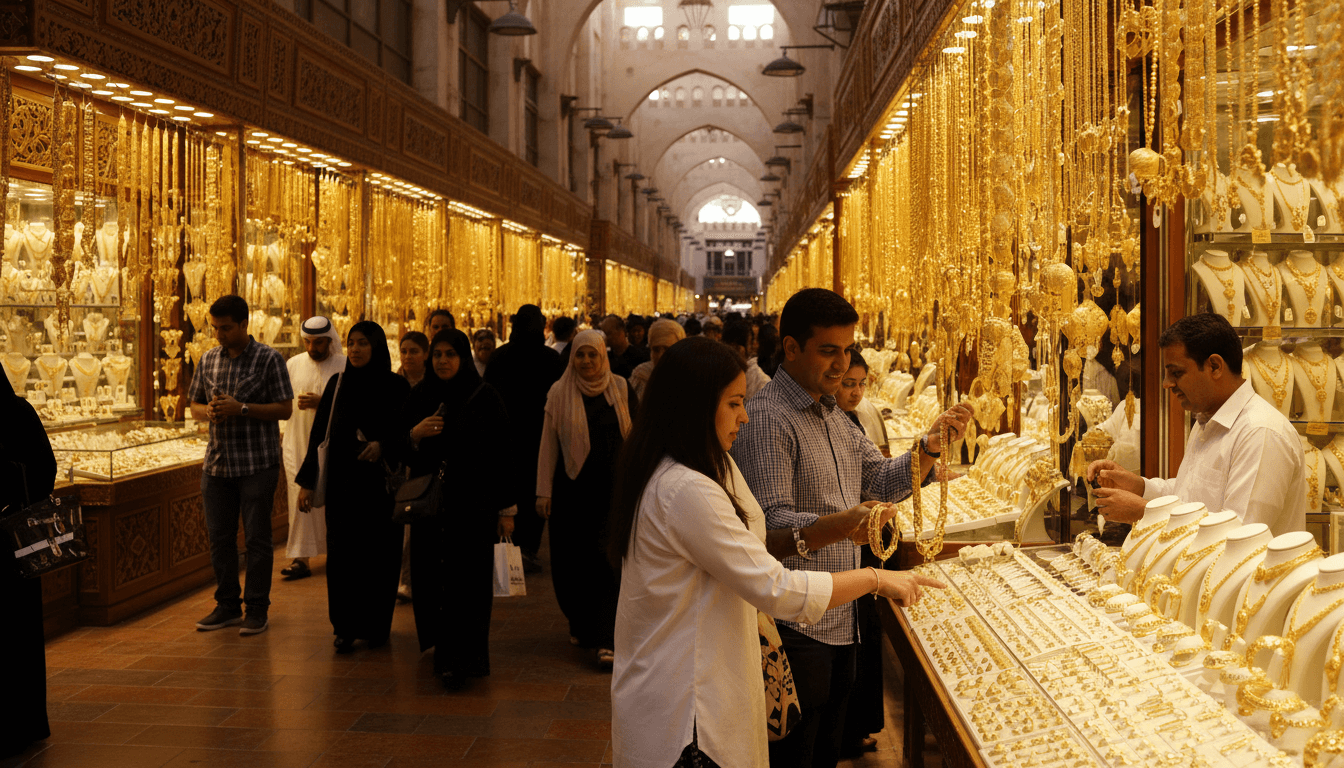
The gold jewelry market continues to lead the luxury sector, commanding 54.9% of the global jewelry market share in 2024. Fueled by a 25% annual price surge and heightened demand in key regions like India, gold jewelry serves dual purposes as both a timeless fashion statement and a robust investment asset. This article explores the drivers behind this growth, including cultural traditions, price dynamics, and strategic market adaptations.
Celebrity Endorsements and Brand Collaborations: Reshaping the Luxury Jewelry Market
Celebrity partnerships and brand collaborations have become pivotal strategies in the luxury jewelry sector, driving brand visibility and consumer engagement. Notable collaborations like Tiffany & Co. x Pharrell Williams and brand ambassadors such as Michael B. Jordan for David Yurman exemplify this trend. These initiatives leverage influencer marketing and cross-industry alliances to appeal to diverse demographics, enhancing market reach and reinforcing brand prestige. This article explores the dynamics, impacts, and future directions of these high-profile partnerships in the evolving luxury landscape.