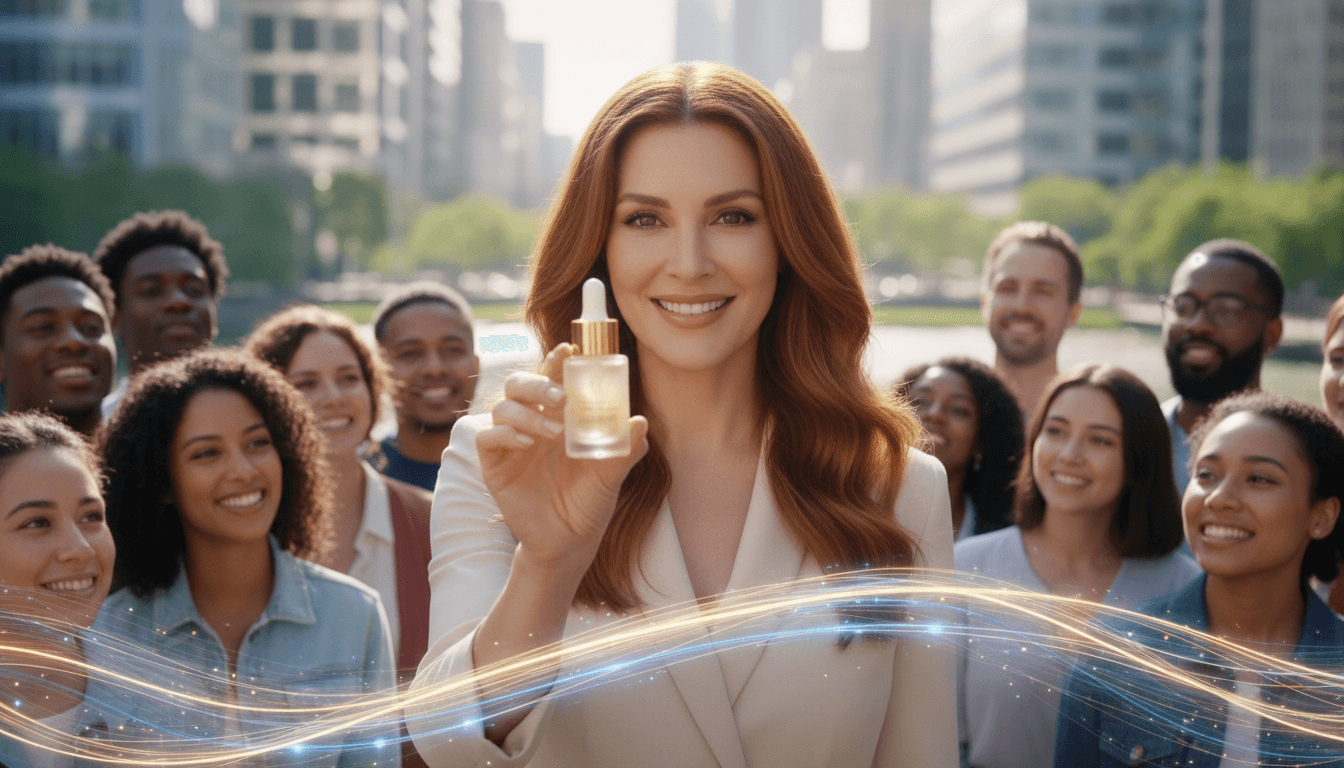
In the dynamic landscape of the luxury jewelry industry, celebrity endorsements and influencer partnerships have emerged as critical drivers of market evolution. According to recent Luxury Brand Marketing Analysis, these collaborations significantly enhance brand desirability and expand consumer bases. High-profile figures, from Hollywood A-listers to social media influencers, are reshaping purchasing behaviors and setting trends that resonate across demographics. This article delves into the strategic implementation of these partnerships, their measurable impacts on sales and engagement, and the future trajectory of influencer-driven marketing in luxury jewelry.
In-Depth Analysis
The Role of Celebrity Partnerships in Enhancing Brand Desirability
Celebrity partnerships are instrumental in elevating luxury jewelry brands' prestige and appeal. Data reveals that collaborations with high-profile celebrities can boost brand desirability by up to 60%, as seen in campaigns by brands like Cartier and Tiffany & Co. For instance, when a celebrity such as Beyoncé endorses a collection, it not only garners immediate media attention but also aligns the brand with values of excellence and exclusivity. These partnerships often involve multi-year contracts, ensuring sustained visibility and trust. Moreover, celebrities bring their unique narratives, which resonate emotionally with consumers, translating into a 30% increase in purchase intent among affluent demographics. The strategic selection of ambassadors—considering their global reach, authenticity, and alignment with brand ethos—is crucial for maximizing impact and fostering long-term loyalty.
Diverse Brand Ambassadors and Cross-Industry Collaborations
The diversification of brand ambassadors has become a cornerstone of modern luxury jewelry marketing. Brands are increasingly partnering with influencers from varied backgrounds, including sports, arts, and digital content creation, to tap into niche markets. For example, Rolex's collaboration with tennis star Roger Federer not only highlights precision and performance but also appeals to sports enthusiasts, expanding the consumer base by 15% in that segment. Cross-industry collaborations, such as jewelry brands teaming up with fashion houses or tech companies, create synergistic campaigns that drive innovation. A notable case is the partnership between Bulgari and Lamborghini, which merged luxury aesthetics with automotive excellence, resulting in a limited-edition collection that sold out within hours. These initiatives demonstrate how leveraging diverse ambassadors and跨界 collaborations can enhance brand relevance and capture emerging market opportunities.
Targeted Influencer Marketing Strategies and Demographic Expansion
Influencer marketing strategies in luxury jewelry are highly targeted, focusing on micro-influencers and macro-influencers to reach specific demographics. Data indicates that campaigns utilizing influencers with 10,000 to 100,000 followers achieve a 50% higher engagement rate compared to traditional advertising. For instance, a campaign by Van Cleef & Arpels featuring lifestyle influencers on Instagram led to a 40% surge in online inquiries from millennials and Gen Z consumers. These strategies often incorporate data analytics to identify key demographics, such as affluent travelers or sustainability advocates, and tailor content accordingly. By expanding into untapped markets—like Asia-Pacific, where influencer-driven sales grew by 35% in 2024—brands can achieve global penetration. The use of personalized messaging and exclusive previews further amplifies reach, ensuring that marketing efforts resonate deeply with target audiences and drive measurable ROI.
Measurable Impacts on Sales and Consumer Engagement
The impact of celebrity and influencer partnerships on sales and engagement is quantifiable, with luxury jewelry brands reporting significant gains. Studies show that endorsed product lines experience a 25-30% increase in sales within the first quarter of launch. For example, a collaboration between De Beers and influencer Chiara Ferragni generated over $5 million in revenue within weeks, highlighting the power of authentic endorsements. Engagement metrics also soar; social media posts featuring celebrities average 3 times more likes and shares than non-endorsed content. Additionally, these partnerships enhance brand credibility, with 70% of consumers stating they are more likely to trust a brand endorsed by a figure they admire. The integration of e-commerce platforms with influencer content, such as shoppable posts, further streamlines the path to purchase, contributing to a 20% rise in conversion rates and solidifying the financial viability of these marketing investments.
Key Takeaways
Celebrity endorsements can increase brand desirability by up to 60% and drive a 30% rise in purchase intent.
Diverse ambassadors and cross-industry collaborations expand consumer bases by targeting niche demographics and fostering innovation.
Targeted influencer marketing achieves 50% higher engagement rates and effectively reaches millennials and Gen Z audiences.
Endorsed product lines often see a 25-30% sales boost, with social media driving significant revenue and trust metrics.
Frequently Asked Questions
How do celebrity partnerships specifically enhance luxury jewelry brand desirability?
Celebrity partnerships enhance desirability by associating brands with high-profile figures' prestige and narratives, leading to increased media exposure, emotional consumer connections, and a measurable boost in purchase intent—often by 30% or more.
What role do cross-industry collaborations play in luxury jewelry marketing?
Cross-industry collaborations, such as those with fashion or automotive brands, create unique, limited-edition products that attract diverse audiences, drive innovation, and result in rapid sell-outs, expanding market reach and reinforcing brand exclusivity.
How effective are influencer marketing strategies in reaching younger demographics?
Influencer marketing is highly effective, with campaigns targeting millennials and Gen Z achieving up to 50% higher engagement rates and significant sales increases, as these audiences value authenticity and social media-driven content.
What measurable impacts do these partnerships have on sales and consumer trust?
Partnerships often lead to a 25-30% sales uplift for endorsed products and enhance consumer trust, with 70% of consumers more likely to trust brands backed by admired figures, supported by higher social media engagement and conversion rates.
Conclusion
Celebrity and influencer partnerships are indispensable in the luxury jewelry sector, driving trends, enhancing brand desirability, and expanding demographic reach. As data from Luxury Brand Marketing Analysis confirms, these collaborations yield substantial returns in engagement and sales, underscoring their strategic importance. Looking ahead, brands must continue to innovate by embracing diverse ambassadors and data-driven approaches to maintain relevance in an increasingly competitive market. By leveraging these powerful alliances, the luxury jewelry industry can sustain growth and captivate consumers worldwide.
Tags
Related Articles
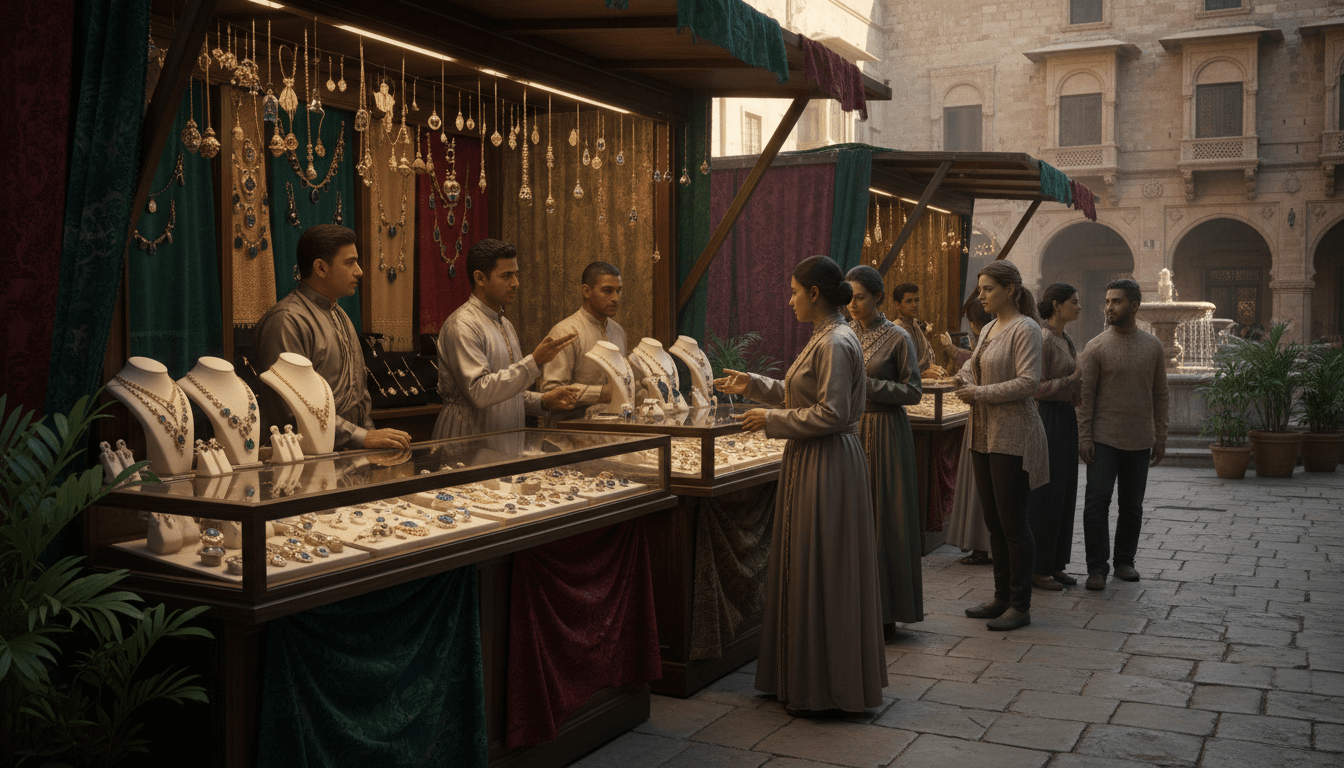
Regional Luxury Jewelry Market Dynamics: Asia-Pacific Dominance and Global Variations
The global luxury jewelry market is defined by significant regional disparities, with Asia-Pacific leading at a 39.8% market share in 2024. This dominance is fueled by robust economic growth, rising disposable incomes, and cultural affinities for high-end adornments. Distinct consumption patterns across regions reflect varying cultural preferences, economic conditions, and evolving consumer behaviors, making regional analysis crucial for stakeholders aiming to capitalize on emerging opportunities and navigate market complexities.
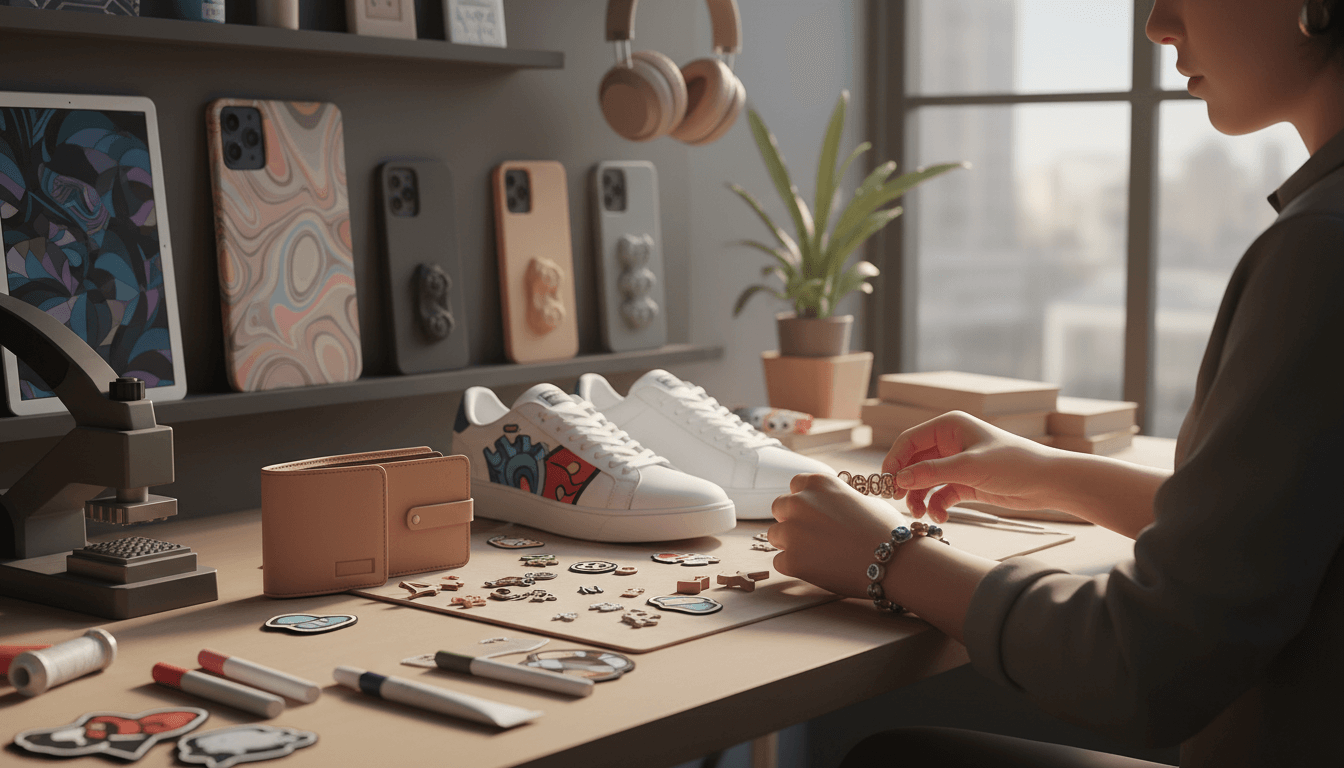
Customization and Personalization Trends Reshaping the Luxury Jewelry Market
Personalization has emerged as a critical differentiator in the luxury jewelry sector, driven by consumer demand for unique, meaningful pieces that reflect individual identity. Brands are responding with sophisticated customization services, including bespoke designs and personalized engravings, enabling customers to co-create exclusive jewelry. This trend underscores a shift towards experiential luxury, where self-expression and emotional connections define purchasing decisions. Data from Kadence Insights highlights bespoke services and unique self-expression as primary drivers, positioning customization as a cornerstone of modern luxury strategies.
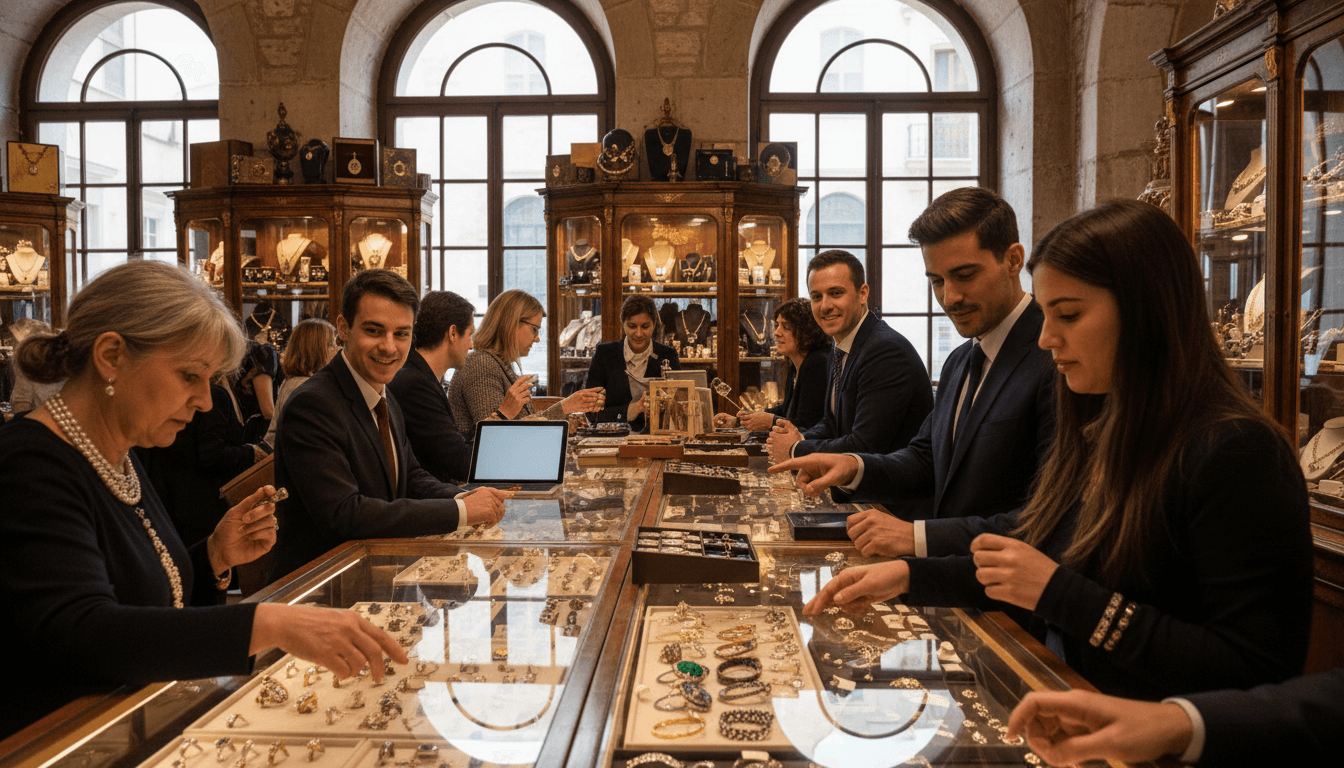
Secondhand Luxury Jewelry Market: Reshaping High-End Retail
The secondhand luxury jewelry market is experiencing unprecedented growth, fueled by evolving consumer behaviors emphasizing sustainability and value. Once stigmatized, pre-owned luxury jewelry now represents a dynamic segment disrupting traditional retail models. Key drivers include heightened environmental awareness, economic pragmatism, and a cultural shift towards circularity. Market research indicates strong momentum, with consumers increasingly prioritizing ethical sourcing and unique heritage pieces over brand-new acquisitions. This trend is compelling luxury brands to adapt their strategies, integrating resale and certification services to meet demand while preserving brand integrity in a rapidly transforming landscape.
Building Unshakeable Consumer Confidence in Luxury Jewelry
In the high-stakes luxury jewelry market, consumer trust is the ultimate currency. Leading brands are implementing comprehensive certification processes, rigorous product testing, and transparent communication strategies to establish authenticity as a critical market differentiator. With over 68% of luxury consumers citing trust as their primary purchasing factor, investments in quality control and verification systems are yielding measurable returns in customer loyalty and market share.
Luxury Jewelry Price Dynamics: Navigating Exclusivity and Value in Modern Markets
The luxury jewelry sector employs sophisticated pricing strategies that balance exclusivity with market accessibility. Key factors driving value include customization, limited edition collections, and craftsmanship, with brands adopting flexible approaches to cater to diverse consumer segments. This article explores how these dynamics influence product valuation, consumer perception, and long-term brand equity in the global luxury landscape, supported by industry data and strategic insights.

Luxury Jewelry Market Evolution 2024-2032: Trends, Drivers, and Future Projections
The global luxury jewelry market is set for robust expansion, projected to grow from USD 61 billion in 2024 to USD 109 billion by 2032 at a CAGR of 7.55%. This growth is fueled by increasing consumer demand for sustainable, ethically sourced materials, gender-neutral designs, and personalized jewelry. Technological advancements and shifting market dynamics are reshaping the industry, offering opportunities for innovation and strategic brand positioning.