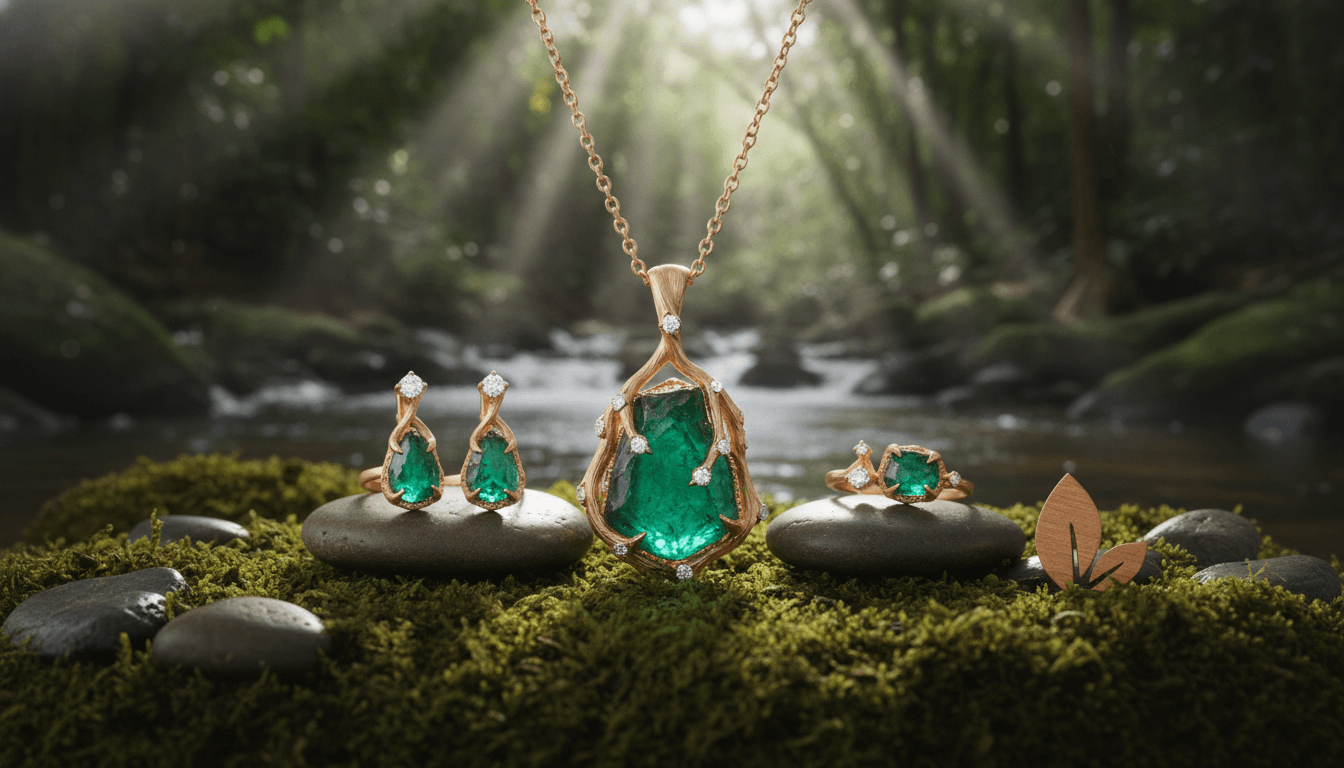
The luxury jewelry sector is undergoing a profound transformation, driven by a global shift towards environmental consciousness and ethical consumerism. According to Luxury Sustainability Market Research, brands are increasingly adopting sustainable practices to meet the growing demand for responsible luxury. This movement encompasses ethically sourced materials, transparent supply chains, and eco-friendly production techniques, reflecting a broader industry commitment to reducing environmental impact while enhancing brand value. In this article, we examine the key drivers, innovations, and market implications of sustainability in luxury jewelry, providing a comprehensive analysis for industry stakeholders.
In-Depth Analysis
The Rising Demand for Ethically Sourced Materials
Ethically sourced materials have become a cornerstone of sustainable luxury jewelry, with consumers prioritizing transparency and social responsibility. Gold, diamonds, and gemstones are now increasingly traced from mine to market, ensuring they are conflict-free and mined under fair labor conditions. For instance, the use of recycled gold has surged by over 30% in the past five years, reducing the environmental footprint of mining. Brands like Chopard and Tiffany & Co. have pioneered initiatives such as the 'Fairmined' certification and responsibly sourced diamonds, which not only appeal to eco-conscious buyers but also mitigate risks associated with unethical practices. This trend is supported by data showing that 68% of luxury consumers are willing to pay a premium for jewelry with verified ethical origins, highlighting the commercial viability of sustainability.
Transparent and Sustainable Supply Chains
Transparency in supply chains is critical for building consumer trust and ensuring sustainability. Luxury jewelry brands are leveraging blockchain technology and third-party audits to provide verifiable records of material origins and production processes. For example, De Beers' Tracr platform uses blockchain to track diamonds from extraction to retail, ensuring authenticity and ethical compliance. This approach not only addresses concerns about child labor and environmental degradation but also aligns with regulatory frameworks like the EU's Conflict Minerals Regulation. Market research indicates that brands with transparent supply chains experience a 25% higher customer loyalty rate, underscoring the strategic importance of openness in fostering long-term relationships and mitigating reputational risks.
Eco-Friendly Production Techniques and Innovations
Eco-friendly production methods are revolutionizing luxury jewelry manufacturing, reducing waste, energy consumption, and carbon emissions. Advanced techniques such as 3D printing, water-free polishing, and the use of renewable energy in workshops are becoming industry standards. Brands like Cartier and Bvlgari have invested in carbon-neutral facilities and closed-loop systems that recycle materials, cutting down on resource extraction. Additionally, the adoption of lab-grown diamonds, which require up to 90% less water and energy than mined diamonds, is gaining traction, with the market for these gems projected to grow by 22% annually. These innovations not only cater to environmentally conscious consumers but also drive operational efficiencies, contributing to a positive market impact for sustainable brands.
Market Impact and Consumer Preferences
The emphasis on environmental responsibility is reshaping the luxury jewelry market, with sustainable brands outperforming their conventional counterparts. Data from Luxury Sustainability Market Research reveals that brands investing in sustainable practices have seen a 15% increase in annual revenue, attributed to heightened consumer preference. Millennials and Gen Z, who account for over 50% of luxury jewelry purchases, are particularly vocal about sustainability, often basing buying decisions on brand ethics. This shift has prompted even established players to rebrand and innovate, with the global sustainable luxury market expected to reach $30 billion by 2030. The positive growth trajectory underscores the strategic imperative for brands to integrate sustainability into their core business models.
Key Takeaways
Ethically sourced materials are driving consumer loyalty and premium pricing.
Transparent supply chains enhance brand trust and regulatory compliance.
Eco-friendly production reduces environmental impact and operational costs.
Sustainable practices correlate with increased market share and revenue growth.
Consumer demand, especially from younger generations, is accelerating industry-wide adoption of sustainability.
Frequently Asked Questions
What are the most common ethically sourced materials in luxury jewelry?
Common ethically sourced materials include recycled gold, conflict-free diamonds, Fairmined-certified metals, and traceable gemstones like emeralds and sapphires from verified mines.
How do transparent supply chains benefit luxury jewelry brands?
Transparent supply chains build consumer trust, reduce reputational risks, ensure regulatory compliance, and can lead to higher customer loyalty and sales.
Are lab-grown diamonds considered sustainable?
Yes, lab-grown diamonds are generally more sustainable as they require significantly less water, energy, and land, and avoid the social issues associated with mining.
What percentage of consumers prioritize sustainability in luxury purchases?
Recent studies indicate that over 60% of luxury consumers factor sustainability into their purchasing decisions, with higher rates among younger demographics.
Conclusion
Sustainability is no longer a niche concern but a central pillar of the luxury jewelry industry, driven by consumer demand for ethical and environmentally responsible products. The adoption of ethically sourced materials, transparent supply chains, and eco-friendly production techniques not only aligns with global sustainability goals but also offers tangible business benefits, including enhanced brand reputation and market growth. As the industry evolves, continuous innovation and commitment to transparency will be essential for brands seeking to thrive in an increasingly conscious marketplace. Embracing these trends is not just a moral imperative but a strategic advantage in the competitive world of luxury jewelry.
Tags
Related Articles
Cultural Influences in Luxury Jewelry Design: A Global Perspective
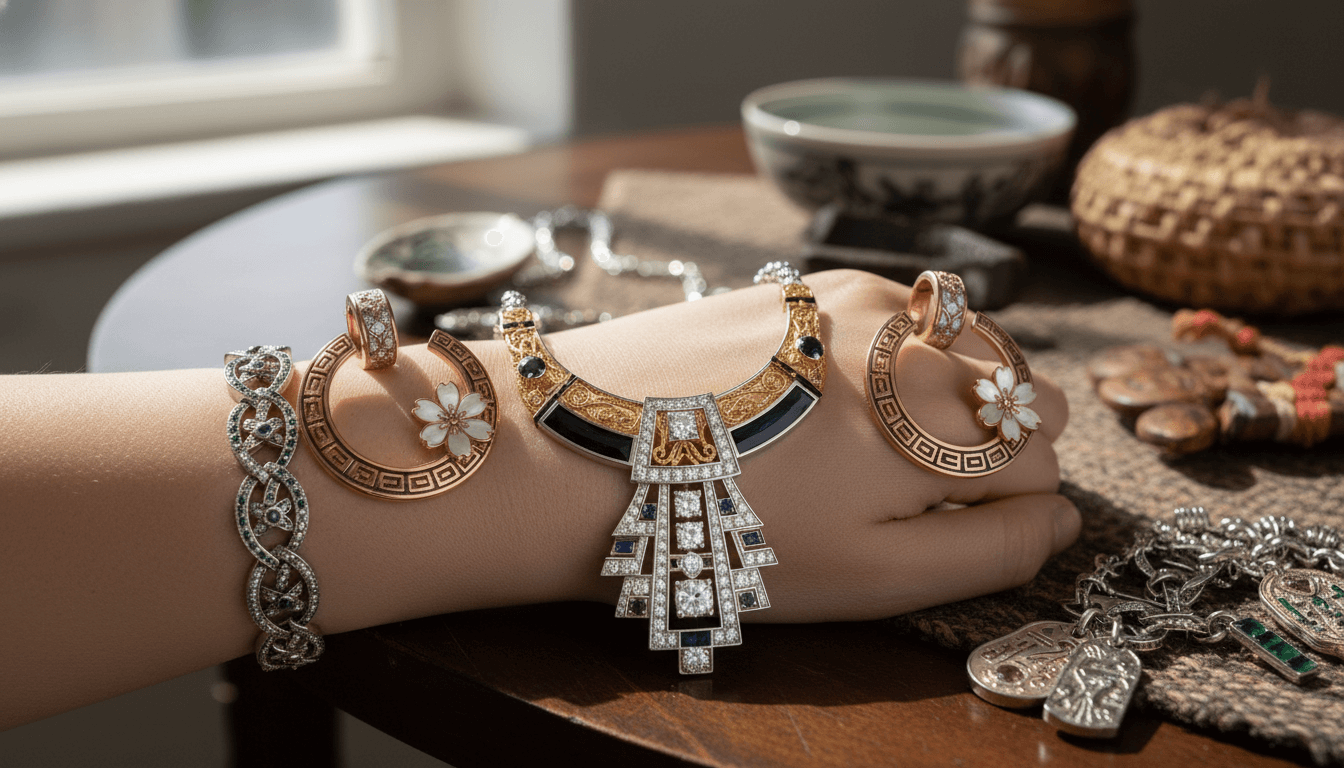
Luxury jewelry design is evolving through the integration of global cultural inspirations, fostering diverse design narratives and inclusive approaches. Brands are drawing from traditions, artistic movements, and fashion trends to create collections with broad appeal, expanding market reach and consumer engagement worldwide. This trend enhances creativity and resonates with a multicultural audience, positioning luxury jewelry as a bridge between heritage and modernity.
Luxury Jewelry Marketing Transformed: The Social Media Revolution
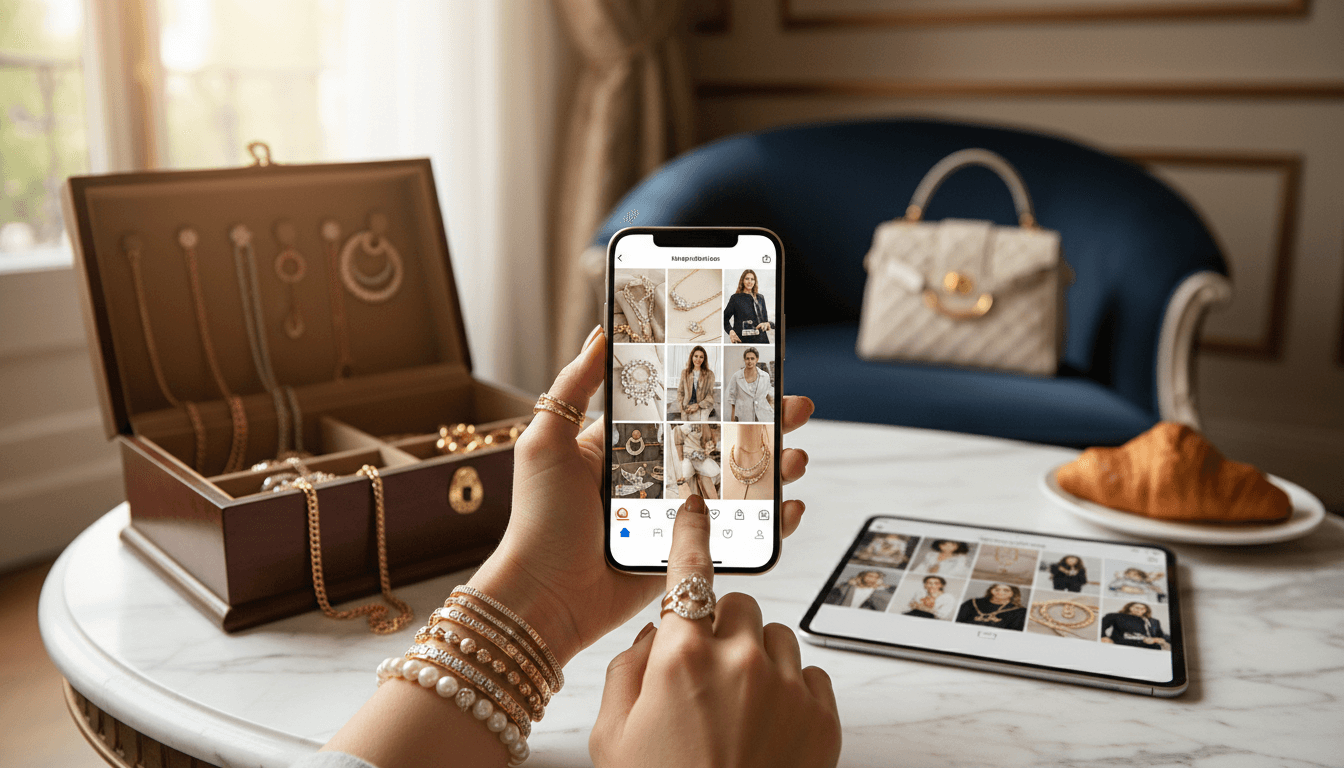
Social media is fundamentally reshaping luxury jewelry marketing by enabling direct engagement with younger, digitally-native consumers. Brands are adopting influencer collaborations, social commerce integrations, and immersive digital storytelling to create personalized experiences. This shift from traditional advertising to interactive platforms has accelerated discovery and purchasing, with 68% of luxury jewelry buyers under 35 citing social media as their primary discovery channel. The transformation emphasizes authenticity and accessibility while maintaining brand exclusivity.
Luxury Jewelry Market Economic Outlook: Growth, Challenges, and Future Projections
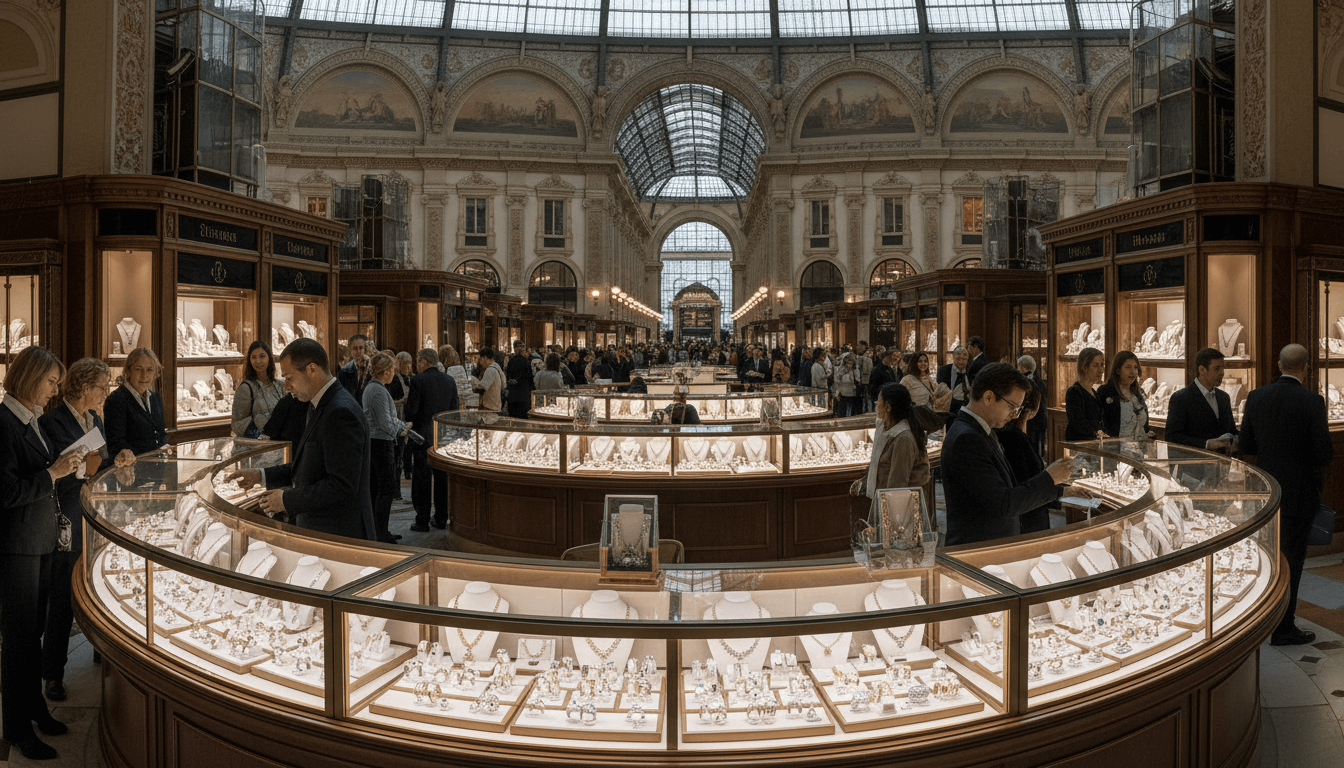
The global luxury jewelry market is poised for steady expansion, with projections indicating a 3.76% CAGR from 2025 to 2033. Key drivers include rising disposable incomes, evolving consumer behaviors, and robust opportunities in emerging economies. Despite economic headwinds, the market's resilience and adaptability continue to attract investment and innovation, reinforcing its position within the broader luxury goods sector, which was valued at USD 286.10 billion in 2024.
Rings and Engagement Jewelry Market: Trends, Growth, and Innovations
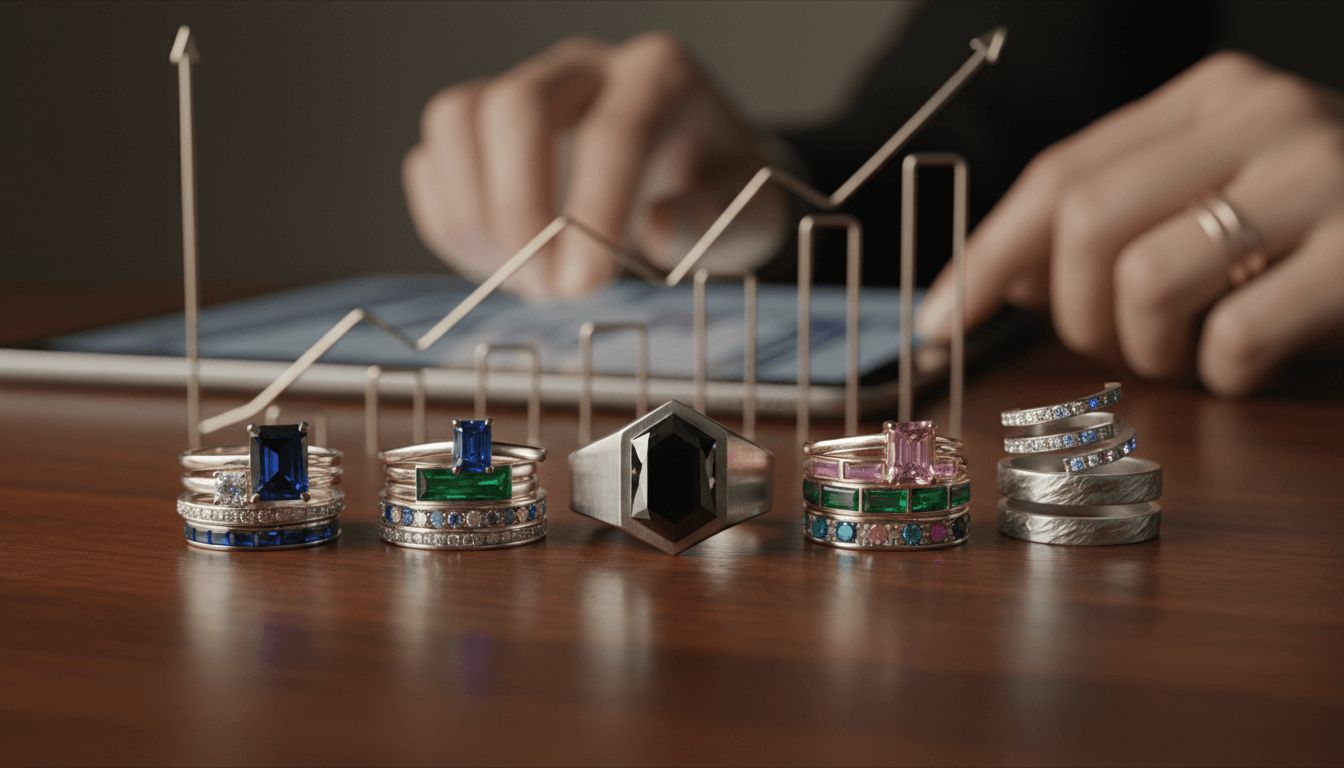
The rings segment dominates the luxury jewelry market, accounting for 33.8% of global revenue in 2024. Driven by emotional and cultural significance, this sector is evolving with trends such as gender-neutral engagement rings and advanced customization options. Key growth areas include innovative designs that cater to diverse consumer preferences, reinforcing the enduring appeal of rings in ceremonies and personal expression. This article explores market dynamics, key drivers, and future outlook based on industry data.

Luxury Jewelry Marketing Strategies: Evolving Digital Narratives and Experiential Engagement
The luxury jewelry sector is transforming its marketing approaches by prioritizing emotional resonance and brand loyalty through digital innovation, storytelling, and experiential strategies. Brands are leveraging integrated social media campaigns to foster deeper consumer connections, moving beyond traditional advertising to create immersive brand experiences that resonate with high-net-worth audiences globally. This shift emphasizes authenticity and personalization, driving engagement and long-term value in a competitive market.
Men's Luxury Jewelry Market Evolution: Disrupting Traditional Dynamics
The men's luxury jewelry market is undergoing a profound transformation, driven by evolving fashion sensibilities and the rise of gender-neutral designs. With significant market growth fueled by social media and increased fashion consciousness among male consumers, brands are expanding collections to cater to this burgeoning segment. This article explores key trends, including the shift toward unisex aesthetics and data-backed consumer behavior shifts, providing insights into how the luxury industry is adapting to new demands.