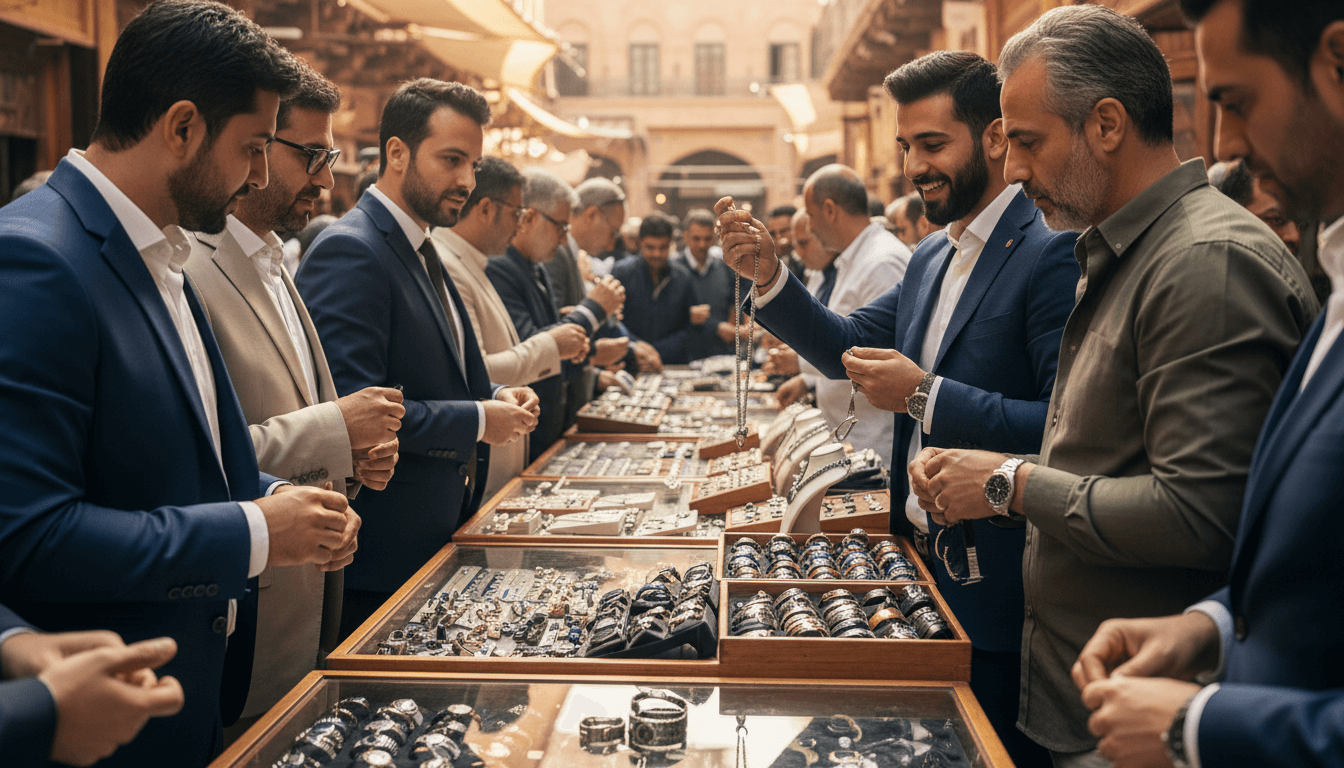
The luxury jewelry sector is witnessing a remarkable paradigm shift as men's jewelry emerges from the periphery to become a central growth driver. Traditional market dynamics are being fundamentally challenged by a new generation of male consumers who embrace jewelry as essential personal expression. According to recent market analysis, men's jewelry purchases have increased by 42% over the past five years, with the segment now accounting for 28% of the global luxury jewelry market. This transformation is fueled by evolving social norms, digital influence, and sophisticated brand strategies that recognize the immense potential in male consumers who are increasingly fashion-conscious and willing to invest in high-quality jewelry pieces.
In-Depth Analysis
Market Growth Analysis and Statistical Overview
The men's jewelry market has demonstrated exceptional resilience and growth, with current valuations reaching $58.7 billion globally and projected to expand to $96.2 billion by 2030, representing a compound annual growth rate of 8.3%. This growth significantly outpaces the broader luxury jewelry market, which is growing at 5.1% annually. North America and Asia-Pacific lead this expansion, with the United States market growing at 9.2% annually and China experiencing remarkable 12.8% growth. The increasing men's jewelry purchases are particularly notable in the 25-40 age demographic, where jewelry ownership has increased from 34% to 61% over the past decade. Luxury brands report that men's collections now contribute 25-35% of their jewelry revenue, up from just 15% five years ago. This market expansion is characterized by higher average transaction values, with men spending approximately $1,200 per jewelry purchase compared to $850 for women's jewelry, indicating strong purchasing power and willingness to invest in quality pieces.
Design Evolution: The Rise of Gender-Neutral Collections
The growing acceptance of gender-neutral designs represents one of the most significant shifts in luxury jewelry. Major houses including Cartier, Tiffany & Co., and Bulgari have launched dedicated gender-neutral collections that accounted for $4.2 billion in sales last year. These collections feature minimalist aesthetics, substantial metal weights, and versatile designs that transcend traditional gender boundaries. Cartier's 'Juste un Clou' and 'Love' collections have seen male adoption rates increase by 67% since their gender-neutral repositioning. The design trend emphasizes substantial chains, signet rings, and cuff bracelets that maintain masculine presence while incorporating sophisticated craftsmanship. Materials innovation has been crucial, with titanium, ceramic, and carbon fiber joining traditional precious metals to create pieces that appeal to modern male sensibilities. The success of these gender-neutral collections demonstrates how luxury brands are effectively deconstructing traditional gender binaries in jewelry design while maintaining exclusivity and craftsmanship standards that define luxury positioning.
Consumer Drivers: Social Media and Fashion Trends
Social media influence has become the primary consumer driver in men's jewelry adoption, with platforms like Instagram, TikTok, and Pinterest driving 73% of discovery and consideration. Male fashion influencers showcasing luxury jewelry have generated over 45 billion views across social platforms, normalizing jewelry as essential male accessories. The #MensJewelry hashtag has accumulated 4.2 million posts on Instagram, while luxury watch and jewelry unboxing videos regularly achieve viral status. This digital exposure has created a new consumer psychology where men view jewelry as integral to personal branding and style expression. Fashion trends emerging from streetwear and high fashion runways have further accelerated adoption, with layered necklaces, statement rings, and elegant bracelets becoming mainstream. The convergence of luxury and streetwear has been particularly influential, with collaborations between high jewelry houses and streetwear brands driving cross-pollination of consumer bases. Consumer research indicates that 68% of male jewelry purchasers cite social media inspiration as their primary purchase motivation, highlighting the transformative power of digital influence in reshaping luxury consumption patterns.
Brand Strategies and Market Positioning
Luxury brands have implemented sophisticated strategies to capitalize on the men's jewelry opportunity. Traditional jewelry houses have expanded their men's offerings from basic wedding bands to comprehensive collections including necklaces, bracelets, earrings, and statement pieces. Marketing campaigns increasingly feature male celebrities and influencers wearing significant jewelry pieces, with brand ambassadorships growing 89% in the men's jewelry category. Retail experiences have been reimagined with dedicated men's jewelry consultants and masculine-focused store environments that make male consumers feel comfortable exploring jewelry options. Pricing strategies have been carefully calibrated, with entry points around $500 for silver pieces scaling to $50,000+ for high jewelry creations in platinum and diamonds. Limited edition releases and collaborations with male designers have created exclusivity and urgency, driving both sales and brand relevance. The most successful brands have balanced tradition with innovation, maintaining heritage craftsmanship while embracing contemporary designs that resonate with modern male consumers seeking both status and self-expression through their jewelry choices.
Future Outlook and Emerging Opportunities
The men's jewelry market shows no signs of slowing, with several emerging trends indicating continued expansion. Sustainable and ethically sourced jewelry is gaining prominence, with 54% of male consumers expressing willingness to pay premiums for traceable materials. Customization and personalization represent another growth frontier, with bespoke services growing at 22% annually as men seek unique pieces that reflect individual identity. Technology integration is emerging through smart jewelry that combines traditional craftsmanship with digital functionality, though this segment remains nascent. Emerging markets in Southeast Asia, Latin America, and the Middle East present significant untapped potential, with growing middle classes and increasing exposure to global fashion trends. The convergence of jewelry with other luxury categories, particularly watches and fashion accessories, creates opportunities for integrated collections and cross-category marketing. As gender fluidity continues to influence fashion, the distinction between men's and women's jewelry will likely further blur, creating new design possibilities and market segments. Industry analysts project that men's jewelry could represent 40% of the total luxury jewelry market by 2030, fundamentally reshaping industry dynamics and brand strategies for decades to come.
Key Takeaways
Men's jewelry market growth at 8.3% CAGR significantly outpaces overall luxury jewelry market expansion
Gender-neutral designs now represent $4.2 billion in annual sales and are driving market transformation
Social media influence drives 73% of men's jewelry discovery and purchase decisions
Male consumers demonstrate higher average transaction values ($1,200) compared to female consumers
The market is projected to reach $96.2 billion by 2030, representing 40% of total luxury jewelry sales
Frequently Asked Questions
What is driving the rapid growth in men's jewelry market?
The growth is primarily driven by three key factors: evolving gender norms that make jewelry more acceptable for men, powerful social media influence normalizing male jewelry wearing, and sophisticated brand strategies creating desirable gender-neutral collections. Additionally, increasing fashion consciousness among male consumers and higher disposable income have contributed to the 42% increase in men's jewelry purchases over the past five years.
Which jewelry categories are experiencing the strongest growth in men's market?
Necklaces and bracelets are experiencing the strongest growth, with increases of 56% and 48% respectively over the past three years. Signet rings have grown by 39%, while earrings have seen remarkable 72% growth, though from a smaller base. Traditional wedding bands continue steady growth at 12% annually, indicating that both everyday wear and statement pieces are driving market expansion across multiple categories.
How are luxury brands adapting to the men's jewelry opportunity?
Luxury brands are implementing comprehensive strategies including dedicated men's collections, gender-neutral designs, male-focused marketing campaigns, and reimagined retail experiences. They're balancing heritage craftsmanship with contemporary aesthetics, expanding price points from accessible silver pieces to high jewelry creations, and leveraging digital marketing and influencer partnerships to reach new male consumers while maintaining brand exclusivity and prestige.
What demographic segments are leading men's jewelry adoption?
The 25-40 age demographic shows the strongest adoption, with jewelry ownership increasing from 34% to 61% over the past decade. Millennial and Gen Z consumers are particularly influential, driving trends through social media and valuing self-expression through accessories. Urban professionals and creative industry participants lead in jewelry spending, while geographic analysis shows strongest growth in metropolitan areas with exposure to global fashion trends and diverse cultural influences.
Conclusion
The men's jewelry market expansion represents a fundamental transformation in luxury consumption patterns, challenging traditional market dynamics and creating unprecedented opportunities for brands that understand the evolving male consumer. With projected growth to $96.2 billion by 2030 and increasing men's jewelry purchases driving nearly half of market expansion, this segment has moved from niche to mainstream. The convergence of social media influence, gender-neutral design innovation, and sophisticated brand strategies has created a perfect storm of growth that shows no signs of abating. As luxury brands continue to refine their approaches and male consumers become increasingly comfortable with jewelry as personal expression, the market will likely continue its rapid expansion, ultimately reshaping the entire luxury jewelry landscape for generations to come. The brands that succeed will be those that balance tradition with innovation, exclusivity with accessibility, and craftsmanship with contemporary relevance in this dynamic and rapidly evolving market segment.
Tags
Related Articles
High Jewelry and Luxury Segment Insights: Resilience, Growth, and Strategic Shifts in 2024
The high jewelry segment demonstrates remarkable resilience in 2024, with the haute joaillerie category significantly outperforming lower-tier markets. According to Bain & Company, this segment is growing 0-2% at current exchange rates, contributing to a total market valuation of €31 billion. Brands are differentiating through unique designs, exceptional craftsmanship, and precious materials, while facing increasing competition from luxury fashion houses expanding into fine jewelry. This article explores the strategic approaches driving success in this exclusive market segment.
Luxury Jewelry Market Competitive Landscape: Innovation, Expansion, and Strategic Differentiation
The global luxury jewelry market is experiencing intense competition, with established leaders like Tiffany & Co. and emerging brands vying for dominance. Differentiation is achieved through innovation in design, sustainable practices, and advanced marketing strategies. Key trends include global expansion into Asia-Pacific and Middle Eastern markets, strategic collaborations with fashion houses, and digital transformation. This analysis explores market dynamics, key players’ strategies, and future growth opportunities shaping the $30+ billion industry.
Emerging Markets and Luxury Jewelry Consumption: Key Trends and Strategies
Emerging markets are transforming the global luxury jewelry landscape, with nations like China, India, and Indonesia experiencing unprecedented growth in consumption. This surge is fueled by expanding middle-class populations, rising disposable incomes, and evolving lifestyle aspirations. Brands are responding with targeted strategies, including localized marketing and digital engagement, to capture these lucrative opportunities. Understanding these dynamics is crucial for stakeholders navigating the future of luxury retail.
Sustainability in Luxury Jewelry: Ethical Sourcing, Transparent Supply Chains, and Eco-Conscious Production
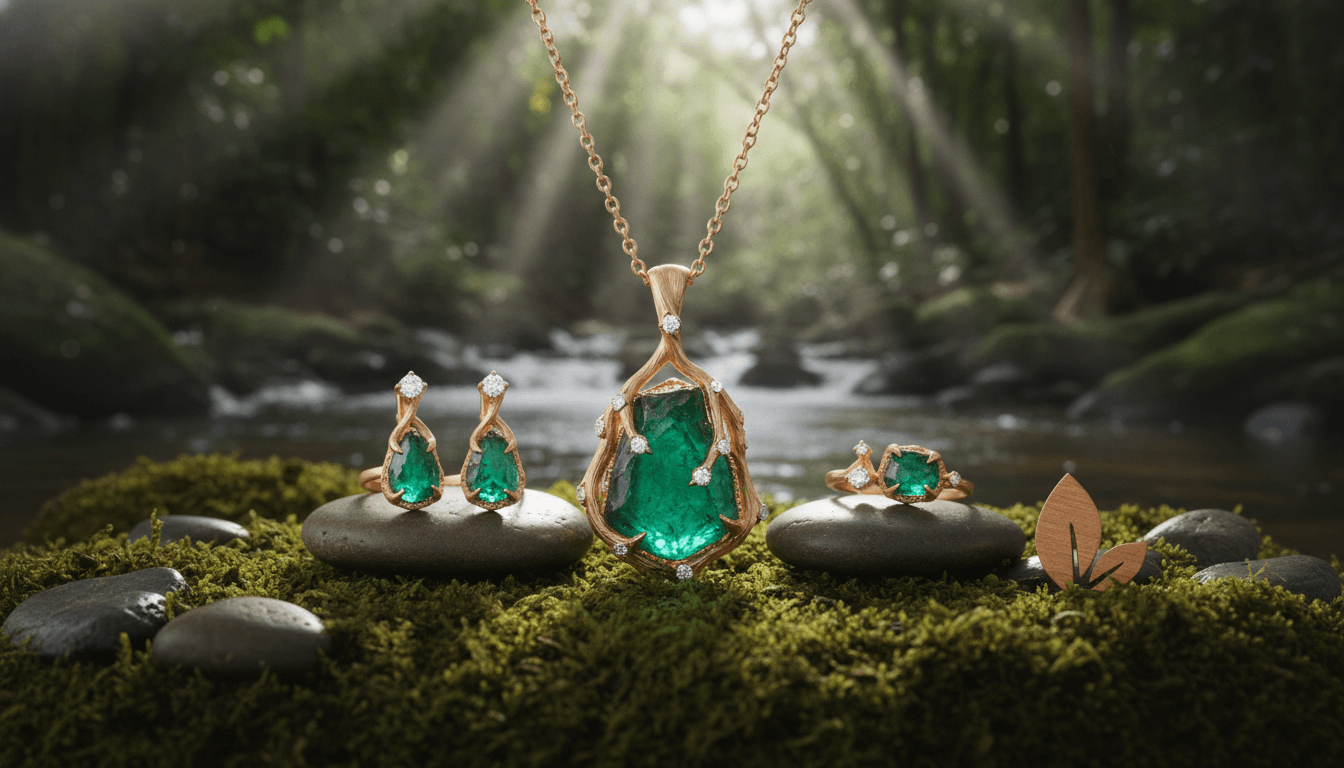
With environmental consciousness reshaping the luxury jewelry market, brands are prioritizing sustainability through ethically sourced materials, transparent supply chains, and eco-friendly production. Research indicates a surge in consumer demand for responsible luxury, driving brands to invest in sustainable practices. This article delves into the market dynamics, key innovations, and the profound impact of these trends on brand reputation and growth, offering insights into the future of high-end jewelry.
Cultural Influences in Luxury Jewelry Design: A Global Perspective
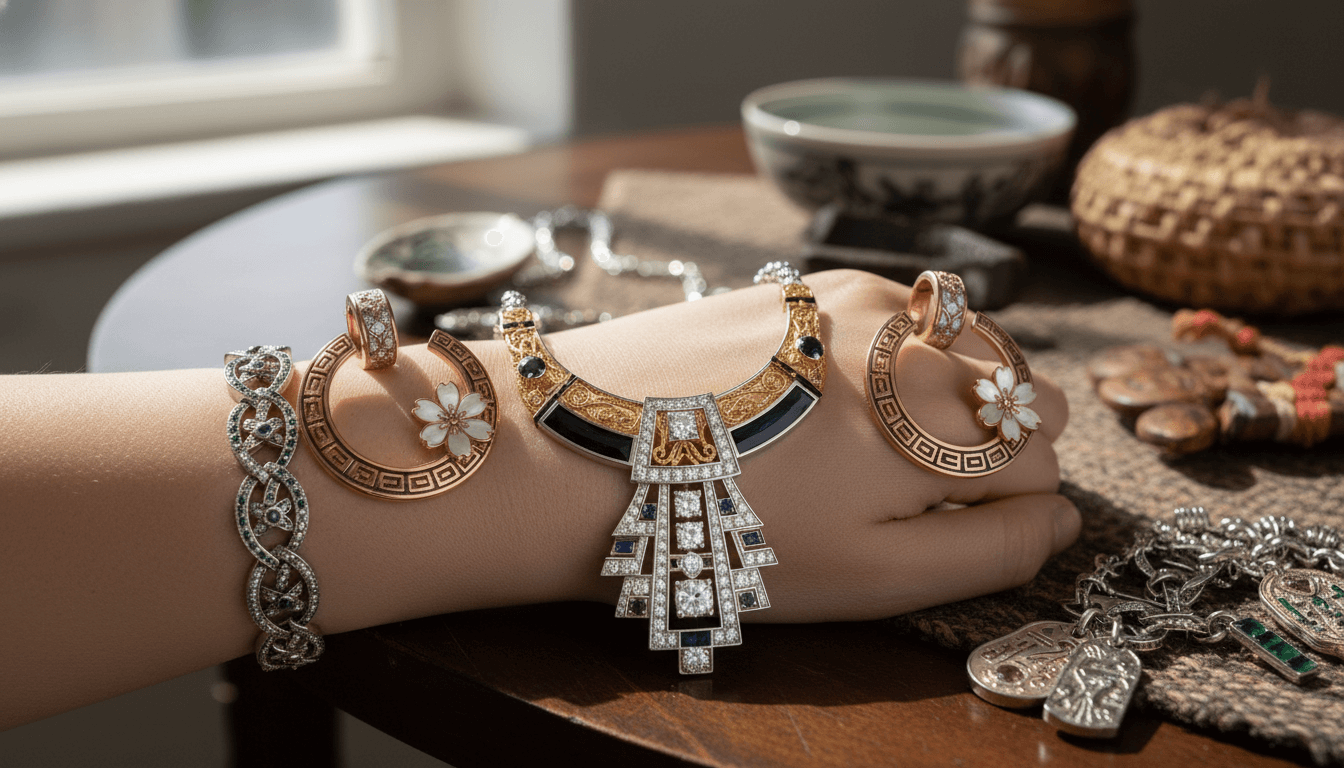
Luxury jewelry design is evolving through the integration of global cultural inspirations, fostering diverse design narratives and inclusive approaches. Brands are drawing from traditions, artistic movements, and fashion trends to create collections with broad appeal, expanding market reach and consumer engagement worldwide. This trend enhances creativity and resonates with a multicultural audience, positioning luxury jewelry as a bridge between heritage and modernity.
Luxury Jewelry Marketing Transformed: The Social Media Revolution
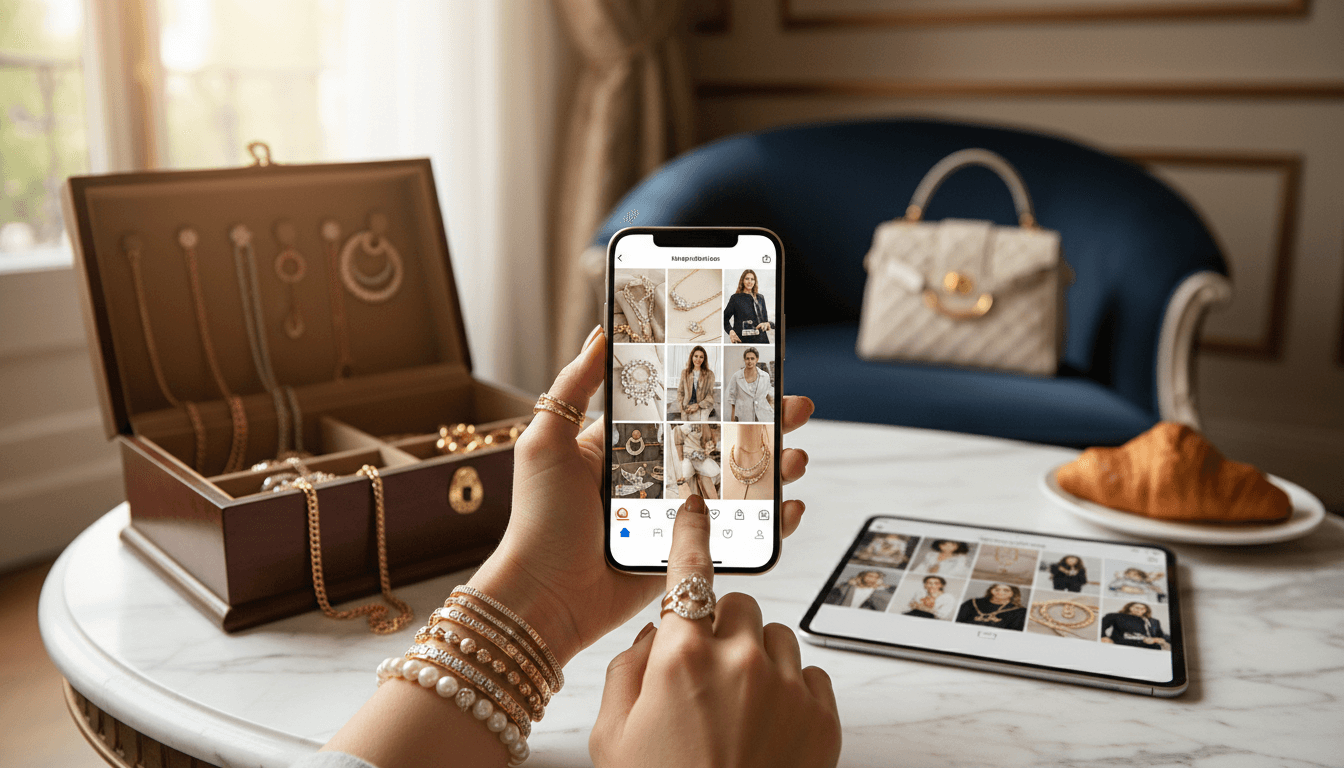
Social media is fundamentally reshaping luxury jewelry marketing by enabling direct engagement with younger, digitally-native consumers. Brands are adopting influencer collaborations, social commerce integrations, and immersive digital storytelling to create personalized experiences. This shift from traditional advertising to interactive platforms has accelerated discovery and purchasing, with 68% of luxury jewelry buyers under 35 citing social media as their primary discovery channel. The transformation emphasizes authenticity and accessibility while maintaining brand exclusivity.