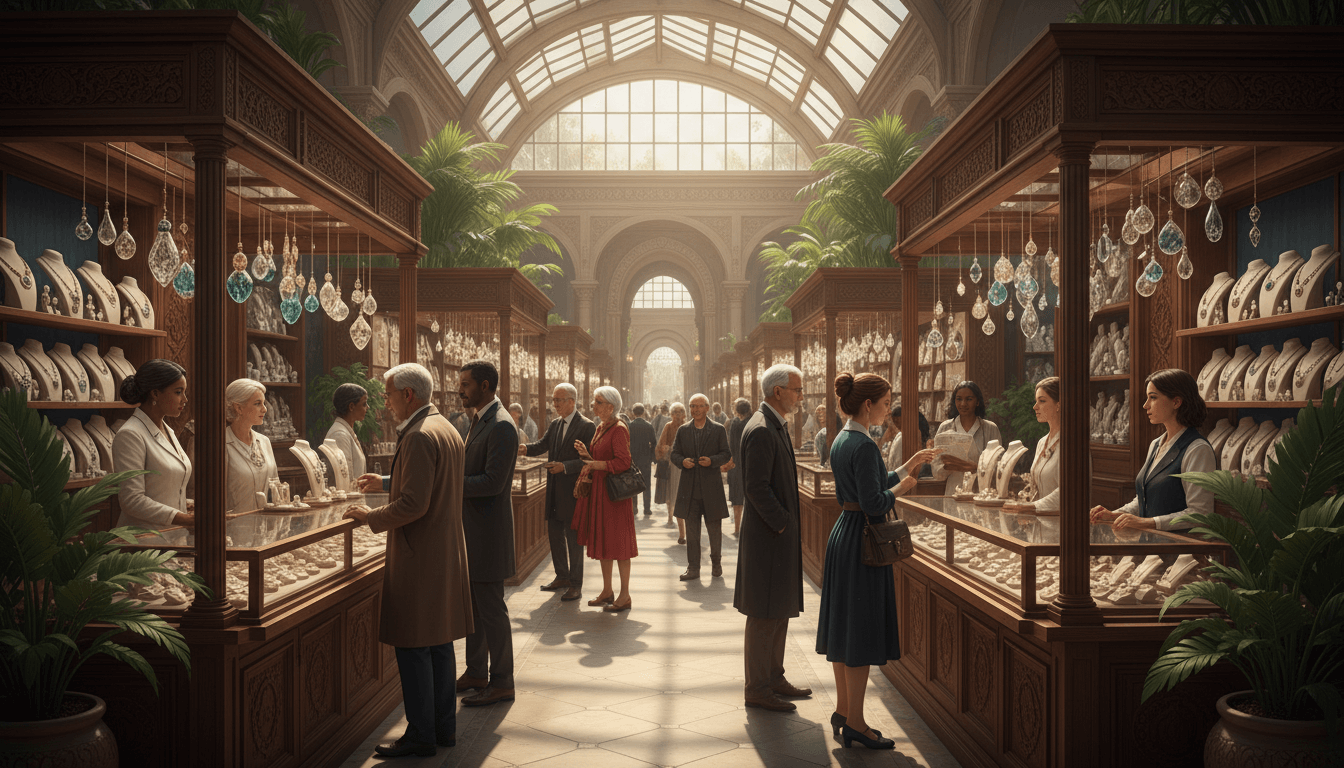
The global luxury jewelry market is a dynamic and evolving sector, characterized by distinct regional dynamics that influence growth, consumer behavior, and design preferences. According to Grand View Research, the Asia-Pacific region has emerged as the dominant force, accounting for 60.2% of the global market share, while North America holds the position as the second-largest market. This growth is propelled by factors such as rising disposable incomes, rapid urbanization, and expanding middle-class populations. In this comprehensive analysis, we delve into the regional variations, key drivers, and emerging trends that define the luxury jewelry landscape, offering insights for industry stakeholders and enthusiasts alike.
In-Depth Analysis
Asia-Pacific: The Powerhouse of Luxury Jewelry
Asia-Pacific's dominance in the luxury jewelry market, with a substantial 60.2% share, is underpinned by economic transformations and cultural shifts. Countries like China, India, and emerging Southeast Asian markets are at the forefront of this expansion. In China, the luxury jewelry sector has grown by over 15% annually, driven by urbanization rates exceeding 60% and a burgeoning middle class that values high-end brands for both personal adornment and investment. India follows closely, with a rich heritage in gold and gemstones, where traditional jewelry remains integral to cultural ceremonies, yet modern designs are gaining traction among younger consumers. Southeast Asia, including markets like Indonesia and Vietnam, showcases a blend of local craftsmanship and international luxury brands, contributing to a compound annual growth rate (CAGR) of 8-10% in the region. Key factors such as increased digital adoption for e-commerce and a preference for branded jewelry have further solidified Asia-Pacific's leadership, with projections indicating sustained growth through 2030.
Drivers of Market Expansion: Economic and Social Factors
The expansion of the luxury jewelry market is largely fueled by rising disposable incomes and urbanization. Globally, disposable income in emerging economies has increased by an average of 5-7% annually, enabling more consumers to allocate funds to luxury goods. In Asia-Pacific, this is particularly evident, where per capita income growth has outpaced other regions, leading to higher spending on jewelry as symbols of status and heritage. Urbanization, with over 50% of the world's population now residing in cities, has amplified access to luxury retail outlets and digital platforms, facilitating market penetration. Additionally, the growing middle class, estimated to reach 5.3 billion people by 2030, represents a vast consumer base that prioritizes quality and brand prestige. Social media and influencer marketing have also played pivotal roles, with platforms like Instagram and WeChat driving demand for innovative designs and limited-edition collections. These factors collectively contribute to a projected global market value of $480 billion by 2028, underscoring the resilience and adaptability of the luxury jewelry sector.
Regional Variations in Design Preferences and Consumption
Regional preferences in luxury jewelry design reflect cultural heritage and evolving consumer tastes. In Asia-Pacific, traditional designs dominate, with a strong emphasis on gold, jade, and pearls in markets like China and India, where jewelry often carries symbolic meanings tied to festivals and weddings. However, modern and minimalist styles are gaining popularity among urban millennials, leading to a 20% increase in sales of contemporary pieces. North America, as the second-largest market, favors versatility and sustainability, with consumers showing a preference for ethically sourced diamonds and customizable options; sales of lab-grown diamonds have surged by 30% in this region. Europe maintains a balance between classic elegance and avant-garde creations, with countries like France and Italy leading in haute joaillerie. Meanwhile, the Middle East exhibits a penchant for opulent, statement pieces, often incorporating precious stones like emeralds and sapphires. These variations necessitate tailored marketing strategies, with brands investing in regional collections to cater to local aesthetics, thereby enhancing global appeal and consumer engagement.
Key Growth Regions and Market Opportunities
Specific regions within the global landscape offer unparalleled growth opportunities for luxury jewelry. China remains a cornerstone, with its market expected to grow at a CAGR of 12% through 2027, fueled by digital luxury platforms and a rising affinity for Western brands. India follows with a projected CAGR of 10%, driven by increased gold consumption and the expansion of organized retail. Southeast Asian markets, including Thailand and Malaysia, are emerging hotspots, with growth rates of 8-9% attributable to tourism and economic diversification. Beyond Asia-Pacific, North America continues to innovate through experiential retail and sustainability initiatives, while Latin America shows promise with a growing appetite for luxury goods in countries like Brazil and Mexico. To capitalize on these opportunities, brands are leveraging data analytics to understand consumer behavior, introducing localized product lines, and enhancing omnichannel experiences. Strategic partnerships with local artisans and influencers further amplify reach, positioning these regions as critical pillars for future market expansion and revenue generation.
Key Takeaways
Asia-Pacific dominates the luxury jewelry market with a 60.2% share, driven by economic growth and cultural factors.
Rising disposable incomes and urbanization are key drivers, enabling broader consumer access to high-end jewelry.
Regional design preferences vary significantly, from traditional styles in Asia to modern, sustainable options in North America.
China, India, and Southeast Asia are primary growth regions, offering substantial opportunities for market expansion.
Adapting to local tastes and leveraging digital platforms are essential strategies for success in the global luxury jewelry sector.
Frequently Asked Questions
What factors contribute to Asia-Pacific's dominance in the luxury jewelry market?
Asia-Pacific's dominance, with a 60.2% market share, is driven by rising disposable incomes, rapid urbanization, and a growing middle class. Countries like China and India have seen annual growth rates of 10-15%, supported by cultural traditions that prioritize jewelry for occasions like weddings and festivals, as well as increased digital adoption for luxury shopping.
How do design preferences differ across regions in the luxury jewelry market?
Design preferences vary widely: Asia-Pacific favors traditional pieces with gold and gemstones, while North America leans toward modern, sustainable options like lab-grown diamonds. Europe emphasizes classic elegance, and the Middle East prefers opulent statement jewelry. These differences require brands to tailor collections to local tastes to maximize appeal.
Which regions are expected to see the highest growth in the luxury jewelry market?
Key growth regions include China, with a projected CAGR of 12%; India, at 10%; and Southeast Asian markets like Thailand and Malaysia, growing at 8-9%. These areas benefit from economic development, expanding retail infrastructure, and rising consumer demand for luxury goods.
What role does disposable income play in the expansion of the luxury jewelry market?
Rising disposable income, increasing by 5-7% annually in emerging economies, enables consumers to spend more on non-essential items like luxury jewelry. This economic factor is crucial in regions like Asia-Pacific, where it drives market penetration and brand loyalty, contributing to overall global growth.
Conclusion
The luxury jewelry market's regional dynamics highlight the pivotal role of Asia-Pacific, which commands a 60.2% share, while other regions like North America and Europe contribute to a diverse global landscape. Driven by economic factors such as disposable income and urbanization, alongside cultural preferences for traditional and modern designs, the market is poised for sustained growth. Key regions like China, India, and Southeast Asia offer immense opportunities, necessitating strategic adaptations by brands to cater to local tastes. As the industry evolves, embracing digital innovation and sustainability will be essential for capitalizing on these trends. By understanding these dynamics, stakeholders can navigate the complexities of the luxury jewelry market and foster long-term success in an increasingly competitive environment.
Tags
Related Articles
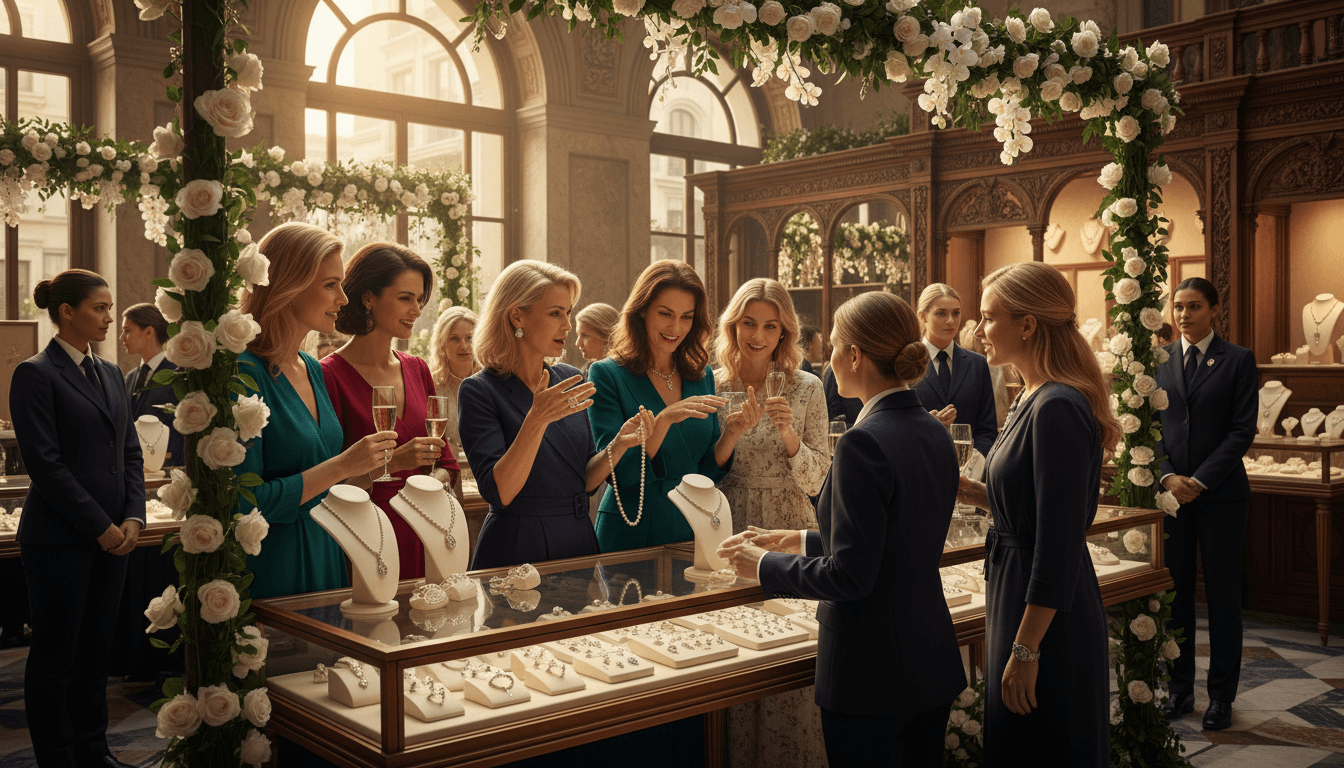
Women's Luxury Jewelry Market Dominance: Driving Forces and Future Outlook
Women hold a commanding position in the luxury jewelry market, generating 71.7% of total revenue according to Grand View Research. This dominance is fueled by increased workforce participation, rising disposable income, and evolving lifestyle preferences. Brands are responding with personalized, empowering designs and targeted marketing strategies. With women contributing approximately 40% of global wealth, their influence reshapes product innovation and market growth trajectories in the high-end jewelry sector.
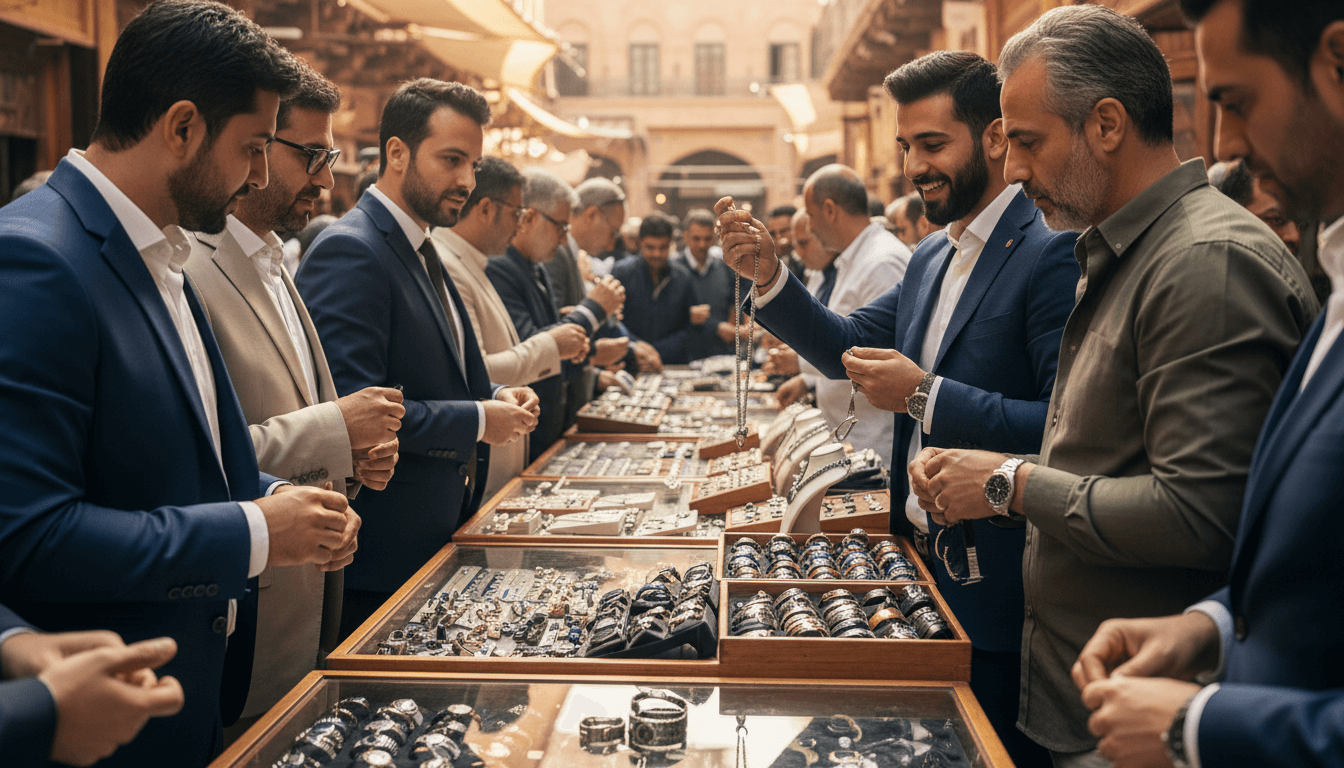
Men's Jewelry Market Expansion: Challenging Traditional Luxury Dynamics
The men's jewelry market is undergoing unprecedented growth, with the global market projected to reach $96.2 billion by 2030, growing at a CAGR of 8.3%. This expansion is driven by shifting gender norms, increasing fashion consciousness among male consumers, and powerful social media influence. Luxury brands are responding with sophisticated gender-neutral collections and innovative marketing strategies that redefine masculine adornment. The market transformation represents a fundamental shift in luxury consumption patterns, with male jewelry purchases increasing by 42% over the past five years alone.
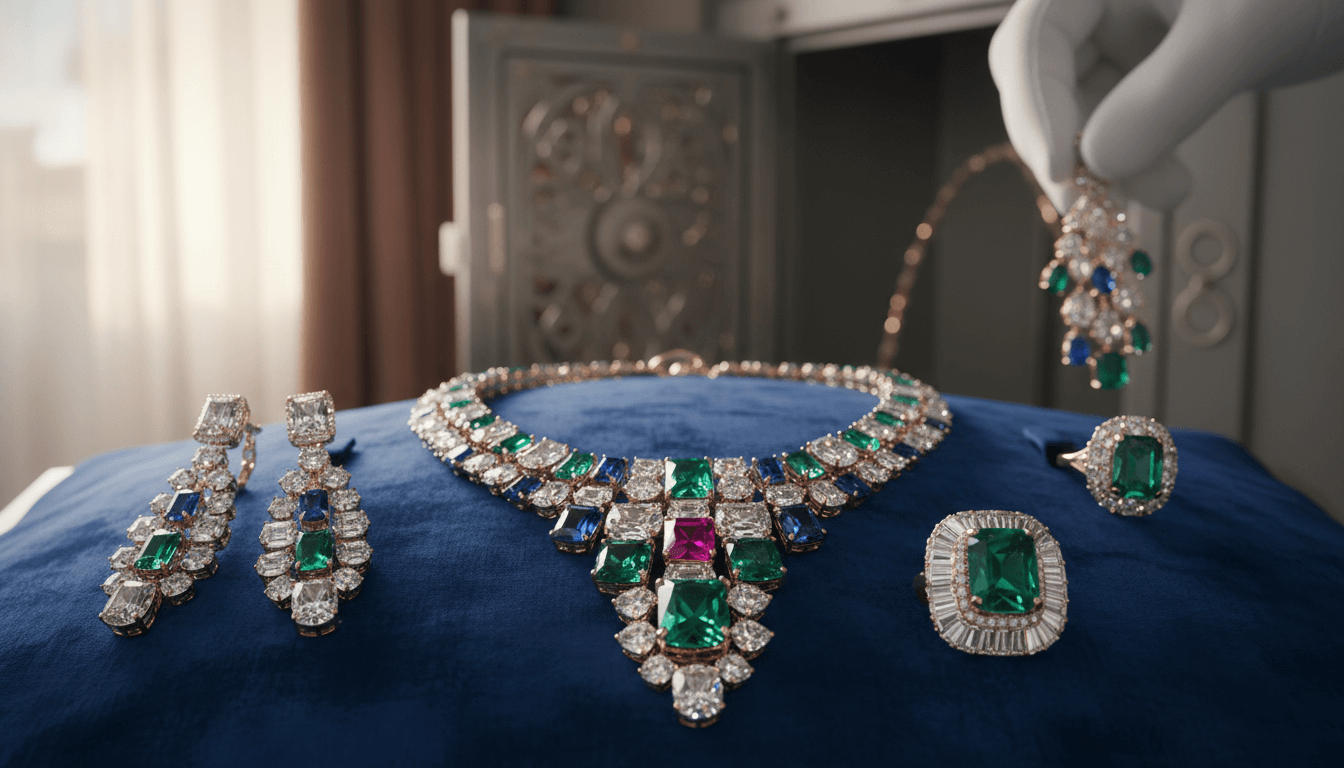
High Jewelry and Luxury Segment Insights: Resilience, Growth, and Strategic Shifts in 2024
The high jewelry segment demonstrates remarkable resilience in 2024, with the haute joaillerie category significantly outperforming lower-tier markets. According to Bain & Company, this segment is growing 0-2% at current exchange rates, contributing to a total market valuation of €31 billion. Brands are differentiating through unique designs, exceptional craftsmanship, and precious materials, while facing increasing competition from luxury fashion houses expanding into fine jewelry. This article explores the strategic approaches driving success in this exclusive market segment.
Luxury Jewelry Market Competitive Landscape: Innovation, Expansion, and Strategic Differentiation
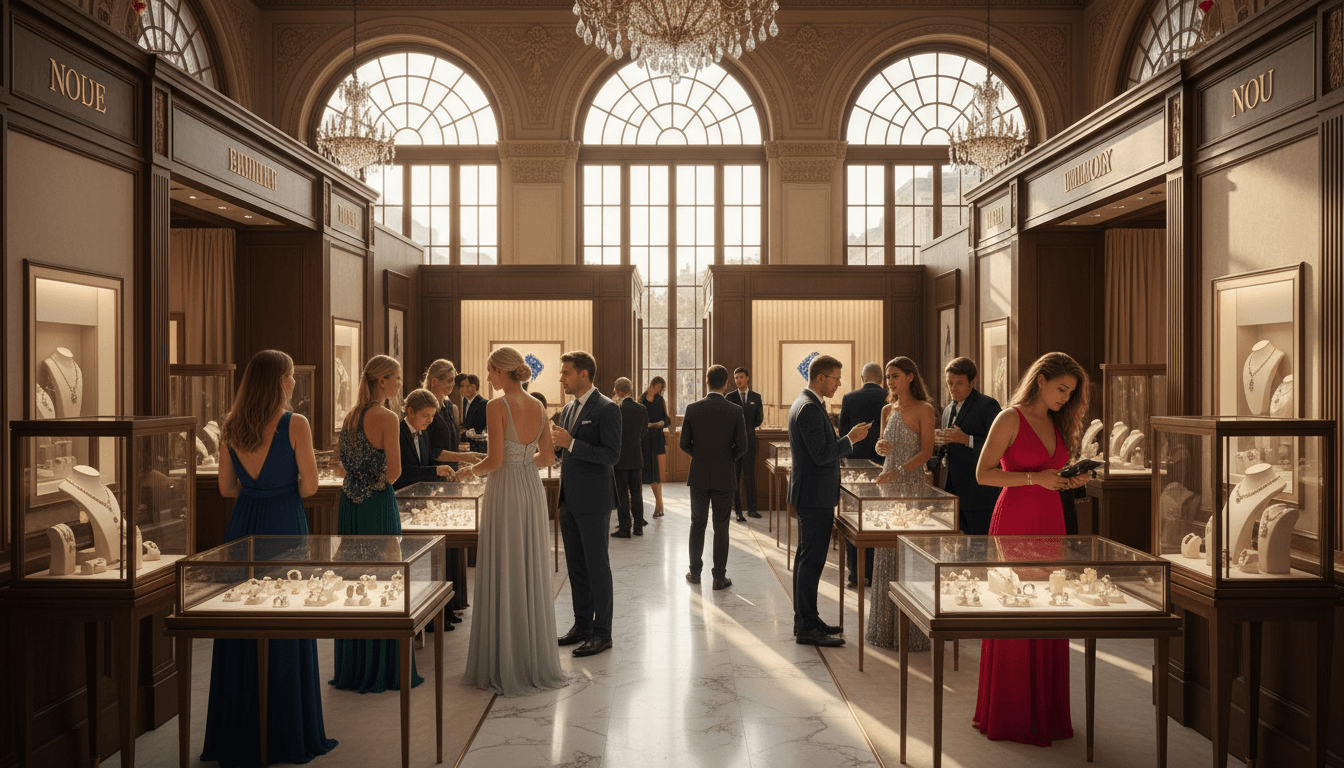
The global luxury jewelry market is experiencing intense competition, with established leaders like Tiffany & Co. and emerging brands vying for dominance. Differentiation is achieved through innovation in design, sustainable practices, and advanced marketing strategies. Key trends include global expansion into Asia-Pacific and Middle Eastern markets, strategic collaborations with fashion houses, and digital transformation. This analysis explores market dynamics, key players’ strategies, and future growth opportunities shaping the $30+ billion industry.
Emerging Markets and Luxury Jewelry Consumption: Key Trends and Strategies
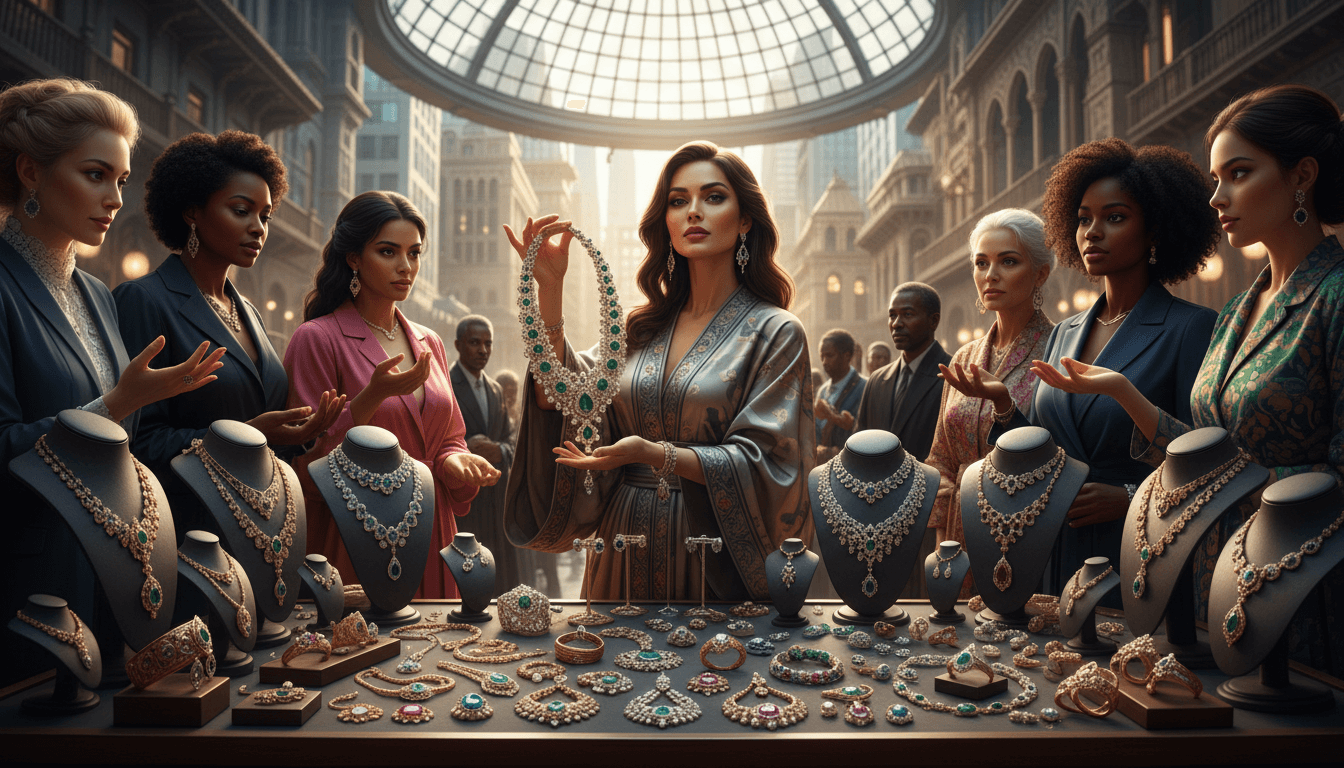
Emerging markets are transforming the global luxury jewelry landscape, with nations like China, India, and Indonesia experiencing unprecedented growth in consumption. This surge is fueled by expanding middle-class populations, rising disposable incomes, and evolving lifestyle aspirations. Brands are responding with targeted strategies, including localized marketing and digital engagement, to capture these lucrative opportunities. Understanding these dynamics is crucial for stakeholders navigating the future of luxury retail.
Sustainability in Luxury Jewelry: Ethical Sourcing, Transparent Supply Chains, and Eco-Conscious Production
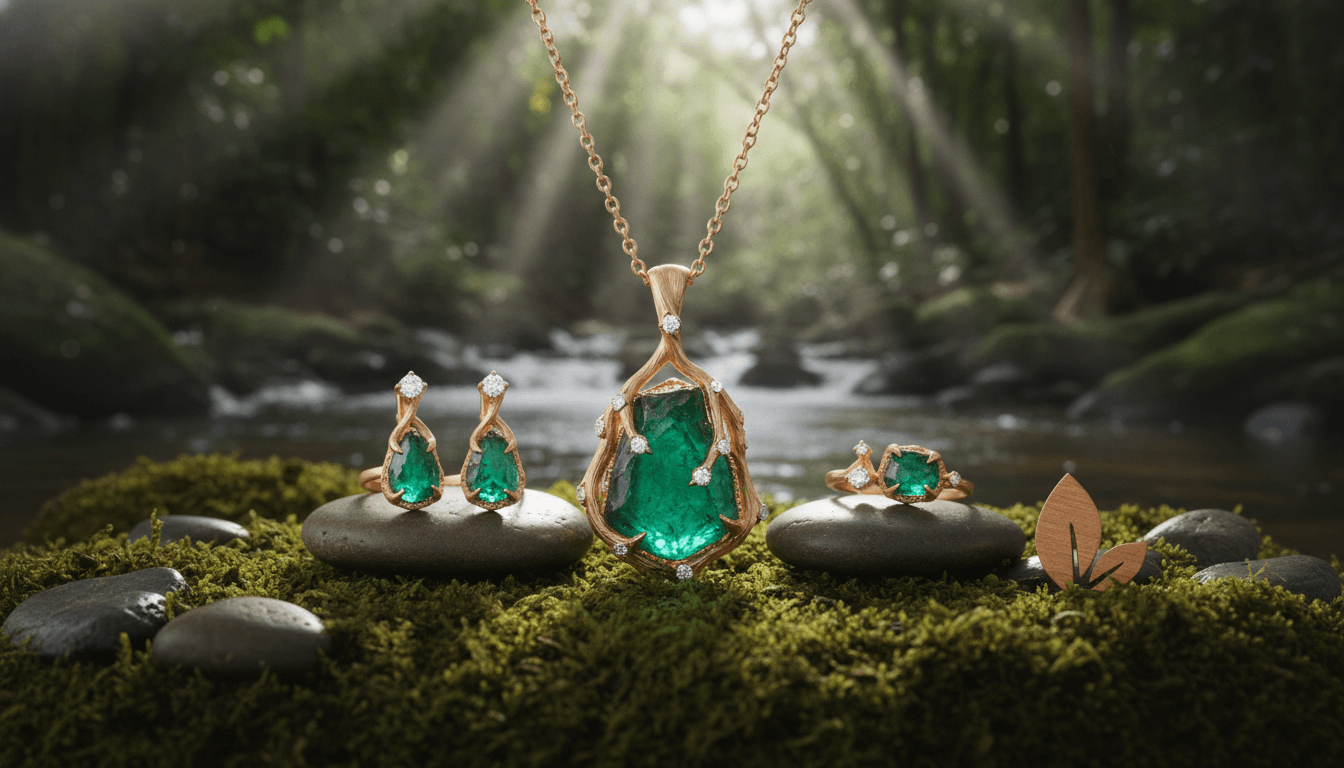
With environmental consciousness reshaping the luxury jewelry market, brands are prioritizing sustainability through ethically sourced materials, transparent supply chains, and eco-friendly production. Research indicates a surge in consumer demand for responsible luxury, driving brands to invest in sustainable practices. This article delves into the market dynamics, key innovations, and the profound impact of these trends on brand reputation and growth, offering insights into the future of high-end jewelry.