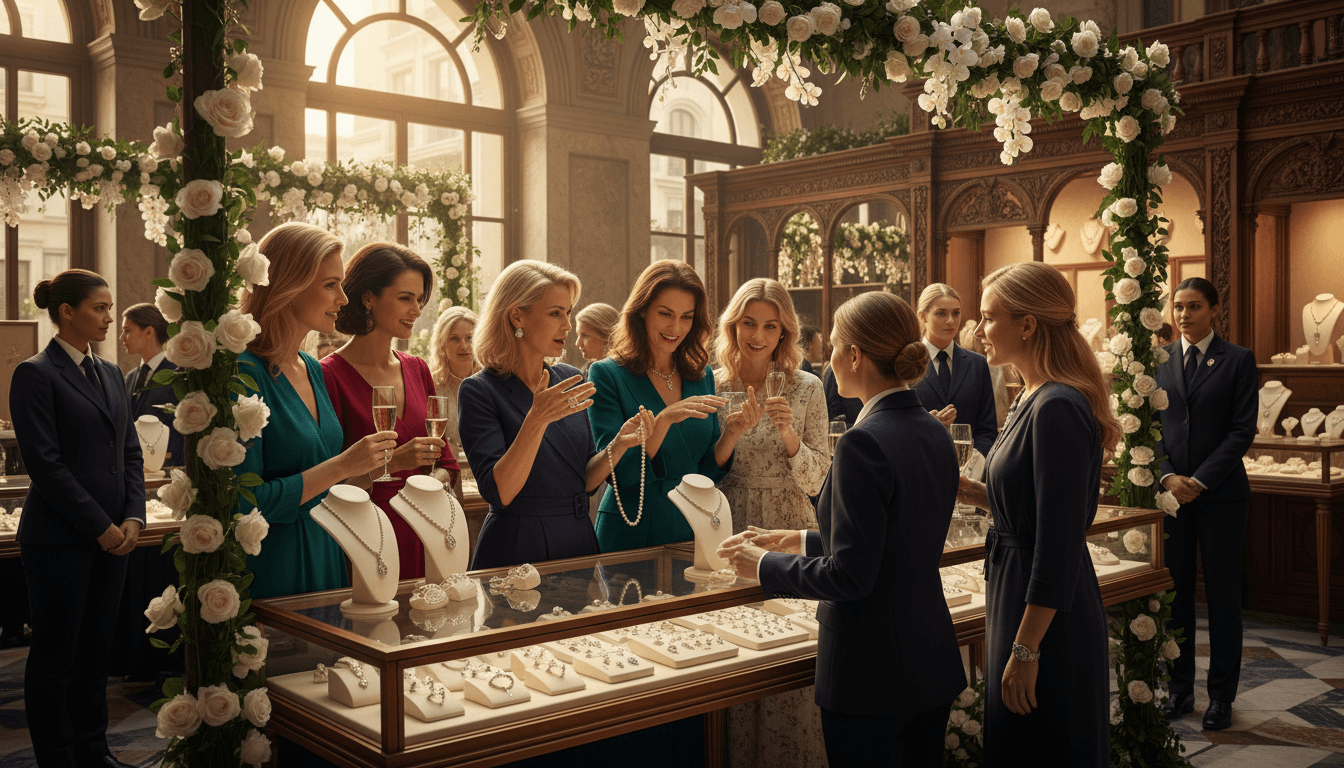
The luxury jewelry market is experiencing a paradigm shift, with women emerging as the unequivocal driving force behind its sustained growth and evolution. According to comprehensive data from Grand View Research, women account for a staggering 71.7% of total jewelry market revenue, establishing an undeniable dominance that brands can no longer overlook. This trend is underpinned by significant socioeconomic transformations, including rising female workforce participation, increased financial independence, and shifting lifestyle aspirations. As women now control approximately 40% of global wealth, their purchasing power and influence extend far beyond mere consumption, actively shaping design philosophies, marketing narratives, and industry innovation. This article delves into the multifaceted dynamics of women's luxury jewelry market dominance, examining the key drivers, brand responses, and future implications for stakeholders across the luxury landscape.
In-Depth Analysis
Quantifying Female Market Dominance
The numerical evidence supporting women's supremacy in the luxury jewelry sector is both compelling and transformative. The 71.7% revenue share attributed to female consumers represents not merely a majority but a commanding control over market direction and profitability. This figure becomes even more significant when contextualized within global wealth distribution patterns, where women contribute approximately 40% of worldwide wealth. The convergence of these statistics highlights a fundamental restructuring of consumer dynamics in high-end jewelry. Market analysis reveals that women's purchasing patterns differ substantially from traditional luxury consumption models, prioritizing emotional connection, personal significance, and self-expression over mere status display. This shift has forced luxury houses to reevaluate their entire value proposition, from design conception to retail experience. The female-driven market segment demonstrates consistent growth across all jewelry categories, including fine jewelry, bridal collections, and fashion accessories, with particular strength in diamond jewelry and colored gemstones where women influence over 75% of purchasing decisions.
Socioeconomic Drivers Fueling Market Growth
Multiple interconnected socioeconomic factors have converged to create the perfect environment for women's luxury jewelry market dominance. The most significant catalyst remains the dramatic increase in female workforce participation, which has generated unprecedented financial independence and disposable income. Over the past decade, women's entry into high-paying professional roles has accelerated, particularly in technology, finance, and entrepreneurship sectors. This economic empowerment has translated directly into purchasing power, with working women allocating significant portions of their discretionary spending toward luxury jewelry as both personal indulgences and investment assets. Simultaneously, changing lifestyle preferences have redefined jewelry's role in women's lives. No longer confined to special occasions or traditional gift-giving contexts, luxury jewelry has become integrated into everyday wear, professional attire, and personal branding. The modern consumer views high-end pieces as extensions of identity rather than mere adornments, driving demand for versatile, customizable designs that reflect individual personalities and achievements. This evolution in consumer mentality has created sustained demand rather than seasonal or occasion-based purchasing patterns.
Brand Evolution: From Traditional to Empowering Marketing
Luxury jewelry brands have undergone a fundamental transformation in their approach to female consumers, moving from traditional gender stereotypes to empowering, personalized marketing strategies. Leading houses now recognize that modern women seek more than beautiful objects; they demand narratives of strength, independence, and self-celebration. Marketing campaigns have shifted dramatically from focusing on jewelry as romantic gifts or status symbols to emphasizing self-purchase, career milestones, and personal achievements. Brands like Cartier, Tiffany & Co., and Bulgari have launched dedicated initiatives celebrating women's success stories, collaborating with female entrepreneurs, artists, and leaders as brand ambassadors. Personalization has emerged as a critical differentiator, with bespoke services, custom engraving, and modular designs allowing women to create pieces that tell their unique stories. Digital innovation has further enhanced this personal connection, with virtual try-on technology, AI-powered style recommendations, and social media integration creating seamless, engaging shopping experiences. The most successful brands have moved beyond product-centric messaging to build emotional communities where women share their jewelry journeys and empowerment stories.
Design Innovation Responding to Female Preferences
The design landscape in luxury jewelry has evolved significantly to align with women's changing preferences and lifestyle needs. Contemporary collections increasingly feature versatile pieces that transition effortlessly from daytime professional settings to evening engagements, reflecting the multifaceted nature of modern women's lives. Designers are incorporating practical elements like convertible necklaces, stackable rings, and interchangeable components that offer maximum styling flexibility. There's growing emphasis on pieces that carry personal significance, with symbolic motifs, birthstone integrations, and meaningful inscriptions gaining popularity. Sustainability and ethical sourcing have become crucial considerations, with environmentally conscious female consumers demanding transparency in material sourcing and production processes. Technologically advanced materials and innovative craftsmanship techniques are being employed to create jewelry that withstands daily wear while maintaining aesthetic appeal. The trend toward 'investment jewelry'—pieces that hold or appreciate in value—has particularly resonated with financially savvy female consumers, driving demand for high-quality materials, exceptional craftsmanship, and limited edition collections from prestigious maisons.
Regional Variations and Global Market Implications
While women's dominance in luxury jewelry is a global phenomenon, significant regional variations influence market dynamics and growth trajectories. In North America and Europe, established markets show steady growth driven by replacement purchasing and collection building among affluent professional women. The Asia-Pacific region, particularly China and Southeast Asia, demonstrates explosive growth potential, with rising female entrepreneurship and rapidly expanding middle-class populations. In Middle Eastern markets, traditional gold jewelry remains dominant, though there's growing interest in contemporary designs among younger, educated women. Latin American markets show strong preference for colorful gemstones and bold designs that reflect cultural heritage. These regional differences necessitate tailored strategies from global luxury brands, including localized collections, culturally relevant marketing, and region-specific retail experiences. The globalization of luxury has also created cross-cultural influences, with Western brands incorporating Eastern motifs and Asian designers gaining international recognition. Understanding these nuanced regional preferences while maintaining brand consistency represents a key challenge and opportunity for luxury jewelry houses targeting female consumers worldwide.
Key Takeaways
Women generate 71.7% of luxury jewelry market revenue, establishing clear market dominance
Female workforce participation and control of 40% global wealth drive purchasing power
Personalized, empowering marketing strategies effectively engage modern female consumers
Versatile, meaningful designs that reflect personal stories resonate strongest with women
Regional variations require tailored approaches while maintaining global brand identity
Frequently Asked Questions
What percentage of luxury jewelry market revenue comes from women consumers?
According to Grand View Research data, women account for 71.7% of total luxury jewelry market revenue, demonstrating overwhelming market dominance and purchasing influence across all jewelry categories and price segments.
How has women's workforce participation impacted luxury jewelry consumption?
Increased female workforce participation has directly translated into greater financial independence and disposable income, enabling more women to purchase luxury jewelry for themselves rather than waiting for gifts. This shift has created consistent, self-driven demand and changed how brands market their products.
What design features are most important to female luxury jewelry consumers?
Modern female consumers prioritize versatility, personal significance, quality craftsmanship, and ethical sourcing. Convertible pieces, customizable elements, meaningful symbols, and sustainable practices resonate strongly with women seeking jewelry that reflects their values and lifestyle.
How are luxury brands adapting their marketing strategies for female consumers?
Brands have shifted from traditional romantic gift narratives to empowerment-focused messaging celebrating women's achievements, self-purchase, and independence. They're incorporating personalization, digital engagement, and community building while collaborating with influential women across various fields.
Conclusion
The dominance of women in the luxury jewelry market represents a fundamental and permanent shift in consumer dynamics that will continue to shape industry evolution. With 71.7% revenue share and control of approximately 40% of global wealth, female consumers have established themselves as the primary drivers of market growth, innovation, and brand direction. The convergence of socioeconomic factors—including increased workforce participation, financial independence, and evolving lifestyle preferences—has created a powerful consumer segment that demands more than traditional luxury offerings. Successful brands recognize that engaging modern women requires empowering narratives, personalized experiences, and designs that reflect their multifaceted lives and values. As the market continues to evolve, the brands that most effectively understand and respond to female consumers' changing needs will secure competitive advantage in an increasingly crowded landscape. The future of luxury jewelry undoubtedly belongs to those who embrace women not just as customers but as partners in shaping the industry's direction and definition of value.
Tags
Related Articles
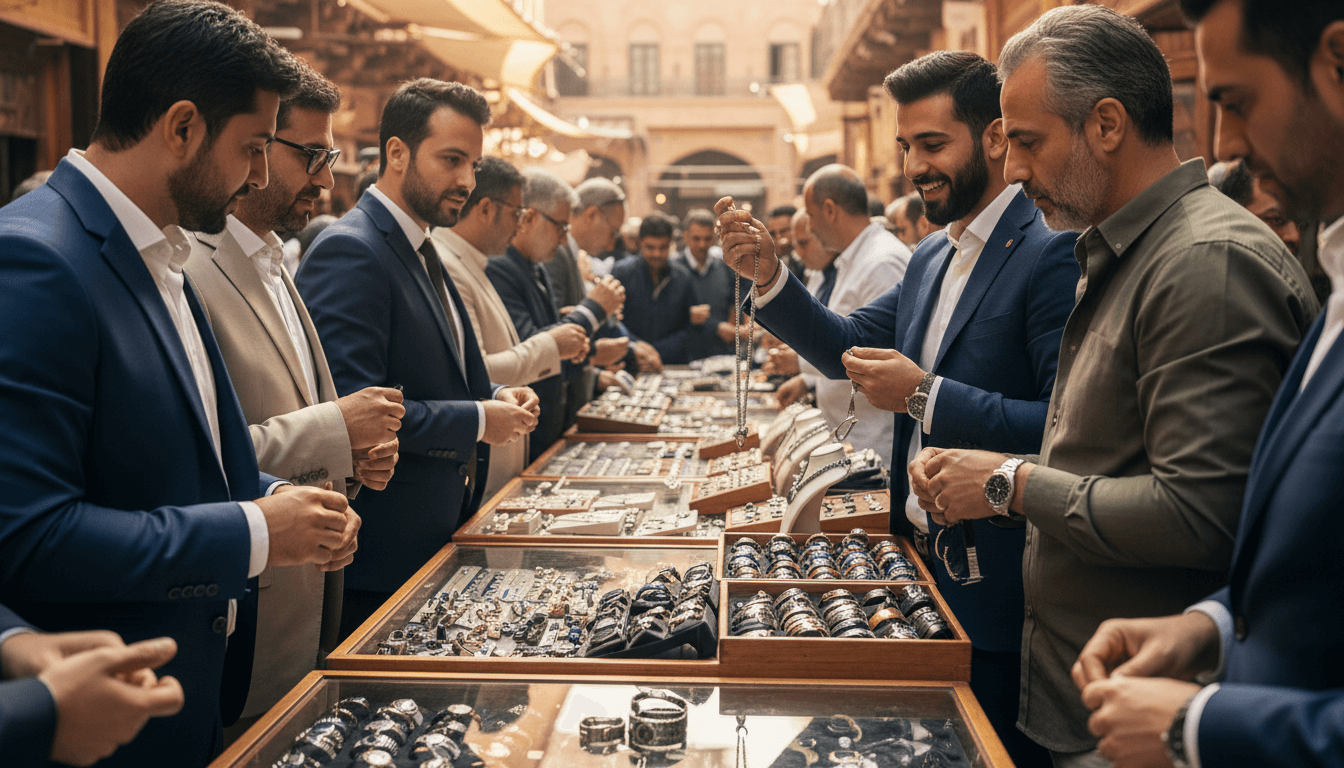
Men's Jewelry Market Expansion: Challenging Traditional Luxury Dynamics
The men's jewelry market is undergoing unprecedented growth, with the global market projected to reach $96.2 billion by 2030, growing at a CAGR of 8.3%. This expansion is driven by shifting gender norms, increasing fashion consciousness among male consumers, and powerful social media influence. Luxury brands are responding with sophisticated gender-neutral collections and innovative marketing strategies that redefine masculine adornment. The market transformation represents a fundamental shift in luxury consumption patterns, with male jewelry purchases increasing by 42% over the past five years alone.
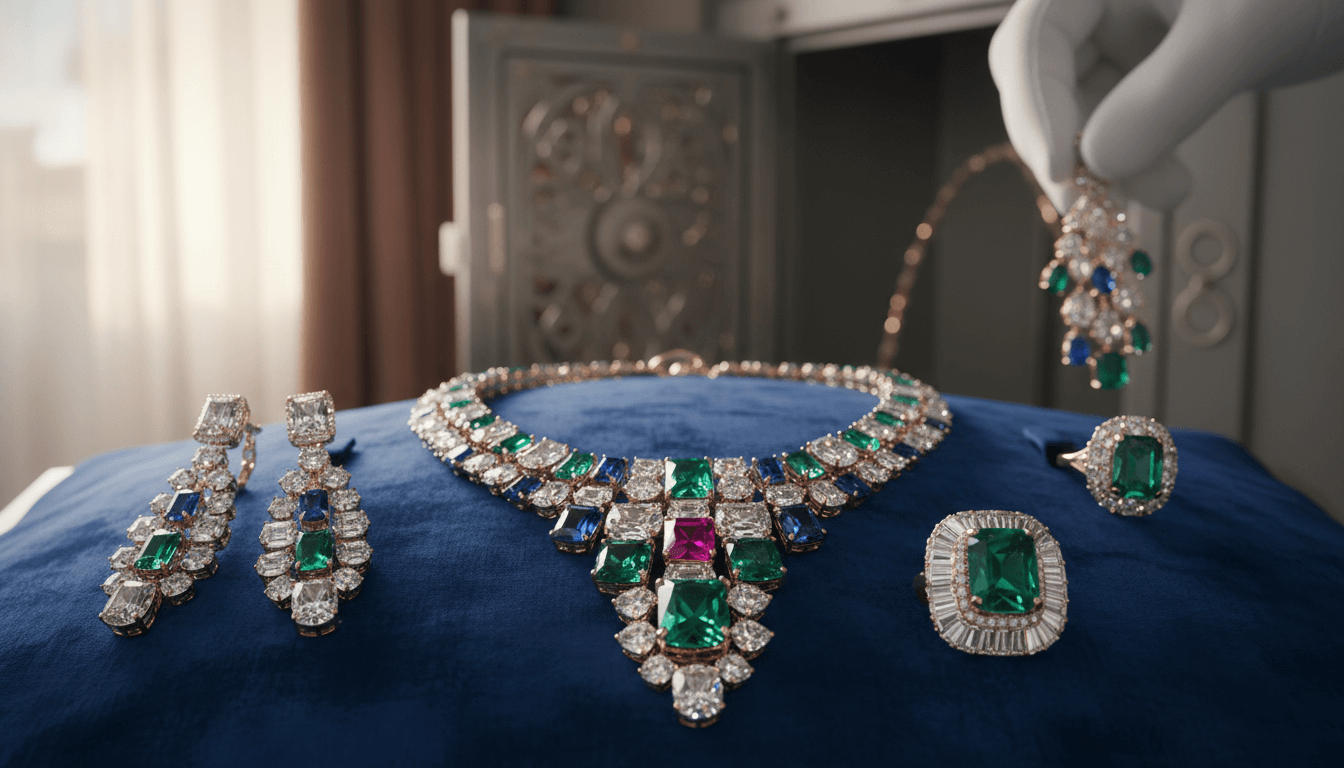
High Jewelry and Luxury Segment Insights: Resilience, Growth, and Strategic Shifts in 2024
The high jewelry segment demonstrates remarkable resilience in 2024, with the haute joaillerie category significantly outperforming lower-tier markets. According to Bain & Company, this segment is growing 0-2% at current exchange rates, contributing to a total market valuation of €31 billion. Brands are differentiating through unique designs, exceptional craftsmanship, and precious materials, while facing increasing competition from luxury fashion houses expanding into fine jewelry. This article explores the strategic approaches driving success in this exclusive market segment.
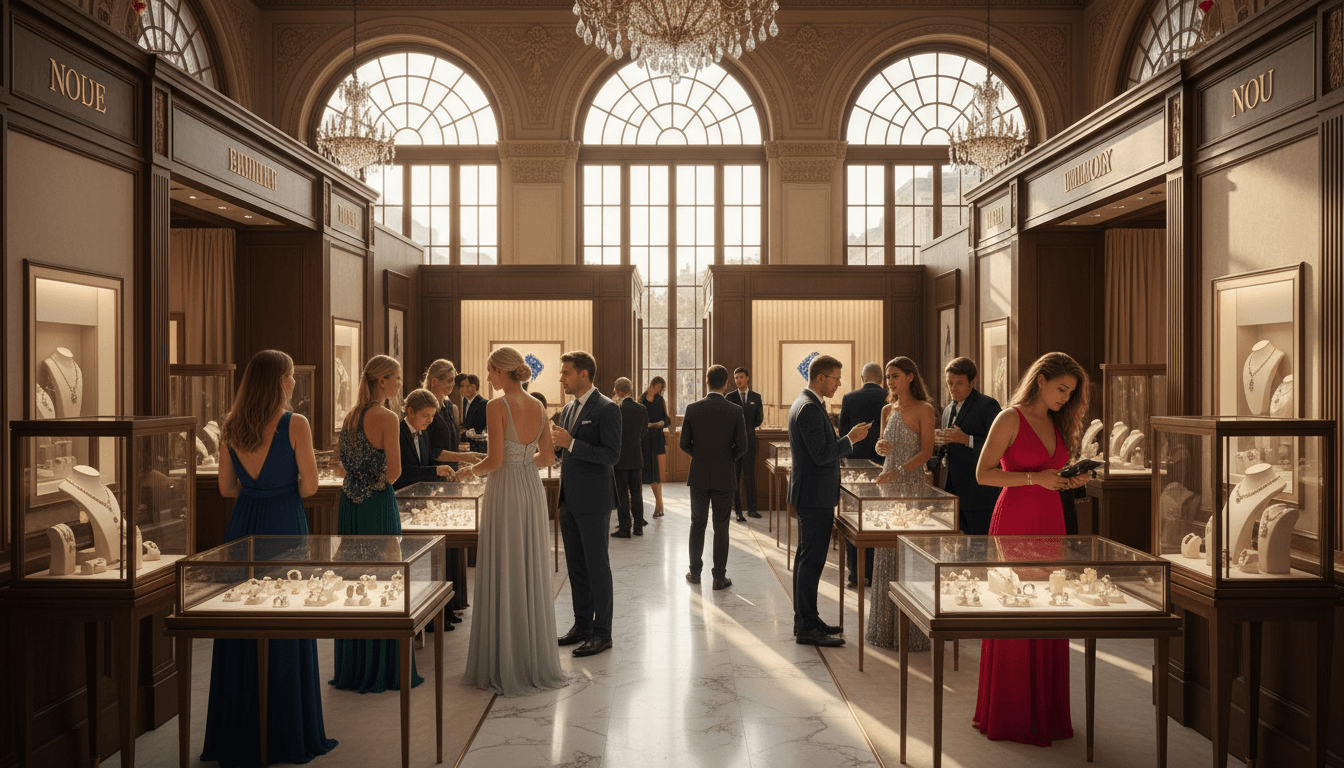
Luxury Jewelry Market Competitive Landscape: Innovation, Expansion, and Strategic Differentiation
The global luxury jewelry market is experiencing intense competition, with established leaders like Tiffany & Co. and emerging brands vying for dominance. Differentiation is achieved through innovation in design, sustainable practices, and advanced marketing strategies. Key trends include global expansion into Asia-Pacific and Middle Eastern markets, strategic collaborations with fashion houses, and digital transformation. This analysis explores market dynamics, key players’ strategies, and future growth opportunities shaping the $30+ billion industry.
Emerging Markets and Luxury Jewelry Consumption: Key Trends and Strategies
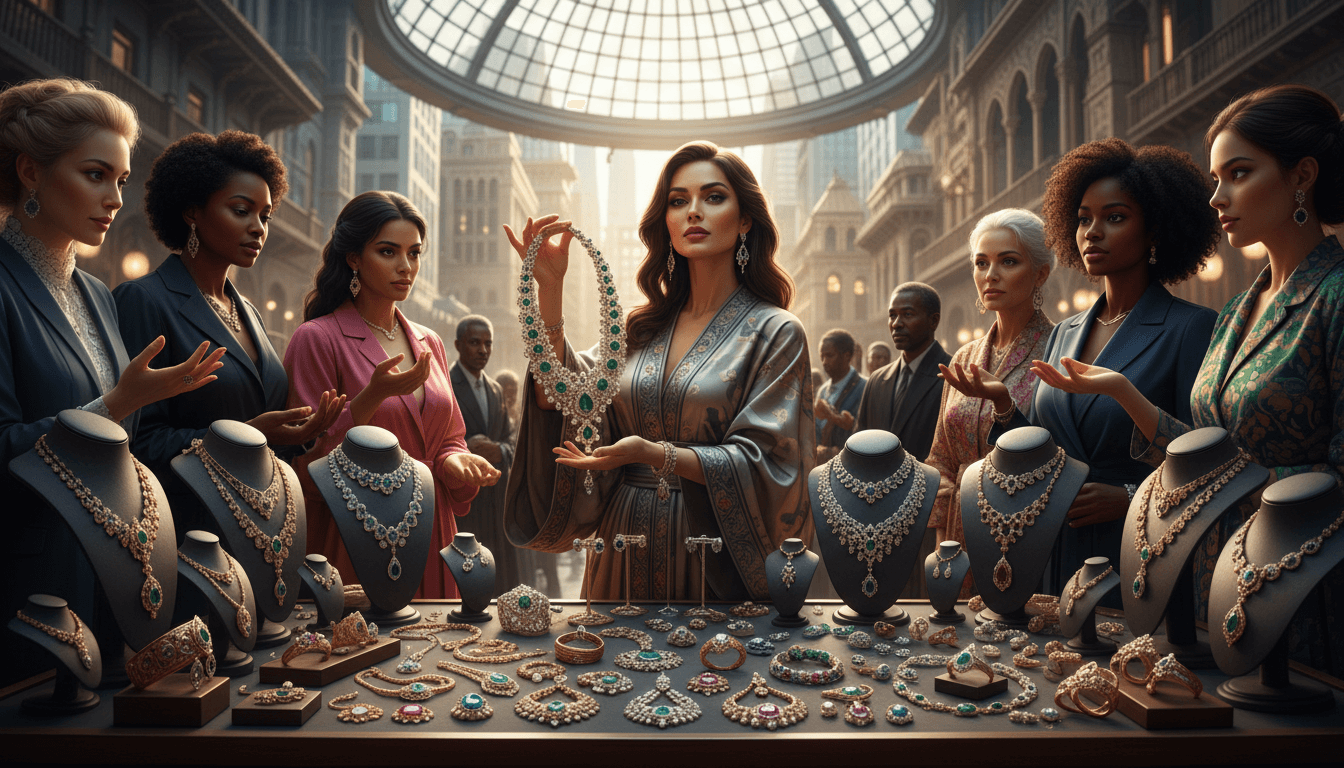
Emerging markets are transforming the global luxury jewelry landscape, with nations like China, India, and Indonesia experiencing unprecedented growth in consumption. This surge is fueled by expanding middle-class populations, rising disposable incomes, and evolving lifestyle aspirations. Brands are responding with targeted strategies, including localized marketing and digital engagement, to capture these lucrative opportunities. Understanding these dynamics is crucial for stakeholders navigating the future of luxury retail.
Sustainability in Luxury Jewelry: Ethical Sourcing, Transparent Supply Chains, and Eco-Conscious Production
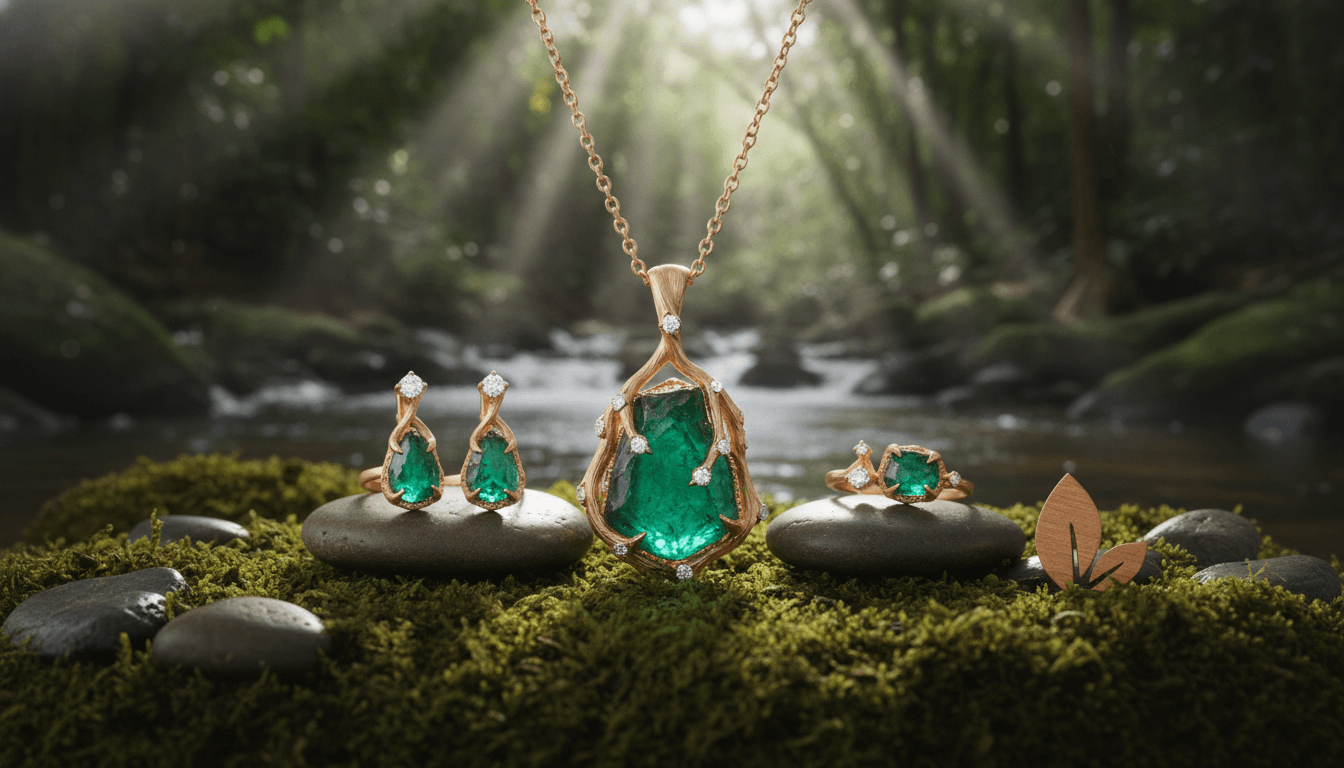
With environmental consciousness reshaping the luxury jewelry market, brands are prioritizing sustainability through ethically sourced materials, transparent supply chains, and eco-friendly production. Research indicates a surge in consumer demand for responsible luxury, driving brands to invest in sustainable practices. This article delves into the market dynamics, key innovations, and the profound impact of these trends on brand reputation and growth, offering insights into the future of high-end jewelry.
Cultural Influences in Luxury Jewelry Design: A Global Perspective
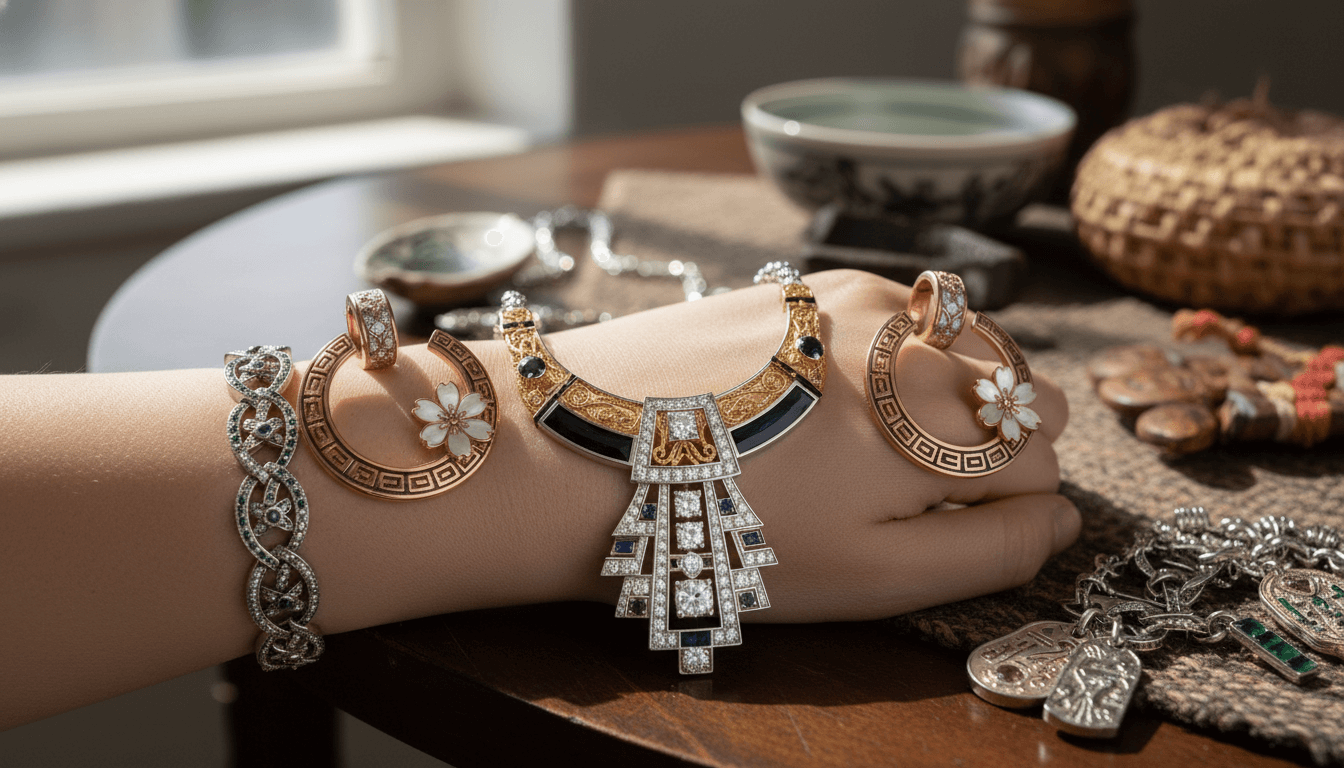
Luxury jewelry design is evolving through the integration of global cultural inspirations, fostering diverse design narratives and inclusive approaches. Brands are drawing from traditions, artistic movements, and fashion trends to create collections with broad appeal, expanding market reach and consumer engagement worldwide. This trend enhances creativity and resonates with a multicultural audience, positioning luxury jewelry as a bridge between heritage and modernity.