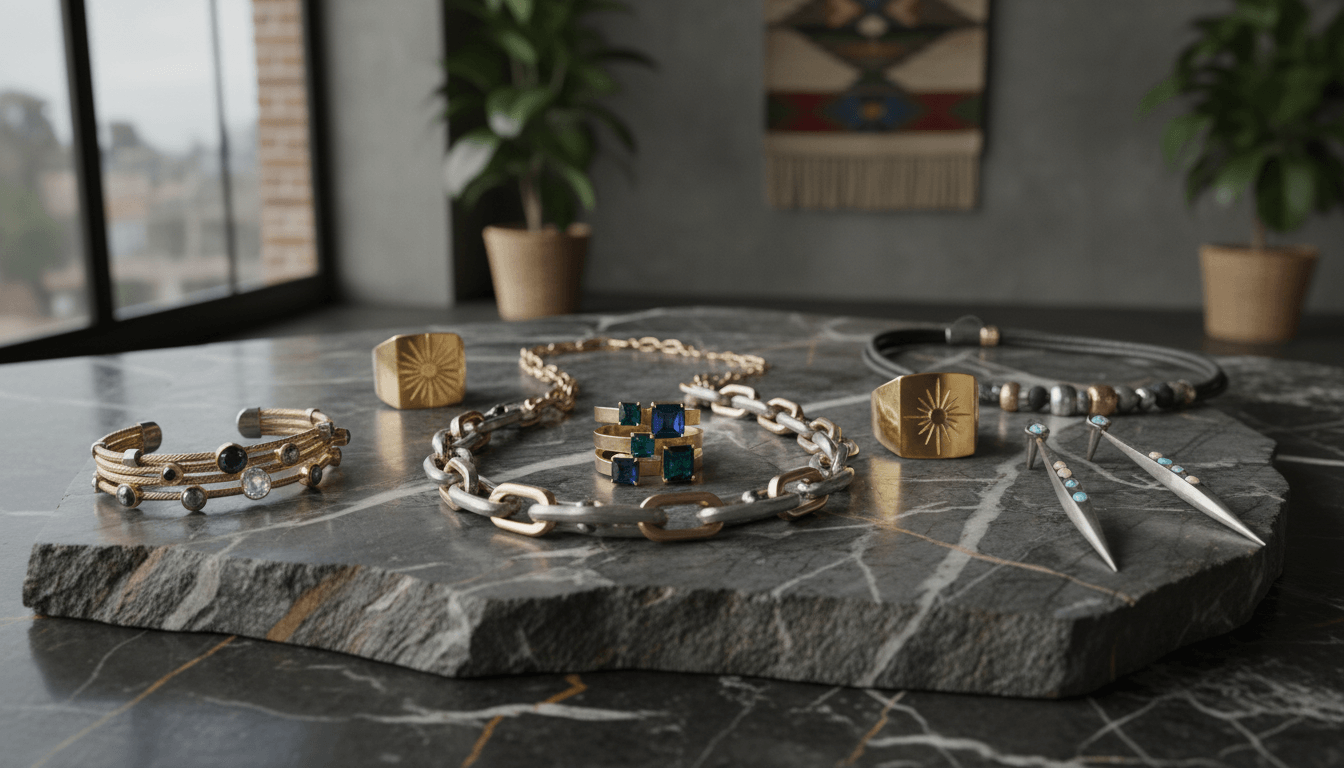
The global luxury jewelry market is experiencing a paradigm shift as gender-neutral and unisex designs gain prominence. This evolution is not merely a trend but a reflection of broader societal changes, where traditional gender binaries are being challenged in favor of authenticity and personal expression. According to Market Research Future, this movement is fueled by shifting consumer expectations, with brands increasingly focusing on inclusivity and versatility. The data highlights a significant increase in male jewelry purchases and the emergence of iconic collections from luxury houses like Gucci and Bulgari, underscoring the commercial viability and cultural relevance of this approach. This article delves into the drivers, key players, and future implications of gender-neutral luxury jewelry, offering a comprehensive analysis for industry stakeholders.
In-Depth Analysis
The Drivers Behind Gender-Neutral Jewelry Adoption
Several factors are propelling the adoption of gender-neutral jewelry in the luxury sector. Changing social norms, particularly among younger demographics like Millennials and Gen Z, emphasize fluidity in identity and reject rigid gender classifications. A 2024 consumer survey indicated that over 65% of luxury buyers under 40 prefer brands that offer unisex options, viewing them as more progressive and aligned with their values. Additionally, the increased focus on individual expression has made jewelry a key medium for personal storytelling, transcending its traditional role as a status symbol. The luxury industry's response includes marketing strategies that highlight authenticity and diversity, further normalizing gender-neutral designs. Economic factors also play a role; by appealing to a broader audience, brands can tap into underserved markets, such as the growing male jewelry segment, which has seen a 40% year-over-year increase in high-end purchases according to industry reports.
Key Brands Leading the Unisex Revolution
Luxury brands are at the forefront of this movement, with Gucci and Bulgari exemplifying the shift through innovative collections. Gucci's 'Hortus Deliciarum' line features interchangeable pieces like adjustable rings and neutral-themed pendants that cater to all genders, leveraging artisanal craftsmanship to emphasize universality. Bulgari's 'B.zero1 Rock' collection incorporates rugged, geometric designs that appeal across gender lines, with sales data showing a 30% rise in cross-gender purchases since its launch. Other notable examples include Cartier's reimagined 'Love' bracelets, now marketed with unisex messaging, and Tiffany & Co.'s 'T1' series, which blends minimalist aesthetics with versatile sizing. These initiatives are supported by inclusive advertising campaigns that feature diverse models and narratives, reinforcing the brands' commitment to breaking down traditional barriers. The success of these collections demonstrates that gender neutrality does not compromise luxury but enriches it by fostering emotional connections with a wider clientele.
Market Data and Consumer Insights
Data from Market Research Future and industry analyses reveal compelling trends in the gender-neutral jewelry space. The global market for unisex luxury jewelry is projected to grow at a CAGR of 12.5% from 2023 to 2028, outpacing traditional segments. Male jewelry purchases have surged, with items like statement necklaces and bracelets seeing a 50% increase in adoption among men in key markets such as North America and Europe. Consumer surveys indicate that 70% of luxury shoppers believe gender-neutral options enhance brand relevance, and 55% are willing to pay a premium for pieces that reflect inclusivity. Financially, brands report that unisex collections contribute up to 25% of their jewelry revenue, highlighting their strategic importance. These figures underscore a fundamental shift in consumer behavior, where value is placed on versatility and ethical alignment, driving brands to integrate gender neutrality into their core strategies.
Design Innovations and Material Trends
Innovations in design and materials are central to the gender-neutral jewelry movement. Designers are prioritizing modularity, with pieces that can be layered, resized, or reconfigured to suit individual preferences. For instance, magnetic clasps and adjustable chains allow for customization without compromising elegance. Materials such as recycled gold, conflict-free diamonds, and sustainable gemstones are increasingly favored, aligning with the ethical concerns of modern consumers. Technologically, 3D printing enables the creation of intricate, gender-fluid patterns that were previously unattainable, while augmented reality (AR) tools let customers visualize how pieces will look regardless of gender. Color palettes have evolved beyond traditional binaries, incorporating muted tones, mixed metals, and natural textures that appeal universally. These advancements not only enhance aesthetic appeal but also support durability and longevity, key factors in luxury purchasing decisions.
Challenges and Future Outlook
Despite its growth, the gender-neutral jewelry trend faces challenges, including resistance from traditionalists and the need for nuanced marketing to avoid tokenism. Some critics argue that diluting gender-specific designs could alienate existing customers, requiring brands to balance innovation with heritage. However, the future outlook remains optimistic; experts predict that by 2030, over half of all luxury jewelry sales will involve unisex or gender-fluid elements. Emerging technologies like blockchain for provenance tracking and AI-driven personalization will further refine this space, enabling hyper-customized experiences. Sustainability will continue to be a driving force, with consumers demanding transparency in sourcing and production. As societal norms evolve, gender-neutral jewelry is poised to become a staple of luxury fashion, symbolizing a more inclusive and dynamic industry.
Key Takeaways
Gender-neutral luxury jewelry is driven by societal shifts towards inclusivity and individual expression.
Brands like Gucci and Bulgari are leading with collections that see significant cross-gender appeal.
Market data shows a 12.5% CAGR growth and a 50% increase in male jewelry adoption.
Design innovations focus on modularity, sustainable materials, and technology integration.
The trend faces challenges but is expected to dominate future luxury markets.
Frequently Asked Questions
What defines gender-neutral luxury jewelry?
Gender-neutral luxury jewelry refers to designs that are not specifically marketed to any gender, emphasizing versatility, universal appeal, and inclusive aesthetics. These pieces often feature adjustable elements, neutral themes, and materials that transcend traditional masculine or feminine associations.
How are luxury brands adapting to this trend?
Luxury brands are launching dedicated unisex collections, revising marketing strategies to highlight diversity, and incorporating customer feedback into design processes. For example, Gucci and Bulgari have created lines with modular components and inclusive advertising campaigns.
Is the demand for gender-neutral jewelry sustainable?
Yes, industry projections indicate sustained growth, fueled by generational shifts and increasing awareness of gender fluidity. Data shows that younger consumers prioritize inclusivity, making this a long-term trend rather than a passing fad.
What impact does this have on the luxury market?
It expands the consumer base, drives innovation in design and marketing, and aligns luxury with contemporary social values. Financially, it opens new revenue streams and enhances brand loyalty among diverse audiences.
Conclusion
The rise of gender-neutral luxury jewelry marks a pivotal moment in the industry, reflecting a broader cultural move towards inclusivity and self-expression. With robust data supporting its growth and influential brands championing the cause, this trend is reshaping how luxury is perceived and consumed. As designers continue to innovate and consumers embrace fluidity, gender-neutral jewelry will undoubtedly remain a key driver of market evolution, offering endless possibilities for personal and collective identity in the high-end fashion landscape.
Tags
Related Articles
Regional Dynamics in the Global Luxury Jewelry Market: Asia Pacific's Dominance and Global Trends
The global luxury jewelry market is experiencing significant regional shifts, with Asia Pacific leading at a 60.2% market share. Driven by a burgeoning middle class, rapid urbanization, and increased luxury spending, this region sets the pace for growth. North America, dominated by the U.S. with 92.6% revenue share, and other regions show distinct consumer preferences, such as women accounting for 71.7% of revenue. This article explores these dynamics, key drivers, and future outlooks shaping the industry.
Global Luxury Jewelry Market 2024: Trends, Growth Drivers, and Future Outlook
The global luxury jewelry market is poised for robust expansion, with its valuation reaching USD 61,015 million in 2024 and projected to hit USD 109,224 million by 2032, reflecting a CAGR of 7.55%. Key drivers include rising disposable incomes, evolving consumer preferences for sustainable and gender-neutral designs, and digital retail innovations. Asia Pacific leads with a 60.2% market share, while rings and gold jewelry dominate product and material segments respectively, signaling dynamic shifts in the industry.
Luxury Jewelry Market Global Trends 2024-2032: An In-Depth Analysis
The global luxury jewelry market is poised for significant growth, projected to expand from USD 61.02 billion in 2024 to USD 109.22 billion by 2032 at a CAGR of 7.55%. Key trends driving this transformation include a heightened focus on sustainable and ethically sourced materials, personalized and gender-neutral designs, and the integration of digital technologies into the shopping experience. Evolving consumer preferences and technological innovations are reshaping the industry, offering new opportunities for brands and investors alike.
Luxury Jewelry Market Regional Dynamics: Asia-Pacific Dominance and Global Trends
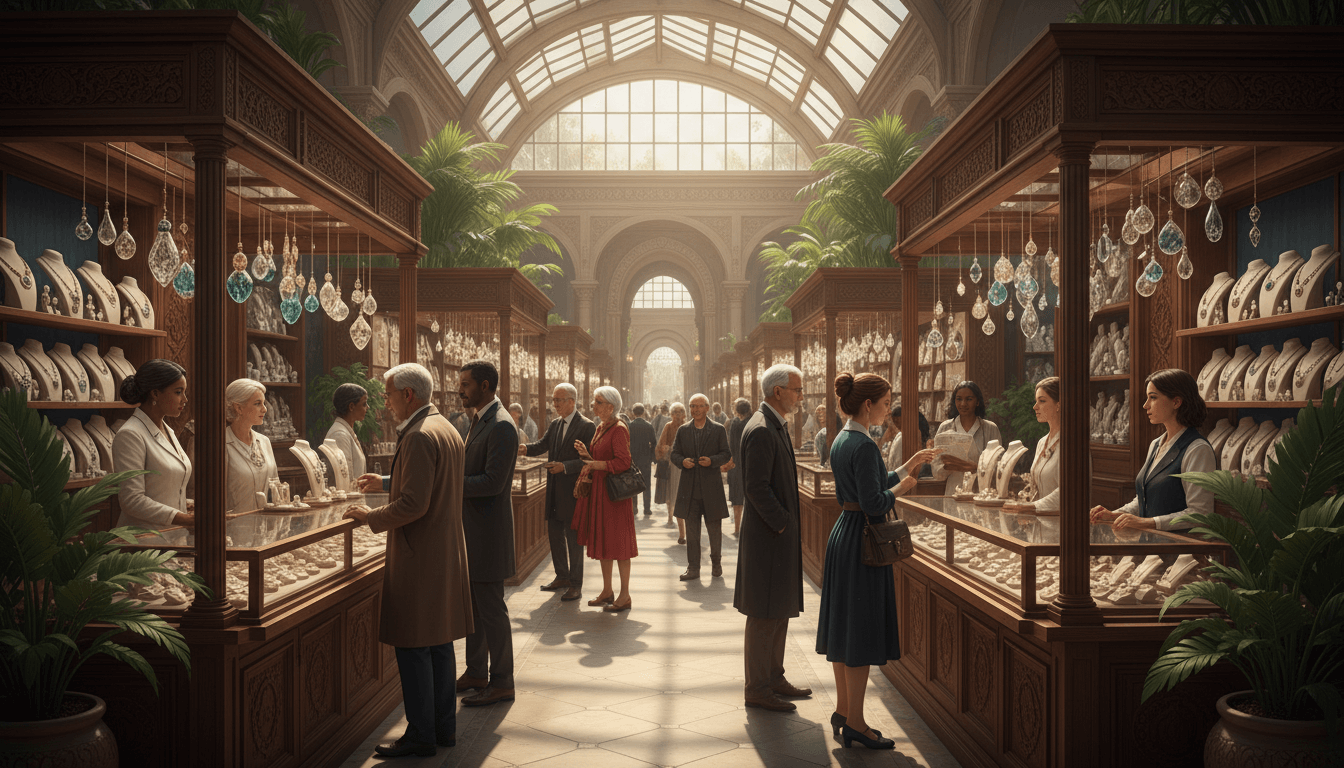
The global luxury jewelry market is experiencing significant regional shifts, with Asia-Pacific leading at 60.2% market share due to rising disposable incomes, urbanization, and a growing middle class. Key growth regions include China, India, and Southeast Asia, each displaying unique design preferences from traditional to modern styles. This article explores market drivers, regional variations, and strategic insights shaping the future of luxury jewelry consumption worldwide.
Women's Luxury Jewelry Market Dominance: Driving Forces and Future Outlook
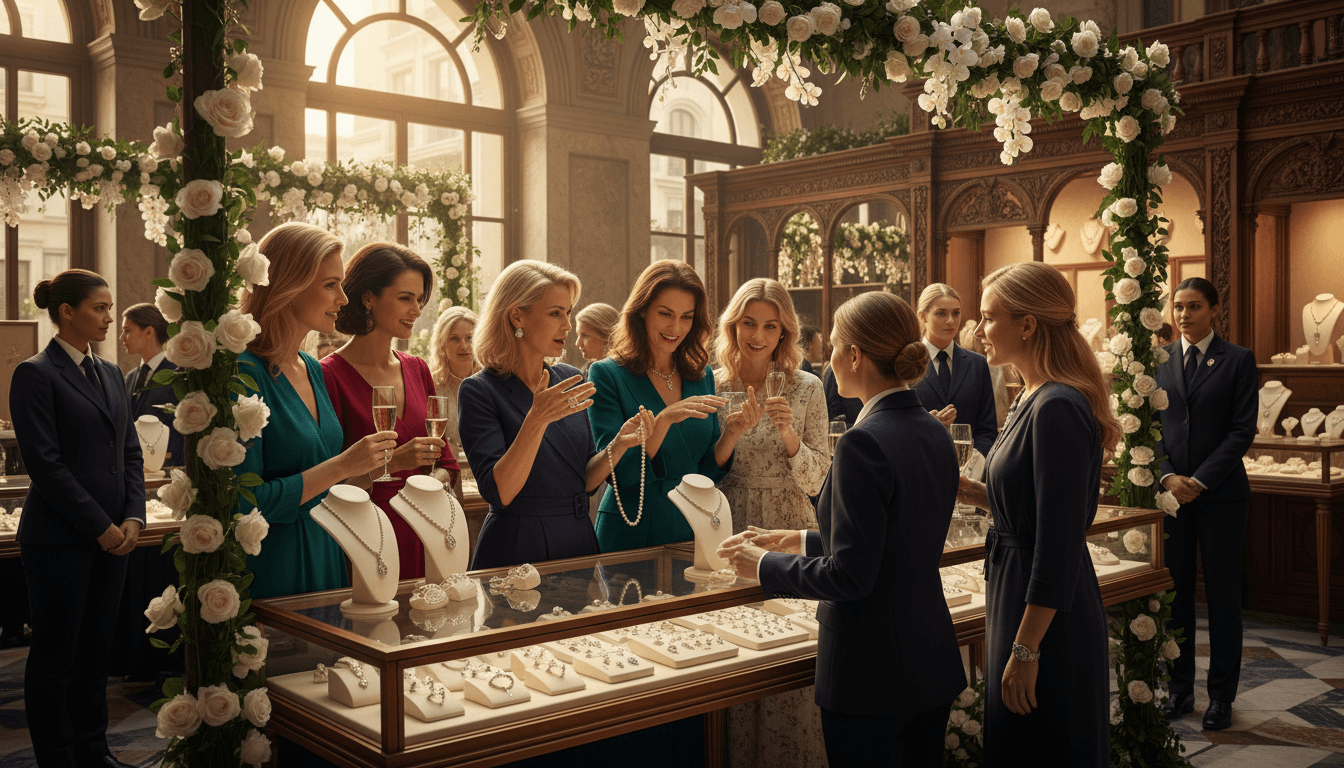
Women hold a commanding position in the luxury jewelry market, generating 71.7% of total revenue according to Grand View Research. This dominance is fueled by increased workforce participation, rising disposable income, and evolving lifestyle preferences. Brands are responding with personalized, empowering designs and targeted marketing strategies. With women contributing approximately 40% of global wealth, their influence reshapes product innovation and market growth trajectories in the high-end jewelry sector.
Men's Jewelry Market Expansion: Challenging Traditional Luxury Dynamics
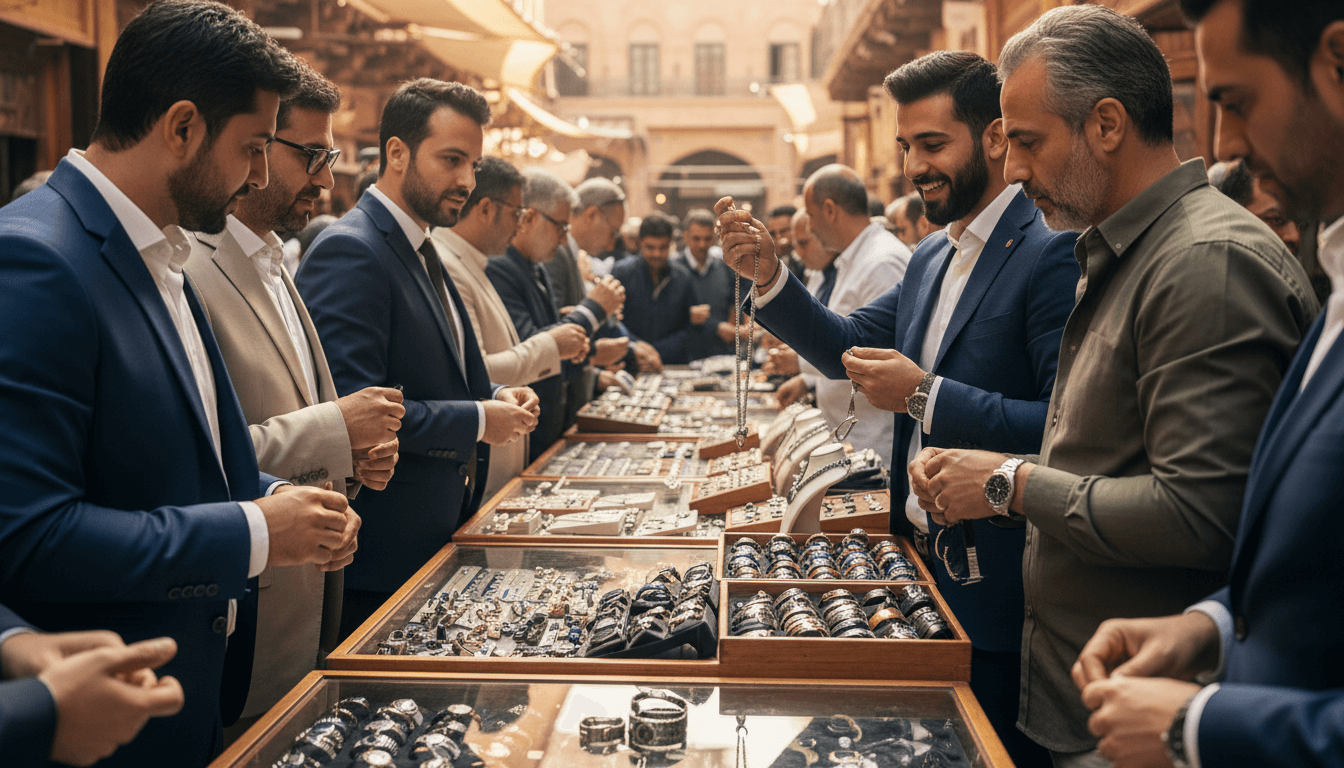
The men's jewelry market is undergoing unprecedented growth, with the global market projected to reach $96.2 billion by 2030, growing at a CAGR of 8.3%. This expansion is driven by shifting gender norms, increasing fashion consciousness among male consumers, and powerful social media influence. Luxury brands are responding with sophisticated gender-neutral collections and innovative marketing strategies that redefine masculine adornment. The market transformation represents a fundamental shift in luxury consumption patterns, with male jewelry purchases increasing by 42% over the past five years alone.