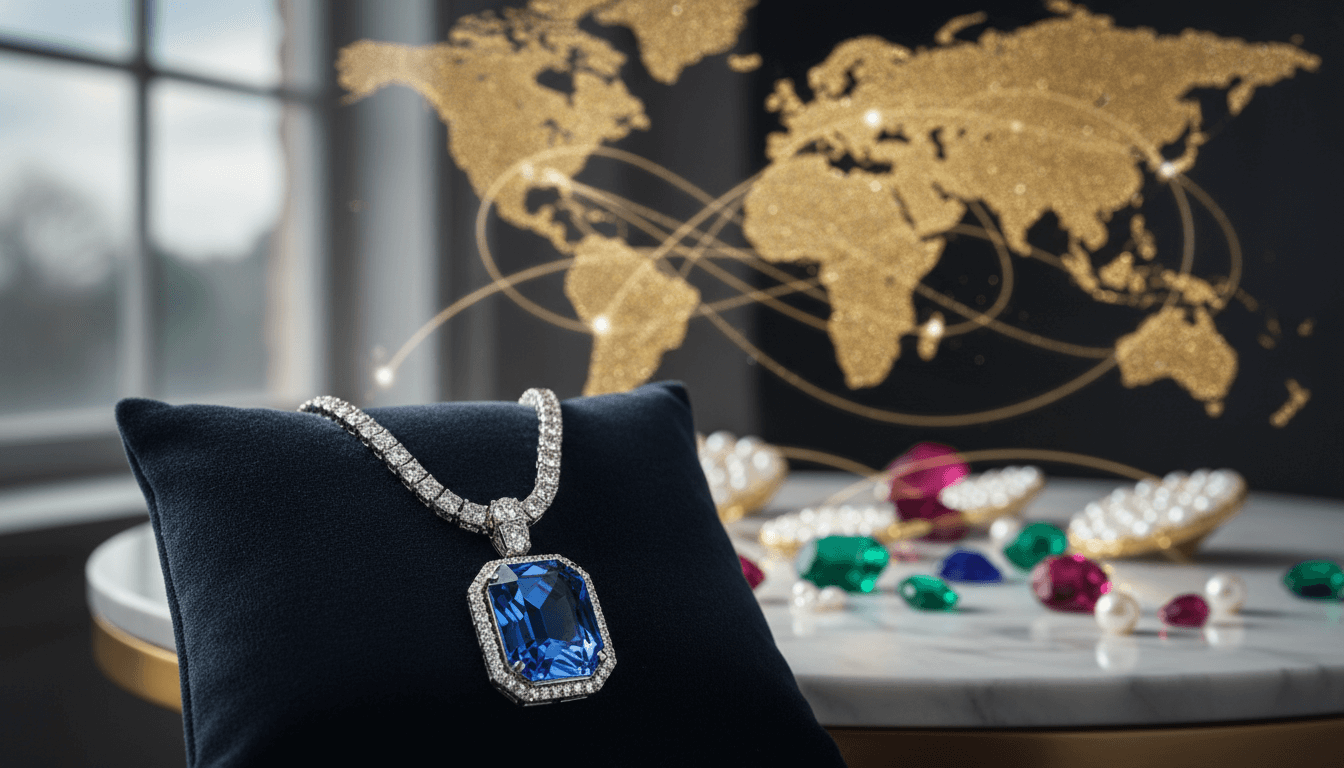
The global luxury jewelry market is a testament to evolving consumer behaviors and economic prosperity across regions. According to the Grand View Research Jewelry Market Report, Asia Pacific has emerged as the undisputed leader, capturing 60.2% of the market share, while North America, led by the United States with 92.6% revenue share, showcases mature yet dynamic consumption patterns. Women dominate as the primary consumer segment, contributing 71.7% of revenue, highlighting gender-specific marketing and product strategies. This article delves into the intricate regional dynamics, examining factors such as urbanization, disposable income growth, and cultural influences that shape purchasing decisions. By analyzing key data points and industry insights, we provide a comprehensive overview of how these trends are redefining the luxury jewelry landscape and what brands can anticipate in the coming years.
In-Depth Analysis
Asia Pacific: The Epicenter of Luxury Jewelry Growth
Asia Pacific's dominance in the luxury jewelry market, with a 60.2% share, is fueled by rapid economic development and a expanding middle class. Countries like China, India, and Japan are at the forefront, where urbanization rates exceed 50%, leading to increased exposure to global brands and digital marketing. In China alone, luxury jewelry sales grew by 15% annually, driven by gifting cultures and investments in high-value assets. The region's consumers prioritize branded pieces, with diamonds and gold accounting for over 70% of purchases. Additionally, e-commerce platforms have revolutionized accessibility, contributing to a 25% year-over-year increase in online luxury jewelry sales. Factors such as rising disposable incomes, where per capita spending on luxury goods has doubled in the past decade, and a cultural affinity for jewelry as status symbols, further cement Asia Pacific's leadership. Brands like Cartier and Tiffany & Co. have tailored collections to local tastes, incorporating motifs like jade and pearls, which resonate deeply with regional heritage.
North America: Steady Growth Led by the United States
In North America, the United States commands a staggering 92.6% revenue share, making it the cornerstone of the regional market. The U.S. luxury jewelry sector is characterized by high consumer confidence and a preference for personalized, experience-driven purchases. Sales have consistently grown at an annual rate of 4-6%, with millennials and Gen Z driving demand for sustainable and ethically sourced pieces, which now represent 30% of new collections. Key markets include metropolitan areas like New York and Los Angeles, where flagship stores and pop-up events enhance brand engagement. Data indicates that women account for 71.7% of revenue, often purchasing items for self-expression and milestones such as engagements, where the average spending on diamond rings exceeds $5,000. The influence of digitalization is profound, with 40% of luxury jewelry sales originating from online channels, supported by augmented reality try-ons and social media campaigns. Despite economic fluctuations, the market remains resilient, bolstered by innovations in customization and a shift towards timeless, investment-worthy designs.
Diverse Consumer Preferences and Regional Variations
Consumer preferences in the luxury jewelry market vary significantly by region, reflecting cultural, economic, and social factors. In Asia Pacific, there is a strong inclination towards high-carat gold and statement pieces, often linked to festivals and weddings, which drive 50% of seasonal sales. Conversely, European consumers favor heritage brands and minimalist designs, with countries like France and Italy seeing a 20% higher demand for artisan-crafted items. In the Middle East, elaborate and gem-encrusted jewelry dominates, spurred by occasions like Eid and weddings, where average transaction values can surpass $10,000. The data on women comprising 71.7% of revenue underscores a global trend of female empowerment and self-purchasing, particularly in Western markets where 60% of luxury jewelry buys are self-initiated. Regional marketing strategies must adapt to these nuances; for instance, in Latin America, vibrant colors and local materials are prioritized, while in Africa, there is a growing appetite for locally sourced diamonds and ethical branding. These variations highlight the need for brands to implement localized product lines and storytelling to capture diverse audiences effectively.
Key Drivers and Future Outlook for the Luxury Jewelry Market
Several key drivers are shaping the future of the luxury jewelry market, including technological integration, sustainability, and demographic shifts. The rise of digital tools, such as blockchain for provenance tracking and AI-driven personalization, is expected to increase consumer trust and engagement, potentially boosting sales by 20% in the next five years. Sustainability has become a critical factor, with 55% of global consumers preferring brands that emphasize ethical sourcing and circular economy practices, leading to initiatives like recycled gold and lab-grown diamonds gaining 15% market share annually. Demographically, the aging population in Japan and Europe contrasts with the youth-driven markets in Southeast Asia, where under-35 consumers are projected to account for 40% of luxury jewelry spending by 2030. Geopolitical factors, such as trade policies and currency fluctuations, also play a role, with tariffs impacting supply chains and pricing strategies. Looking ahead, the Asia Pacific region is poised to maintain its leadership, with forecasts indicating a compound annual growth rate (CAGR) of 8%, while emerging markets in Africa and Latin America offer untapped potential. Brands that leverage data analytics to understand regional trends and invest in omnichannel experiences will likely thrive in this competitive landscape.
Key Takeaways
Asia Pacific holds a dominant 60.2% market share in the global luxury jewelry industry, driven by economic growth and cultural factors.
The United States leads North America with 92.6% revenue share, emphasizing personalized and sustainable consumer preferences.
Women are the primary revenue drivers, accounting for 71.7% of purchases globally, highlighting the importance of gender-focused marketing.
Regional variations in consumer tastes necessitate localized strategies, from high-carat gold in Asia to minimalist designs in Europe.
Future growth will rely on technology, sustainability, and adapting to demographic shifts, with Asia Pacific expected to maintain leadership.
Frequently Asked Questions
What factors contribute to Asia Pacific's 60.2% market share in luxury jewelry?
Asia Pacific's dominance is fueled by a rising middle class, rapid urbanization, and increased disposable incomes, particularly in countries like China and India. Cultural traditions, such as gifting and weddings, along with digital adoption, further accelerate growth.
How does the U.S. influence the North American luxury jewelry market?
The U.S. accounts for 92.6% of North America's revenue, driven by high consumer spending, a preference for branded and sustainable pieces, and strong e-commerce penetration, with women leading 71.7% of purchases.
Why do women represent 71.7% of luxury jewelry revenue globally?
Women are key decision-makers in jewelry purchases, often buying for self-expression, milestones, and investments. Empowerment trends and targeted marketing have amplified their role in driving revenue across regions.
What are the emerging trends in the luxury jewelry market?
Key trends include the rise of sustainable and ethically sourced materials, digital integration like AR try-ons, and personalized designs. Regional preferences, such as statement pieces in Asia and minimalist styles in Europe, are also shaping innovation.
Conclusion
The global luxury jewelry market is characterized by profound regional dynamics, with Asia Pacific's 60.2% share underscoring its pivotal role in industry growth. As the United States continues to lead North America and women drive 71.7% of revenue, brands must navigate diverse consumer preferences through localized strategies and innovation. Embracing sustainability, technology, and demographic insights will be crucial for capitalizing on emerging opportunities. By understanding these trends, stakeholders can foster resilience and expansion in an ever-evolving marketplace, ensuring that luxury jewelry remains a symbol of prestige and personal expression worldwide.
Tags
Related Articles
Global Luxury Jewelry Market 2024: Trends, Growth Drivers, and Future Outlook
The global luxury jewelry market is poised for robust expansion, with its valuation reaching USD 61,015 million in 2024 and projected to hit USD 109,224 million by 2032, reflecting a CAGR of 7.55%. Key drivers include rising disposable incomes, evolving consumer preferences for sustainable and gender-neutral designs, and digital retail innovations. Asia Pacific leads with a 60.2% market share, while rings and gold jewelry dominate product and material segments respectively, signaling dynamic shifts in the industry.

Luxury Jewelry Market Global Trends 2024-2032: An In-Depth Analysis
The global luxury jewelry market is poised for significant growth, projected to expand from USD 61.02 billion in 2024 to USD 109.22 billion by 2032 at a CAGR of 7.55%. Key trends driving this transformation include a heightened focus on sustainable and ethically sourced materials, personalized and gender-neutral designs, and the integration of digital technologies into the shopping experience. Evolving consumer preferences and technological innovations are reshaping the industry, offering new opportunities for brands and investors alike.
Luxury Jewelry Market Regional Dynamics: Asia-Pacific Dominance and Global Trends
The global luxury jewelry market is experiencing significant regional shifts, with Asia-Pacific leading at 60.2% market share due to rising disposable incomes, urbanization, and a growing middle class. Key growth regions include China, India, and Southeast Asia, each displaying unique design preferences from traditional to modern styles. This article explores market drivers, regional variations, and strategic insights shaping the future of luxury jewelry consumption worldwide.
Women's Luxury Jewelry Market Dominance: Driving Forces and Future Outlook
Women hold a commanding position in the luxury jewelry market, generating 71.7% of total revenue according to Grand View Research. This dominance is fueled by increased workforce participation, rising disposable income, and evolving lifestyle preferences. Brands are responding with personalized, empowering designs and targeted marketing strategies. With women contributing approximately 40% of global wealth, their influence reshapes product innovation and market growth trajectories in the high-end jewelry sector.
Men's Jewelry Market Expansion: Challenging Traditional Luxury Dynamics
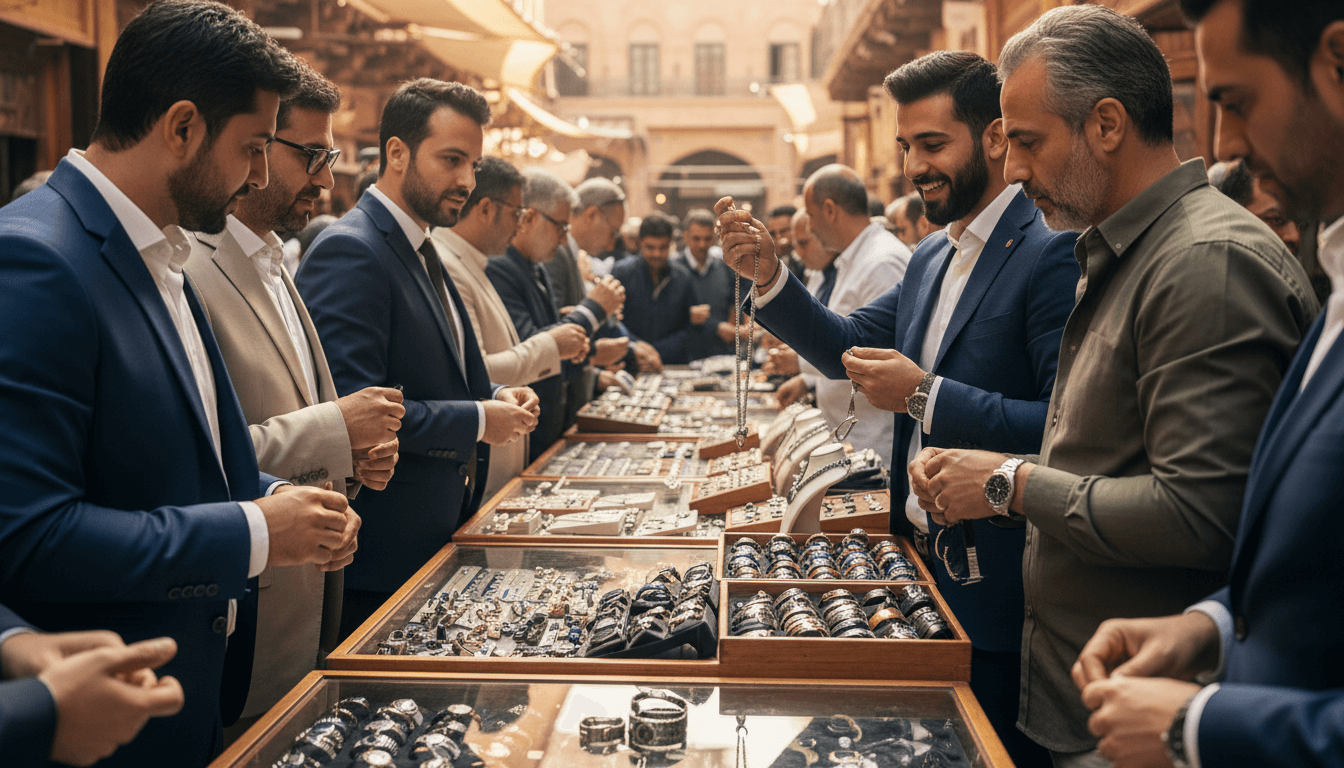
The men's jewelry market is undergoing unprecedented growth, with the global market projected to reach $96.2 billion by 2030, growing at a CAGR of 8.3%. This expansion is driven by shifting gender norms, increasing fashion consciousness among male consumers, and powerful social media influence. Luxury brands are responding with sophisticated gender-neutral collections and innovative marketing strategies that redefine masculine adornment. The market transformation represents a fundamental shift in luxury consumption patterns, with male jewelry purchases increasing by 42% over the past five years alone.
High Jewelry and Luxury Segment Insights: Resilience, Growth, and Strategic Shifts in 2024
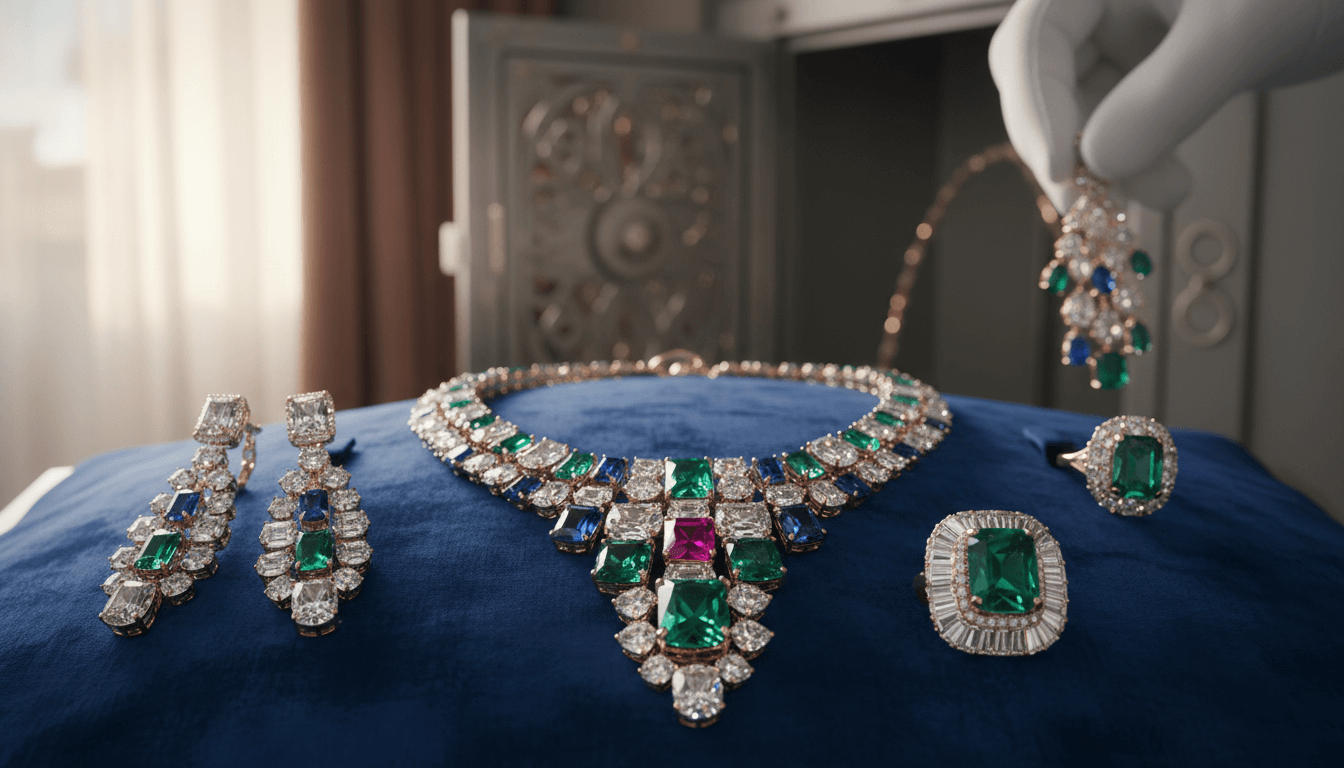
The high jewelry segment demonstrates remarkable resilience in 2024, with the haute joaillerie category significantly outperforming lower-tier markets. According to Bain & Company, this segment is growing 0-2% at current exchange rates, contributing to a total market valuation of €31 billion. Brands are differentiating through unique designs, exceptional craftsmanship, and precious materials, while facing increasing competition from luxury fashion houses expanding into fine jewelry. This article explores the strategic approaches driving success in this exclusive market segment.