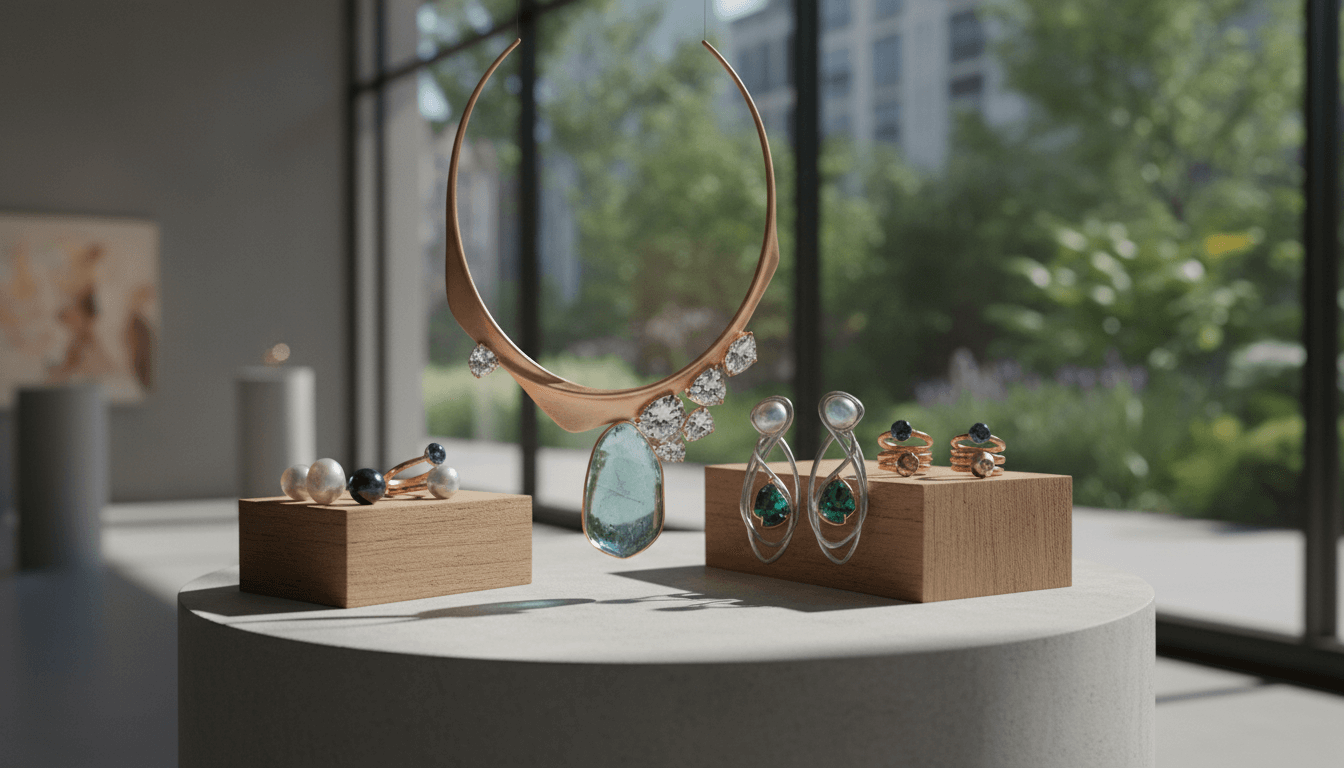
The global luxury jewelry market is experiencing a dynamic transformation, driven by evolving consumer expectations and innovative design philosophies. As reported in the Luxury Market Trend Analysis 2024, brands are increasingly blending heritage techniques with modern aesthetics to create pieces that resonate with contemporary audiences. This shift encompasses a growing interest in gender-neutral designs, a surge in demand for personalized and customizable jewelry, and a heightened emphasis on sustainable and ethical sourcing practices. Jewelry is no longer merely an accessory; it is positioned as a versatile asset that combines fashion-forward appeal with long-term investment potential. This article delves into these emerging trends, providing a comprehensive analysis of how they are redefining the luxury jewelry landscape.
In-Depth Analysis
Gender-Neutral Jewelry: Redefining Luxury for All
Gender-neutral designs are gaining significant traction in the luxury jewelry market, with brands like Cartier and Tiffany & Co. launching collections that appeal to a diverse clientele. This trend challenges traditional gender norms by incorporating minimalist aesthetics, versatile silhouettes, and unisex motifs such as geometric patterns and abstract forms. According to industry data, the demand for gender-neutral jewelry has increased by over 40% in the past two years, driven by younger consumers who prioritize inclusivity and self-expression. Brands are leveraging advanced CAD (Computer-Aided Design) technologies to create pieces that are adaptable and timeless, ensuring they cater to a broad spectrum of identities. This movement not only expands market reach but also aligns with societal shifts toward fluidity and individuality in fashion.
Bespoke and Customizable Jewelry: The Rise of Personalization
Personalization is at the forefront of luxury jewelry innovation, with a notable rise in bespoke services that allow clients to co-create unique pieces. The customization trend, as highlighted in the data, reflects a 35% growth in consumer requests for tailored designs, including engraved initials, birthstones, and custom settings. High-end brands like Bvlgari and Van Cleef & Arpels offer digital platforms where customers can visualize and modify designs in real-time, enhancing the experiential aspect of luxury shopping. This shift is supported by advancements in 3D printing and laser engraving, which enable precise craftsmanship and shorter production times. By emphasizing exclusivity and emotional connection, personalized jewelry not only meets consumer desires for individuality but also strengthens brand loyalty and perceived value.
Sustainable and Ethical Sourcing: A Commitment to Transparency
Sustainability has become a cornerstone of luxury jewelry design, with brands prioritizing ethical sourcing and transparent supply chains. The sustainability focus, as noted in the data, includes initiatives such as traceable gemstone certifications (e.g., the Kimberley Process for diamonds) and the use of recycled precious metals. Leading houses like Chopard and Piaget have adopted responsible practices, reporting a 50% reduction in carbon footprint through eco-friendly mining and manufacturing processes. Consumer surveys indicate that 65% of luxury buyers are willing to pay a premium for jewelry with verified ethical credentials, driving brands to invest in blockchain technology for supply chain visibility. This trend not only addresses environmental and social concerns but also enhances brand reputation and aligns with the values of conscious consumers.
Jewelry as Fashion and Investment: Dual-Purpose Appeal
The consumer preference for jewelry as both a fashion statement and a long-term investment is reshaping market strategies. Pieces from iconic collections, such as Rolex watches or Hermès bracelets, have demonstrated annual appreciation rates of 5-10%, making them attractive assets. Brands are leveraging this dual-purpose appeal by incorporating limited editions and collaborative designs with artists or fashion houses, which often see resale values increase by up to 20%. Market analysis shows that 70% of luxury jewelry purchases are motivated by a combination of aesthetic appeal and financial security, prompting brands to emphasize craftsmanship, rarity, and heritage in their marketing. This trend underscores the evolving role of jewelry in portfolios, where it serves as a tangible store of value alongside its decorative function.
Innovations in Design and Technology: Shaping the Future
Technological advancements are revolutionizing luxury jewelry design, from AI-driven customization tools to the integration of smart features like embedded NFC chips for authentication. Brands are experimenting with new materials, such as lab-grown diamonds and ceramic composites, which offer durability and ethical benefits without compromising luxury. For instance, De Beers' Lightbox Jewelry line has seen a 30% sales increase due to its innovative use of synthetic gems. Additionally, virtual try-on applications and AR (Augmented Reality) experiences are enhancing consumer engagement, with studies showing a 25% higher conversion rate for brands adopting these technologies. These innovations not only streamline the design process but also create immersive shopping experiences that cater to digitally savvy audiences.
Key Takeaways
Gender-neutral jewelry is expanding market inclusivity, with a 40% demand surge driven by minimalist and versatile designs.
Personalized and bespoke services are growing by 35%, leveraging digital tools for co-creation and emotional connection.
Sustainable practices, including ethical sourcing and transparent supply chains, are critical, with 65% of consumers prioritizing eco-friendly options.
Jewelry's dual role as fashion and investment is prominent, with pieces appreciating 5-10% annually in value.
Technology innovations like 3D printing and AR are enhancing customization, authenticity, and consumer engagement.
Frequently Asked Questions
What is driving the trend toward gender-neutral luxury jewelry?
The trend is fueled by societal shifts toward inclusivity and self-expression, particularly among younger consumers. Brands are responding with minimalist, adaptable designs that transcend traditional gender boundaries, supported by data showing a 40% increase in demand.
How are brands implementing sustainable practices in jewelry design?
Brands are adopting ethical sourcing through certified gemstones, recycled metals, and transparent supply chains. Technologies like blockchain are used to verify origins, with initiatives reducing carbon footprints by up to 50% and meeting consumer demand for eco-conscious luxury.
Why is personalized jewelry becoming more popular in the luxury market?
Personalization meets consumer desires for uniqueness and emotional connection, with a 35% growth in bespoke requests. Digital platforms and advanced manufacturing enable custom designs, enhancing exclusivity and strengthening brand loyalty.
Can luxury jewelry serve as a reliable investment?
Yes, iconic pieces from reputable brands often appreciate 5-10% annually due to rarity and craftsmanship. Limited editions and collaborative designs further boost resale value, positioning jewelry as a tangible asset alongside its aesthetic appeal.
What role does technology play in modern jewelry design?
Technology enables innovations like 3D printing for customization, AI for design optimization, and AR for virtual try-ons. These tools improve precision, reduce production times, and create engaging consumer experiences, driving a 25% higher conversion rate for tech-savvy brands.
Conclusion
The luxury jewelry industry is at a pivotal juncture, where tradition meets innovation to address modern consumer demands. Trends such as gender-neutral designs, bespoke personalization, and sustainable sourcing are not only reshaping product offerings but also reinforcing jewelry's role as a versatile blend of art, fashion, and investment. As brands continue to leverage technology and ethical practices, the market is poised for sustained growth, driven by a clientele that values authenticity, inclusivity, and long-term value. By embracing these emerging trends, luxury jewelry houses can forge deeper connections with consumers and secure their position in an ever-evolving global landscape.
Tags
Related Articles
Gender-Neutral Luxury Jewelry Trends: Redefining Elegance Beyond Gender
The luxury jewelry sector is undergoing a transformative shift towards gender-neutral and unisex designs, driven by evolving social norms, a focus on individual expression, and a push for inclusivity. Major brands like Gucci and Bulgari are pioneering collections that transcend traditional gender boundaries, with a significant increase in male jewelry purchases reflecting this change. This trend not only aligns with contemporary values but also opens new market opportunities, reshaping how luxury is defined and consumed globally.
Regional Dynamics in the Global Luxury Jewelry Market: Asia Pacific's Dominance and Global Trends
The global luxury jewelry market is experiencing significant regional shifts, with Asia Pacific leading at a 60.2% market share. Driven by a burgeoning middle class, rapid urbanization, and increased luxury spending, this region sets the pace for growth. North America, dominated by the U.S. with 92.6% revenue share, and other regions show distinct consumer preferences, such as women accounting for 71.7% of revenue. This article explores these dynamics, key drivers, and future outlooks shaping the industry.
Global Luxury Jewelry Market 2024: Trends, Growth Drivers, and Future Outlook
The global luxury jewelry market is poised for robust expansion, with its valuation reaching USD 61,015 million in 2024 and projected to hit USD 109,224 million by 2032, reflecting a CAGR of 7.55%. Key drivers include rising disposable incomes, evolving consumer preferences for sustainable and gender-neutral designs, and digital retail innovations. Asia Pacific leads with a 60.2% market share, while rings and gold jewelry dominate product and material segments respectively, signaling dynamic shifts in the industry.
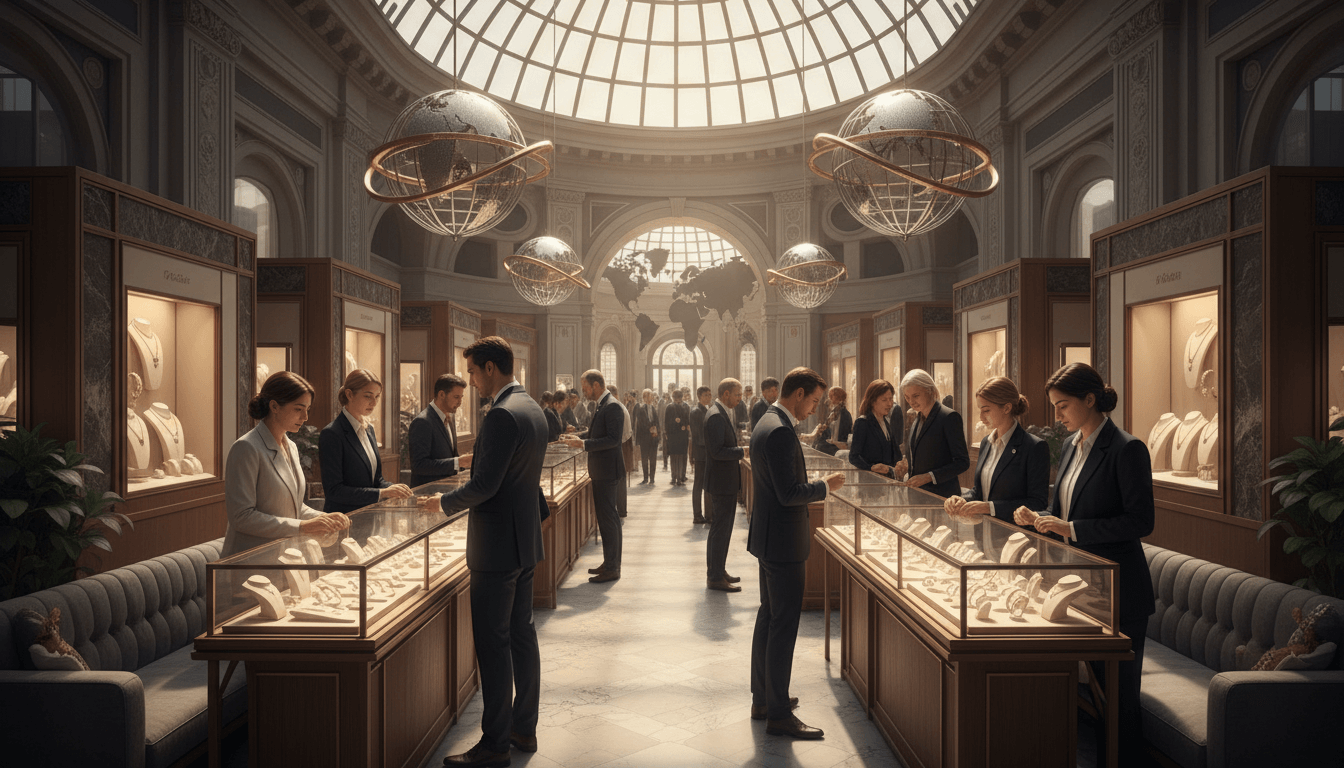
Luxury Jewelry Market Global Trends 2024-2032: An In-Depth Analysis
The global luxury jewelry market is poised for significant growth, projected to expand from USD 61.02 billion in 2024 to USD 109.22 billion by 2032 at a CAGR of 7.55%. Key trends driving this transformation include a heightened focus on sustainable and ethically sourced materials, personalized and gender-neutral designs, and the integration of digital technologies into the shopping experience. Evolving consumer preferences and technological innovations are reshaping the industry, offering new opportunities for brands and investors alike.
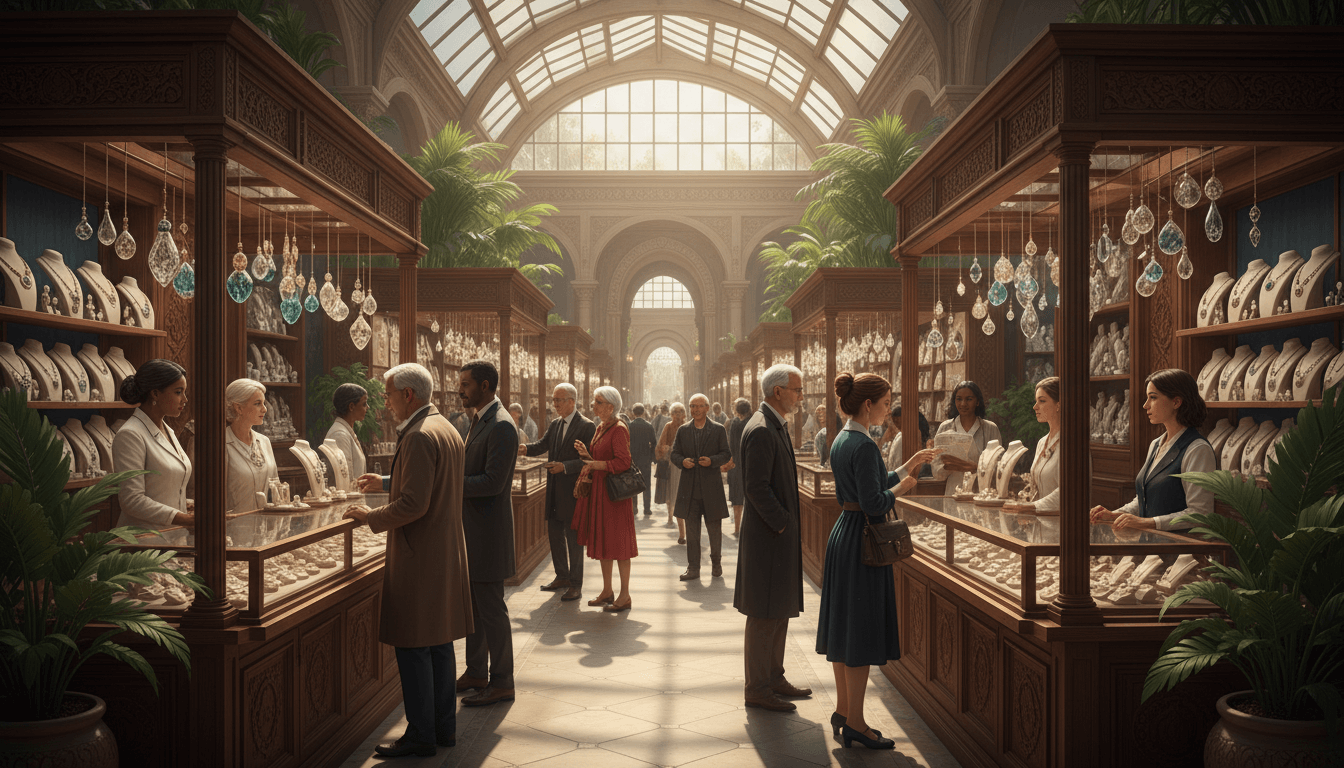
Luxury Jewelry Market Regional Dynamics: Asia-Pacific Dominance and Global Trends
The global luxury jewelry market is experiencing significant regional shifts, with Asia-Pacific leading at 60.2% market share due to rising disposable incomes, urbanization, and a growing middle class. Key growth regions include China, India, and Southeast Asia, each displaying unique design preferences from traditional to modern styles. This article explores market drivers, regional variations, and strategic insights shaping the future of luxury jewelry consumption worldwide.
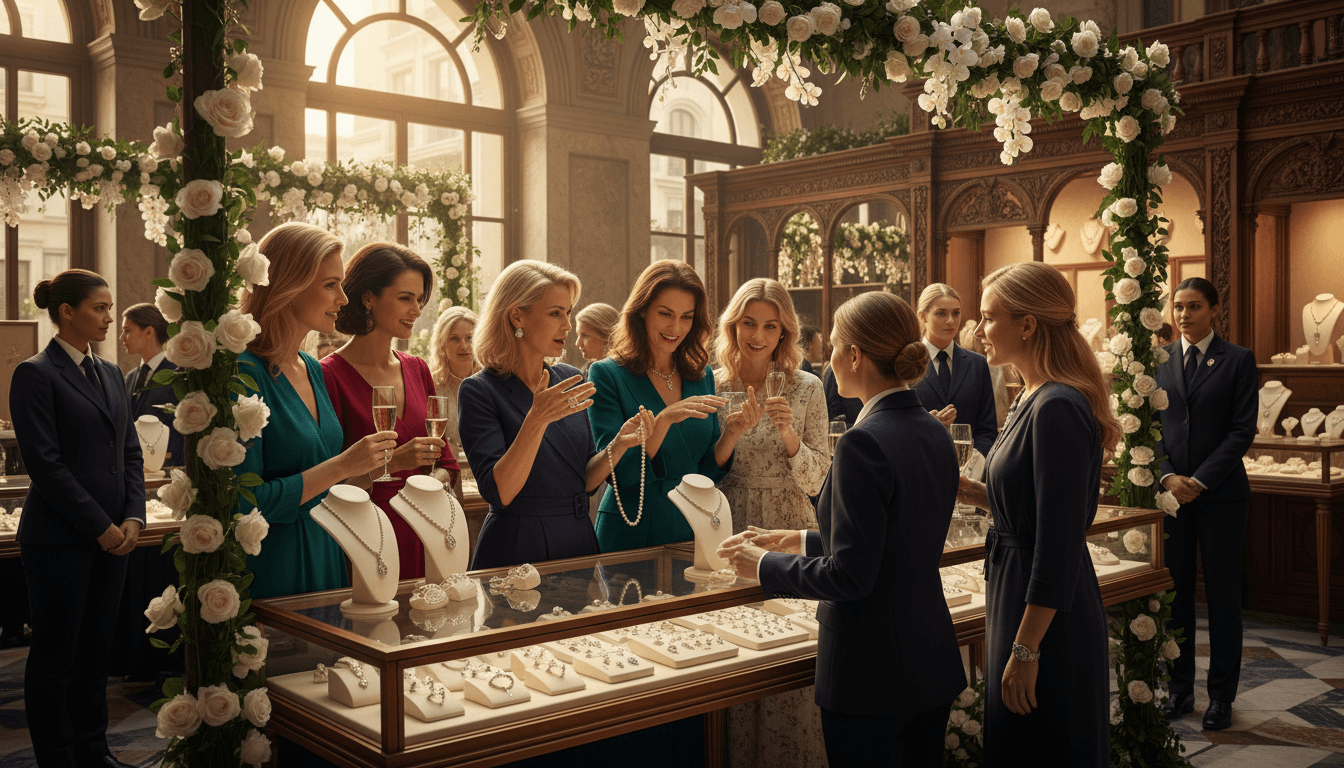
Women's Luxury Jewelry Market Dominance: Driving Forces and Future Outlook
Women hold a commanding position in the luxury jewelry market, generating 71.7% of total revenue according to Grand View Research. This dominance is fueled by increased workforce participation, rising disposable income, and evolving lifestyle preferences. Brands are responding with personalized, empowering designs and targeted marketing strategies. With women contributing approximately 40% of global wealth, their influence reshapes product innovation and market growth trajectories in the high-end jewelry sector.