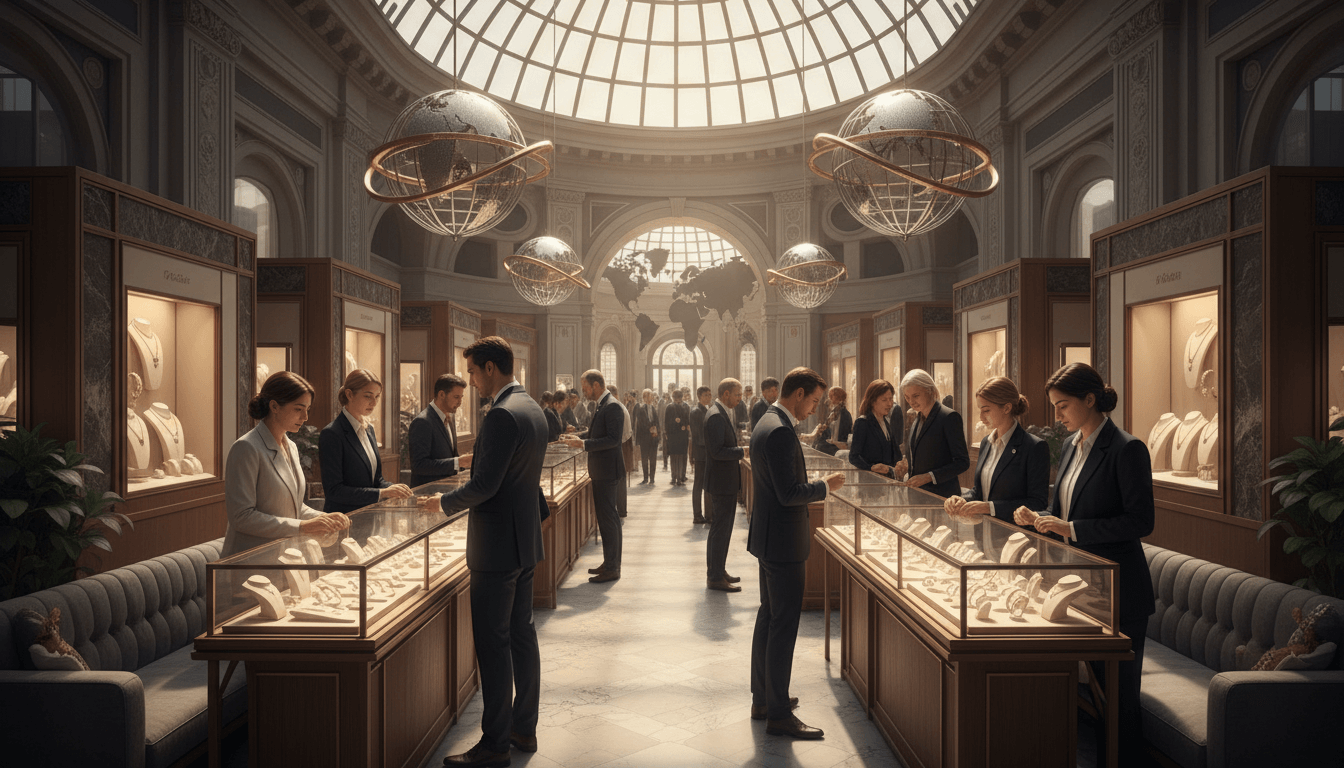
The global luxury jewelry market is undergoing a profound transformation, fueled by dynamic shifts in consumer behavior, technological advancements, and evolving societal values. According to data from Credence Research, the market is projected to grow from USD 61.02 billion in 2024 to USD 109.22 billion by 2032, achieving a compound annual growth rate (CAGR) of 7.55%. This robust expansion is not merely a reflection of economic factors but a response to deeper trends such as the demand for sustainability, ethical sourcing, personalization, and digital engagement. As high-net-worth individuals and younger generations alike seek more meaningful and customized luxury experiences, brands are adapting through innovative designs, transparent supply chains, and immersive digital platforms. This article provides a comprehensive analysis of the key trends, market drivers, and future outlook shaping the luxury jewelry sector from 2024 to 2032.
In-Depth Analysis
Market Overview and Growth Projections
The luxury jewelry market's trajectory from USD 61.02 billion in 2024 to USD 109.22 billion by 2032 underscores its resilience and adaptability in a rapidly changing global economy. This growth, equivalent to a CAGR of 7.55%, is driven by factors such as rising disposable incomes in emerging markets, increased consumer awareness of brand heritage, and the expanding appeal of jewelry as both an emotional and financial investment. Key regions contributing to this expansion include Asia-Pacific, particularly China and India, where economic growth and cultural significance of jewelry are fueling demand. North America and Europe remain strongholds, with established brands leveraging digital transformation to engage consumers. The market's segmentation by product type—such as rings, necklaces, earrings, and bracelets—shows varied growth rates, with personalized and high-value pieces leading in revenue generation. Additionally, the shift towards online and omnichannel retail has accelerated, with e-commerce platforms accounting for a growing share of sales, projected to exceed 30% by 2030. This section delves into the macroeconomic indicators, regional analyses, and consumer demographics that underpin the market's optimistic outlook.
Sustainability and Ethical Sourcing: A Core Driver
Sustainability has evolved from a niche concern to a central pillar of the luxury jewelry industry. Consumers are increasingly demanding transparency in sourcing, with a focus on conflict-free diamonds, recycled precious metals, and ethically mined gemstones. Brands like Tiffany & Co. and Cartier have implemented traceability initiatives, using blockchain technology to provide verifiable records of a jewelry's journey from mine to market. The rise of lab-grown diamonds, which offer a lower environmental footprint, is also gaining traction, with market share expected to grow by over 15% annually through 2032. Furthermore, certifications from organizations like the Responsible Jewellery Council (RJC) and Fairmined are becoming critical differentiators. This trend is not only driven by consumer ethics but also by regulatory pressures, as governments introduce stricter guidelines on supply chain due diligence. For instance, the European Union's proposed regulations on sustainable products are likely to impact jewelry imports, pushing brands to adopt greener practices. By 2030, sustainable jewelry segments are projected to account for nearly 40% of the market, highlighting their integral role in future growth.
Personalization and Gender-Neutral Designs
Personalization is redefining luxury jewelry, with consumers seeking unique pieces that reflect individual identities and stories. Advanced technologies such as 3D printing, augmented reality (AR) configurators, and AI-driven design tools enable customers to co-create jewelry, from engraving meaningful inscriptions to selecting custom gemstone arrangements. This trend is particularly popular among Millennials and Gen Z, who value self-expression and authenticity. Concurrently, gender-neutral designs are gaining prominence, breaking away from traditional gendered categories. Brands like Boucheron and David Yurman are launching unisex collections that emphasize minimalist aesthetics and versatile wearability. Market data indicates that gender-neutral jewelry sales could grow by 20% annually, reaching an estimated USD 25 billion by 2032. This shift is supported by broader cultural movements toward inclusivity and fluidity in fashion. Additionally, bespoke services are becoming more accessible, with luxury houses offering made-to-order options that cater to diverse tastes and budgets. These innovations not only enhance consumer engagement but also drive higher profit margins through premium pricing and reduced inventory costs.
Digital Integration and the Future of Retail
The digital transformation of the luxury jewelry retail experience is accelerating, blending online and offline channels to create seamless customer journeys. Virtual try-ons, powered by AR and VR technologies, allow shoppers to visualize jewelry in real-time, increasing confidence in online purchases. E-commerce platforms are integrating AI chatbots and personalized recommendations, enhancing user engagement and conversion rates. By 2025, over 50% of luxury jewelry interactions are expected to involve digital touchpoints. Moreover, social media and influencer collaborations are pivotal in brand storytelling and audience building, with platforms like Instagram and TikTok driving discovery and sales. Behind the scenes, data analytics enable brands to predict trends, optimize inventory, and tailor marketing campaigns. However, the brick-and-mortar experience remains vital, with flagship stores evolving into experiential hubs offering workshops, customization stations, and exclusive events. The convergence of digital and physical retail—often termed 'phygital'—is set to redefine luxury shopping, making it more interactive and accessible while maintaining the exclusivity that defines high-end jewelry.
Key Takeaways
The luxury jewelry market is projected to grow from USD 61.02 billion in 2024 to USD 109.22 billion by 2032, at a CAGR of 7.55%.
Sustainability and ethical sourcing are critical, with lab-grown diamonds and traceable supply chains gaining consumer preference.
Personalization and gender-neutral designs are driving innovation, appealing to younger demographics seeking uniqueness and inclusivity.
Digital integration, including AR try-ons and AI-driven retail, is transforming how consumers engage with luxury jewelry brands.
Asia-Pacific regions are key growth drivers, while established markets in North America and Europe focus on omnichannel strategies.
Frequently Asked Questions
What is the projected growth rate of the luxury jewelry market from 2024 to 2032?
The market is expected to grow at a compound annual growth rate (CAGR) of 7.55%, expanding from USD 61.02 billion in 2024 to USD 109.22 billion by 2032.
How is sustainability influencing the luxury jewelry industry?
Sustainability is a major trend, with increased demand for ethically sourced materials, lab-grown diamonds, and transparent supply chains. Brands are adopting certifications and technologies like blockchain to verify origins, driving consumer trust and regulatory compliance.
What role does digital technology play in the luxury jewelry market?
Digital technology enhances the shopping experience through virtual try-ons, AI personalization, and e-commerce integration. It also supports operational efficiency via data analytics and omnichannel strategies, blending online and offline retail.
Why are gender-neutral designs becoming popular in luxury jewelry?
Gender-neutral designs align with cultural shifts toward inclusivity and self-expression. They appeal to diverse consumers by offering versatile, minimalist pieces that transcend traditional gender categories, fueling market growth.
Conclusion
The luxury jewelry market's evolution from 2024 to 2032 is characterized by robust growth, innovation, and a heightened emphasis on values-driven consumption. With a projected increase to USD 109.22 billion, driven by a CAGR of 7.55%, the industry is adapting to trends like sustainability, personalization, and digital integration. Brands that prioritize ethical practices, embrace technological advancements, and cater to evolving consumer preferences will be well-positioned to capitalize on these opportunities. As the market continues to transform, stakeholders—from investors to designers—must remain agile and forward-thinking to thrive in this dynamic landscape.
Tags
Related Articles
Luxury Jewelry Market Regional Dynamics: Asia-Pacific Dominance and Global Trends
The global luxury jewelry market is experiencing significant regional shifts, with Asia-Pacific leading at 60.2% market share due to rising disposable incomes, urbanization, and a growing middle class. Key growth regions include China, India, and Southeast Asia, each displaying unique design preferences from traditional to modern styles. This article explores market drivers, regional variations, and strategic insights shaping the future of luxury jewelry consumption worldwide.
Women's Luxury Jewelry Market Dominance: Driving Forces and Future Outlook
Women hold a commanding position in the luxury jewelry market, generating 71.7% of total revenue according to Grand View Research. This dominance is fueled by increased workforce participation, rising disposable income, and evolving lifestyle preferences. Brands are responding with personalized, empowering designs and targeted marketing strategies. With women contributing approximately 40% of global wealth, their influence reshapes product innovation and market growth trajectories in the high-end jewelry sector.
Men's Jewelry Market Expansion: Challenging Traditional Luxury Dynamics
The men's jewelry market is undergoing unprecedented growth, with the global market projected to reach $96.2 billion by 2030, growing at a CAGR of 8.3%. This expansion is driven by shifting gender norms, increasing fashion consciousness among male consumers, and powerful social media influence. Luxury brands are responding with sophisticated gender-neutral collections and innovative marketing strategies that redefine masculine adornment. The market transformation represents a fundamental shift in luxury consumption patterns, with male jewelry purchases increasing by 42% over the past five years alone.
High Jewelry and Luxury Segment Insights: Resilience, Growth, and Strategic Shifts in 2024
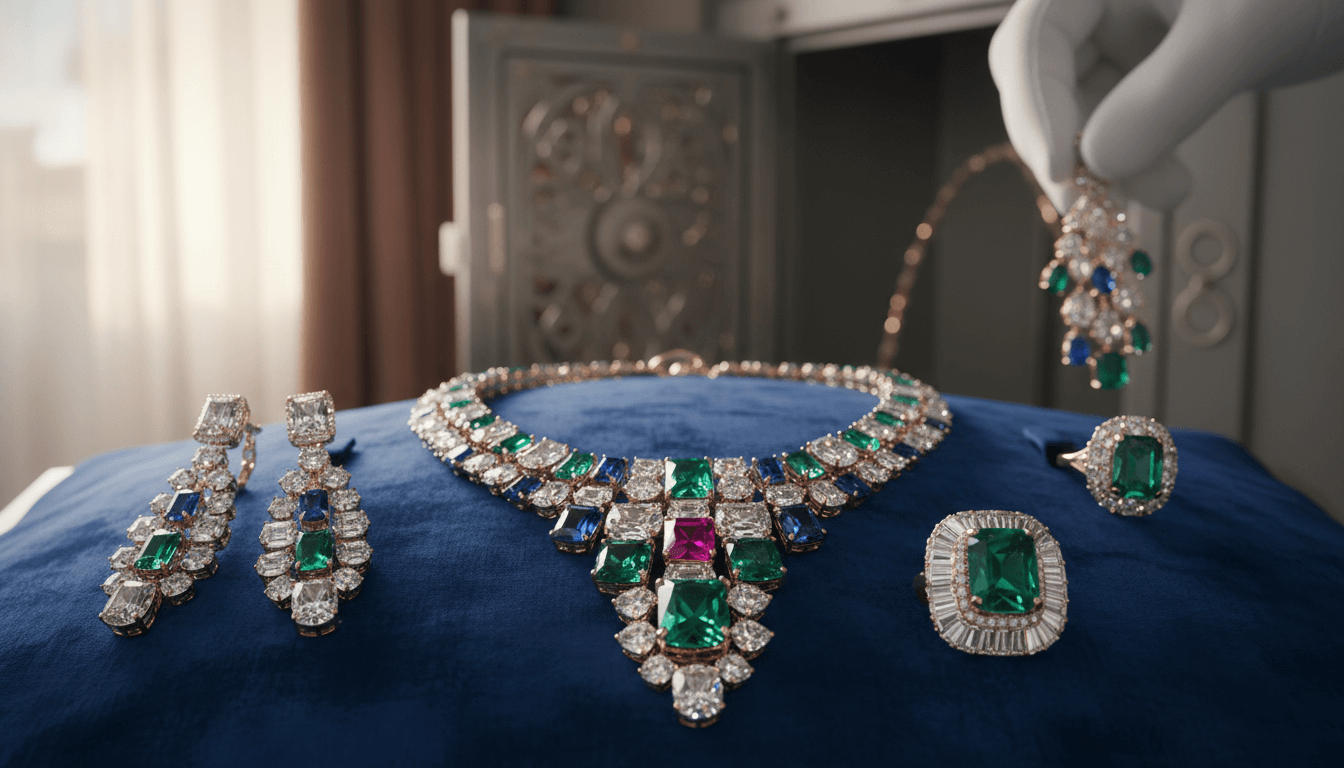
The high jewelry segment demonstrates remarkable resilience in 2024, with the haute joaillerie category significantly outperforming lower-tier markets. According to Bain & Company, this segment is growing 0-2% at current exchange rates, contributing to a total market valuation of €31 billion. Brands are differentiating through unique designs, exceptional craftsmanship, and precious materials, while facing increasing competition from luxury fashion houses expanding into fine jewelry. This article explores the strategic approaches driving success in this exclusive market segment.
Luxury Jewelry Market Competitive Landscape: Innovation, Expansion, and Strategic Differentiation
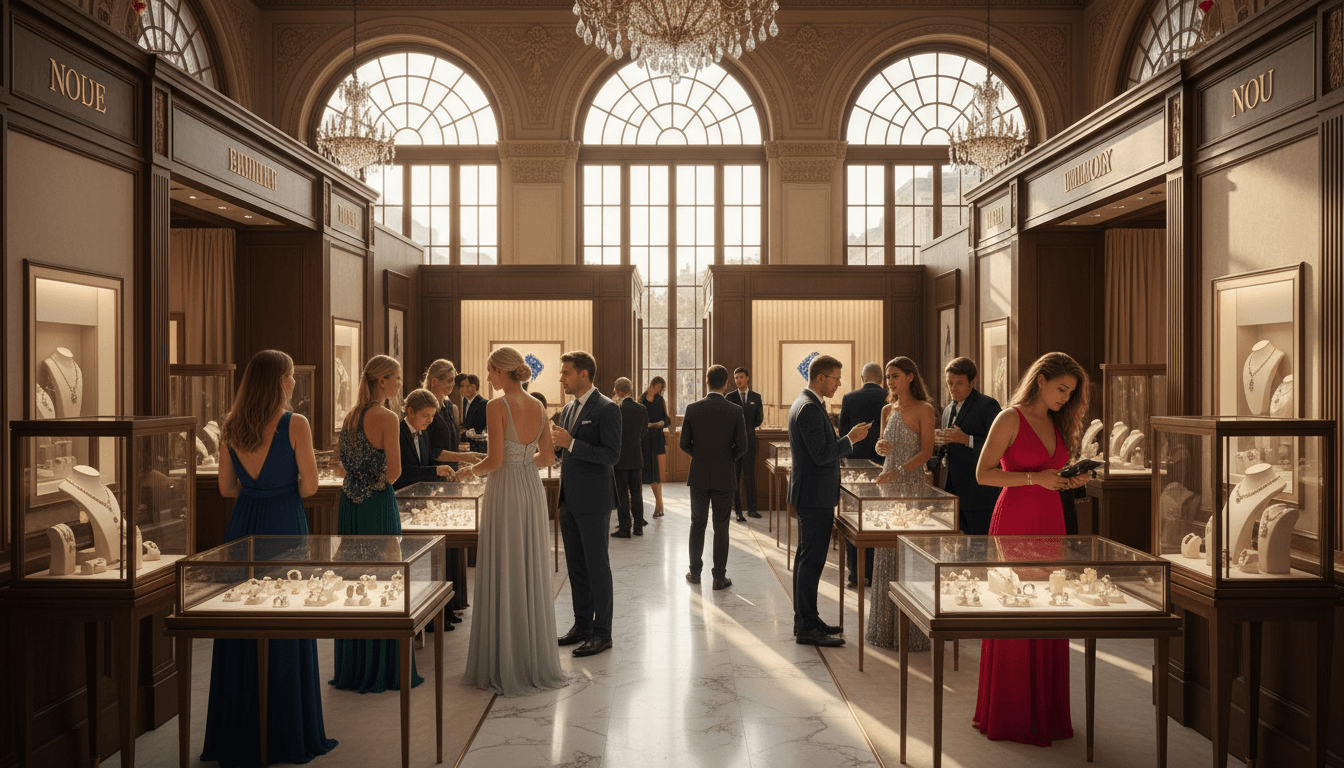
The global luxury jewelry market is experiencing intense competition, with established leaders like Tiffany & Co. and emerging brands vying for dominance. Differentiation is achieved through innovation in design, sustainable practices, and advanced marketing strategies. Key trends include global expansion into Asia-Pacific and Middle Eastern markets, strategic collaborations with fashion houses, and digital transformation. This analysis explores market dynamics, key players’ strategies, and future growth opportunities shaping the $30+ billion industry.
Emerging Markets and Luxury Jewelry Consumption: Key Trends and Strategies
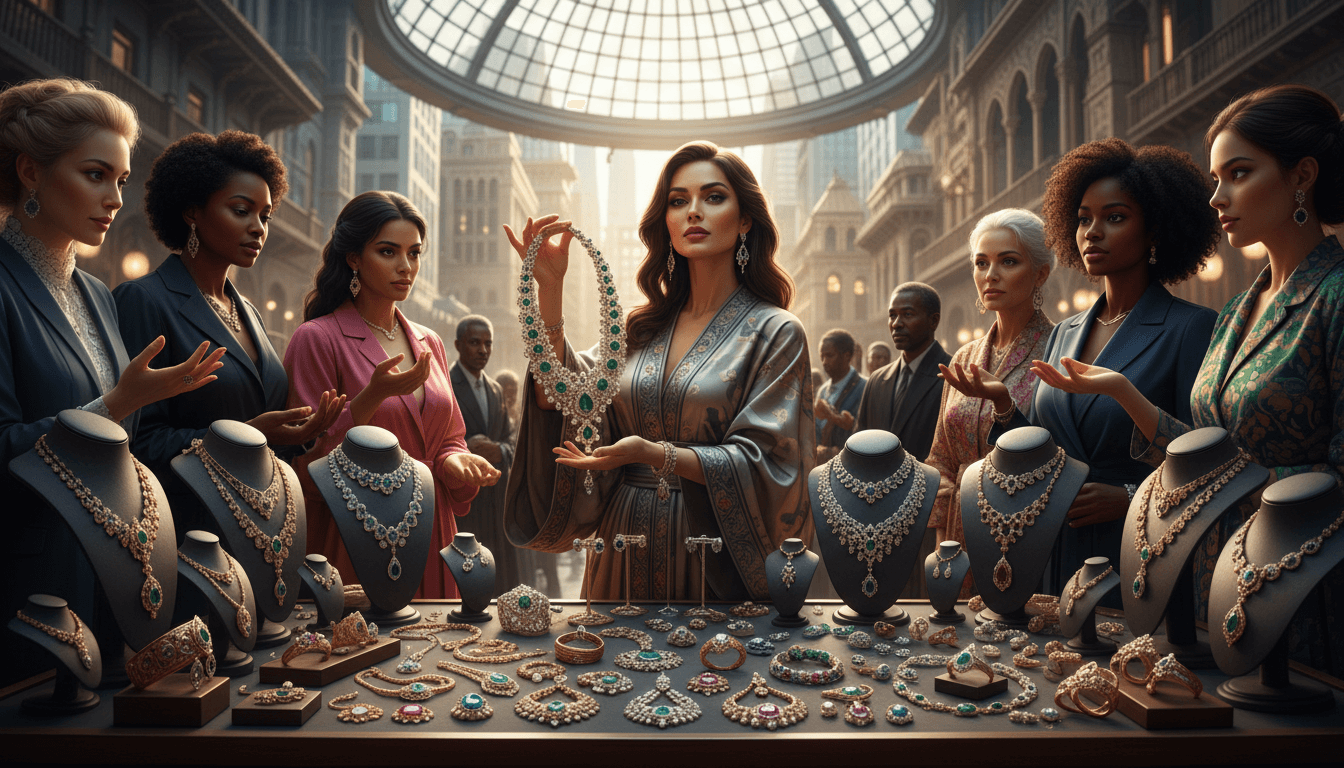
Emerging markets are transforming the global luxury jewelry landscape, with nations like China, India, and Indonesia experiencing unprecedented growth in consumption. This surge is fueled by expanding middle-class populations, rising disposable incomes, and evolving lifestyle aspirations. Brands are responding with targeted strategies, including localized marketing and digital engagement, to capture these lucrative opportunities. Understanding these dynamics is crucial for stakeholders navigating the future of luxury retail.