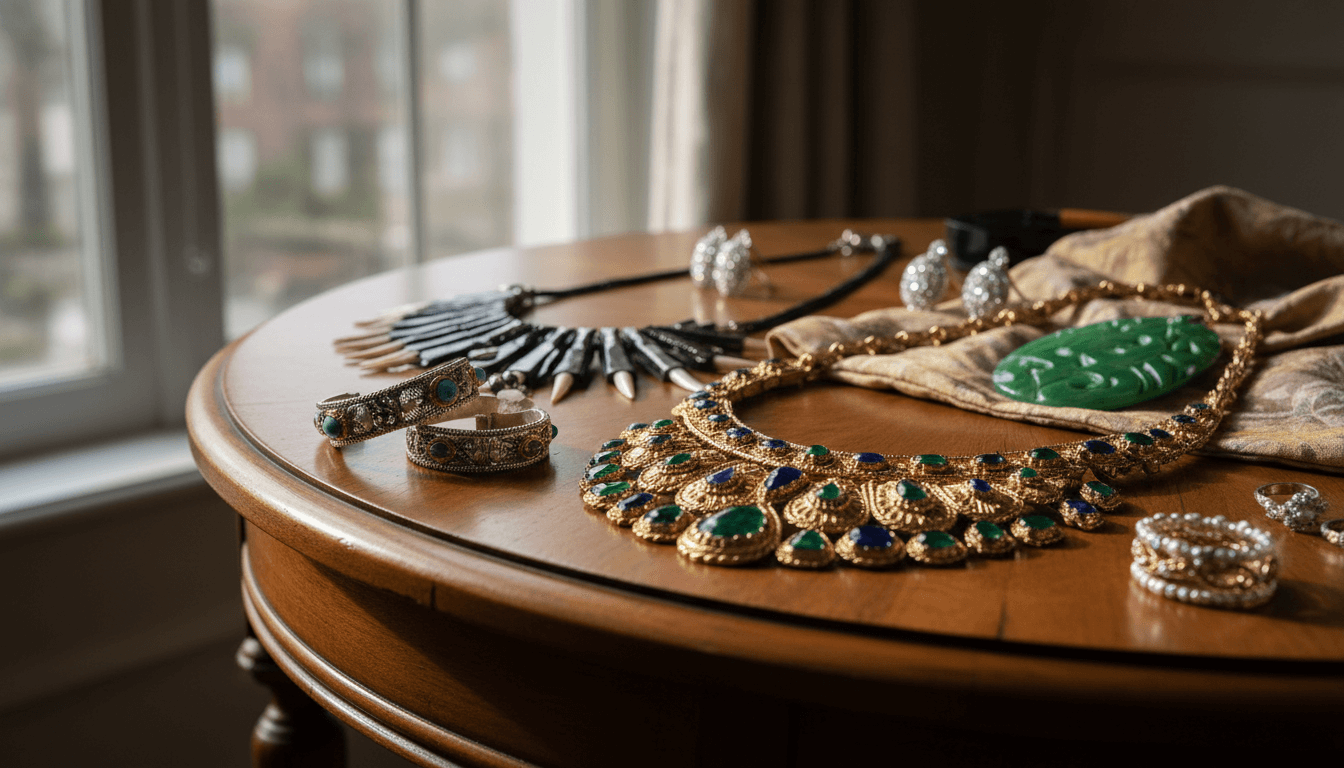
The global luxury jewelry market is a tapestry of diverse tastes and traditions, where cultural identity and regional nuances significantly influence consumer preferences. From the historic craftsmanship of European ateliers to the symbolic designs cherished in the Middle East and the burgeoning demand in Asia-Pacific, each region presents unique opportunities and challenges for luxury brands. Understanding these distinctions is crucial for developing effective market strategies. This analysis delves into the intricate dynamics of cultural and regional luxury jewelry preferences, highlighting key markets, consumer behaviors, and the adaptive approaches brands must employ to thrive in an increasingly segmented industry.
In-Depth Analysis
The European Luxury Jewelry Market: Tradition Meets Modernity
Europe represents a well-established luxury jewelry market, characterized by a deep appreciation for heritage, craftsmanship, and timeless design. Countries like France, Italy, and the UK are hubs for haute joaillerie, where brands such as Cartier, Bulgari, and Van Cleef & Arpels have cultivated legacies spanning centuries. European consumers often prioritize pieces with historical significance, intricate artistry, and sustainable sourcing, reflecting a mature market sensibility. Recent trends show a growing interest in personalization and contemporary reinterpretations of classic motifs, appealing to younger demographics while retaining core values. With an estimated market value exceeding €18 billion annually, Europe continues to set benchmarks for quality and innovation, though brands must balance tradition with evolving consumer expectations for digital engagement and ethical transparency.
Asia-Pacific: The Fastest-Growing Luxury Jewelry Region
The Asia-Pacific region is the fastest-growing market for luxury jewelry, driven by rapid economic development, expanding middle-class populations, and a strong cultural affinity for precious materials. China, India, and Japan lead this growth, with China alone accounting for over 30% of global luxury jewelry sales. Consumers here often favor high-carat gold, jade, and diamonds, viewing them as symbols of prosperity and social status. Brands like Tiffany & Co. and Chow Tai Fook have successfully localized offerings, incorporating auspicious symbols and limited-edition collections tied to cultural festivals. E-commerce and social media play pivotal roles in engaging digitally savvy audiences, with live-streamed launches and influencer collaborations driving sales. Projections indicate the region will surpass €50 billion in market value by 2027, underscoring its critical importance to global luxury strategies.
Middle Eastern Markets: Cultural Significance and Opulent Designs
In the Middle East, luxury jewelry holds profound cultural significance, often associated with celebrations, heritage, and familial wealth. Markets in the UAE, Saudi Arabia, and Qatar emphasize opulent designs featuring elaborate goldwork, colored gemstones, and statement pieces worn during weddings and religious events. Traditional motifs, such as Islamic geometric patterns and calligraphy, are frequently incorporated into modern collections by brands like Damas and Al Joud. The region's consumers demonstrate a preference for high-value, one-of-a-kind items, with an average spend per transaction significantly higher than global norms. Luxury malls and exclusive boutiques in Dubai and Doha serve as key retail hubs, while digital adoption is accelerating, particularly among younger buyers seeking convenience without compromising on exclusivity.
Brand Strategies for Regional Adaptation
To cater to diverse regional preferences, luxury jewelry brands are implementing nuanced strategies that blend global prestige with local relevance. This includes developing region-specific marketing campaigns, collaborating with cultural ambassadors, and creating bespoke collections that resonate with traditional aesthetics. For example, in Asia-Pacific, brands often launch limited-edition pieces for Lunar New Year, while in the Middle East, collections may feature designs inspired by historical artifacts. Supply chain localization, such as establishing regional craftsmanship centers, ensures agility and cultural authenticity. Data analytics and consumer insights guide these efforts, enabling brands to anticipate trends and personalize engagements. Successful adaptation not only boosts sales but also strengthens brand loyalty in competitive markets.
Future Trends and Global Implications
The future of luxury jewelry will be shaped by increasing globalization and the rising influence of digital platforms. Cross-cultural fusion designs, sustainability initiatives, and tech-integrated pieces (e.g., smart jewelry) are gaining traction worldwide. However, regional distinctions will remain pivotal, requiring brands to maintain a delicate balance between standardization and customization. Emerging markets in Latin America and Africa present new growth avenues, though they require deep cultural understanding to navigate. As consumer expectations evolve, brands that prioritize authenticity, inclusivity, and innovation will lead the industry. The global luxury jewelry market, valued at over €300 billion, is poised for dynamic transformation, driven by cultural diversity and strategic agility.
Key Takeaways
Cultural and regional factors are primary drivers of luxury jewelry preferences, influencing design, materials, and marketing.
Europe's mature market emphasizes heritage and craftsmanship, while Asia-Pacific's growth is fueled by economic expansion and digital engagement.
The Middle East showcases a strong cultural connection to jewelry, with a focus on opulence and symbolic significance.
Brands must adopt region-specific strategies, including localized collections and digital campaigns, to succeed globally.
Future trends include sustainability, cross-cultural designs, and the integration of technology, requiring ongoing adaptation.
Frequently Asked Questions
How do cultural preferences impact luxury jewelry design?
Cultural preferences directly influence design elements such as motifs, materials, and symbolism. For instance, Middle Eastern designs often feature intricate goldwork and gemstones for celebrations, while Asian markets may prioritize jade and diamonds for their auspicious meanings. Brands incorporate these elements to create culturally resonant pieces that appeal to local consumers.
Why is the Asia-Pacific region growing so rapidly in luxury jewelry?
The Asia-Pacific region's growth is driven by rising disposable incomes, expanding middle-class populations, and a cultural emphasis on jewelry as a store of value and status symbol. Digital adoption and targeted marketing by luxury brands further accelerate demand, making it the fastest-growing market globally.
What strategies do brands use to adapt to regional markets?
Brands employ strategies like localized product lines, culturally relevant marketing campaigns, partnerships with regional influencers, and retail expansions. They also leverage consumer data to tailor offerings, ensuring alignment with local traditions and preferences while maintaining global brand integrity.
How important is sustainability in regional luxury jewelry markets?
Sustainability is increasingly critical across all regions, with European consumers leading demand for ethically sourced materials and transparent supply chains. In Asia-Pacific and the Middle East, awareness is growing, prompting brands to integrate sustainable practices into their regional strategies to meet evolving consumer expectations.
Conclusion
The global luxury jewelry market is a reflection of rich cultural diversity and regional distinctiveness. From Europe's enduring legacy to Asia-Pacific's explosive growth and the Middle East's deep-rooted traditions, each region offers unique insights and opportunities. Brands that embrace cultural intelligence, adapt strategies to local contexts, and innovate responsibly will not only capture market share but also foster lasting consumer relationships. As the industry evolves, the interplay between tradition and modernity will continue to define success, making cultural and regional understanding indispensable for luxury jewelry's future.
Tags
Related Articles
Emerging Trends in Luxury Jewelry Design: Blending Heritage with Modern Innovation
The luxury jewelry sector is evolving with groundbreaking design trends that merge traditional craftsmanship with contemporary aesthetics. Key developments include the rise of gender-neutral collections, increased demand for bespoke and personalized jewelry, and a strong focus on sustainability through ethical sourcing. These shifts reflect consumer preferences for pieces that serve as both fashion statements and long-term investments, driving brands to innovate in design, materials, and supply chain transparency. Insights from Luxury Market Trend Analysis 2024 highlight how these trends are reshaping the industry.
Gender-Neutral Luxury Jewelry Trends: Redefining Elegance Beyond Gender
The luxury jewelry sector is undergoing a transformative shift towards gender-neutral and unisex designs, driven by evolving social norms, a focus on individual expression, and a push for inclusivity. Major brands like Gucci and Bulgari are pioneering collections that transcend traditional gender boundaries, with a significant increase in male jewelry purchases reflecting this change. This trend not only aligns with contemporary values but also opens new market opportunities, reshaping how luxury is defined and consumed globally.
Regional Dynamics in the Global Luxury Jewelry Market: Asia Pacific's Dominance and Global Trends
The global luxury jewelry market is experiencing significant regional shifts, with Asia Pacific leading at a 60.2% market share. Driven by a burgeoning middle class, rapid urbanization, and increased luxury spending, this region sets the pace for growth. North America, dominated by the U.S. with 92.6% revenue share, and other regions show distinct consumer preferences, such as women accounting for 71.7% of revenue. This article explores these dynamics, key drivers, and future outlooks shaping the industry.
Global Luxury Jewelry Market 2024: Trends, Growth Drivers, and Future Outlook
The global luxury jewelry market is poised for robust expansion, with its valuation reaching USD 61,015 million in 2024 and projected to hit USD 109,224 million by 2032, reflecting a CAGR of 7.55%. Key drivers include rising disposable incomes, evolving consumer preferences for sustainable and gender-neutral designs, and digital retail innovations. Asia Pacific leads with a 60.2% market share, while rings and gold jewelry dominate product and material segments respectively, signaling dynamic shifts in the industry.
Luxury Jewelry Market Global Trends 2024-2032: An In-Depth Analysis
The global luxury jewelry market is poised for significant growth, projected to expand from USD 61.02 billion in 2024 to USD 109.22 billion by 2032 at a CAGR of 7.55%. Key trends driving this transformation include a heightened focus on sustainable and ethically sourced materials, personalized and gender-neutral designs, and the integration of digital technologies into the shopping experience. Evolving consumer preferences and technological innovations are reshaping the industry, offering new opportunities for brands and investors alike.
Luxury Jewelry Market Regional Dynamics: Asia-Pacific Dominance and Global Trends
The global luxury jewelry market is experiencing significant regional shifts, with Asia-Pacific leading at 60.2% market share due to rising disposable incomes, urbanization, and a growing middle class. Key growth regions include China, India, and Southeast Asia, each displaying unique design preferences from traditional to modern styles. This article explores market drivers, regional variations, and strategic insights shaping the future of luxury jewelry consumption worldwide.