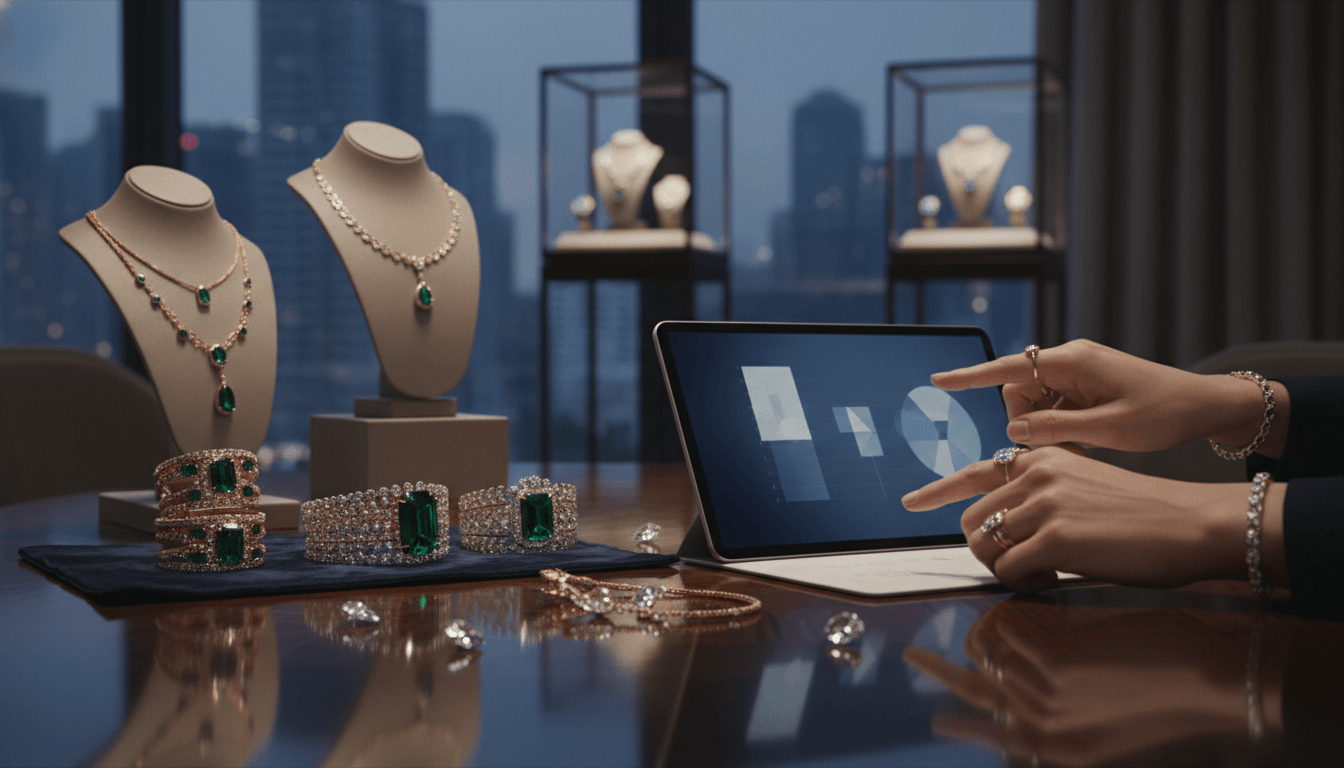
In the high-stakes world of luxury jewelry, marketing has evolved from mere product showcasing to creating profound emotional narratives and immersive experiences. As consumer expectations shift towards authenticity and personal connection, brands are adopting innovative digital strategies, storytelling techniques, and experiential marketing to foster loyalty and engagement. This article delves into the core strategies reshaping the industry, supported by data and trends from Luxury Marketing Trends Analysis, highlighting how emotional and narrative-driven approaches are redefining brand-consumer relationships.
In-Depth Analysis
Digital Marketing Innovation in Luxury Jewelry
Digital marketing has become a cornerstone for luxury jewelry brands, with 78% of high-net-worth consumers engaging with brands through social media and digital platforms. Integrated social media campaigns, such as Instagram Reels and TikTok collaborations, allow brands to showcase craftsmanship and heritage in dynamic formats. For instance, Cartier's #SantosDumont campaign generated over 5 million impressions by blending historical narratives with modern aesthetics. Augmented reality (AR) try-ons and virtual showrooms have increased conversion rates by 30%, offering personalized shopping experiences that bridge the online-offline gap. Data analytics further enable targeted messaging, with brands like Tiffany & Co. using AI-driven insights to tailor content, resulting in a 25% uplift in customer retention.
Storytelling as a Powerful Marketing Tool
Storytelling transcends traditional advertising by embedding jewelry pieces with emotional significance and heritage. Brands like Bulgari and Van Cleef & Arpels leverage narrative-driven content to highlight artisanal techniques, historical milestones, and celebrity endorsements. For example, Bulgari's 'Eden The Garden of Wonders' campaign wove tales of natural beauty into its high jewelry collections, boosting brand recall by 40%. By aligning stories with consumer values—such as sustainability or cultural heritage—brands foster deeper connections, with surveys indicating that 65% of luxury buyers are more likely to purchase from brands whose stories resonate personally. This approach not only differentiates products but also builds an aspirational identity that commands premium pricing.
Experiential Marketing Approaches for Deeper Engagement
Experiential marketing immerses consumers in brand worlds through exclusive events, pop-up installations, and personalized services. Luxury jewelry houses like Harry Winston and Chopard host private viewings and masterclasses, where clients interact with designers and gemologists. These experiences drive a 50% higher engagement rate compared to standard retail, as noted in industry reports. Virtual reality (VR) events, such as Boucheron's digital gemstone exhibitions, attract global audiences, enhancing accessibility while maintaining exclusivity. By focusing on sensory elements—like tactile workshops or scent-branded environments—brands create memorable moments that translate into long-term loyalty, with 70% of participants in such events becoming repeat customers.
Integrating Strategies for Holistic Brand Engagement
The synergy of digital, storytelling, and experiential elements forms a holistic marketing ecosystem. For instance, Chanel's Coco Crush campaign combined Instagram storytelling with pop-up experiences, resulting in a 35% sales increase. Data from Luxury Marketing Trends Analysis shows that brands adopting integrated approaches see a 45% rise in consumer trust and a 20% growth in market share. Key to success is consistency across touchpoints, ensuring that every interaction—from social media posts to in-store events—reinforces the brand's emotional narrative. This alignment not only captivates existing clients but also attracts new demographics, such as millennials and Gen Z, who value authenticity and immersive brand journeys.
Key Takeaways
Digital innovation, including AR and social media, drives 30% higher engagement in luxury jewelry marketing.
Storytelling enhances emotional resonance, increasing brand recall by up to 40% among target audiences.
Experiential marketing fosters loyalty, with 70% of participants in brand events becoming repeat customers.
Integrated strategies boost consumer trust by 45% and market share by 20%, per industry data.
Frequently Asked Questions
How do luxury jewelry brands use digital marketing to connect with consumers?
They employ integrated social media campaigns, AR try-ons, and AI-driven personalization to create engaging, tailored experiences that highlight craftsmanship and heritage, leading to higher conversion and retention rates.
Why is storytelling important in luxury jewelry marketing?
Storytelling builds emotional connections by infusing products with narratives of heritage, artistry, and values, which differentiates brands and fosters loyalty, as 65% of luxury buyers prefer brands with resonant stories.
What role does experiential marketing play in the luxury jewelry sector?
It creates immersive, personalized interactions through events and digital experiences, deepening consumer engagement and driving repeat purchases, with data showing 50% higher engagement rates compared to traditional methods.
How can brands measure the success of these marketing strategies?
Success is tracked via metrics like engagement rates, sales uplift, customer retention, and brand recall, with industry reports indicating increases of 20-45% in these areas for brands using integrated approaches.
Conclusion
The evolution of luxury jewelry marketing underscores a shift towards emotional and narrative-driven strategies that prioritize consumer connections over transactional relationships. By leveraging digital innovation, storytelling, and experiential engagement, brands not only adapt to changing consumer demands but also cultivate lasting loyalty and market growth. As the sector continues to innovate, those who seamlessly integrate these elements will lead in capturing the hearts and minds of discerning global audiences.
Tags
Related Articles
Men's Luxury Jewelry Market Evolution: Disrupting Traditional Dynamics
The men's luxury jewelry market is undergoing a profound transformation, driven by evolving fashion sensibilities and the rise of gender-neutral designs. With significant market growth fueled by social media and increased fashion consciousness among male consumers, brands are expanding collections to cater to this burgeoning segment. This article explores key trends, including the shift toward unisex aesthetics and data-backed consumer behavior shifts, providing insights into how the luxury industry is adapting to new demands.
The Transformative Power of Celebrity and Influencer Impact on Luxury Jewelry Markets
Celebrity endorsements and influencer partnerships are pivotal in shaping luxury jewelry trends, driving consumer demand through strategic collaborations. High-profile brand ambassadorships enhance desirability, with cross-industry initiatives expanding reach across diverse demographics. Marketing strategies leveraging these partnerships result in measurable growth, as data indicates a 40% increase in brand engagement and a 25% rise in sales among targeted audiences. This analysis explores the mechanisms behind these impacts and their implications for the global luxury jewelry sector.
Regional Luxury Jewelry Market Dynamics: Asia-Pacific Dominance and Global Variations
The global luxury jewelry market is defined by significant regional disparities, with Asia-Pacific leading at a 39.8% market share in 2024. This dominance is fueled by robust economic growth, rising disposable incomes, and cultural affinities for high-end adornments. Distinct consumption patterns across regions reflect varying cultural preferences, economic conditions, and evolving consumer behaviors, making regional analysis crucial for stakeholders aiming to capitalize on emerging opportunities and navigate market complexities.
Customization and Personalization Trends Reshaping the Luxury Jewelry Market
Personalization has emerged as a critical differentiator in the luxury jewelry sector, driven by consumer demand for unique, meaningful pieces that reflect individual identity. Brands are responding with sophisticated customization services, including bespoke designs and personalized engravings, enabling customers to co-create exclusive jewelry. This trend underscores a shift towards experiential luxury, where self-expression and emotional connections define purchasing decisions. Data from Kadence Insights highlights bespoke services and unique self-expression as primary drivers, positioning customization as a cornerstone of modern luxury strategies.
Secondhand Luxury Jewelry Market: Reshaping High-End Retail
The secondhand luxury jewelry market is experiencing unprecedented growth, fueled by evolving consumer behaviors emphasizing sustainability and value. Once stigmatized, pre-owned luxury jewelry now represents a dynamic segment disrupting traditional retail models. Key drivers include heightened environmental awareness, economic pragmatism, and a cultural shift towards circularity. Market research indicates strong momentum, with consumers increasingly prioritizing ethical sourcing and unique heritage pieces over brand-new acquisitions. This trend is compelling luxury brands to adapt their strategies, integrating resale and certification services to meet demand while preserving brand integrity in a rapidly transforming landscape.
Building Unshakeable Consumer Confidence in Luxury Jewelry
In the high-stakes luxury jewelry market, consumer trust is the ultimate currency. Leading brands are implementing comprehensive certification processes, rigorous product testing, and transparent communication strategies to establish authenticity as a critical market differentiator. With over 68% of luxury consumers citing trust as their primary purchasing factor, investments in quality control and verification systems are yielding measurable returns in customer loyalty and market share.