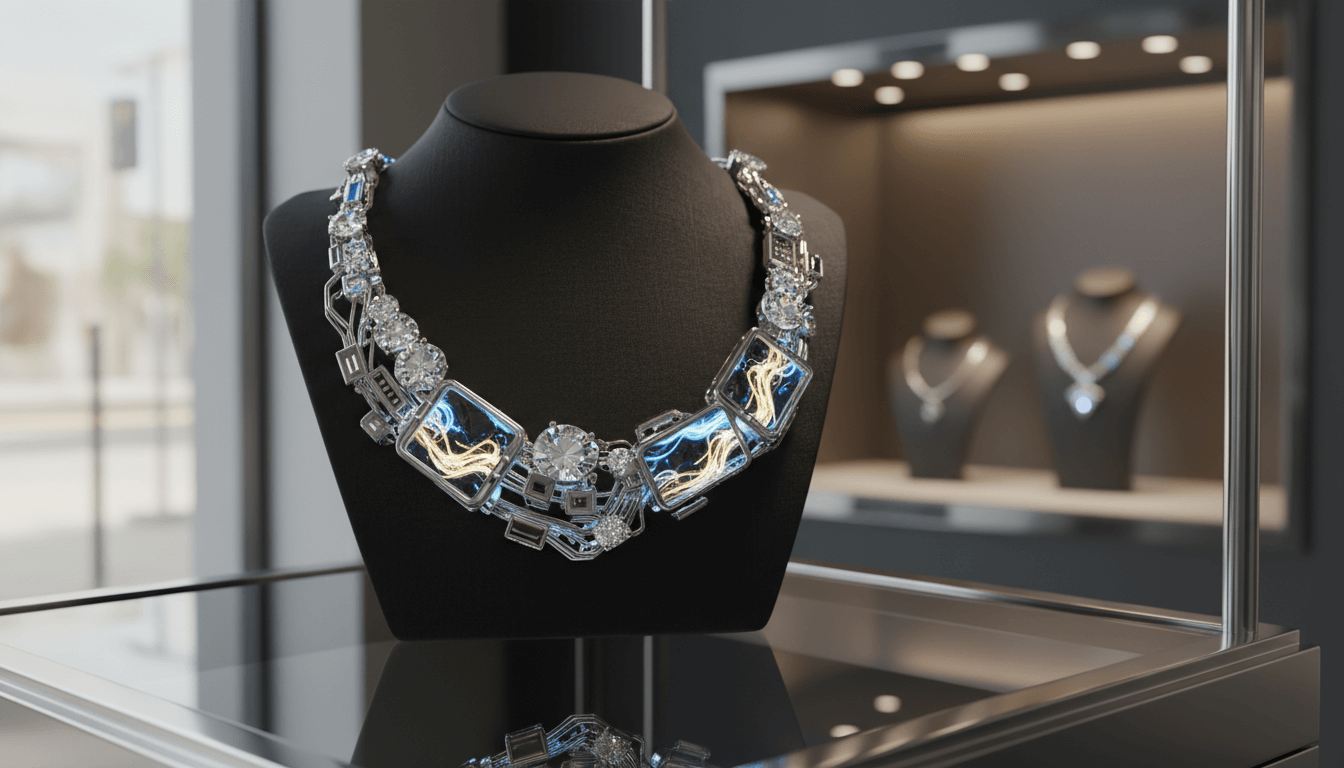
The luxury jewelry industry, long celebrated for its heritage and artisanal excellence, is embracing a new era defined by technological integration. As consumer preferences evolve towards personalized, functional, and sustainable products, brands are leveraging innovations to create pieces that blend timeless elegance with modern capabilities. From smart jewelry that tracks health metrics to AI-assisted design processes, this fusion is not merely a trend but a fundamental shift in how luxury is perceived and delivered. Drawing on insights from Stellar Market Research, this article delves into the key drivers, applications, and future implications of technology in luxury jewelry, highlighting how it enhances both aesthetic appeal and practical utility.
In-Depth Analysis
Emergence of Technology-Embedded Luxury Jewelry
The rise of technology-embedded luxury jewelry marks a significant departure from traditional offerings, driven by consumer demand for multifunctional and personalized accessories. Smart jewelry, a prominent category, incorporates features such as activity tracking, notification alerts, and contactless payments, often discreetly integrated into elegant designs. For instance, brands like Ringly and Bellabeat have pioneered pieces that sync with smartphones to monitor fitness and well-being, while high-end labels like TAG Heuer and Montblanc have introduced connected timepieces with luxury materials. According to Stellar Market Research, the global smart jewelry market is projected to grow at a CAGR of 15.3% from 2023 to 2030, reflecting its increasing adoption. Beyond wearables, tech-enhanced designs utilize materials like ceramic composites and titanium alloys to improve durability and aesthetic versatility, appealing to consumers seeking both innovation and exclusivity.
Innovation in Design and Manufacturing Techniques
Technological advancements are revolutionizing jewelry design and production, enabling greater precision, customization, and sustainability. Computer-aided design (CAD) and 3D printing allow artisans to create intricate prototypes and final products with minimal waste, reducing lead times by up to 50% compared to traditional methods. For example, Cartier employs 3D printing to craft complex geometric patterns, while brands like De Beers leverage AI algorithms to personalize designs based on consumer data. Additionally, blockchain technology is being adopted to ensure transparency in sourcing ethical diamonds and precious metals, addressing growing concerns over sustainability. Stellar Market Research notes that over 60% of luxury jewelry brands are investing in digital manufacturing tools to enhance craftsmanship and meet evolving consumer expectations for bespoke pieces.
Integration of Digital Elements in Traditional Jewelry
The seamless integration of digital elements into traditional jewelry designs is redefining luxury by adding interactive and experiential layers. Augmented reality (AR) platforms, such as those used by Bulgari and Tiffany & Co., enable virtual try-ons and immersive storytelling, enhancing the shopping experience both online and in-store. Embedded NFC chips in pieces like pendants and bracelets allow wearers to access exclusive content, authenticate products, or even store sentimental data. This approach not only preserves the artistry of handcrafted jewelry but also caters to digitally native consumers who value connectivity. Data from Stellar Market Research indicates that brands incorporating digital integrations report a 30% increase in customer engagement and a 25% rise in sales, underscoring the commercial viability of this trend.
Market Trends and Consumer Adoption
The blending of traditional craftsmanship with technology is shaping market dynamics, with luxury jewelry brands targeting younger, tech-savvy demographics. Millennials and Gen Z consumers, who prioritize innovation and sustainability, are driving demand for hybrid pieces that offer both aesthetic and functional benefits. Market analysis by Stellar Market Research reveals that technology-integrated jewelry accounts for approximately 20% of the luxury segment's growth, with projections suggesting it could reach $15 billion in annual revenue by 2028. Key trends include collaborations between tech firms and jewelry houses, such as Apple's partnerships with Hermès, and the use of IoT (Internet of Things) to create interconnected accessory ecosystems. Despite initial skepticism, consumer acceptance is high, with surveys showing that 70% of luxury buyers are willing to pay a premium for tech-enhanced jewelry.
Challenges and Future Outlook
While technology integration offers immense potential, it also presents challenges, including high production costs, cybersecurity risks, and the need to balance innovation with brand heritage. Brands must navigate these hurdles by investing in R&D and robust data protection measures. Looking ahead, emerging technologies like biodegradable electronics and holographic displays are poised to further transform the industry. Stellar Market Research predicts that by 2030, over 40% of luxury jewelry will incorporate some form of digital functionality, solidifying technology as a core component of luxury. As brands continue to experiment, the focus will remain on creating harmonious blends of art and innovation that resonate with discerning global audiences.
Key Takeaways
Technology integration is reshaping luxury jewelry through smart features, advanced materials, and digital manufacturing.
Consumer demand for personalized and functional accessories is driving market growth, with smart jewelry projected to expand rapidly.
Innovations like 3D printing and AI enhance customization and sustainability, aligning with modern ethical standards.
Digital elements such as AR and NFC chips enrich the consumer experience, boosting engagement and sales.
The future will see deeper technology fusion, with challenges like cost and security requiring strategic management.
Frequently Asked Questions
What is smart jewelry, and how does it work?
Smart jewelry refers to accessories embedded with technology, such as sensors or connectivity modules, to perform functions like fitness tracking, notifications, or payments. These pieces often sync with mobile apps via Bluetooth or Wi-Fi, combining luxury design with practical utility.
How are traditional jewelry brands adopting technology?
Traditional brands are integrating technology through digital design tools (e.g., CAD and 3D printing), embedded features like NFC chips for authentication, and AR for virtual try-ons. This allows them to maintain craftsmanship while appealing to modern consumers.
What are the benefits of technology in luxury jewelry?
Benefits include enhanced personalization, improved sustainability through efficient manufacturing, added functionality (e.g., health monitoring), and increased consumer engagement via interactive experiences.
Are tech-integrated jewelry pieces durable and sustainable?
Yes, many brands use robust materials like titanium or recycled metals and employ ethical sourcing practices. Advances in manufacturing reduce waste, and blockchain ensures transparency, making these pieces both durable and sustainable.
What is the market outlook for technology in luxury jewelry?
The market is growing steadily, with Stellar Market Research forecasting significant expansion driven by consumer demand. Technology-integrated jewelry is expected to become a mainstream segment, with innovations continuing to evolve.
Conclusion
The integration of technology into luxury jewelry represents a dynamic convergence of tradition and innovation, offering unprecedented opportunities for brands to elevate their offerings. By embracing smart features, advanced manufacturing, and digital elements, the industry is not only meeting the demands of a new generation but also setting the stage for future growth. As Stellar Market Research highlights, this trend underscores the importance of adaptability and creativity in sustaining luxury's allure. Ultimately, the successful fusion of craftsmanship and technology will define the next chapter of luxury jewelry, ensuring its relevance and desirability in an increasingly digital world.
Tags
Related Articles
Digital Transformation in Luxury Jewelry Retail: Navigating E-Commerce, AR, and Influencer Marketing
The luxury jewelry sector is undergoing a profound digital transformation, driven by the expansion of e-commerce platforms, integration of augmented reality try-on features, and the rising influence of social media and influencer marketing. These innovations are reshaping consumer engagement, with personalized online experiences and advanced technologies enhancing accessibility and driving sales. Brands that adapt to these trends are poised to capture a larger share of the evolving market, as highlighted in the Global Luxury Market Digital Trends Report.
Gold Dominance and Personalization: Shifting Dynamics in Luxury Jewelry
Gold jewelry continues to lead the luxury market with a commanding 54.9% share, driven by its enduring appeal and investment value. Rings dominate the product segment at 33.8%, fueled by cultural traditions and milestone celebrations. A significant trend toward personalized and unique designs is reshaping consumer preferences, emphasizing bespoke craftsmanship and emotional connections. This analysis explores material innovations, market drivers, and future outlooks for luxury jewelry.
Cultural and Regional Luxury Jewelry Preferences: A Global Market Analysis
Luxury jewelry preferences exhibit profound diversity across global regions, shaped by cultural heritage, economic dynamics, and evolving fashion trends. Europe maintains its legacy as a mature market with sophisticated tastes, while Asia-Pacific emerges as the fastest-growing region, driven by rising affluence. The Middle East showcases jewelry's deep cultural significance, often emphasizing opulent designs. Brands are increasingly adopting region-specific strategies, from marketing campaigns to bespoke collections, to resonate with local consumers. This article explores key regional markets, consumer behaviors, and strategic adaptations essential for success in the global luxury jewelry landscape.
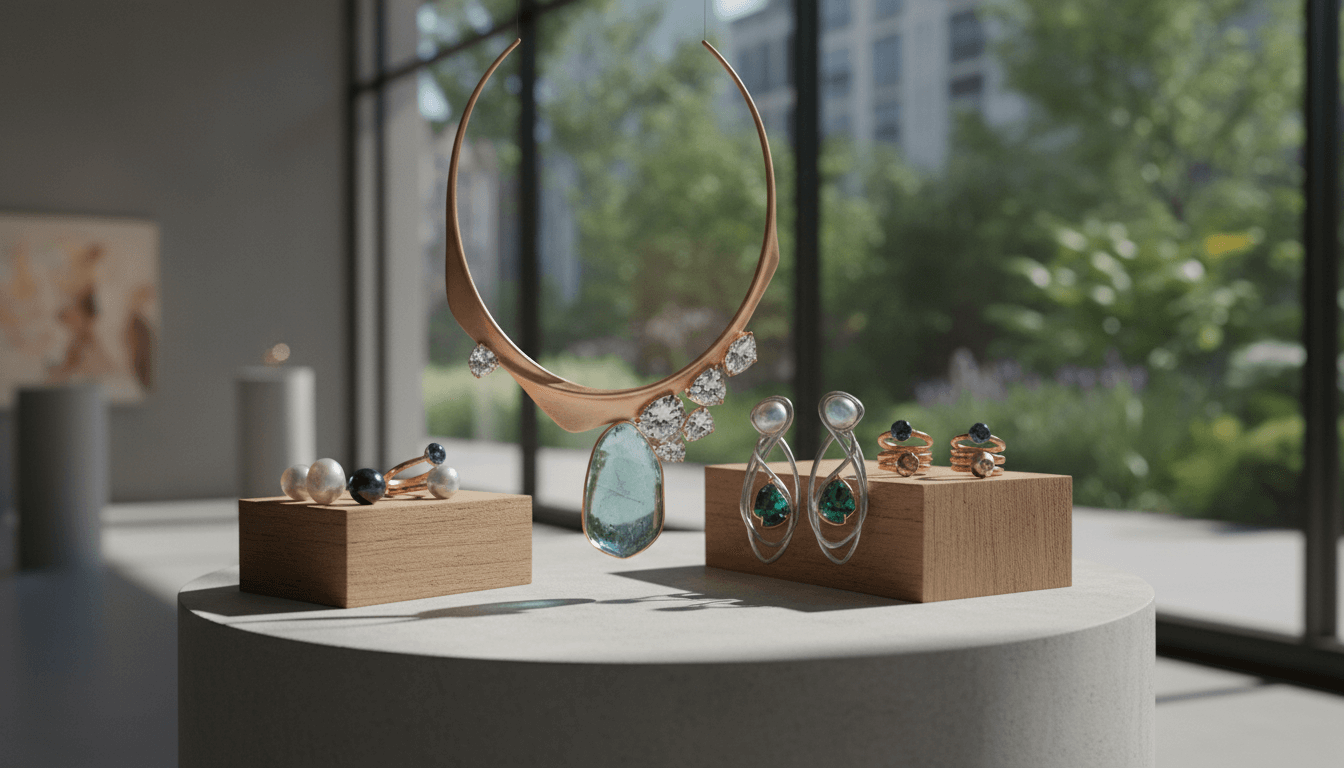
Emerging Trends in Luxury Jewelry Design: Blending Heritage with Modern Innovation
The luxury jewelry sector is evolving with groundbreaking design trends that merge traditional craftsmanship with contemporary aesthetics. Key developments include the rise of gender-neutral collections, increased demand for bespoke and personalized jewelry, and a strong focus on sustainability through ethical sourcing. These shifts reflect consumer preferences for pieces that serve as both fashion statements and long-term investments, driving brands to innovate in design, materials, and supply chain transparency. Insights from Luxury Market Trend Analysis 2024 highlight how these trends are reshaping the industry.
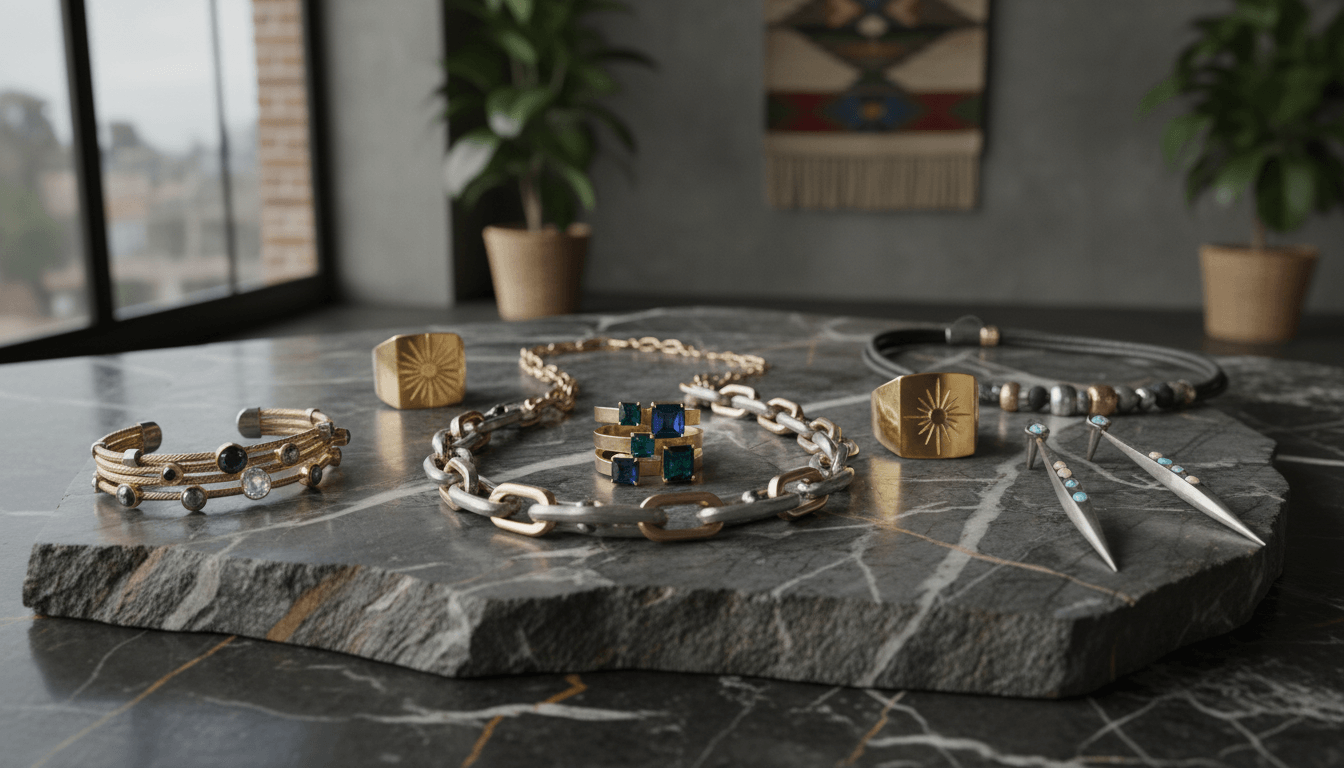
Gender-Neutral Luxury Jewelry Trends: Redefining Elegance Beyond Gender
The luxury jewelry sector is undergoing a transformative shift towards gender-neutral and unisex designs, driven by evolving social norms, a focus on individual expression, and a push for inclusivity. Major brands like Gucci and Bulgari are pioneering collections that transcend traditional gender boundaries, with a significant increase in male jewelry purchases reflecting this change. This trend not only aligns with contemporary values but also opens new market opportunities, reshaping how luxury is defined and consumed globally.
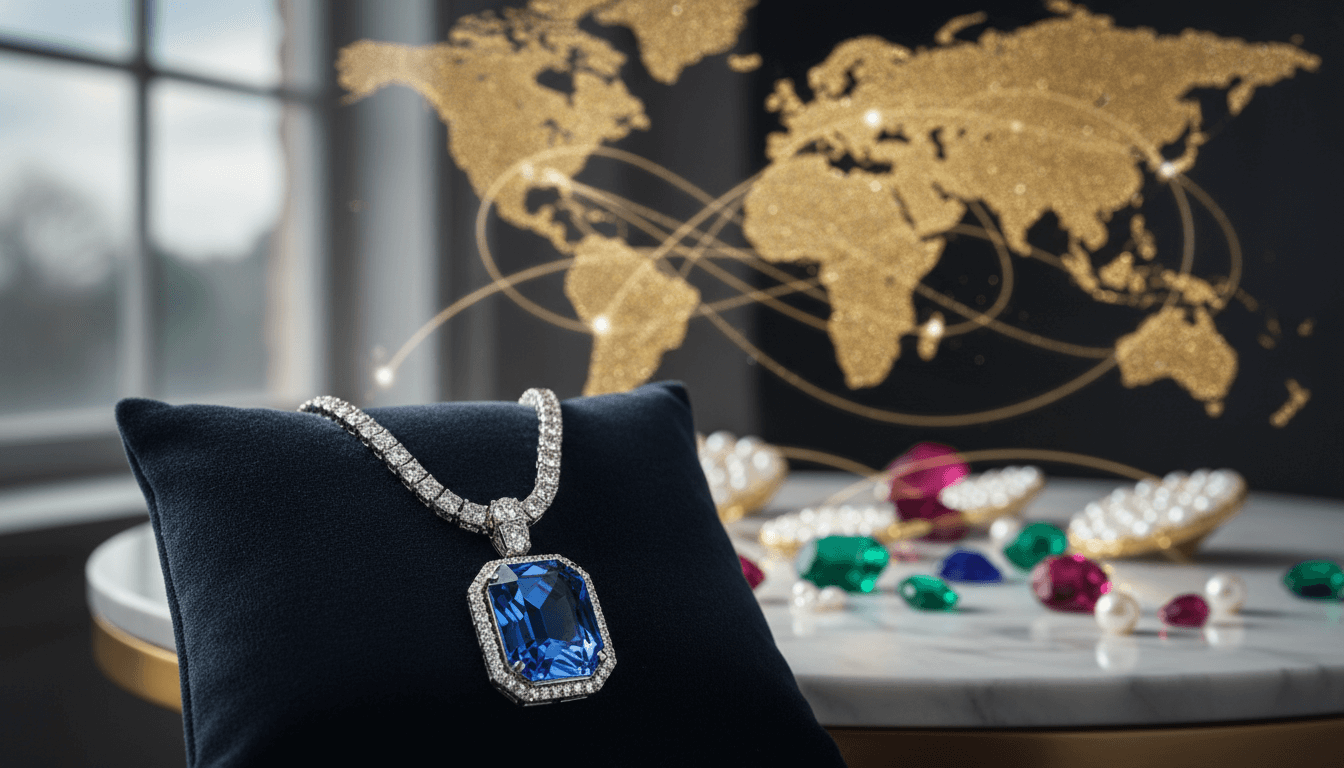
Regional Dynamics in the Global Luxury Jewelry Market: Asia Pacific's Dominance and Global Trends
The global luxury jewelry market is experiencing significant regional shifts, with Asia Pacific leading at a 60.2% market share. Driven by a burgeoning middle class, rapid urbanization, and increased luxury spending, this region sets the pace for growth. North America, dominated by the U.S. with 92.6% revenue share, and other regions show distinct consumer preferences, such as women accounting for 71.7% of revenue. This article explores these dynamics, key drivers, and future outlooks shaping the industry.