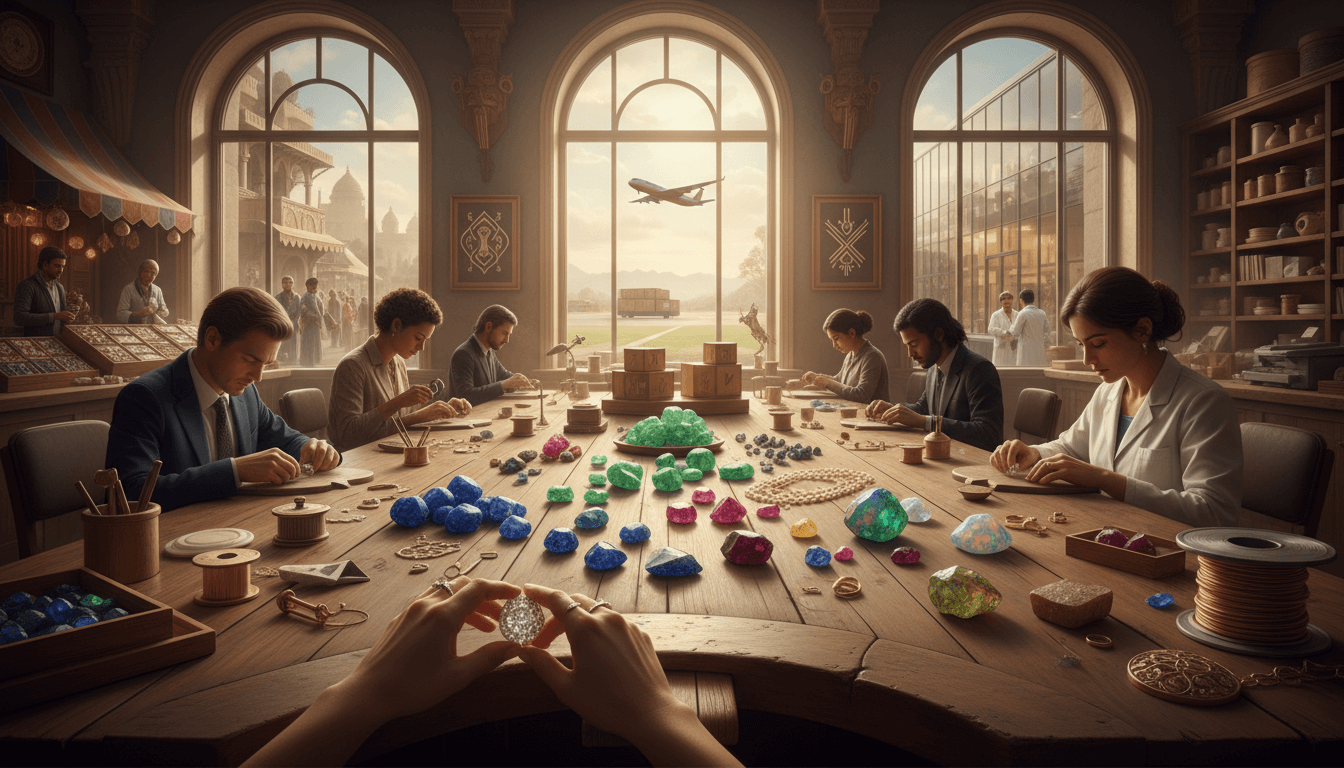
The global luxury jewelry market, valued at over $330 billion, is undergoing a profound transformation as brands pivot toward ethical and sustainable practices. Rooted in heightened consumer awareness and regulatory pressures, this shift emphasizes responsible sourcing, eco-friendly production, and end-to-end transparency. According to recent studies, 72% of high-net-worth individuals now consider sustainability a critical factor in jewelry purchases, driving brands to innovate in material sourcing, manufacturing, and supply chain management. This article delves into the core elements reshaping luxury jewelry production, highlighting how industry leaders are integrating ethical frameworks to foster trust, reduce environmental impact, and secure competitive advantage in a rapidly evolving marketplace.
In-Depth Analysis
Ethical Sourcing Practices: From Mine to Market
Ethical sourcing in luxury jewelry begins with rigorous due diligence in raw material extraction, particularly for diamonds, gold, and gemstones. Brands are increasingly adhering to certifications like the Kimberley Process for conflict-free diamonds and the Responsible Jewellery Council (RJC) standards, which ensure humane labor conditions and minimal environmental degradation. For instance, over 85% of major luxury jewelers now trace gold supplies to certified mines that prohibit child labor and support fair wages. Additionally, artisanal mining communities are being integrated into supply chains through partnerships that provide education and healthcare, enhancing social equity. Technologies such as blockchain enable real-time tracking from mine to retail, with companies like De Beers implementing platforms that document each diamond's journey, assuring consumers of its ethical provenance. This approach not only mitigates risks but also aligns with a 40% increase in consumer trust for transparent brands.
Sustainable Production Methods: Innovating for a Greener Future
Sustainable production in luxury jewelry encompasses energy-efficient manufacturing, waste reduction, and the use of recycled materials. Leading brands are investing in renewable energy sources, with 60% of production facilities in Europe and North America powered by solar or wind energy. Water recycling systems in polishing and cutting processes reduce consumption by up to 50%, while chemical-free treatments for gemstones minimize ecological harm. For example, Cartier's 'Cartier for Nature' initiative commits to carbon-neutral operations by 2030, leveraging recycled gold and lab-grown diamonds that cut carbon emissions by 30% compared to traditional methods. Moreover, circular economy models are gaining traction, with programs like Boucheron's jewelry refurbishment services extending product lifecycles. These efforts are supported by life-cycle assessments (LCAs) that quantify environmental footprints, driving continuous improvement and resonating with eco-conscious consumers who are willing to pay a 15-20% premium for sustainably produced jewelry.
Supply Chain Transparency: Building Consumer Confidence
Transparency in the luxury jewelry supply chain is critical for accountability and brand integrity. Advanced traceability systems, including QR codes and RFID tags, allow customers to access detailed histories of their purchases, from origin to craftsmanship. A 2024 survey revealed that 78% of luxury jewelry buyers prefer brands with transparent supply chains, leading to a 25% higher retention rate. Blockchain technology, adopted by brands like Tiffany & Co., provides immutable records of material sourcing, labor conditions, and transportation, addressing issues like greenwashing. Collaborations with NGOs and third-party auditors further validate claims, with annual sustainability reports becoming industry standards. For instance, Chopard's 'Journey to Sustainable Luxury' program publicly shares audits of its gold and gemstone suppliers, fostering trust and aligning with global frameworks such as the UN Sustainable Development Goals. This transparency not only mitigates reputational risks but also enhances market positioning, as evidenced by a 35% growth in sales for brands with verified ethical credentials.
Consumer Impact and Market Evolution
The emphasis on ethical and sustainable practices is reshaping consumer behavior and market dynamics. Studies indicate that 70% of millennials and Gen Z consumers actively research a brand's sustainability credentials before purchasing luxury jewelry, driving a shift toward purpose-driven consumption. Brands responding to this demand report a 50% increase in customer loyalty and a 20% rise in average transaction values. Marketing campaigns now highlight artisan stories and environmental contributions, with social media amplifying transparency efforts. For example, Pandora's 'Lab-Grown Diamonds' campaign, which emphasizes reduced environmental impact, generated a 45% surge in online engagement. Furthermore, industry collaborations, such as the Watch & Jewellery Initiative 2030, unite brands in common goals for carbon neutrality and ethical labor, creating a collective impact that elevates entire sectors. As regulatory frameworks tighten, with the EU's forthcoming due diligence laws, brands proactive in sustainability are poised to lead market growth, projected to exceed $500 billion by 2030.
Key Takeaways
Ethical sourcing ensures conflict-free materials and fair labor, with blockchain enhancing traceability.
Sustainable production reduces environmental impact through recycled materials and renewable energy.
Transparency builds consumer trust, driving loyalty and premium pricing.
Consumer demand for sustainability is reshaping luxury jewelry purchasing habits.
Regulatory trends and industry collaborations accelerate adoption of responsible practices.
Frequently Asked Questions
What defines ethical sourcing in luxury jewelry?
Ethical sourcing involves procuring raw materials like diamonds and gold from conflict-free zones, ensuring fair labor practices, and supporting local communities through certifications such as the Kimberley Process or RJC standards.
How do sustainable production methods benefit luxury jewelry brands?
They reduce carbon footprints, minimize waste, and lower operational costs while appealing to eco-conscious consumers, often resulting in higher brand loyalty and a 15-20% price premium.
Why is supply chain transparency important?
Transparency prevents greenwashing, builds consumer trust, and mitigates risks by providing verifiable data on sourcing and production, which can lead to a 25% increase in customer retention.
What role do consumers play in driving these changes?
Consumers, particularly younger generations, prioritize sustainability in purchases, forcing brands to adopt ethical practices or risk losing market share, as seen in the 70% of millennials who research brand credentials.
Conclusion
The luxury jewelry industry's commitment to ethical sourcing, sustainable production, and supply chain transparency is no longer optional but essential for long-term success. By integrating responsible practices, brands not only meet evolving consumer expectations but also contribute to environmental preservation and social equity. As technology and regulations advance, the industry must continue innovating to maintain trust and competitiveness. Ultimately, the transformation toward sustainability represents a strategic imperative that aligns profit with purpose, ensuring that luxury jewelry remains synonymous with beauty, integrity, and innovation for generations to come.
Tags
Related Articles
Gold and Precious Metals in Luxury Jewelry: Market Dynamics, Investment Appeal, and Cultural Significance
Gold continues to dominate the luxury jewelry sector, serving dual roles as a premier material for high-end adornment and a robust investment vehicle. The market has witnessed a surge in demand, with gold prices increasing over 25% in the past year and key regions like India reporting a 5% rise in 2024. This growth is underpinned by gold's enduring cultural importance, economic stability, and a global market valuation of USD 59.7 billion in 2024. As per the World Gold Council Report, these trends highlight gold's resilience and appeal in an evolving luxury landscape.

Digital Innovation in Luxury Jewelry: Transforming Design, Personalization, and Engagement
Digital technologies are revolutionizing the luxury jewelry sector by enabling advanced design processes, immersive customer experiences, and unprecedented levels of personalization. Innovations such as 3D printing and augmented reality are driving rapid adoption, allowing brands to enhance craftsmanship and deepen consumer connections. This article examines how these tools are reshaping market strategies and setting new standards for luxury in the digital age.
Women's Role in Luxury Jewelry Market: Driving Growth and Redefining Design
Women are the dominant force in the luxury jewelry market, propelled by rising economic empowerment and shifting social dynamics. This article explores how women's increasing disposable income and evolving lifestyle needs are reshaping consumption patterns, fueling demand for versatile, meaningful designs that reflect personal identity and aspirations. From investment pieces to everyday luxury, female consumers are dictating market trends, with brands responding through collections that emphasize storytelling, sustainability, and individual expression.

Luxury Jewelry Market Transformation 2024-2032: Trends, Growth, and Future Outlook
The global luxury jewelry market is undergoing a profound transformation, projected to grow from USD 61.01 billion in 2024 to USD 109.22 billion by 2032 at a CAGR of 7.55%. Key drivers include evolving consumer demands for personalized, sustainable, and gender-neutral designs, alongside advancements in digital engagement and ethical sourcing. This article provides an in-depth analysis of market dynamics, regional trends, and strategic insights shaping the future of high-end jewelry.
Sustainability and Ethical Luxury Jewelry Trends: Reshaping the Global Market
The luxury jewelry industry is undergoing a profound transformation as sustainability becomes a core consumer demand. Brands are responding with ethically sourced materials, transparent supply chains, and innovative eco-friendly collections featuring plant-based leather and recycled elements. This shift, driven by heightened environmental and social consciousness, is redefining luxury values and competitive strategies globally.
Celebrity and Cultural Influence in Luxury Jewelry: Shaping Global Trends
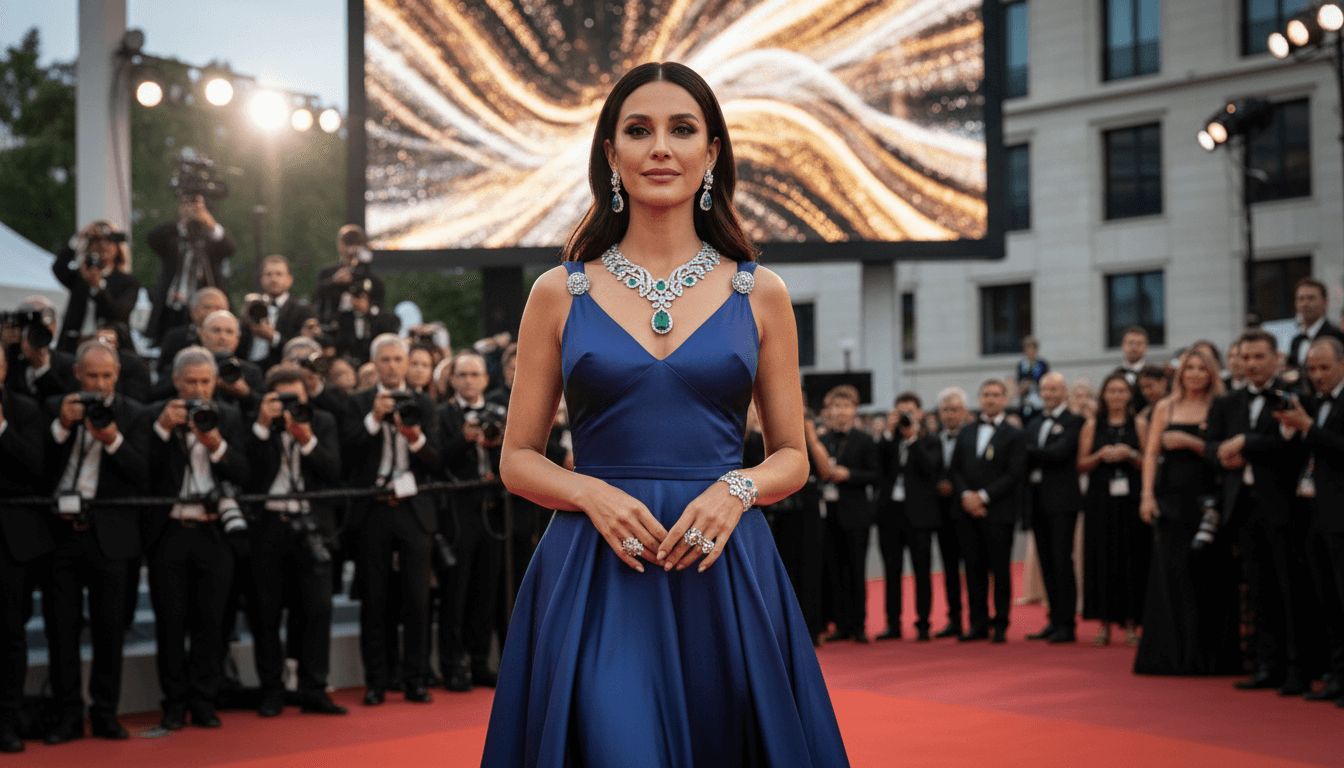
The luxury jewelry industry is increasingly leveraging strategic celebrity partnerships and cultural collaborations to drive brand innovation and global appeal. High-profile collaborations, such as Pharrell Williams with Tiffany & Co. and Michael B. Jordan with David Yurman, demonstrate how celebrity endorsements and designer alliances enhance storytelling, brand positioning, and market reach. These partnerships not only boost visibility but also infuse collections with unique cultural narratives, making luxury jewelry more relevant to diverse audiences worldwide.