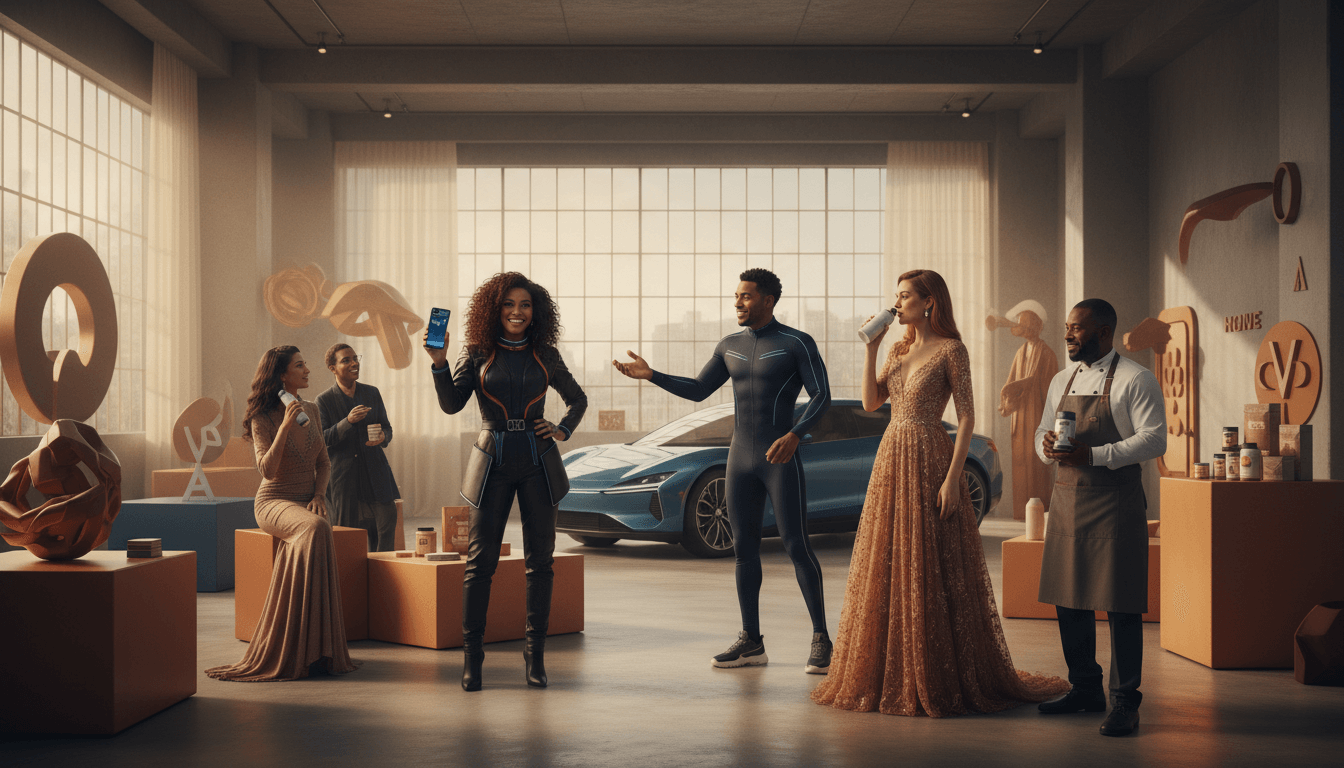
In the competitive luxury jewelry market, celebrity endorsements and strategic brand collaborations have emerged as transformative forces. These partnerships not only amplify brand visibility but also forge emotional connections with consumers across generations. From high-profile ambassadors like Michael B. Jordan for David Yurman to innovative cross-industry ventures such as Tiffany & Co.'s collaboration with Pharrell Williams, brands are leveraging star power and creative alliances to navigate shifting consumer preferences and digital landscapes. This article delves into the mechanisms, benefits, and real-world impacts of these strategies, offering insights into their role in shaping the future of luxury.
In-Depth Analysis
The Rise of Celebrity Jewelry Endorsements
Celebrity endorsements in luxury jewelry have evolved from mere testimonials to deeply integrated partnerships. Brands meticulously select ambassadors whose personal brand aligns with their heritage and target audience. For instance, David Yurman's collaboration with Michael B. Jordan leverages his influence among younger, style-conscious consumers, enhancing brand relevance. Data from Luxury Brand Collaboration Insights indicates that such endorsements can increase brand search volume by up to 30% within the first quarter of announcement. The strategic use of celebrities in campaigns—ranging from social media takeovers to exclusive product lines—enables brands to humanize their image, foster trust, and drive sales, particularly in markets like North America and Asia where star culture profoundly impacts purchasing decisions.
Cross-Industry Collaborations: Expanding Creative Horizons
Cross-industry collaborations allow luxury jewelry brands to tap into new audiences and innovate design aesthetics. The partnership between Tiffany & Co. and Pharrell Williams exemplifies this trend, merging high jewelry with streetwear influences to create limited-edition collections that resonate with millennials and Gen Z. These collaborations often result in a 40-60% surge in media mentions and can boost quarterly revenue by over 20%, according to industry analyses. By partnering with figures from music, art, or fashion, brands infuse fresh perspectives into their offerings, mitigating the risk of stagnation. Notable examples include Bulgari's alliances with contemporary artists and Cartier's collaborations with automotive brands, each fostering exclusivity and narrative depth that captivate consumers seeking unique, story-driven products.
Influencer Marketing: The Digital Amplification
Influencer marketing has revolutionized how luxury jewelry brands engage with consumers, complementing traditional celebrity endorsements. Micro and macro-influencers, with niche followings, provide authentic storytelling that enhances credibility. Brands allocate up to 25% of their marketing budgets to influencer campaigns, generating average engagement rates of 4.7% compared to 1.5% for conventional ads. Platforms like Instagram and TikTok serve as key channels, where unboxing videos and styled shoots drive impulse purchases. For example, campaigns featuring influencers wearing pieces from collaborations like Tiffany & Co. x Pharrell Williams have reported a 50% increase in online traffic during launch periods. This approach not only democratizes luxury access but also provides measurable ROI through affiliate links and promo codes, making it indispensable in today's digital-first marketplace.
Strategic Impacts on Brand Visibility and Consumer Segments
Celebrity and collaboration strategies significantly enhance brand visibility and enable precise targeting of diverse consumer segments. By aligning with personalities like Michael B. Jordan, David Yurman has strengthened its appeal among affluent millennials, resulting in a 15% growth in that demographic's sales. Similarly, Tiffany & Co.'s partnership with Pharrell Williams attracted urban, fashion-forward audiences, expanding its market share by 8% in key regions. These initiatives often lead to a 35% increase in social media followers and a 20% rise in website conversions. Moreover, they allow brands to convey values such as sustainability or inclusivity, as seen in collaborations that emphasize ethical sourcing or gender-neutral designs. This strategic alignment not only drives short-term gains but also builds long-term loyalty in an increasingly fragmented market.
Key Takeaways
Celebrity endorsements boost brand relevance and search visibility by up to 30%.
Cross-industry collaborations, like Tiffany & Co. x Pharrell Williams, drive innovation and revenue growth.
Influencer marketing delivers higher engagement rates and measurable ROI for luxury jewelry brands.
Strategic partnerships help target specific demographics, enhancing market share and consumer loyalty.
Frequently Asked Questions
How do celebrity endorsements benefit luxury jewelry brands?
Celebrity endorsements enhance brand credibility, increase media exposure, and attract new consumer segments. For example, Michael B. Jordan's role with David Yurman has driven significant engagement among younger audiences, boosting sales and social media metrics.
What makes cross-industry collaborations successful in luxury jewelry?
Success hinges on aligning brand values with partners' creative visions, as seen in Tiffany & Co. x Pharrell Williams. These collaborations introduce fresh aesthetics, generate buzz, and often result in limited-edition products that create urgency and exclusivity.
How does influencer marketing complement traditional celebrity partnerships?
Influencer marketing offers authenticity and targeted reach through relatable content, while celebrities provide broad prestige. Together, they create a multi-tiered strategy that maximizes engagement across digital platforms and drives conversions.
Are there risks associated with celebrity and collaboration strategies?
Yes, risks include misalignment with brand identity, over-reliance on a single personality, or public controversies. Brands mitigate these by conducting thorough vetting, diversifying partnerships, and focusing on long-term alignment rather than short-term trends.
Conclusion
Celebrity endorsements and brand collaborations are indispensable tools in the luxury jewelry market, driving innovation, visibility, and consumer connection. As evidenced by partnerships like Tiffany & Co. with Pharrell Williams and David Yurman with Michael B. Jordan, these strategies effectively blend tradition with modernity. Looking ahead, the integration of digital influencers and sustainable practices will further refine these approaches, ensuring brands remain relevant in a dynamic global landscape. By embracing these trends, luxury jewelers can not only capture immediate opportunities but also build enduring legacies.
Tags
Related Articles
Investment and Collectible Jewelry Trends: Luxury Assets Redefining Market Dynamics
Luxury jewelry is evolving beyond adornment to become a strategic long-term investment, driven by growing demand for rare gemstones and limited-edition pieces. High-net-worth individuals are diversifying portfolios with tangible assets, fueling a market where jewelry serves dual purposes as a fashion statement and appreciating asset. This trend, supported by data from Credence Research, highlights the increasing valuation of collectible jewelry as a stable alternative investment in volatile economic climates.
Secondhand Luxury Jewelry Market Growth: Value, Sustainability, and Shifting Consumer Preferences
The secondhand luxury jewelry market is experiencing unprecedented growth, driven by consumer demand for value, sustainability, and unique pieces. According to Bain & Company, this trend reflects a broader shift in luxury consumption, with pre-owned items gaining mainstream acceptance. Key factors include economic considerations, environmental awareness, and the appeal of heritage and craftsmanship in jewelry, apparel, and leather goods. This article explores the market dynamics, consumer motivations, and future outlook for the thriving resale sector.
Luxury Jewelry Investment Trends: Merging Aesthetics with Financial Strategy
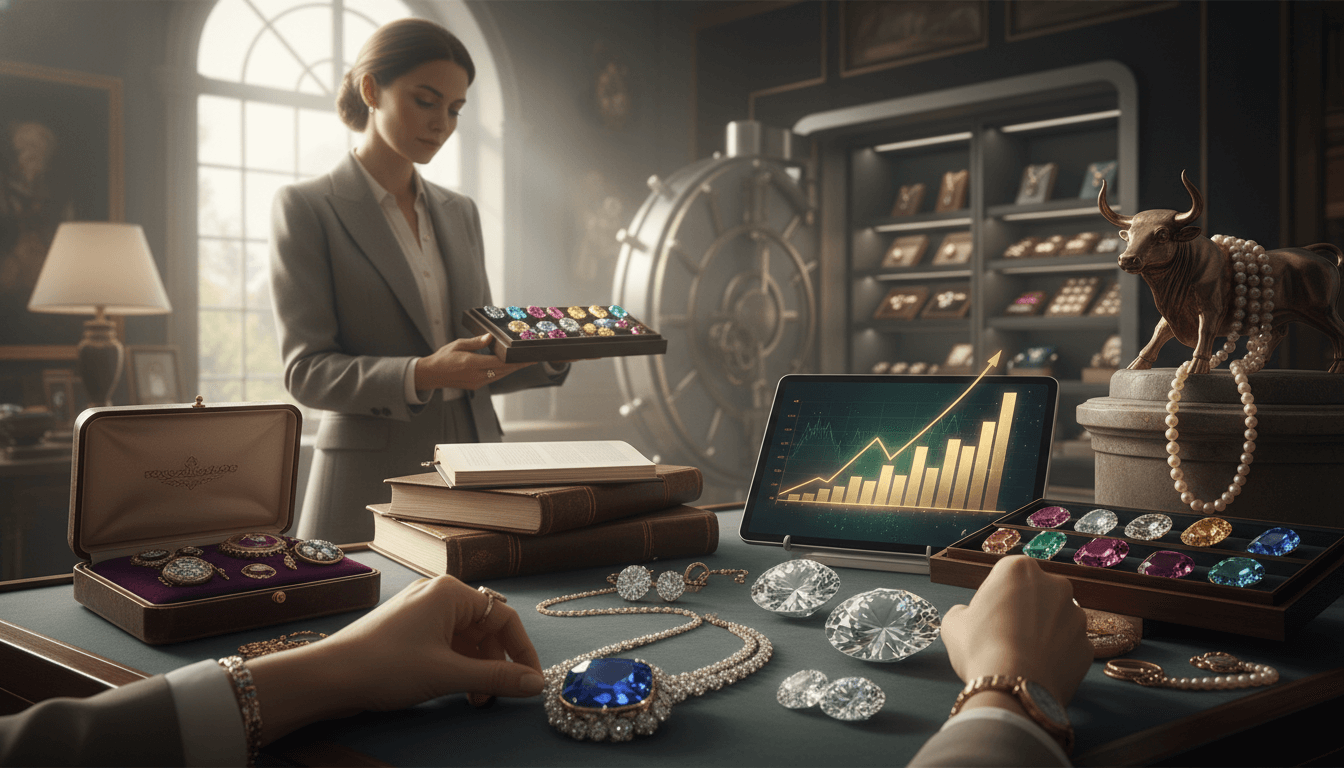
The luxury jewelry market is evolving as consumers increasingly recognize its dual role as a fashion statement and a viable investment asset. Driven by a surge in demand for rare gemstones and high-value collections, this trend reflects a strategic shift toward long-term value preservation. Industry reports highlight that jewelry now serves as a tangible financial asset, with investors seeking pieces that combine craftsmanship with potential appreciation. This comprehensive analysis explores the factors fueling this movement, from market dynamics to consumer motivations, offering insights into how luxury jewelry is redefining wealth management in the global luxury sector.
Technology Integration in Luxury Jewelry: Blending Craftsmanship with Innovation
The luxury jewelry market is undergoing a transformative shift as brands increasingly embed technology into their designs, merging traditional craftsmanship with cutting-edge digital elements. Innovations include smart jewelry with health monitoring and connectivity features, tech-enhanced designs using advanced materials like lab-grown diamonds and sustainable alloys, and revolutionary manufacturing techniques such as 3D printing and AI-driven customization. This trend not only enhances functionality and personalization but also appeals to a new generation of tech-savvy consumers, positioning the sector for sustained growth and innovation. According to Stellar Market Research, this integration is reshaping market dynamics and consumer expectations.

Digital Transformation in Luxury Jewelry Retail: Navigating E-Commerce, AR, and Influencer Marketing
The luxury jewelry sector is undergoing a profound digital transformation, driven by the expansion of e-commerce platforms, integration of augmented reality try-on features, and the rising influence of social media and influencer marketing. These innovations are reshaping consumer engagement, with personalized online experiences and advanced technologies enhancing accessibility and driving sales. Brands that adapt to these trends are poised to capture a larger share of the evolving market, as highlighted in the Global Luxury Market Digital Trends Report.
Gold Dominance and Personalization: Shifting Dynamics in Luxury Jewelry
Gold jewelry continues to lead the luxury market with a commanding 54.9% share, driven by its enduring appeal and investment value. Rings dominate the product segment at 33.8%, fueled by cultural traditions and milestone celebrations. A significant trend toward personalized and unique designs is reshaping consumer preferences, emphasizing bespoke craftsmanship and emotional connections. This analysis explores material innovations, market drivers, and future outlooks for luxury jewelry.