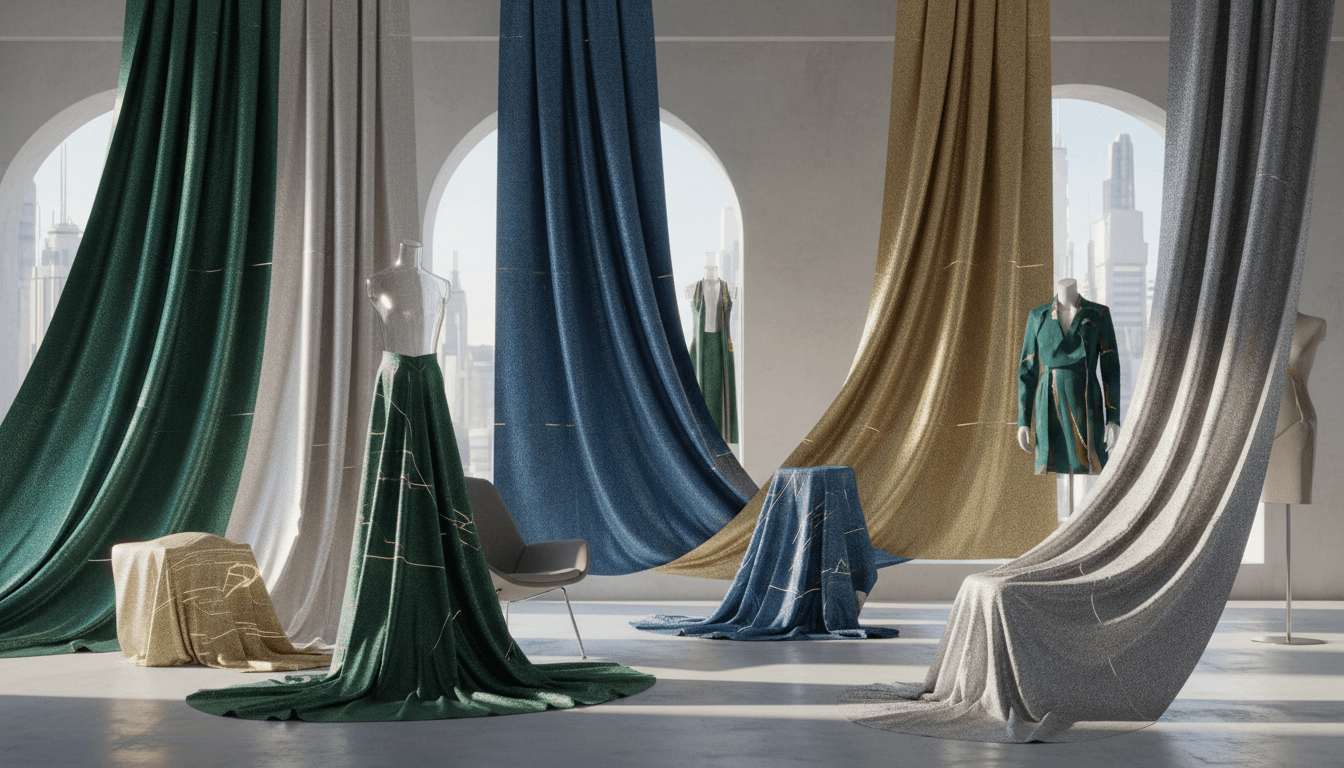
The intersection of technology and textiles has created unprecedented opportunities for luxury fashion brands to redefine functionality and sustainability. Health monitoring capabilities represent one of the most significant advancements, with micro-sensors seamlessly woven into fabric structures that track vital signs including heart rate variability, respiratory patterns, and stress indicators through electrocardiogram (ECG) and photoplethysmography (PPG) technology. These biometric monitoring systems connect via Bluetooth to mobile applications, providing real-time health analytics while maintaining the aesthetic integrity of luxury garments. Temperature regulation technologies have evolved beyond basic insulation to incorporate phase-change materials (PCMs) that absorb, store, and release thermal energy in response to environmental conditions. Advanced textile engineering includes graphene-infused fabrics that provide dynamic thermal management, maintaining optimal body temperature within ±2°C of the wearer's comfort zone. Self-cleaning capabilities utilizing photocatalytic nanotechnology break down organic compounds and odors when exposed to light, significantly reducing water consumption and chemical cleaning agents. Sustainable material innovation represents another critical frontier, with lab-grown leather demonstrating identical physical properties to traditional leather while reducing environmental impact by up to 95% in water usage and 80% in carbon emissions. Spider silk proteins produced through bio-fermentation create textiles with exceptional strength-to-weight ratios, while 3D-printed textiles enable zero-waste production through precise material deposition. The market data substantiates this technological shift: the eco-fashion market's projected growth from $9.22 billion in 2024 to $20.84 billion by 2033 reflects increasing consumer demand for sustainable luxury, while the 25% compound annual growth rate (CAGR) for smart clothing through 2030 demonstrates rapid adoption of integrated technologies. Luxury brands are implementing these innovations across multiple categories, including performance sportswear that adjusts compression based on muscle fatigue detection, evening wear with embedded lighting systems, and business attire featuring posture correction feedback. The convergence of artificial intelligence with textile technology enables predictive analytics for personalized comfort settings and proactive health recommendations. Material science breakthroughs include shape-memory alloys that adapt garment fit dynamically and conductive yarns that enable gesture control interfaces. Environmental considerations extend beyond material selection to encompass circular economy principles, with smart textiles designed for disassembly and component recycling. The integration of Internet of Things (IoT) connectivity allows for over-the-air updates to firmware embedded in garments, extending product lifespan and functionality. Luxury consumers increasingly prioritize both technological sophistication and sustainability credentials, driving brands to invest in research partnerships with technology firms and academic institutions. The regulatory landscape is evolving to address data privacy concerns associated with health monitoring garments, with encryption protocols and transparent data handling policies becoming standard industry practice. Supply chain transparency through blockchain technology provides consumers with verifiable sustainability credentials for smart textiles. As these technologies mature, price premiums for smart luxury garments are decreasing from initial 300-400% margins to more accessible 150-200% premiums, accelerating market adoption. The future trajectory includes developments in energy-harvesting textiles that power embedded electronics through kinetic and solar energy, further enhancing the autonomy and functionality of smart luxury fashion.
Recommended
This innovation showcases exceptional quality and transformative potential for the luxury industry.
Tags
Related Innovations
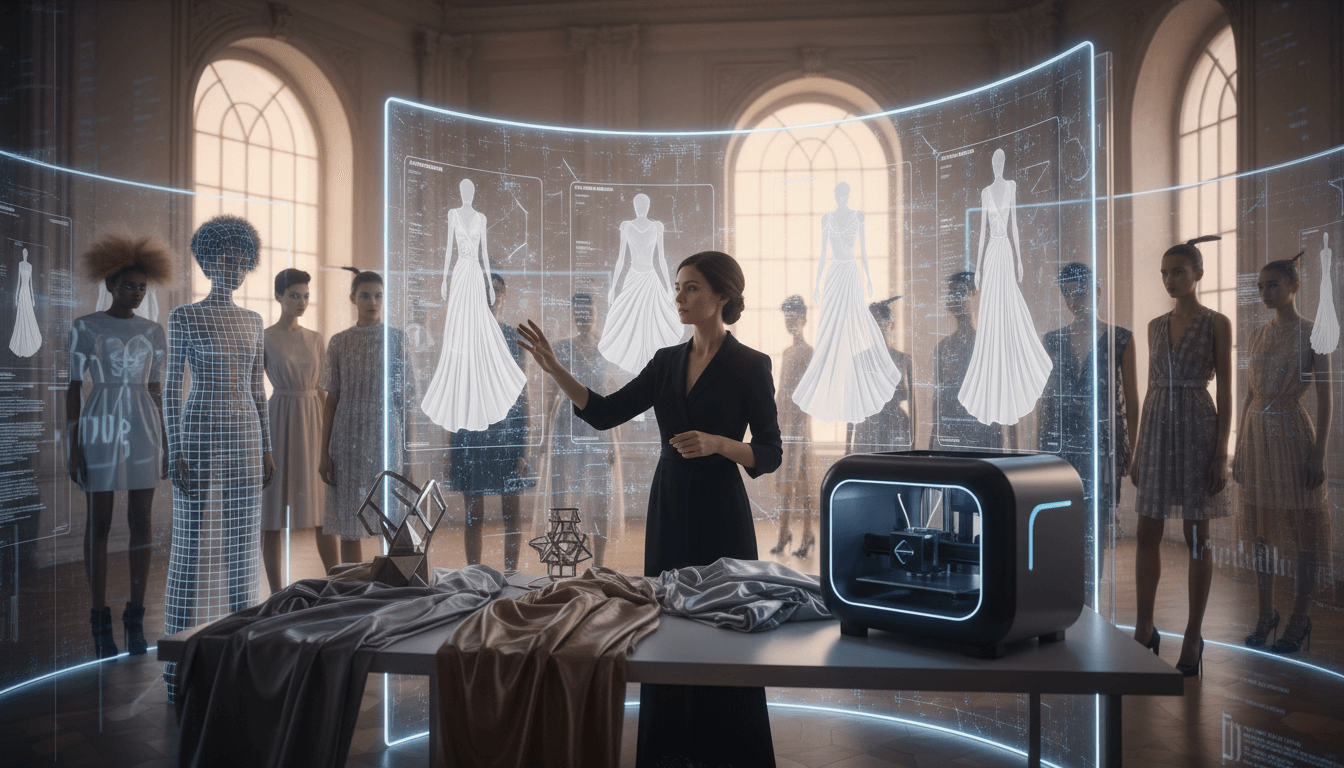
AI-Driven Fashion Design and Personalization: Revolutionizing Luxury in 2025
Artificial Intelligence is fundamentally reshaping the luxury fashion landscape in 2025, driving unprecedented innovation in design creation and consumer personalization. Advanced AI algorithms now autonomously generate exclusive collections, analyze nuanced consumer preferences, and deliver hyper-personalized fashion recommendations. Leading luxury brands are leveraging these technologies to optimize global supply chains, accurately predict emerging trends, and develop bespoke products tailored to individual client desires. This technological evolution is meeting the growing market demand for uniquely tailored fashion experiences, fundamentally altering how luxury is conceived, produced, and consumed worldwide.
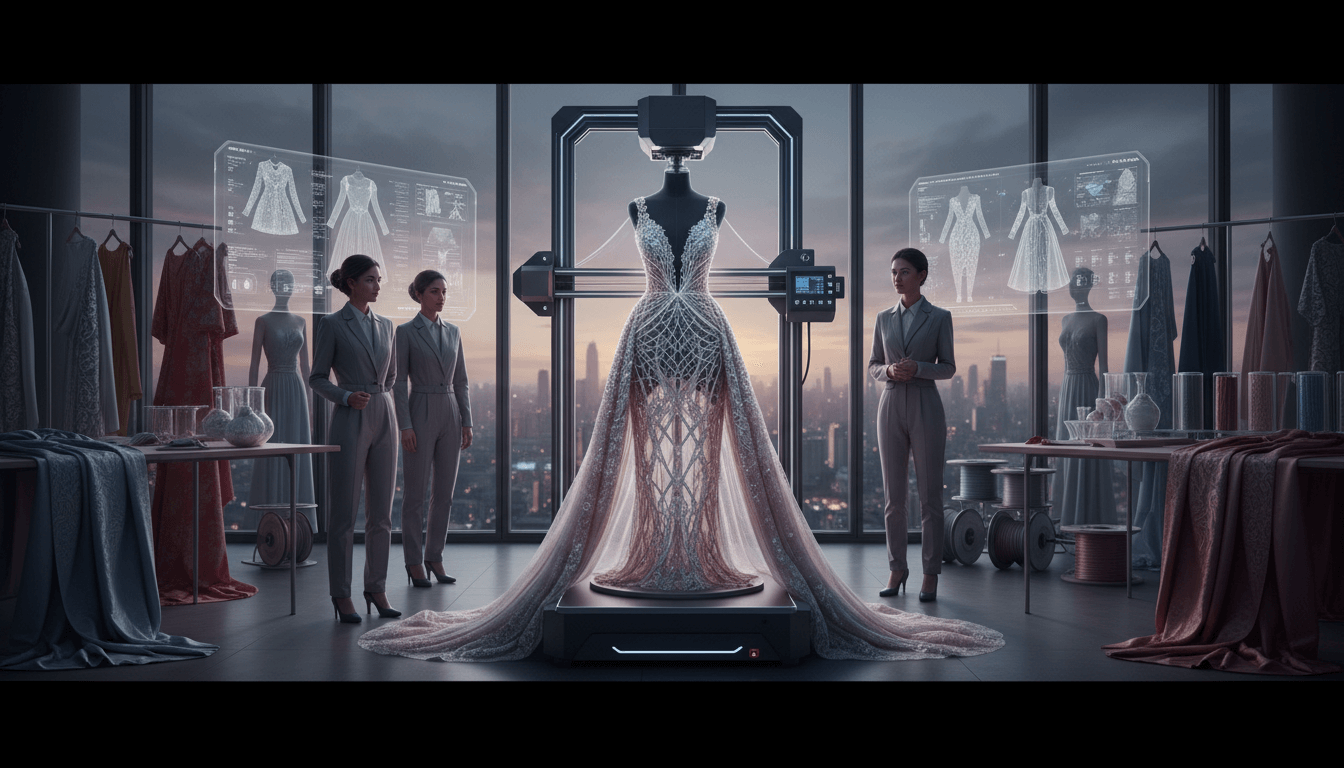
How 3D Printing Is Revolutionizing Luxury Fashion in 2025 and Beyond
3D printing technology is transforming luxury fashion by enabling unprecedented customization, intricate designs, and sustainable production. As the market for 3D-printed wearables surges from $5 billion in 2024 to a projected $7.5 billion by 2030, brands are leveraging this innovation for rapid prototyping, minimal waste, and bespoke creations. This technology supports eco-friendly practices and empowers designers to push creative boundaries, making personalized luxury accessible. With applications spanning haute couture, accessories, and footwear, 3D printing is redefining craftsmanship and consumer expectations in high-end fashion.

Luxury Fashion Metaverse Experiences: Redefining Digital Brand Interactions in 2025
By 2025, luxury fashion brands are pioneering immersive metaverse experiences that transform digital consumer engagement. These virtual environments offer exclusive digital runway shows, interactive brand spaces, and digital-only collections, with adoption rates increasing significantly among leading luxury houses. The trend is particularly popular with younger demographics, with 68% of Gen Z consumers expressing interest in digital fashion assets. This evolution represents a strategic shift toward blending physical and digital luxury experiences, creating new revenue streams and enhancing brand storytelling through cutting-edge virtual technologies.
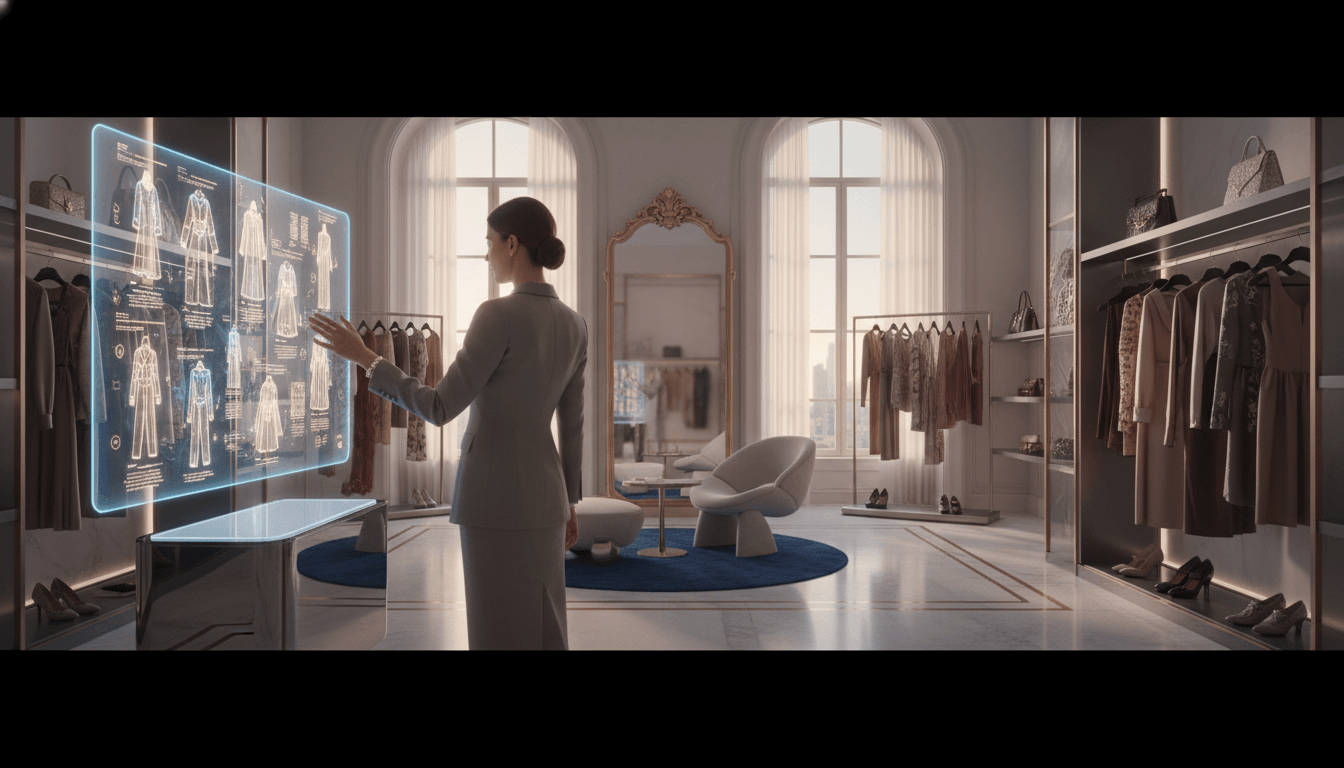
AI-Powered Personalization: Revolutionizing Luxury Fashion Experiences
Luxury fashion is undergoing a seismic transformation through AI-driven personalization, with the market projected to surge from $1.2 billion to $5.6 billion by 2034. Advanced algorithms analyze customer behavior to deliver hyper-personalized recommendations, with 94% of luxury shoppers expressing openness to value-added customization. Leading brands like Net-a-Porter are integrating AI to create seamless omnichannel experiences that merge technological innovation with artisanal craftsmanship, setting new standards for consumer engagement and market growth.

Blockchain and Authenticity in Luxury Goods: Revolutionizing Verification and Trust
Blockchain technology is fundamentally transforming authenticity verification in the luxury goods sector by offering immutable transparency and trust. This innovation enables precise tracking of product origins, ethical sourcing validation, and secure supply chain integration. Leading brands, including De Beers, are adopting blockchain to combat counterfeiting—estimated to cost the industry over $500 billion annually—while enhancing consumer confidence. By providing a verifiable digital ledger for each item's journey from raw material to final sale, blockchain addresses critical consumer concerns about provenance and integrity, positioning itself as an essential tool for the future of luxury retail.
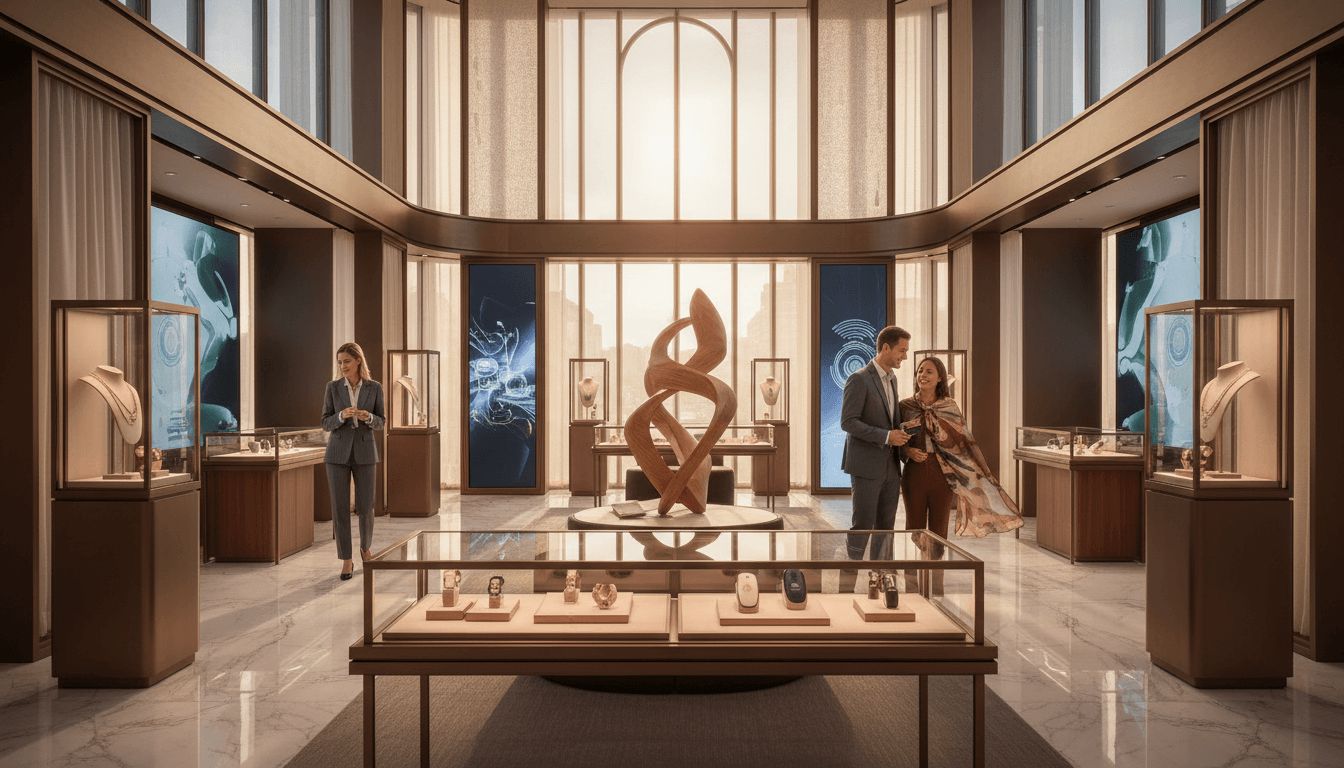
Immersive Retail Experiences in Luxury: Transforming High-End Shopping with AR, VR, and Interactive Pop-Ups
Luxury retail is undergoing a profound transformation driven by immersive technologies such as augmented reality (AR) and virtual reality (VR), alongside interactive pop-up experiences. Brands like Louis Vuitton and Gucci are pioneering these innovations, blending digital and physical realms to enhance customer engagement and drive sales. Gucci's AR shoe try-on tool, for instance, contributed to a 300% surge in online sales, while McKinsey data indicates that 70% of retail transactions are now digitally influenced. This evolution underscores a strategic shift towards experiential retail, where technology amplifies brand storytelling and personalization in the luxury sector.