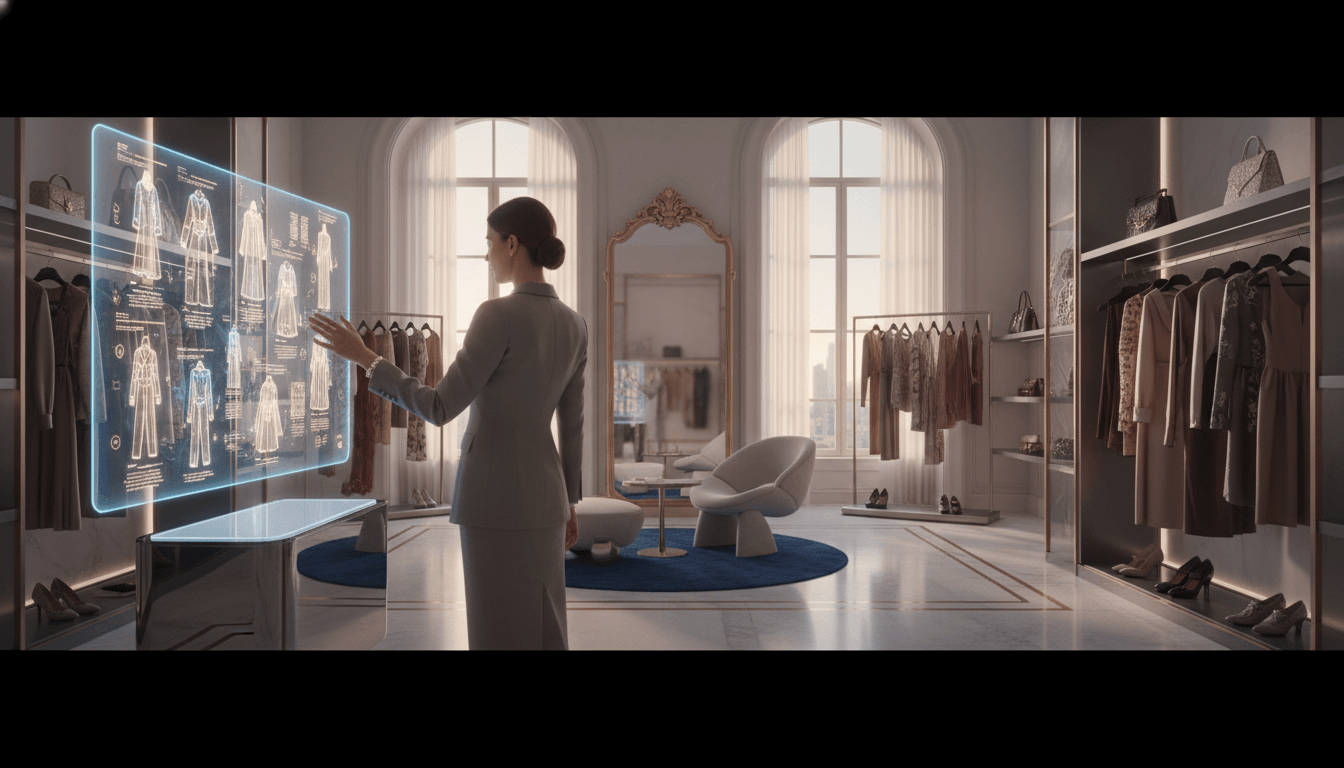
The integration of artificial intelligence into luxury fashion represents one of the most significant technological shifts the industry has witnessed in decades. According to comprehensive market analysis, the AI luxury market is projected to experience exponential growth, expanding from its current valuation of $1.2 billion to an impressive $5.6 billion by 2034. This represents a compound annual growth rate of approximately 16.7%, significantly outpacing overall luxury market growth rates. The driving force behind this expansion lies in consumer receptiveness to personalized experiences, with McKinsey & Saks Global Survey data revealing that 94% of luxury shoppers are open to personalization efforts that genuinely add value to their shopping journey. This overwhelming consumer acceptance has catalyzed industry-wide adoption of AI technologies that transform how luxury brands interact with their clientele. Leading the charge in this technological revolution are pioneering retailers like Net-a-Porter, which have implemented sophisticated AI systems that analyze customer behavior across multiple touchpoints. These systems process vast datasets including purchase history, browsing patterns, social media interactions, and even real-time engagement metrics to build comprehensive customer profiles. The algorithms employed utilize machine learning and natural language processing to identify subtle preferences that might escape human observation, enabling brands to deliver recommendations with unprecedented accuracy. For instance, Net-a-Porter's AI platform can predict style preferences with over 85% accuracy by analyzing factors such as color preferences, fabric choices, and silhouette preferences across different occasions and seasons. The implementation of AI-driven personalization extends far beyond simple product recommendations. Luxury brands are now deploying advanced analytics systems that can predict customer preferences with remarkable precision, taking into account contextual factors such as weather patterns, social events, and even macroeconomic indicators that might influence purchasing decisions. These systems incorporate deep learning architectures that continuously refine their understanding of individual customers, creating dynamic personalization models that evolve with changing consumer preferences. The technology enables brands to maintain relevance in an increasingly competitive market while preserving the exclusivity that defines luxury experiences. Perhaps most impressively, AI enables seamless integration between online and offline personalized experiences. Luxury retailers are implementing systems where customer preferences identified through digital interactions inform in-store experiences. When a customer visits a physical boutique, sales associates equipped with tablet interfaces can access AI-generated insights about that specific customer's preferences, recent browsing history, and past purchases. This creates a cohesive brand experience where the transition between digital and physical retail environments becomes virtually seamless. The technology also facilitates personalized styling sessions, where AI algorithms suggest complete outfits based on the customer's existing wardrobe, upcoming events, and current fashion trends. The economic implications of AI personalization in luxury fashion are substantial. Brands that have implemented comprehensive personalization strategies report average revenue increases of 15-20% directly attributable to AI-driven recommendations. Furthermore, customer retention rates show marked improvement, with personalized experiences leading to 35% higher repeat purchase rates compared to non-personalized interactions. The technology also reduces return rates by 25% through more accurate size and style recommendations, addressing a significant pain point in luxury e-commerce. As the technology continues to evolve, we're seeing the emergence of even more sophisticated applications, including virtual try-on capabilities powered by computer vision and generative AI that creates custom product designs based on individual customer preferences. The future of luxury fashion personalization lies in the convergence of AI with other emerging technologies, particularly augmented reality and blockchain, creating immersive, transparent, and deeply personalized shopping experiences that redefine luxury retail for the digital age.
Recommended
This innovation showcases exceptional quality and transformative potential for the luxury industry.
Tags
Related Innovations

Blockchain and Authenticity in Luxury Goods: Revolutionizing Verification and Trust
Blockchain technology is fundamentally transforming authenticity verification in the luxury goods sector by offering immutable transparency and trust. This innovation enables precise tracking of product origins, ethical sourcing validation, and secure supply chain integration. Leading brands, including De Beers, are adopting blockchain to combat counterfeiting—estimated to cost the industry over $500 billion annually—while enhancing consumer confidence. By providing a verifiable digital ledger for each item's journey from raw material to final sale, blockchain addresses critical consumer concerns about provenance and integrity, positioning itself as an essential tool for the future of luxury retail.
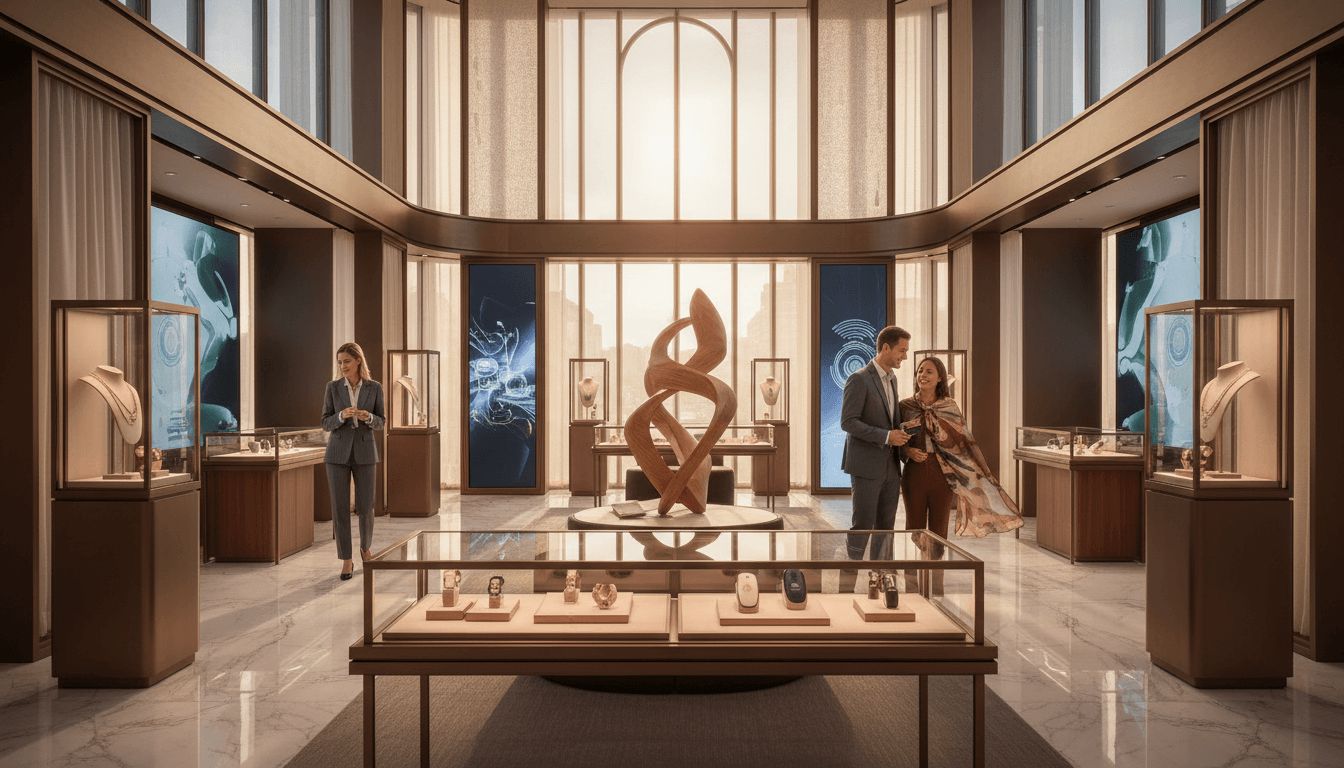
Immersive Retail Experiences in Luxury: Transforming High-End Shopping with AR, VR, and Interactive Pop-Ups
Luxury retail is undergoing a profound transformation driven by immersive technologies such as augmented reality (AR) and virtual reality (VR), alongside interactive pop-up experiences. Brands like Louis Vuitton and Gucci are pioneering these innovations, blending digital and physical realms to enhance customer engagement and drive sales. Gucci's AR shoe try-on tool, for instance, contributed to a 300% surge in online sales, while McKinsey data indicates that 70% of retail transactions are now digitally influenced. This evolution underscores a strategic shift towards experiential retail, where technology amplifies brand storytelling and personalization in the luxury sector.

Sustainable Luxury Through AI Innovation: Transforming Fashion's Environmental Footprint
Artificial Intelligence is revolutionizing the luxury fashion industry by embedding sustainability into core operations. Brands are utilizing AI to optimize material usage, enhance supply chain transparency, and employ predictive analytics to curb overproduction. With the fashion sector accounting for 2-8% of global greenhouse gas emissions, these innovations are critical. Initiatives like Stella McCartney's partnership with Google Cloud demonstrate how technology can drive accountability and efficiency, aligning with the 75% of Generation Z consumers who prioritize sustainability in their purchasing decisions.
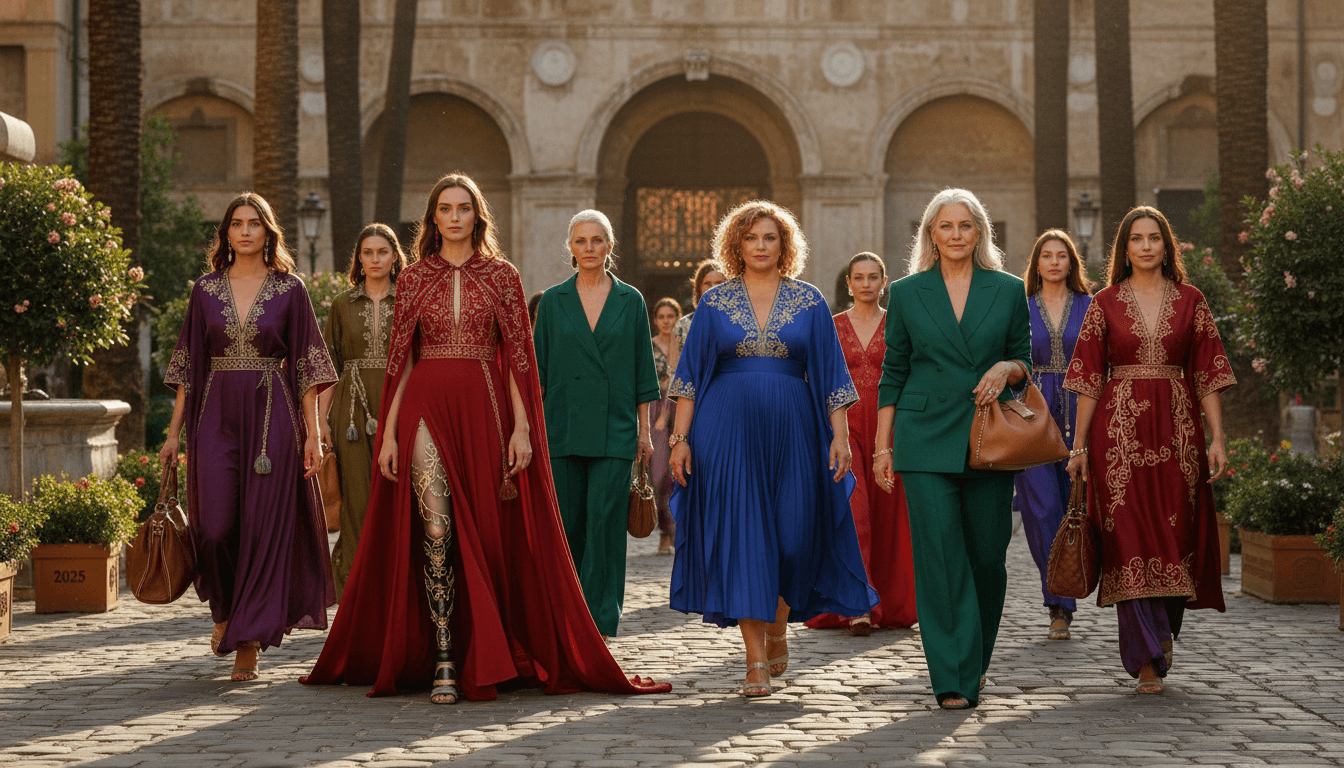
Inclusive Luxury Fashion: Redefining Elegance Through Diversity and Representation in 2025
Luxury fashion in 2025 is undergoing a transformative shift toward diversity and inclusivity, driven by evolving consumer demands for authenticity. Brands are integrating inclusive design principles, developing collections for diverse body types, and embedding representation into their core missions. According to the Firework Diversity in Luxury Fashion Report 2025, this trend reflects a broader industry movement where inclusivity is no longer optional but essential for brand relevance and growth. This article explores how luxury brands are innovating to meet these expectations, ensuring that high fashion is accessible and reflective of global diversity.

Personalized Luxury Experiences: The Future of High-End Brand Engagement in 2025
In 2025, luxury brands are revolutionizing customer interactions by integrating advanced AI and data analytics to deliver bespoke experiences. This strategy includes AI-powered styling recommendations, custom-fitted garments, exclusive access to events, and tailored concierge services, all designed to foster unique individual interactions. According to the Luxury Market Global Personalization Report 2025, this shift enhances emotional connections and sets brands apart through advanced customer experience technologies, moving beyond traditional product offerings to meet the demands of discerning clients.
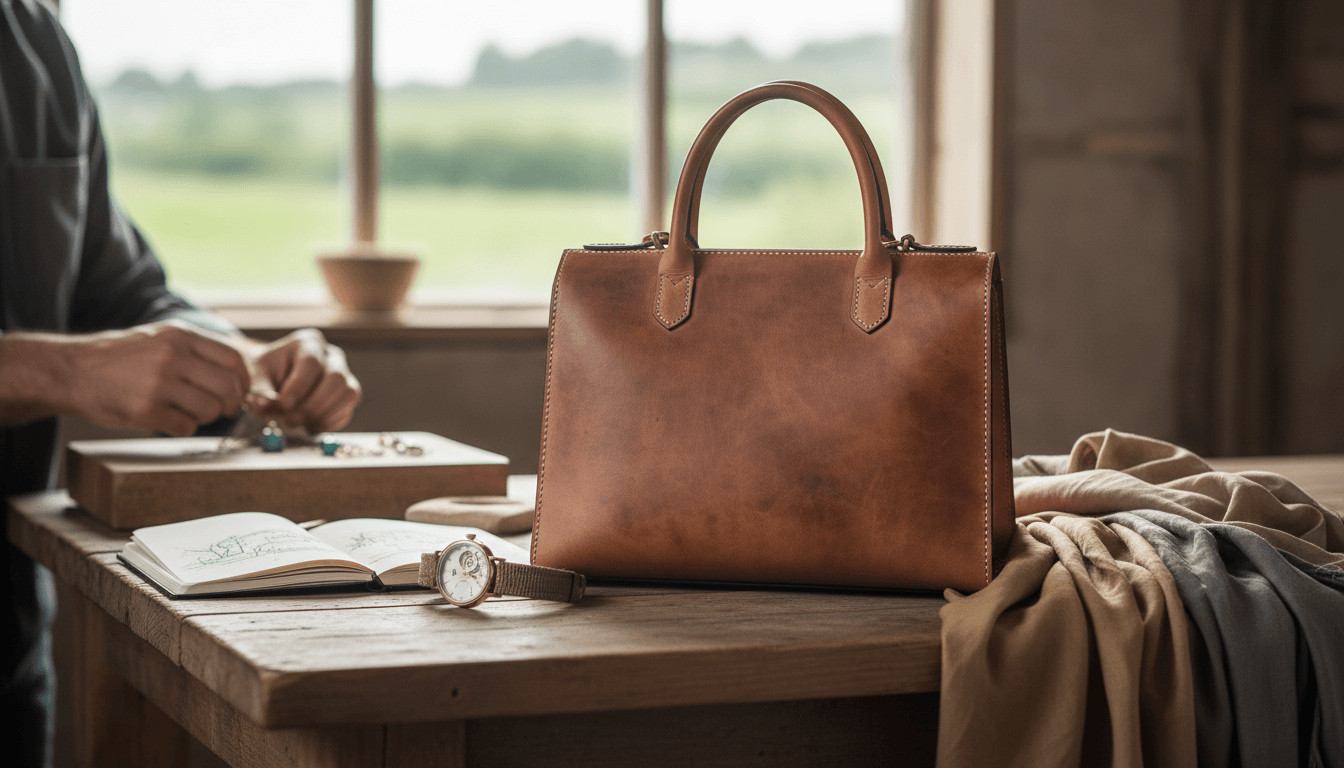
Luxury Brand Authenticity and Purpose: Redefining Success in 2025
By 2025, luxury brands are pivoting from traditional aesthetics to purpose-driven strategies that merge digital innovation with authentic values. According to the World Economic Forum Luxury Trends Report 2025, success is now measured by a brand's ability to demonstrate social impact, environmental stewardship, and compelling storytelling. Consumers increasingly favor brands that embody authenticity and social consciousness, demanding luxury experiences that transcend material consumption and foster meaningful connections.