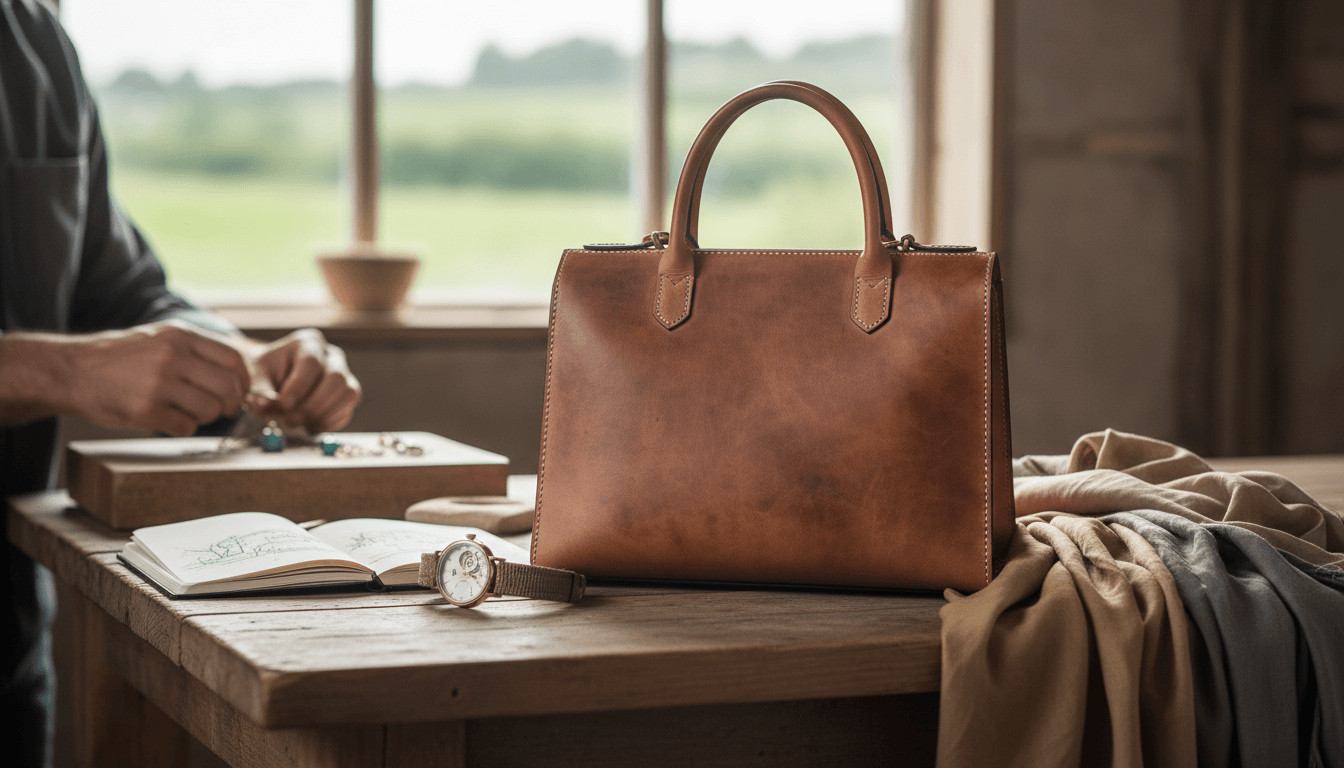
The luxury sector in 2025 is undergoing a profound transformation, shifting from conventional metrics of beauty and trendiness to a more holistic approach centered on purpose-driven strategies. As highlighted in the World Economic Forum Luxury Trends Report 2025, brands are now evaluated on their integration of digital innovations with authentic, purpose-driven values. This evolution reflects a broader consumer movement towards social consciousness, where 78% of luxury shoppers prefer brands that actively contribute to environmental sustainability and social equity. Key drivers include purpose-driven brand strategies, which involve embedding social and environmental goals into core business operations. For instance, leading brands are adopting circular economy principles, with initiatives like carbon-neutral supply chains and upcycled materials reducing waste by up to 40%. Social responsibility is no longer optional; it's a competitive imperative, with 65% of consumers willing to pay a premium for brands that demonstrate verifiable ethical practices. Authentic brand storytelling has emerged as a critical differentiator, leveraging digital platforms to create immersive narratives that resonate emotionally. Technologies such as augmented reality (AR) and blockchain are being utilized to enhance transparency, allowing consumers to trace product origins and impact metrics in real-time. This alignment with consumer values—where authenticity and social consciousness take precedence—is reshaping market dynamics, driving growth in segments like sustainable fashion and eco-luxury travel. Brands that fail to adapt risk losing relevance, as the demand for meaningful experiences continues to rise globally.
Recommended
This innovation showcases exceptional quality and transformative potential for the luxury industry.
Tags
Related Innovations

Digital Passports and Blockchain Authentication: Revolutionizing Luxury Product Integrity
The luxury industry is undergoing a transformative shift with the integration of digital passports and blockchain authentication. By 2025, the European Union will mandate digital product certification, requiring fashion brands to embed verifiable digital credentials. These tools provide immutable records of provenance, materials, and ownership history, drastically reducing counterfeiting and enhancing consumer trust. Pioneering brands like Vacheron Constantin are already leveraging blockchain to ensure authenticity, setting new standards for transparency and accountability in the high-end market.

Augmented Reality in Luxury Retail: Transforming High-End Shopping Experiences
Augmented Reality (AR) is revolutionizing luxury retail by enabling virtual try-ons, interactive product demonstrations, and immersive brand engagements. Leading luxury brands like Burberry are integrating AR technologies into flagship stores and digital platforms to bridge physical and digital retail environments. This Innovation Showcase explores how AR enhances customer personalization, increases engagement, and drives sales through data-driven insights, supported by findings from the Luxury Tech Trends Report 2025.
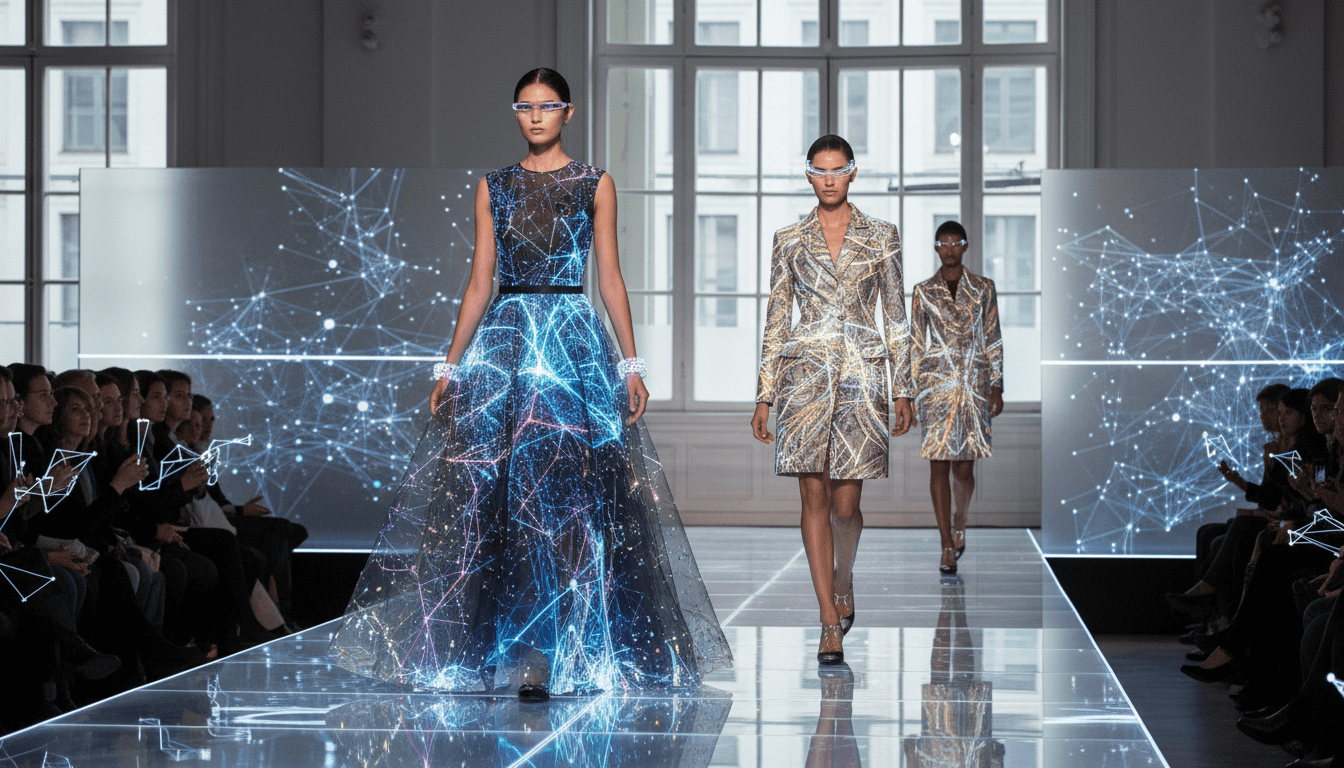
Internet of Things in Fashion: Revolutionizing Luxury and Personalization in 2025
The Internet of Things (IoT) is profoundly transforming the fashion industry in 2025, creating interconnected ecosystems where technology enhances every facet of luxury fashion. From smart garments that monitor health and adapt to environmental conditions to immersive retail environments offering hyper-personalized experiences, IoT enables unprecedented data exchange and connectivity. This innovation is elevating consumer interactions, providing responsive, tailored solutions that merge high-end aesthetics with cutting-edge technology, ultimately redefining the future of fashion as detailed in the TechPacker IoT in Fashion Report 2025.
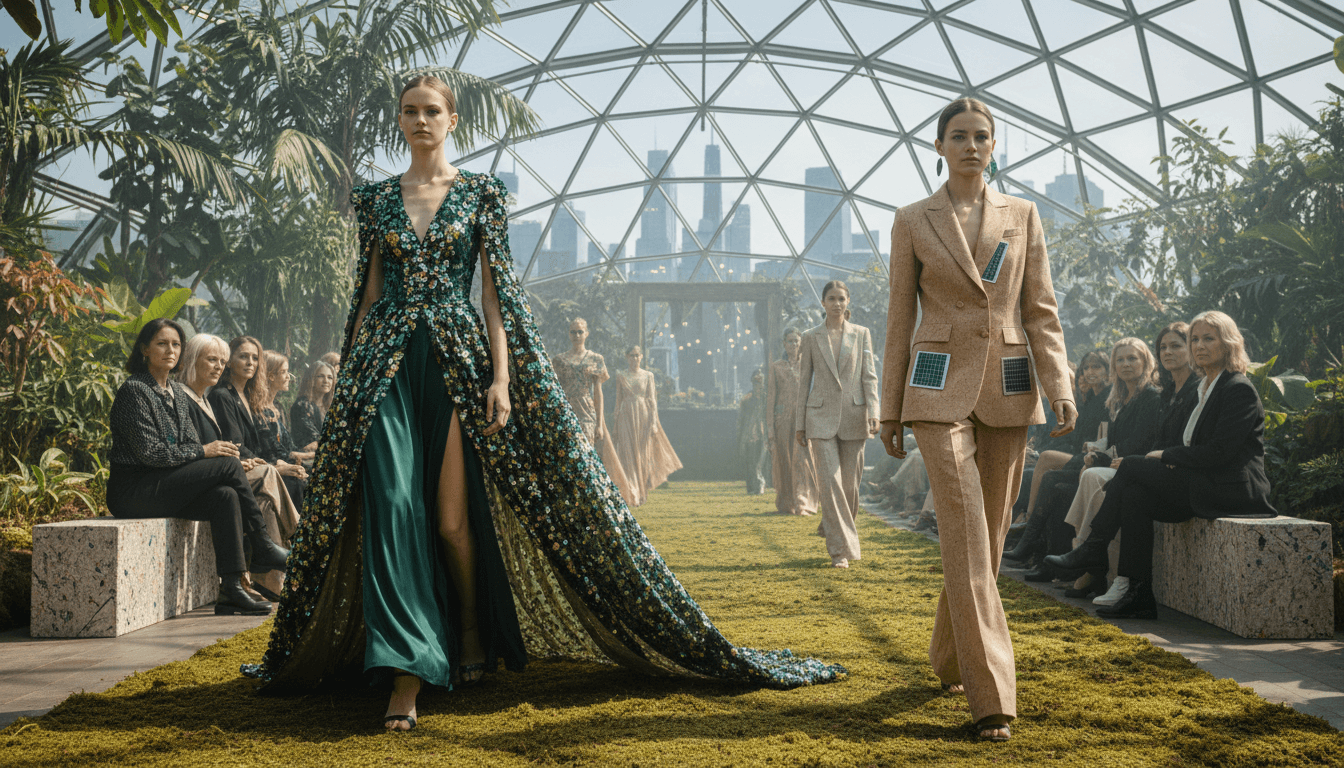
Sustainable Luxury Fashion Innovations: Pioneering Eco-Conscious High Fashion in 2025
In 2025, luxury fashion brands are leading a transformative shift towards sustainability, driven by consumer demand for ethical and environmentally responsible products. Key innovations include the adoption of advanced eco-materials like mushroom leather and upcycled silk, waterless dyeing technologies, and circular fashion systems that promote recycling and biodegradability. This movement, documented in the Fashinnovation Sustainable Luxury Report 2025, highlights how brands are integrating circular fashion and eco-innovations to minimize environmental impact while meeting the preferences of younger, conscious consumers.
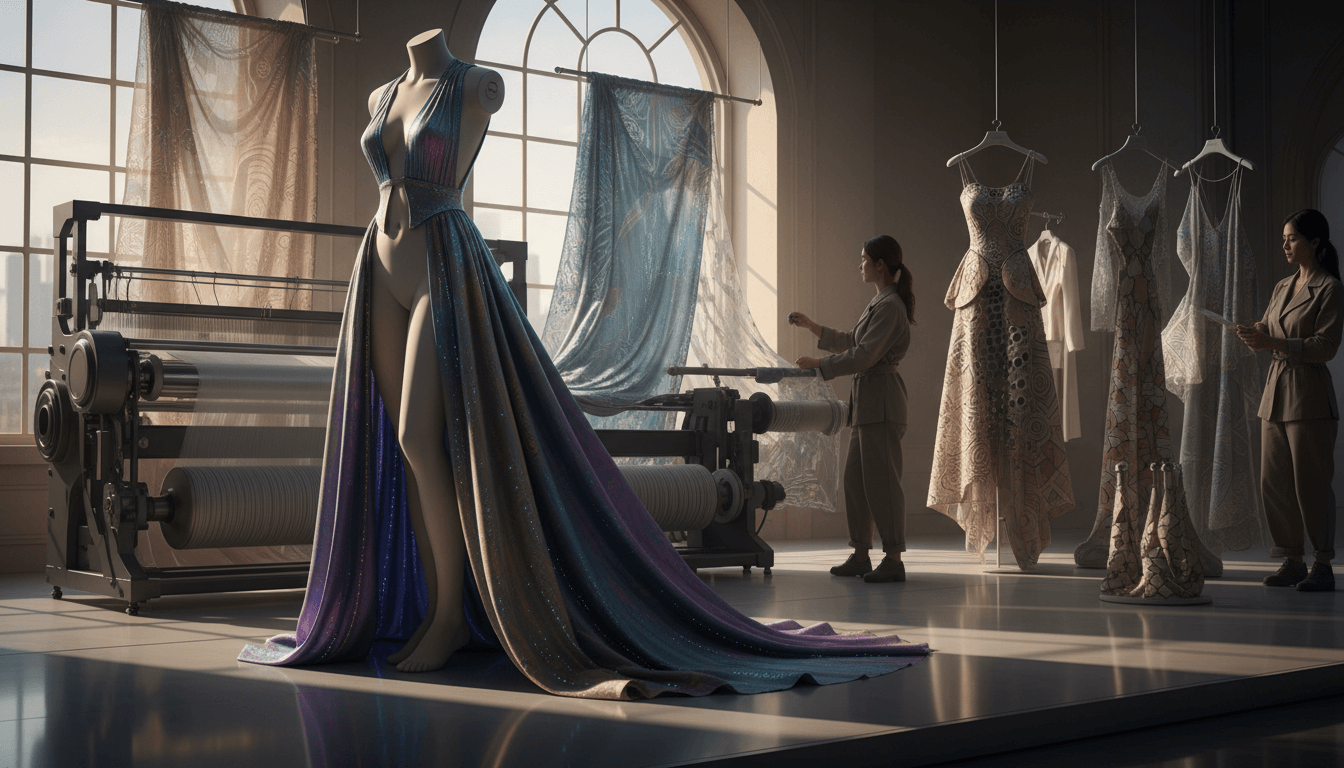
Novel Fabric Innovations Shaping Luxury Fashion in 2025
The luxury fashion industry is undergoing a fabric innovation revolution in 2025, driven by advanced sustainable textile technologies. These novel materials combine biodegradability, recyclability, and bio-based components with unprecedented performance and style. Brands are adopting high-performance fabrics that reduce environmental impact while enhancing functionality, aligning with the TechPacker Fabric Innovation Report 2025's focus on eco-friendly material development. This transformation is setting new benchmarks for environmental responsibility and design excellence in luxury fashion.

Luxury Brand Metaverse Experiences: Redefining Digital Engagement in 2025
Luxury brands in 2025 are pioneering immersive metaverse experiences that transcend traditional marketing, leveraging virtual showrooms and avatar-driven interactions. These digital environments enable consumers to explore exclusive collections, customize virtual fashion, and engage with brands in unprecedented ways. According to the World Economic Forum Digital Luxury Report 2025, this evolution represents a fundamental shift in consumer interaction, blending digital innovation with luxury identity. The metaverse offers infinite customization possibilities, positioning virtual brand engagement as a critical strategy for high-end fashion, jewelry, and lifestyle sectors.