
The luxury fashion sector is at a pivotal juncture in 2025, with supply chain innovations becoming central to competitive strategy. The Firework Fashion Industry Trends Report 2025 highlights that 65% of luxury businesses are actively considering nearshoring—shifting manufacturing operations closer to primary consumer markets in Europe, North America, and Asia. This strategic move reduces lead times from an average of 8-12 weeks to just 2-4 weeks, mitigating risks associated with geopolitical tensions, shipping delays, and tariff fluctuations. For instance, brands like Chanel and Louis Vuitton are investing in regional production hubs in Eastern Europe and Mexico to serve their European and American clientele more efficiently, enhancing agility in responding to seasonal demand shifts and custom orders. Simultaneously, 61% of companies are deepening strategic partnerships with suppliers, moving beyond transactional relationships to co-develop sustainable materials, implement circular economy practices, and integrate advanced technologies like AI-driven demand forecasting and blockchain for traceability. These collaborations are yielding tangible benefits: a 30% reduction in carbon footprint through localized sourcing, a 25% improvement in inventory turnover, and a 40% increase in supply chain transparency, as evidenced by LVMH's partnership with innovative textile recyclers and Kering's alliances with certified organic cotton farms. The overarching goal is to build supply chains that are not only resilient to disruptions but also aligned with the growing consumer and regulatory emphasis on sustainability. By 2025, luxury brands leveraging these approaches report a 15-20% boost in customer satisfaction scores, driven by faster delivery times, personalized offerings, and ethically sourced products. This transformation underscores a broader industry shift from cost-centric to value-driven supply chain models, where flexibility, sustainability, and efficiency converge to redefine luxury in the modern era.
Recommended
This innovation showcases exceptional quality and transformative potential for the luxury industry.
Tags
Related Innovations
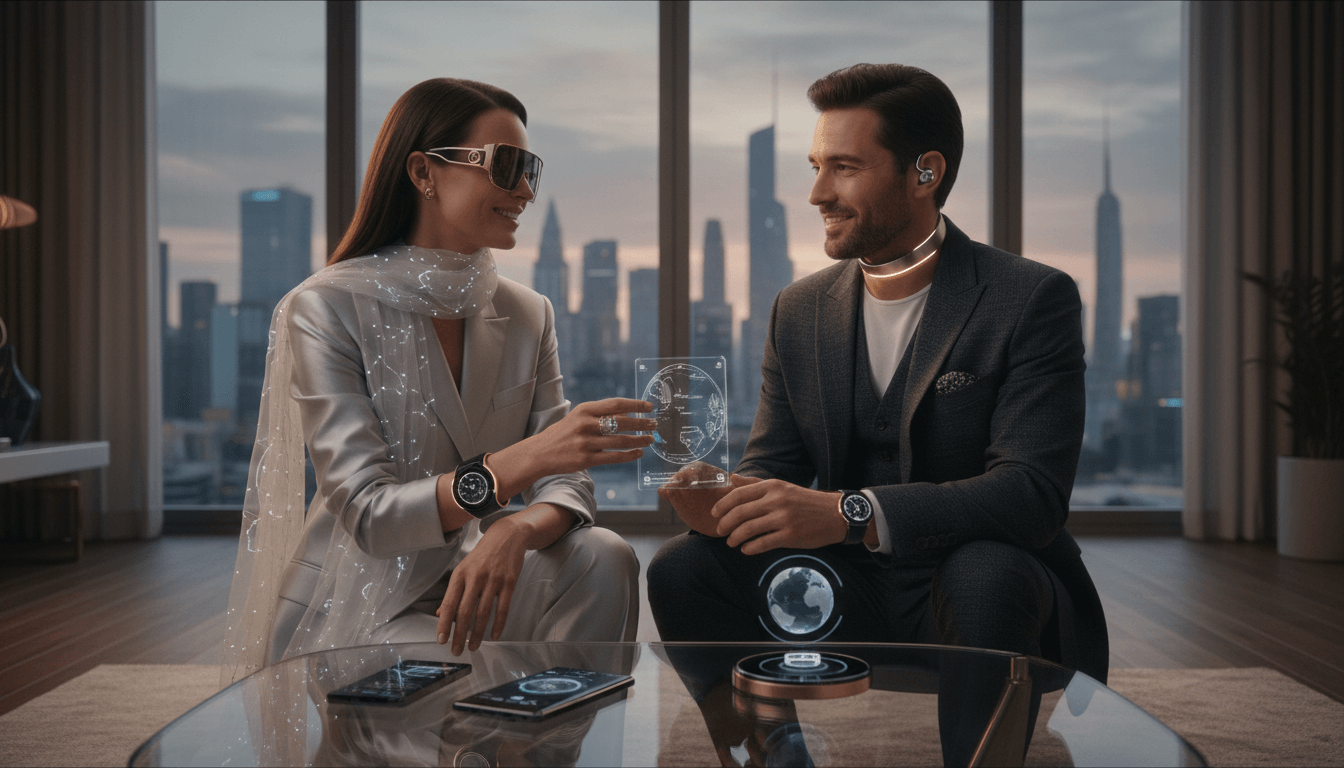
The Luxury Wearable Technology Revolution: Merging High Fashion with Advanced AI and Sustainability
In 2025, the luxury wearable technology market is undergoing a seismic shift, projected to expand by $100 billion from 2025 to 2029. Brands are integrating AI-driven personalization, blockchain authentication, and sustainable manufacturing into high-end accessories. These innovations not only enhance health tracking and user experience but also redefine luxury through smart sensors and ethical production. The smart clothing sector alone is expected to reach $275 billion by 2034, signaling a transformative era where craftsmanship meets cutting-edge technology.

Virtual Fashion and Digital Ownership: Revolutionizing Luxury Retail
The luxury fashion sector is undergoing a profound digital transformation, with virtual fashion and NFT-based ownership leading the charge. As detailed in the World Economic Forum Digital Fashion Report 2025, brands such as Louis Vuitton and Gucci are pioneering virtual showrooms and digital-only collections, enabling avatar-based shopping and exclusive virtual item ownership. This shift merges cutting-edge technology with personal expression, offering immersive experiences that redefine consumer engagement and asset ownership in the luxury market.

Minimalist Luxury and Conscious Consumption: Redefining High-End Fashion in 2025
The luxury fashion industry is undergoing a profound transformation, with 79% of consumers actively reducing clothing purchases in favor of high-quality, durable items. This shift towards minimalist luxury emphasizes timeless design, sustainability, and conscious consumption, moving decisively away from fast fashion. Leading brands like Everlane and COS are pioneering this movement with curated collections that prioritize functionality, elegance, and ethical production. Rooted in data from the Fashinnovation Consumer Trends Report 2025, this trend reflects a broader cultural movement towards mindful living and responsible ownership in the global luxury market.
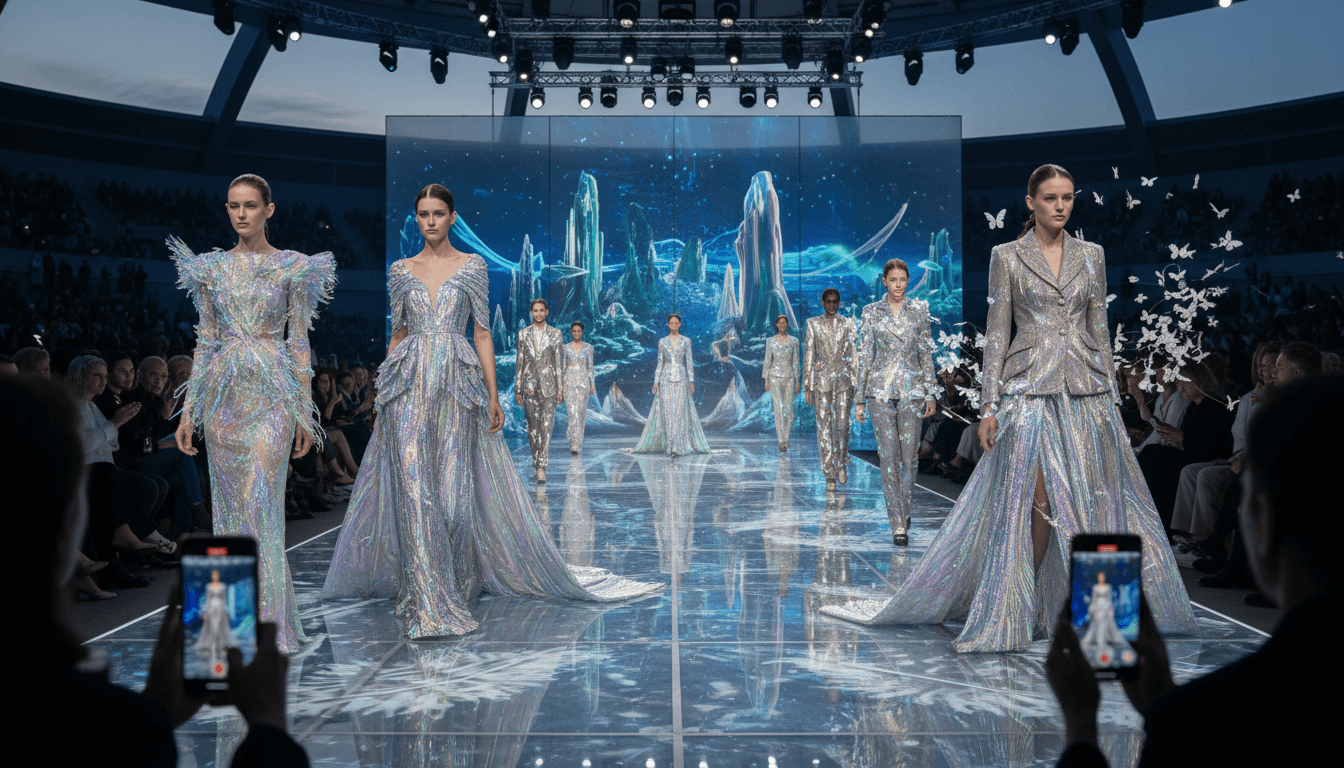
Phygital Fashion Experiences: The 2025 Revolution in Luxury Ownership
Phygital fashion represents the seamless integration of digital and physical luxury experiences, fundamentally transforming consumer interactions with high-end brands. Through blockchain-authenticated digital assets linked to physical products, companies like RTFKT and Nike are pioneering new ownership models where consumers can collect, trade, and verify exclusive fashion items across both realms. This innovation, documented in the World Economic Forum Digital Fashion Report 2025, introduces unprecedented value creation through limited-edition digital twins, smart contracts, and immersive AR try-ons, redefining luxury as both tangible and virtual possessions with verifiable scarcity and provenance.

AR Glasses: The Future of Fashion Tech - Luxury Meets Innovation
Luxury fashion brands are pioneering the next wave of wearable technology with augmented reality glasses that merge haute couture design with cutting-edge functionality. Leaders like Gucci, Ray-Ban, and Dior are creating sophisticated eyewear featuring virtual displays, real-time navigation, and seamless communication capabilities. With smart glasses shipments reaching 1.8 million units in 2024 and a remarkable 73% year-over-year growth rate, these devices represent the seamless integration of fashion aesthetics and technological innovation, setting new standards for personal expression and digital interaction in the luxury sector.
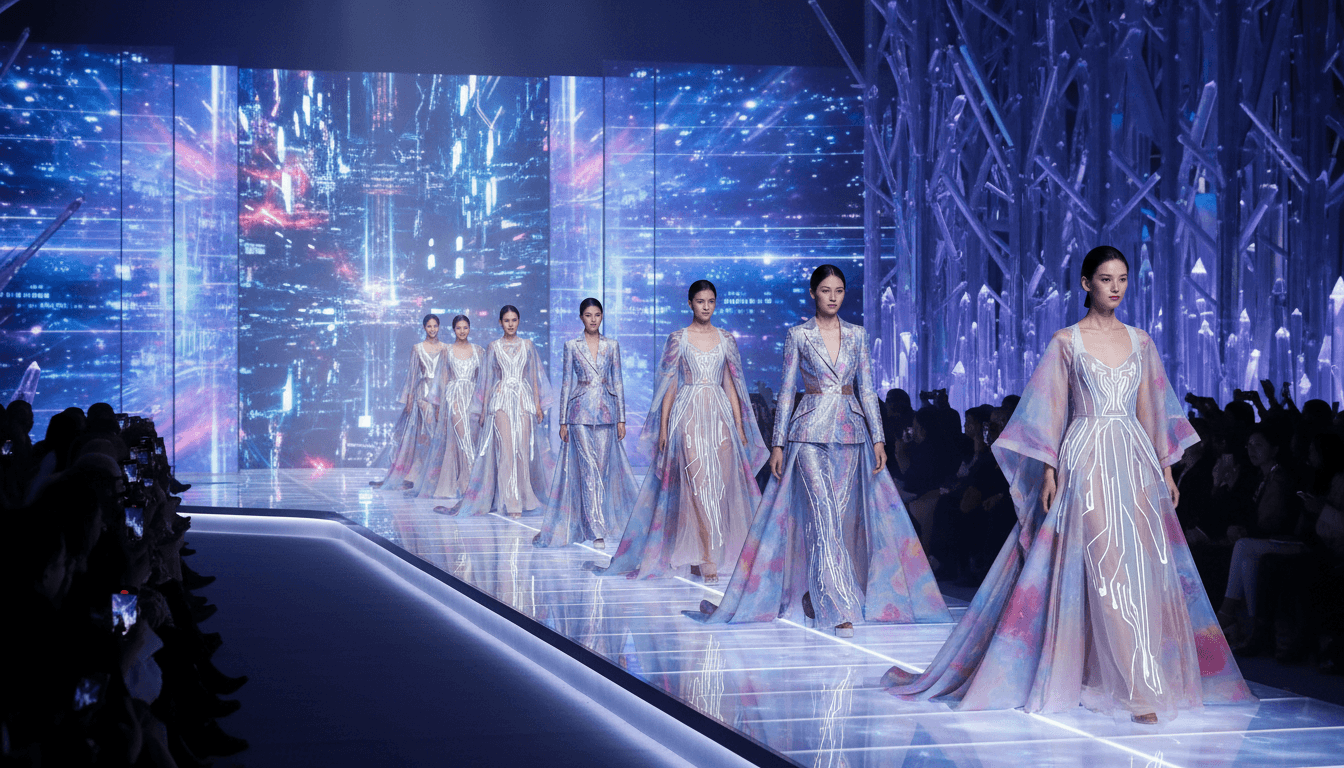
AI-Generated Fashion Collections: Revolutionizing Luxury Design in 2025
Artificial Intelligence is fundamentally transforming luxury fashion design in 2025, with generative AI systems creating complete collections by analyzing global trends, social media data, and consumer preferences. Leading luxury brands are leveraging this technology to achieve unprecedented speed in trend forecasting, hyper-personalized collection development, and creative innovation that transcends traditional design boundaries. The Vogue College of Fashion Innovation Report 2025 documents how AI-driven processes enable designers to explore new aesthetic territories while maintaining brand DNA and exclusivity.