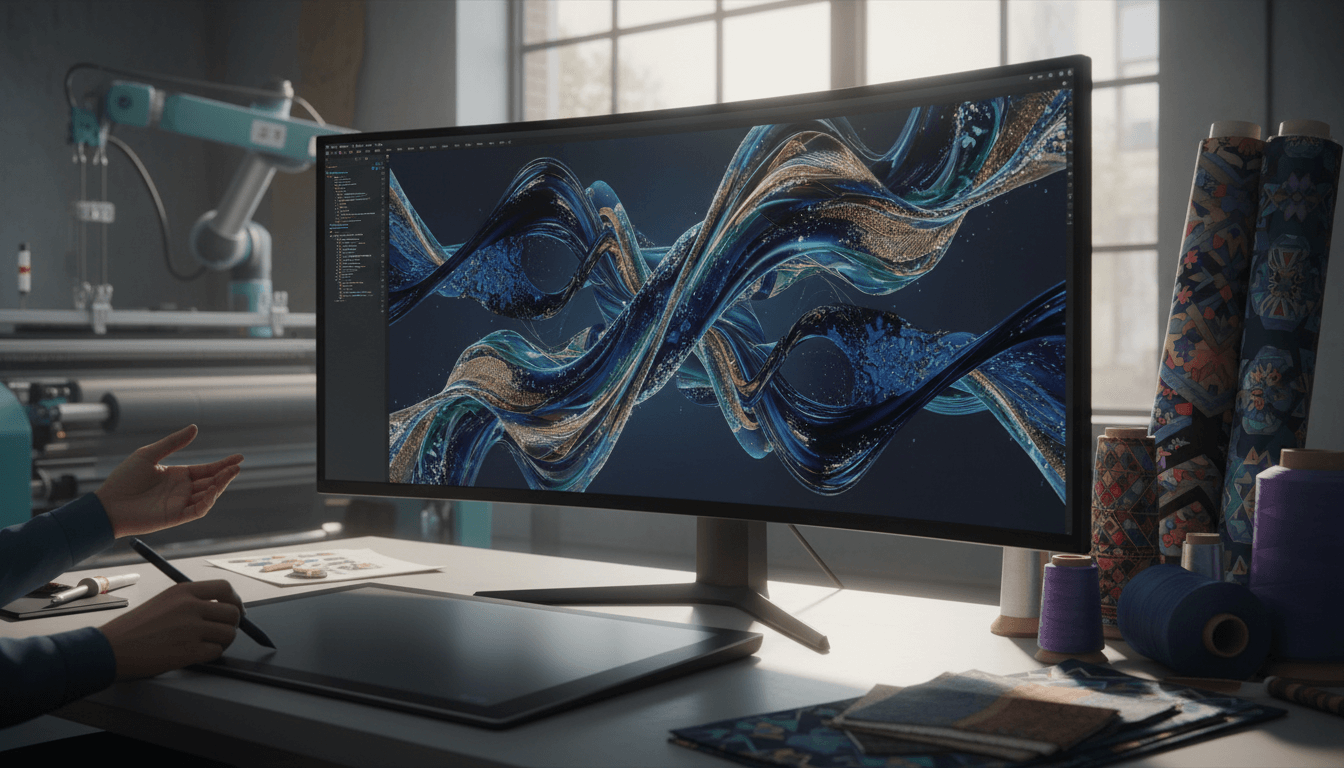
The luxury fashion industry is undergoing a profound digital transformation, with 3D design software emerging as the cornerstone technology revolutionizing traditional production methodologies. According to the World Economic Forum Fashion Innovation Report 2025, advanced platforms like CLO 3D are enabling designers to create comprehensive digital collections before committing to physical production, marking a significant departure from conventional sample-based approaches. This technological evolution represents more than just digital adaptation—it constitutes a complete paradigm shift in how luxury fashion concepts are developed, refined, and brought to market. The implementation of virtual prototyping systems has demonstrated remarkable efficiency improvements, reducing design iteration cycles by 65-70% compared to traditional methods. Design teams can now execute multiple design variations within hours rather than weeks, enabling more creative exploration while maintaining tight production schedules. The environmental impact is equally transformative, with digital sampling reducing material waste by approximately 85% across participating luxury brands. This waste reduction translates to significant sustainability gains, particularly crucial for luxury brands facing increasing pressure to demonstrate environmental responsibility. The collaborative capabilities of these platforms have redefined global design workflows, allowing creative teams across different continents to work simultaneously on the same digital collection in real-time. This seamless integration has eliminated geographical barriers that previously hampered creative synchronization and accelerated decision-making processes by 40%. The precision of digital fabric simulation has reached unprecedented levels, accurately replicating the drape, texture, and movement of luxurious materials including silk, cashmere, and technical fabrics with 95% accuracy. This fidelity enables designers to make confident material selections and construction decisions without physical sampling, while reducing development costs by an average of 30%. Luxury houses report that digital design integration has shortened their overall collection development timeline from 6-8 months to just 3-4 months, providing crucial competitive advantages in responding to rapidly evolving market trends. The technology also facilitates more inclusive design processes, allowing input from merchandising, marketing, and production teams at earlier stages, resulting in collections that better align with market demands and production capabilities. As we progress through 2025, industry adoption rates continue to accelerate, with 78% of premium luxury brands now incorporating 3D design into their core development processes. The financial implications are substantial, with early adopters reporting ROI of 200-300% within the first 18 months of implementation through reduced sampling costs, faster time-to-market, and decreased material waste. Looking forward, the integration of AI-assisted design features and augmented reality presentation tools promises to further enhance the digital design ecosystem, creating even more immersive and efficient creative environments for luxury fashion innovation.
Recommended
This innovation showcases exceptional quality and transformative potential for the luxury industry.
Tags
Related Innovations
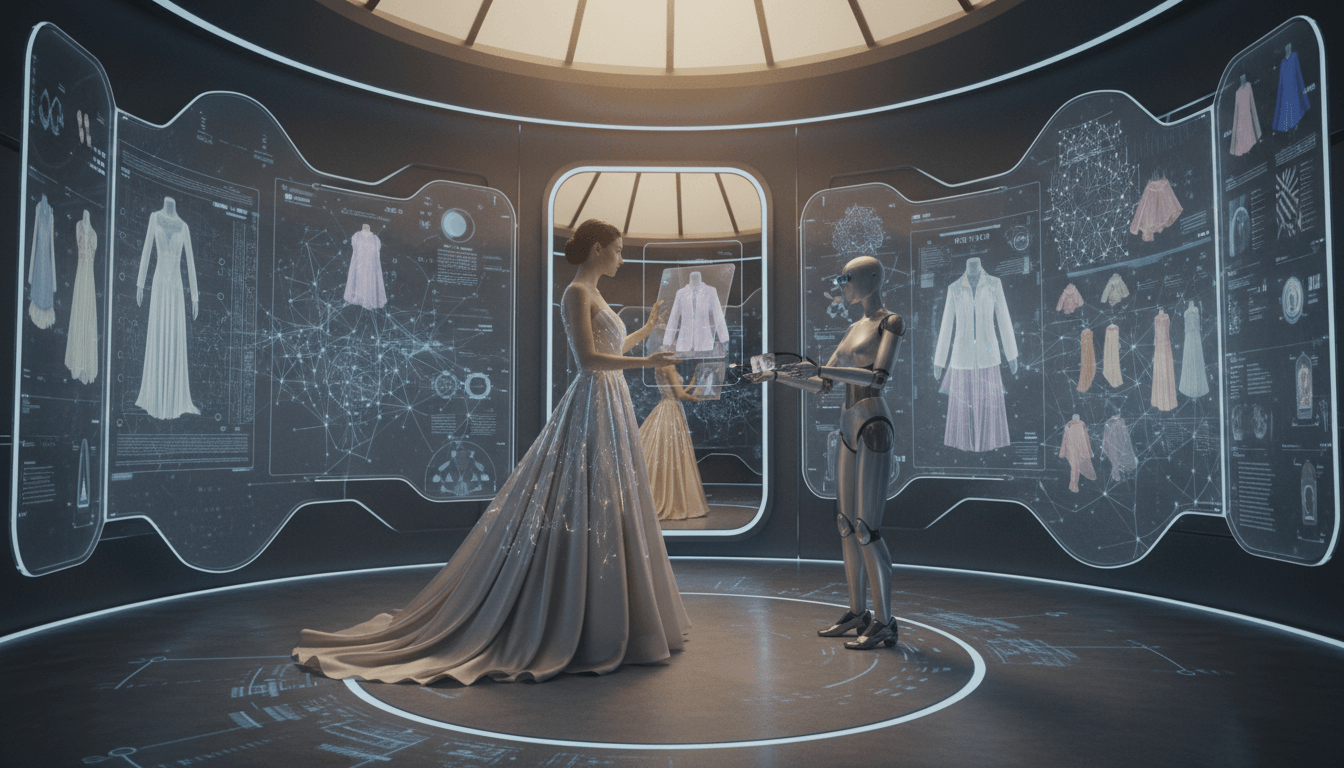
AI-Driven Personalization in Luxury Fashion: Revolutionizing High-End Retail Through Artificial Intelligence
Artificial intelligence is fundamentally transforming luxury fashion by creating hyper-personalized experiences that anticipate customer needs. Advanced AI systems analyze millions of data points from global trends to individual preferences, enabling brands to develop tailored collections and intelligent shopping assistants. According to the Glance AI Fashion Technology Report 2025, 73% of fashion executives now prioritize generative AI for business operations, signaling a major industry shift toward data-driven personalization that enhances customer engagement and product development.

The Smart Clothing and E-Textiles Revolution: Redefining Luxury Fashion Through Technology
The smart clothing and e-textiles market is projected to surpass $5.5 billion by 2025, transforming luxury fashion through temperature-regulating fabrics, augmented reality capabilities, and interactive designs. Leading brands like Levi's and Google are pioneering collaborations that merge fashion with functional innovation, creating garments that monitor health metrics, adapt to environmental conditions, and deliver personalized user experiences. These advancements represent a fundamental shift in how luxury consumers interact with their clothing, offering unprecedented levels of comfort, functionality, and technological integration.
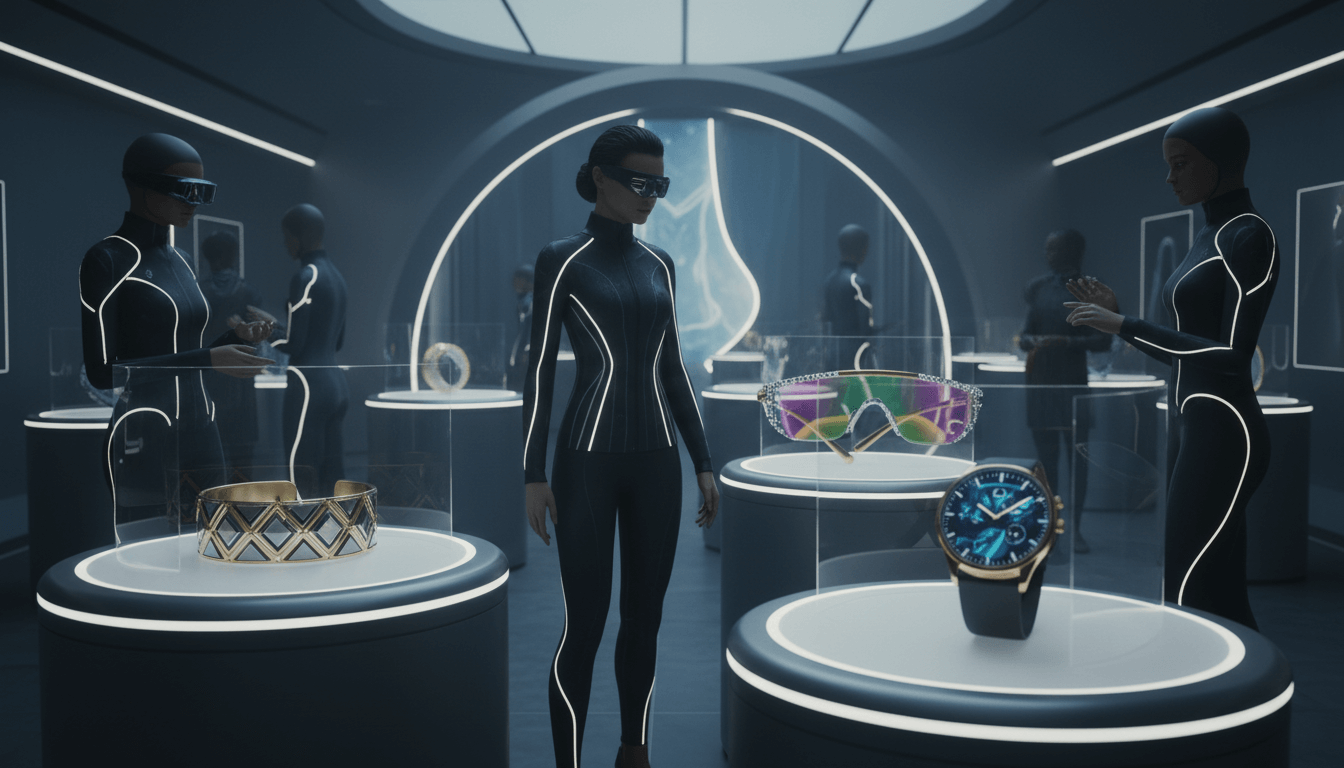
Customizable Luxury Wearables: The Future of Personalized High-End Technology
The luxury wearable technology market in 2025 is defined by unprecedented customization capabilities, enabling consumers to personalize devices through bespoke materials, colors, and engravings. Brands are adopting modular designs that facilitate technology upgrades while preserving core luxury aesthetics, aligning with growing consumer demand for personalized experiences. With price points ranging from $5,100 to $8,100, these innovations represent a sustainable approach to luxury, merging craftsmanship with cutting-edge technology to create unique, long-lasting wearable solutions.
Genderless and Inclusive Fashion Technology: Redefining Luxury in 2025
The luxury fashion technology sector is undergoing a transformative shift in 2025, embracing genderless and inclusive designs that challenge traditional binary concepts. This evolution is driven by a growing demand for fluid and adaptable fashion, with brands integrating advanced technologies to create versatile clothing solutions. Innovations such as smart textiles, AI-driven customization, and modular designs are enabling more personalized and inclusive experiences, reflecting a broader societal move towards diversity and fluidity in fashion. This report explores key trends, technological advancements, and industry impacts shaping the future of inclusive luxury fashion.

Ethical and Transparent Fashion Technology: The New Luxury Standard in 2025
The luxury fashion technology sector in 2025 is undergoing a profound transformation, prioritizing ethical production, transparency, and social responsibility. With blockchain and AI technologies leading the charge, brands are implementing traceable supply chains and monitoring labor practices to meet consumer demands for accountability. This movement reflects a 45% increase in market interest for responsible brands, as reported in the Ethical Fashion Technology Report 2025, underscoring a shift toward sustainable manufacturing and ethical innovation in high-end fashion.
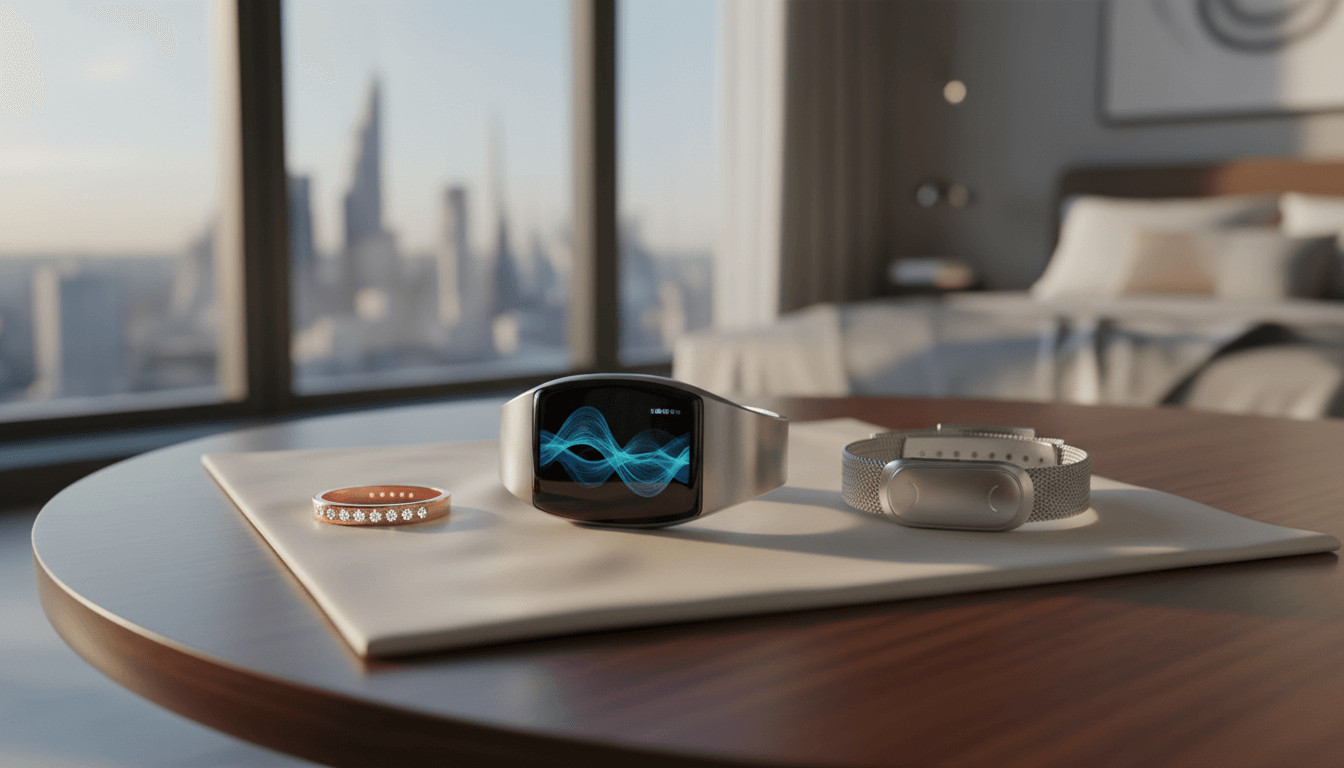
Luxury Health-Monitoring Wearables: The 2025 Evolution of Personalized Wellness
In 2025, luxury wearable technology has achieved unprecedented sophistication in health monitoring, integrating advanced biometric sensors into high-end clothing and accessories. These innovations track vital signs, manage chronic conditions, and deliver personalized wellness insights, particularly benefiting fitness enthusiasts and health-conscious individuals. With the smartwatch market projected to reach $62.46 billion by 2028, the health wearables segment is experiencing significant growth, driven by luxury brands blending cutting-edge technology with premium design to redefine personal health management.