
The convergence of fashion and technology has reached an unprecedented milestone with the emergence of smart clothing and e-textiles, fundamentally transforming the luxury fashion landscape. According to the Fashinnovation Wearable Technology Report 2025, this sector is experiencing exponential growth, projected to capture over 15% of the wearable technology market by 2025. The revolution extends far beyond basic fitness tracking, incorporating sophisticated technological innovations that redefine garment functionality and user experience. Temperature-regulating fabrics represent one of the most significant breakthroughs in smart textiles. These advanced materials utilize micro-encapsulated phase change materials (PCMs) that absorb, store, and release heat to maintain optimal body temperature regardless of environmental conditions. Luxury brands are integrating these technologies into high-end collections, using smart fabrics that can automatically adjust to temperature fluctuations between -10°C to 40°C. The implementation involves sophisticated sensor networks woven directly into fabric fibers, creating garments that respond intelligently to both body temperature and external climate conditions. Augmented reality capabilities have emerged as another transformative element in smart clothing. Luxury fashion houses are embedding micro-LED displays and conductive threads into garments, enabling interactive visual experiences through smartphone applications. These AR-enabled clothing items can display dynamic patterns, change colors, or provide contextual information about the wearer's environment. The technology utilizes advanced machine learning algorithms to create personalized AR experiences that adapt to the wearer's movements and surroundings, offering unprecedented levels of customization and interactivity in luxury fashion. The collaborative innovations between fashion and technology brands represent a paradigm shift in industry partnerships. The landmark collaboration between Levi's and Google has produced the Commuter x Jacquard by Google smart jacket, featuring interactive gesture controls woven directly into the sleeve fabric. This partnership demonstrates how traditional fashion brands can successfully integrate cutting-edge technology while maintaining aesthetic integrity. Similar collaborations are emerging across the luxury sector, with brands developing garments that incorporate flexible circuit boards, biometric sensors, and wireless connectivity while preserving the luxurious feel and appearance expected by high-end consumers. Health monitoring capabilities have evolved significantly within smart textiles. Contemporary e-textiles now feature embedded biosensors that continuously track vital signs including heart rate variability, respiratory rate, and stress levels through electrocardiogram (ECG) and photoplethysmography (PPG) technology. These garments utilize nanotechnology to create conductive fibers that measure biometric data with clinical-grade accuracy while remaining imperceptible to the wearer. The integration of artificial intelligence enables these systems to provide real-time health insights and early warning detection for potential medical issues, representing a significant advancement in preventive healthcare through fashion. Environmental responsiveness represents another critical innovation in smart clothing development. Advanced e-textiles now incorporate sensors that detect changes in air quality, UV radiation levels, and atmospheric pressure. These garments can automatically adjust their properties to protect the wearer from environmental hazards, such as increasing fabric density in response to detected pollutants or activating cooling mechanisms during exposure to high temperatures. The technology utilizes Internet of Things (IoT) connectivity to access real-time environmental data, creating a comprehensive protection system that adapts to both personal and external conditions. The manufacturing processes for smart textiles have undergone revolutionary changes to accommodate technological integration. Luxury brands are adopting 3D knitting technologies that embed electronic components during the fabrication process, eliminating the need for separate attachment of devices. Advanced laser cutting and ultrasonic welding techniques ensure seamless integration of smart elements while maintaining the luxurious texture and drape expected in high-end fashion. These manufacturing innovations allow for mass customization capabilities, enabling luxury consumers to personalize both the aesthetic and functional aspects of their smart garments. Sustainability has become a central focus in the smart clothing revolution, with brands developing biodegradable circuits and self-cleaning fabrics that reduce environmental impact. The incorporation of energy-harvesting technologies enables garments to generate power from body movement and solar exposure, eliminating the need for frequent battery replacements. Luxury brands are pioneering closed-loop production systems where smart clothing components can be easily separated and recycled at the end of their lifecycle, addressing concerns about electronic waste in the fashion industry. Market analysis indicates that smart clothing will represent approximately 25% of the luxury activewear segment by 2025, with particularly strong growth in smart formalwear and accessories. Consumer adoption rates are accelerating as technological integration becomes more seamless and the benefits more tangible. The luxury sector is leading this transformation, with price points ranging from $500 for basic smart garments to over $5,000 for fully integrated luxury systems featuring multiple technological capabilities. The future development trajectory points toward even greater integration of artificial intelligence and machine learning in smart clothing systems. Predictive analytics will enable garments to anticipate wearer needs based on historical data and contextual awareness. The emergence of 5G connectivity will facilitate real-time data processing and cloud-based functionality, while advances in material science will produce textiles with self-repairing capabilities and enhanced durability. These developments signal a fundamental redefinition of the relationship between clothing and technology, positioning smart textiles as an essential component of the luxury fashion ecosystem moving forward.
Recommended
This innovation showcases exceptional quality and transformative potential for the luxury industry.
Tags
Related Innovations

Customizable Luxury Wearables: The Future of Personalized High-End Technology
The luxury wearable technology market in 2025 is defined by unprecedented customization capabilities, enabling consumers to personalize devices through bespoke materials, colors, and engravings. Brands are adopting modular designs that facilitate technology upgrades while preserving core luxury aesthetics, aligning with growing consumer demand for personalized experiences. With price points ranging from $5,100 to $8,100, these innovations represent a sustainable approach to luxury, merging craftsmanship with cutting-edge technology to create unique, long-lasting wearable solutions.

Genderless and Inclusive Fashion Technology: Redefining Luxury in 2025
The luxury fashion technology sector is undergoing a transformative shift in 2025, embracing genderless and inclusive designs that challenge traditional binary concepts. This evolution is driven by a growing demand for fluid and adaptable fashion, with brands integrating advanced technologies to create versatile clothing solutions. Innovations such as smart textiles, AI-driven customization, and modular designs are enabling more personalized and inclusive experiences, reflecting a broader societal move towards diversity and fluidity in fashion. This report explores key trends, technological advancements, and industry impacts shaping the future of inclusive luxury fashion.

Ethical and Transparent Fashion Technology: The New Luxury Standard in 2025
The luxury fashion technology sector in 2025 is undergoing a profound transformation, prioritizing ethical production, transparency, and social responsibility. With blockchain and AI technologies leading the charge, brands are implementing traceable supply chains and monitoring labor practices to meet consumer demands for accountability. This movement reflects a 45% increase in market interest for responsible brands, as reported in the Ethical Fashion Technology Report 2025, underscoring a shift toward sustainable manufacturing and ethical innovation in high-end fashion.

Luxury Health-Monitoring Wearables: The 2025 Evolution of Personalized Wellness
In 2025, luxury wearable technology has achieved unprecedented sophistication in health monitoring, integrating advanced biometric sensors into high-end clothing and accessories. These innovations track vital signs, manage chronic conditions, and deliver personalized wellness insights, particularly benefiting fitness enthusiasts and health-conscious individuals. With the smartwatch market projected to reach $62.46 billion by 2028, the health wearables segment is experiencing significant growth, driven by luxury brands blending cutting-edge technology with premium design to redefine personal health management.

Luxury Fashion Data Privacy and Security: Advanced Protection in the Age of Wearable Tech
In 2025, luxury fashion brands are intensifying their focus on data privacy and security, driven by the proliferation of sophisticated wearable technologies. This article explores how advanced encryption, transparent data management, and secure personalization methods are becoming integral to luxury tech products. Brands are implementing cutting-edge security technologies to safeguard user information while delivering bespoke, high-tech experiences. The Luxury Tech Data Privacy Report 2025 highlights these trends, emphasizing the critical role of user consent and data protection in maintaining consumer trust and brand integrity in the competitive luxury market.
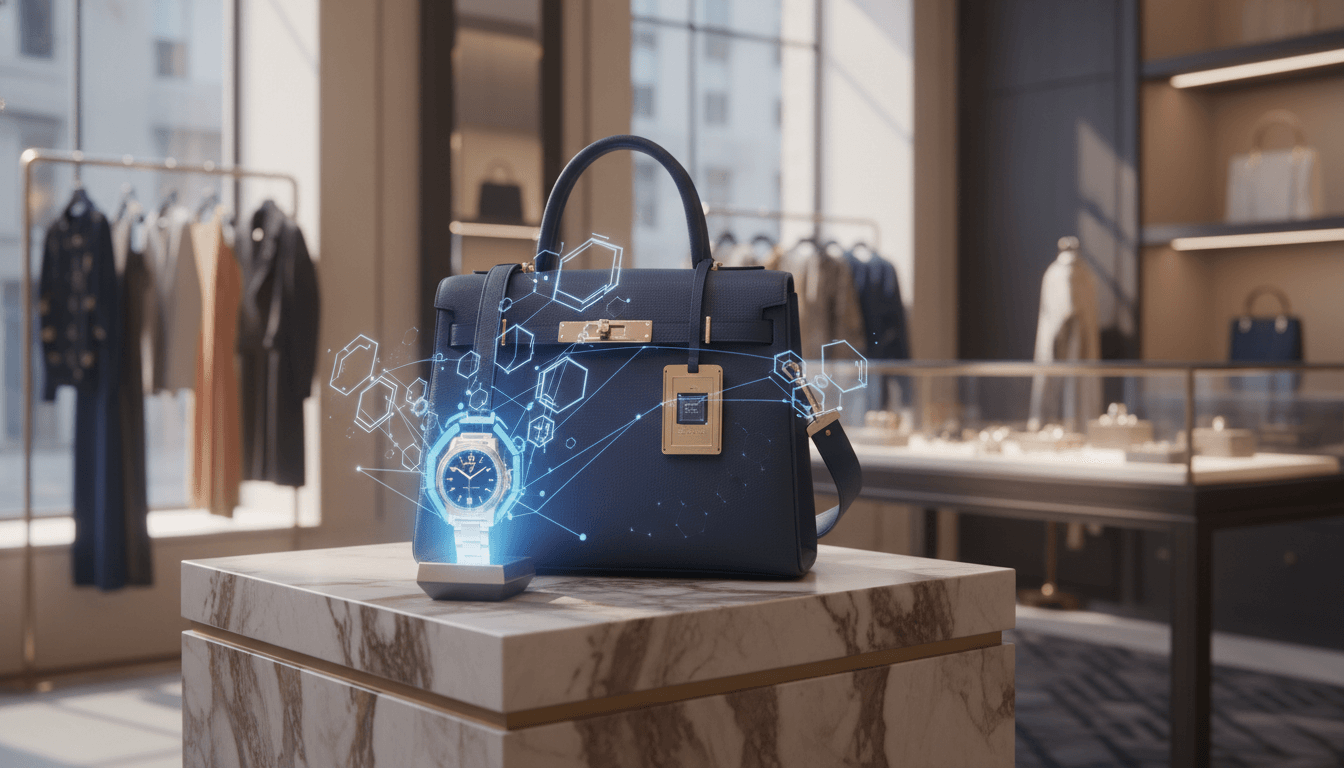
Blockchain Authentication in Luxury Fashion: Revolutionizing Trust and Transparency in 2025
Blockchain technology is fundamentally transforming luxury goods authentication and transparency in 2025. Leading luxury brands are implementing unforgeable digital product passports that provide complete, verifiable traceability from raw material sourcing to final sale. This innovation ensures product integrity and authenticity, offering consumers unprecedented insight into origin, manufacturing, and ownership history. Enhanced transparency is building stronger consumer trust and combating counterfeiting in the $400 billion global luxury market.