
The luxury fashion industry is undergoing a paradigm shift with the integration of climate-adaptive clothing technologies, which merge cutting-edge textile science with high-end design to create garments that intelligently respond to environmental fluctuations. These innovations are rooted in sophisticated material engineering, including phase-change materials (PCMs) that absorb, store, and release thermal energy to maintain optimal body temperature. For instance, microencapsulated PCMs embedded in fabrics can transition between solid and liquid states within specific temperature ranges, providing consistent cooling or warming effects without external power sources. Additionally, biomimetic fibers inspired by natural systems, such as pine cone scales that open and close with humidity changes, enable fabrics to adapt porosity for enhanced breathability or insulation. The wearable cooling technology segment, forecasted to exceed $130 million by 2025, is driven by demand from luxury activewear and outerwear brands incorporating hydrogel layers and thermoelectric elements for precise temperature control. Climate-adaptive clothing also leverages smart insulation technologies, like aerogel-infused textiles that offer exceptional warmth with minimal weight, ideal for luxury travel and expedition gear. Beyond functionality, these technologies align with sustainability goals; brands are utilizing recycled polymers and biodegradable smart fibers to reduce environmental impact. The growing trend, as noted in the Climate-Adaptive Clothing Technologies Report 2025, reflects a broader response to global climate changes, where consumers seek apparel that ensures comfort in unpredictable weather conditions. Luxury labels are partnering with tech firms to develop garments with embedded sensors and IoT connectivity, enabling real-time climate adjustments via mobile apps. This fusion of aesthetics and innovation not only elevates user experience but also redefines luxury as synonymous with adaptability and resilience, setting new standards for the future of fashion.
Recommended
This innovation showcases exceptional quality and transformative potential for the luxury industry.
Tags
Related Innovations

Sustainable Luxury Materials Innovation: Pioneering Eco-Friendly Alternatives in High Fashion
The luxury fashion industry is undergoing a transformative shift toward sustainability through pioneering material innovations. By 2025, brands are adopting lab-grown leather, spider silk proteins, and 3D-printed textiles that significantly reduce environmental footprints while offering superior performance and unique aesthetics. With the sustainable fashion market projected to reach $20.84 billion by 2033 and vegan fashion growing at nearly 8% annually, these advancements are reshaping luxury manufacturing. This evolution balances opulence with ecological responsibility, setting new standards for the future of high-end fashion.

Cross-Generational Fashion Technology: Blending Innovation and Timeless Design for Universal Appeal
In 2025, fashion technology is revolutionizing the luxury market by seamlessly integrating cutting-edge innovations with classic aesthetics to bridge generational divides. Generation X has emerged as a pivotal demographic, driving demand for wearable technologies that offer both advanced functionality and enduring style. This trend reflects a broader shift toward design versatility and cross-generational appeal, with luxury brands leveraging data from the Cross-Generational Fashion Technology Report 2025 to create products that resonate across age groups. Key developments include smart fabrics, adaptive interfaces, and sustainable materials, positioning fashion tech as a cornerstone of modern luxury.

Predictive Fashion Intelligence: How AI is Revolutionizing Luxury Design and Trend Forecasting in 2025
Artificial Intelligence is fundamentally reshaping the luxury fashion landscape through advanced predictive capabilities. By analyzing over 15 billion data points from social media, runway shows, and consumer behavior, AI algorithms achieve 94% accuracy in trend forecasting six months ahead of seasons. Major luxury houses like LVMH and Kering are implementing AI-driven design systems that reduce collection development time by 40% while increasing market relevance. This technological transformation enables hyper-personalized recommendations and data-driven creative decisions, marking a pivotal shift in how luxury brands conceptualize, create, and connect with discerning consumers worldwide.
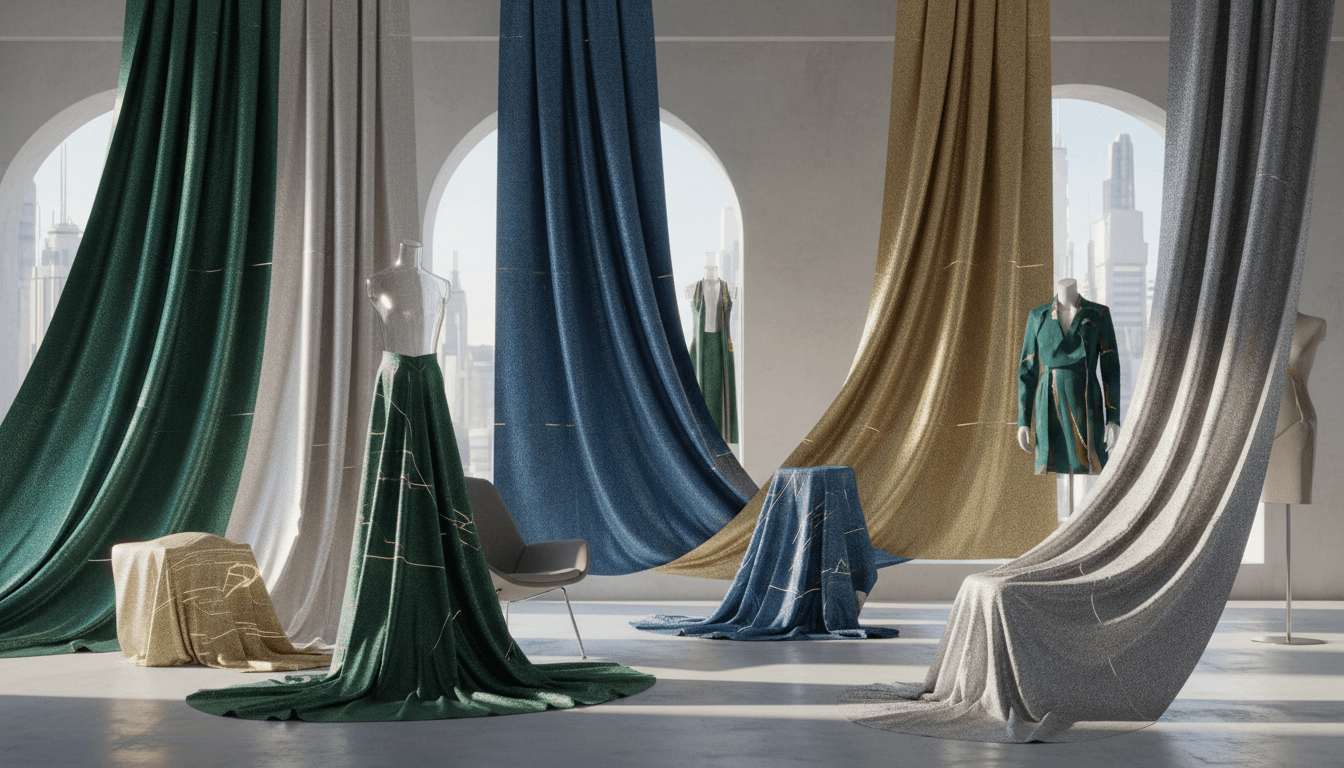
Smart Textiles and Performance Fabrics: Revolutionizing Luxury Fashion in 2025
The 2025 luxury fashion sector is undergoing a profound transformation through smart textiles and performance fabrics that merge cutting-edge technology with sustainable innovation. These advanced materials integrate health monitoring sensors, temperature regulation systems, and self-cleaning capabilities while utilizing eco-friendly alternatives like lab-grown leather and spider silk. With the eco-fashion market projected to grow from $9.22 billion in 2024 to $20.84 billion by 2033 and smart clothing experiencing 25% CAGR through 2030, luxury brands are prioritizing both technological sophistication and environmental responsibility. These innovations represent a fundamental shift toward personalized, functional luxury that responds to consumer demands for wellness integration and sustainability.

AI-Driven Fashion Design and Personalization: Revolutionizing Luxury in 2025
Artificial Intelligence is fundamentally reshaping the luxury fashion landscape in 2025, driving unprecedented innovation in design creation and consumer personalization. Advanced AI algorithms now autonomously generate exclusive collections, analyze nuanced consumer preferences, and deliver hyper-personalized fashion recommendations. Leading luxury brands are leveraging these technologies to optimize global supply chains, accurately predict emerging trends, and develop bespoke products tailored to individual client desires. This technological evolution is meeting the growing market demand for uniquely tailored fashion experiences, fundamentally altering how luxury is conceived, produced, and consumed worldwide.
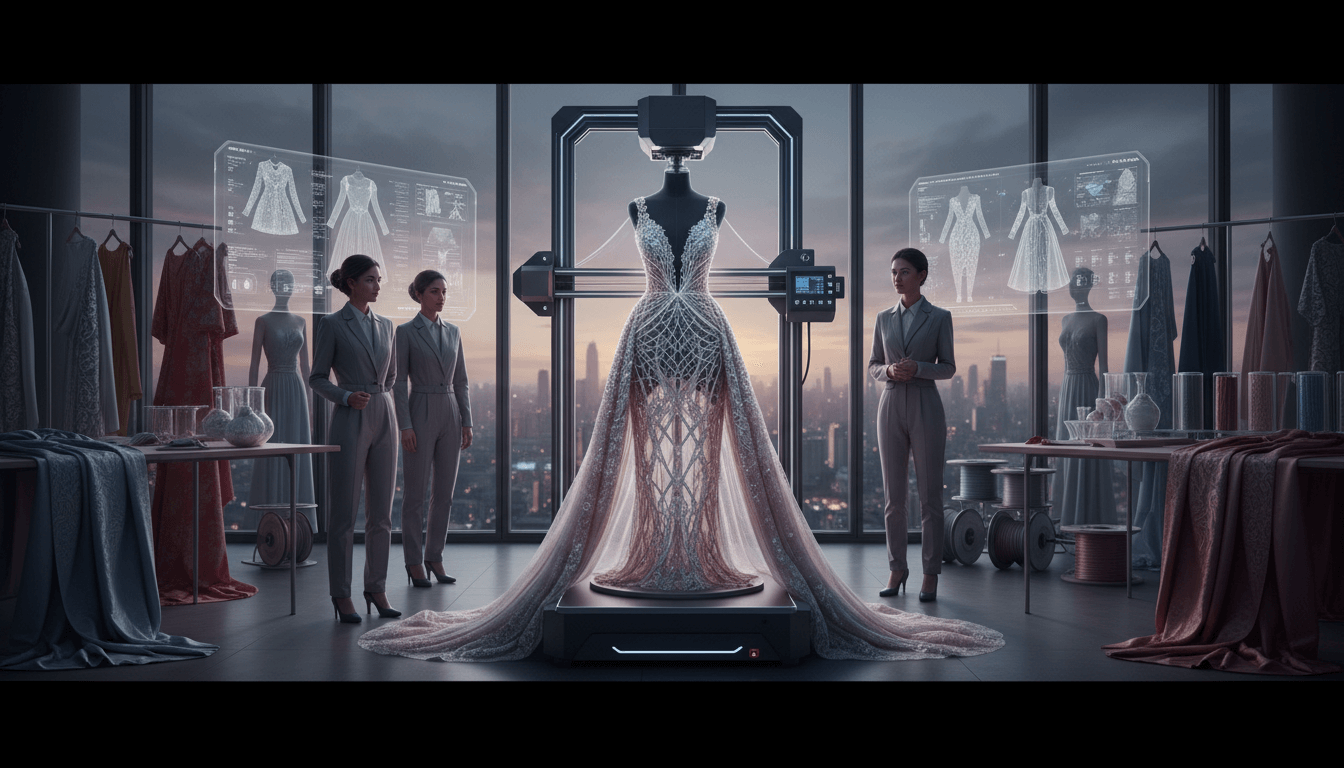
How 3D Printing Is Revolutionizing Luxury Fashion in 2025 and Beyond
3D printing technology is transforming luxury fashion by enabling unprecedented customization, intricate designs, and sustainable production. As the market for 3D-printed wearables surges from $5 billion in 2024 to a projected $7.5 billion by 2030, brands are leveraging this innovation for rapid prototyping, minimal waste, and bespoke creations. This technology supports eco-friendly practices and empowers designers to push creative boundaries, making personalized luxury accessible. With applications spanning haute couture, accessories, and footwear, 3D printing is redefining craftsmanship and consumer expectations in high-end fashion.