
The luxury goods market, valued at approximately $1.5 trillion globally, faces persistent challenges with counterfeiting, which accounts for up to 70% of all luxury items sold in some online marketplaces. Blockchain technology emerges as a groundbreaking solution, providing an immutable, decentralized ledger that records every transaction and movement within the supply chain. For instance, De Beers has implemented its Tracr platform, leveraging blockchain to trace diamonds from mine to retail, ensuring they are conflict-free and authentic. This system captures data points such as origin, cut, carat, and certification, reducing fraud risks by over 90% in pilot programs. Ethical sourcing is another critical area where blockchain excels. Consumers increasingly demand transparency, with surveys indicating that 73% of luxury buyers are willing to pay a premium for verified ethical products. Blockchain enables brands to document labor conditions, environmental impact, and material sourcing, aligning with regulations like the Kimberley Process. Supply chain integration involves smart contracts that automate verification, reducing administrative costs by an estimated 15-20%. As luxury brands invest over $3 billion annually in anti-counterfeiting technologies, blockchain's adoption is projected to grow by 40% year-over-year, making it a cornerstone of future luxury retail strategies.
Recommended
This innovation showcases exceptional quality and transformative potential for the luxury industry.
Tags
Related Innovations
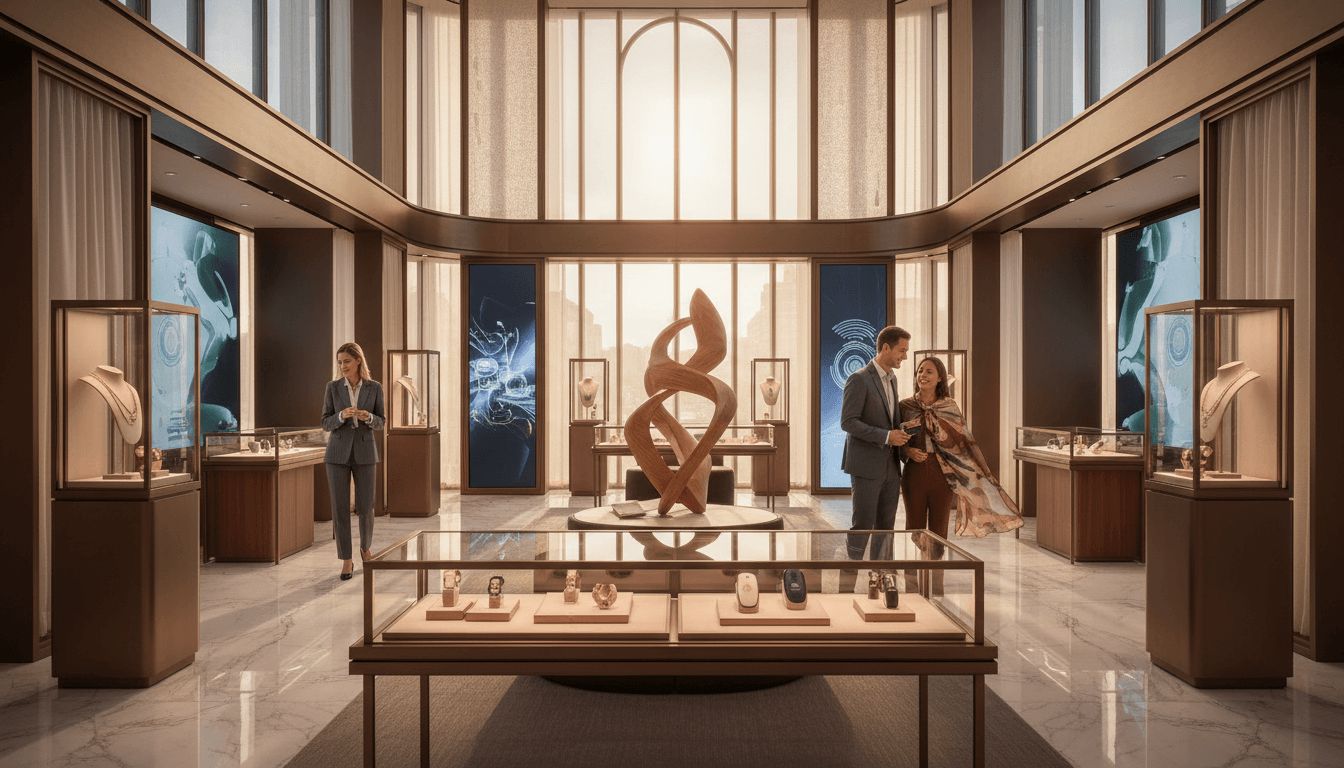
Immersive Retail Experiences in Luxury: Transforming High-End Shopping with AR, VR, and Interactive Pop-Ups
Luxury retail is undergoing a profound transformation driven by immersive technologies such as augmented reality (AR) and virtual reality (VR), alongside interactive pop-up experiences. Brands like Louis Vuitton and Gucci are pioneering these innovations, blending digital and physical realms to enhance customer engagement and drive sales. Gucci's AR shoe try-on tool, for instance, contributed to a 300% surge in online sales, while McKinsey data indicates that 70% of retail transactions are now digitally influenced. This evolution underscores a strategic shift towards experiential retail, where technology amplifies brand storytelling and personalization in the luxury sector.

Sustainable Luxury Through AI Innovation: Transforming Fashion's Environmental Footprint
Artificial Intelligence is revolutionizing the luxury fashion industry by embedding sustainability into core operations. Brands are utilizing AI to optimize material usage, enhance supply chain transparency, and employ predictive analytics to curb overproduction. With the fashion sector accounting for 2-8% of global greenhouse gas emissions, these innovations are critical. Initiatives like Stella McCartney's partnership with Google Cloud demonstrate how technology can drive accountability and efficiency, aligning with the 75% of Generation Z consumers who prioritize sustainability in their purchasing decisions.
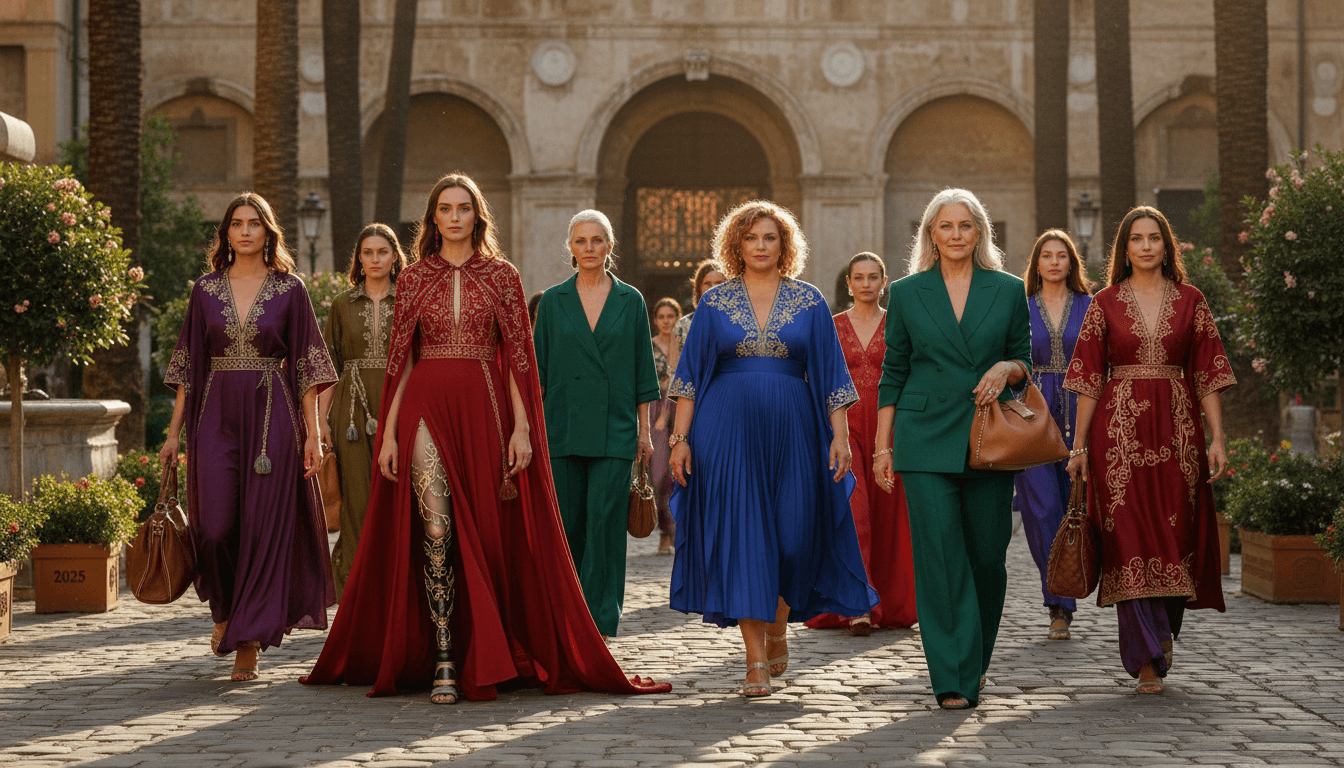
Inclusive Luxury Fashion: Redefining Elegance Through Diversity and Representation in 2025
Luxury fashion in 2025 is undergoing a transformative shift toward diversity and inclusivity, driven by evolving consumer demands for authenticity. Brands are integrating inclusive design principles, developing collections for diverse body types, and embedding representation into their core missions. According to the Firework Diversity in Luxury Fashion Report 2025, this trend reflects a broader industry movement where inclusivity is no longer optional but essential for brand relevance and growth. This article explores how luxury brands are innovating to meet these expectations, ensuring that high fashion is accessible and reflective of global diversity.

Personalized Luxury Experiences: The Future of High-End Brand Engagement in 2025
In 2025, luxury brands are revolutionizing customer interactions by integrating advanced AI and data analytics to deliver bespoke experiences. This strategy includes AI-powered styling recommendations, custom-fitted garments, exclusive access to events, and tailored concierge services, all designed to foster unique individual interactions. According to the Luxury Market Global Personalization Report 2025, this shift enhances emotional connections and sets brands apart through advanced customer experience technologies, moving beyond traditional product offerings to meet the demands of discerning clients.
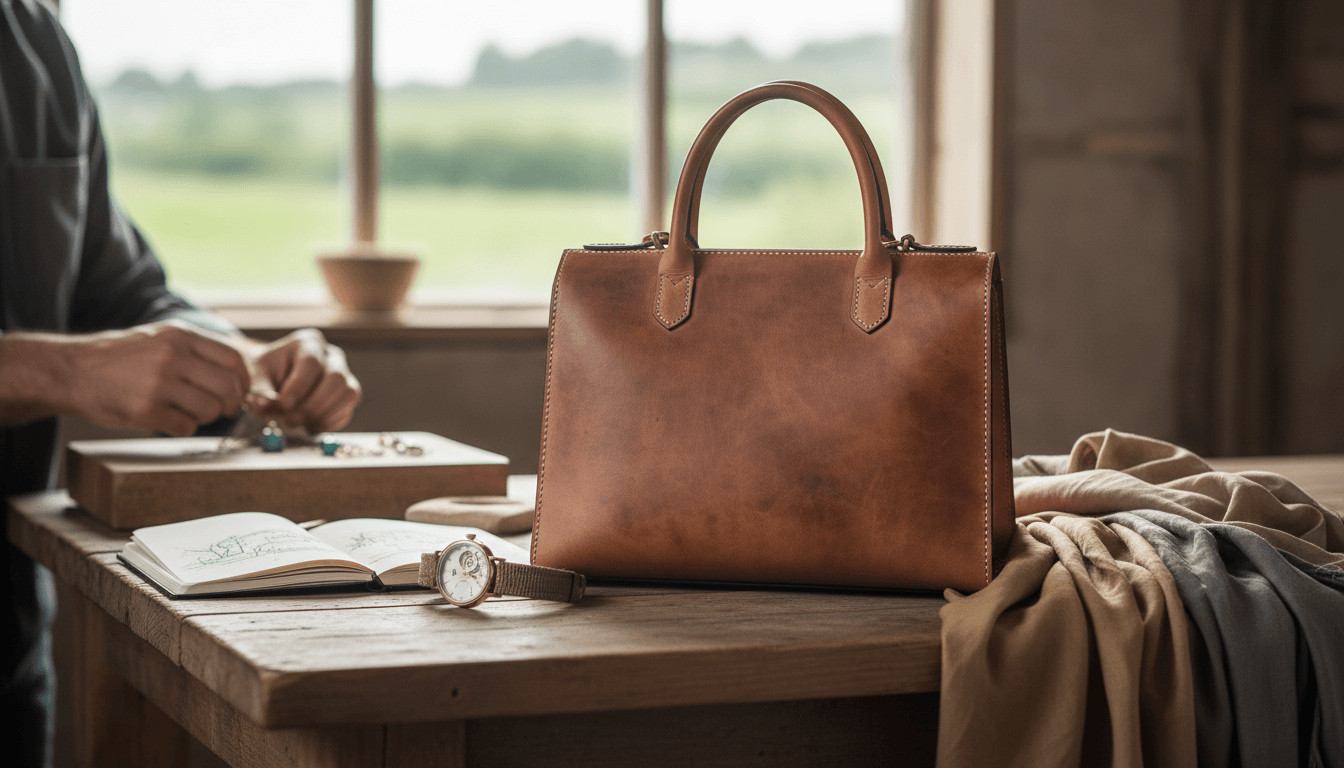
Luxury Brand Authenticity and Purpose: Redefining Success in 2025
By 2025, luxury brands are pivoting from traditional aesthetics to purpose-driven strategies that merge digital innovation with authentic values. According to the World Economic Forum Luxury Trends Report 2025, success is now measured by a brand's ability to demonstrate social impact, environmental stewardship, and compelling storytelling. Consumers increasingly favor brands that embody authenticity and social consciousness, demanding luxury experiences that transcend material consumption and foster meaningful connections.
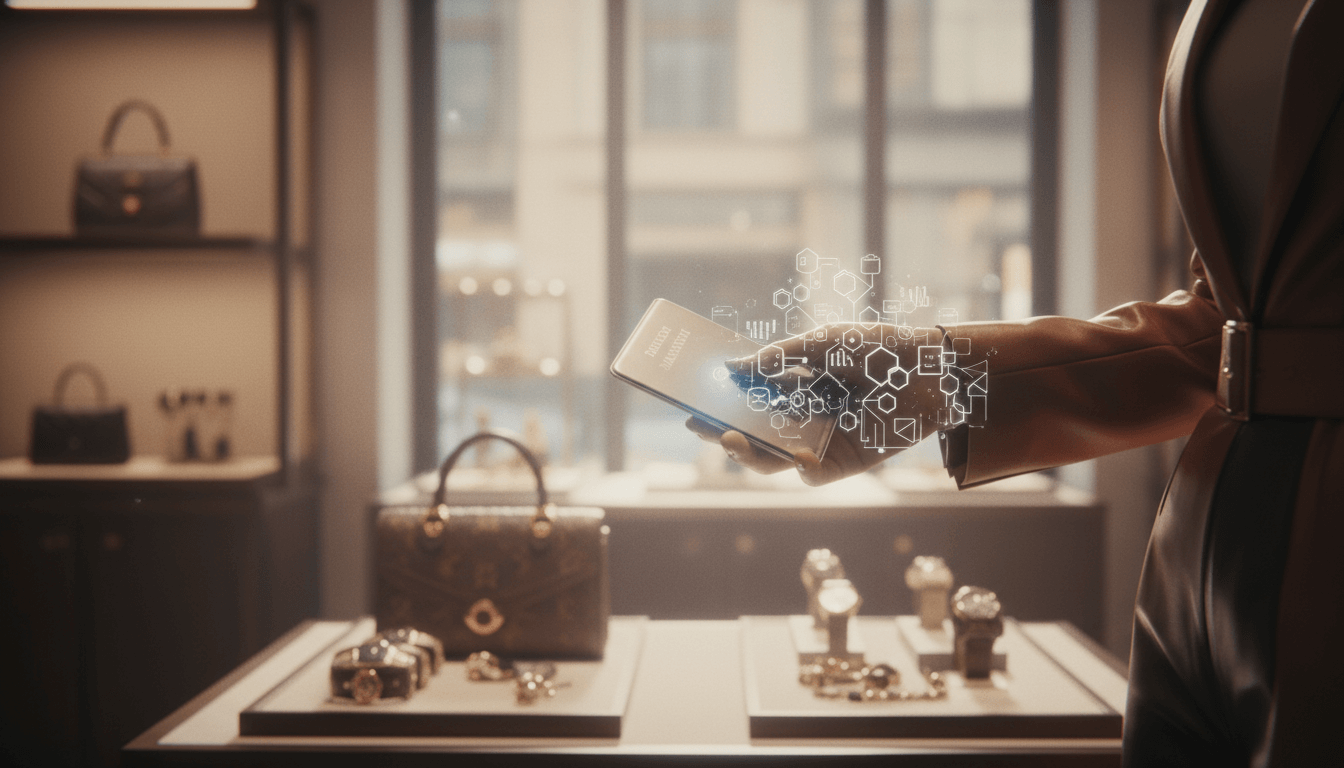
Digital Passports and Blockchain Authentication: Revolutionizing Luxury Product Integrity
The luxury industry is undergoing a transformative shift with the integration of digital passports and blockchain authentication. By 2025, the European Union will mandate digital product certification, requiring fashion brands to embed verifiable digital credentials. These tools provide immutable records of provenance, materials, and ownership history, drastically reducing counterfeiting and enhancing consumer trust. Pioneering brands like Vacheron Constantin are already leveraging blockchain to ensure authenticity, setting new standards for transparency and accountability in the high-end market.