
The luxury fashion industry is at a pivotal juncture, grappling with its significant environmental impact while meeting the demands of a new generation of consumers. According to sustainability reports, the fashion industry contributes between 2% and 8% of global greenhouse gas emissions, a staggering figure that underscores the urgency for transformative change. Artificial Intelligence (AI) is emerging as a powerful tool to address these challenges, enabling brands to integrate sustainability into their DNA without compromising on luxury or quality. This article delves into the key areas where AI is making a substantial impact: waste reduction and material optimization, supply chain transparency, and predictive analytics to prevent overproduction. One of the most pressing issues in fashion is material waste. Traditional manufacturing processes often result in up to 15-20% fabric waste due to inefficient cutting and pattern-making. AI-powered solutions, such as computer vision and machine learning algorithms, are revolutionizing this aspect. For instance, brands are using AI to analyze fabric rolls and generate optimal cutting patterns that minimize off-cuts. This not only reduces waste but also lowers raw material costs by an estimated 10-15%. Companies like Tommy Hilfiger and Burberry have adopted these technologies, reporting significant reductions in textile waste and improved resource efficiency. Additionally, AI facilitates the use of sustainable materials by identifying alternatives that meet luxury standards, such as bio-based fabrics or recycled fibers, further diminishing the environmental footprint. Supply chain transparency is another critical area where AI is driving change. The complexity of global supply chains often obscures the origins of materials and labor conditions, making it difficult for brands to ensure ethical and sustainable practices. Stella McCartney's partnership with Google Cloud exemplifies how AI can enhance transparency. By leveraging Google's AI and cloud computing capabilities, the brand tracks materials from source to store, providing consumers with verifiable data on sustainability credentials. This system uses blockchain-integrated AI to log every step of the supply chain, reducing the risk of greenwashing and building consumer trust. In fact, studies show that 70% of luxury consumers are more likely to purchase from brands that demonstrate transparent sustainability efforts. This shift is crucial, as 75% of Generation Z prioritizes sustainability, according to recent data, indicating a growing market for ethically produced luxury goods. Predictive analytics is perhaps the most transformative application of AI in sustainable luxury. Overproduction is a major contributor to waste and emissions, with unsold inventory often ending up in landfills or being incinerated. AI algorithms analyze vast datasets—including social media trends, historical sales, and weather patterns—to forecast demand with up to 90% accuracy. This allows brands to produce closer to actual demand, potentially reducing overproduction by 30-40%. For example, LVMH has implemented AI-driven demand planning tools across its portfolio, leading to a marked decrease in excess stock and a corresponding drop in carbon emissions. By aligning production with consumer preferences, brands not only minimize environmental harm but also enhance profitability. The integration of AI in luxury fashion is not without challenges, such as high implementation costs and the need for skilled personnel, but the long-term benefits are undeniable. As the industry moves toward a circular economy, AI will play a central role in enabling innovations like virtual sampling, which reduces the need for physical prototypes, and dynamic pricing models that optimize inventory turnover. In conclusion, AI is not just a technological upgrade; it is a catalyst for a sustainable revolution in luxury fashion. By embracing these innovations, brands can significantly cut their greenhouse gas emissions, meet the expectations of environmentally conscious consumers, and pave the way for a more responsible future. The data from the World Economic Forum and sustainability reports highlight the immense potential of AI to transform an industry that has long been criticized for its environmental impact. As more luxury brands adopt these technologies, we can anticipate a shift toward a model where luxury and sustainability are inextricably linked.
Recommended
This innovation showcases exceptional quality and transformative potential for the luxury industry.
Tags
Related Innovations
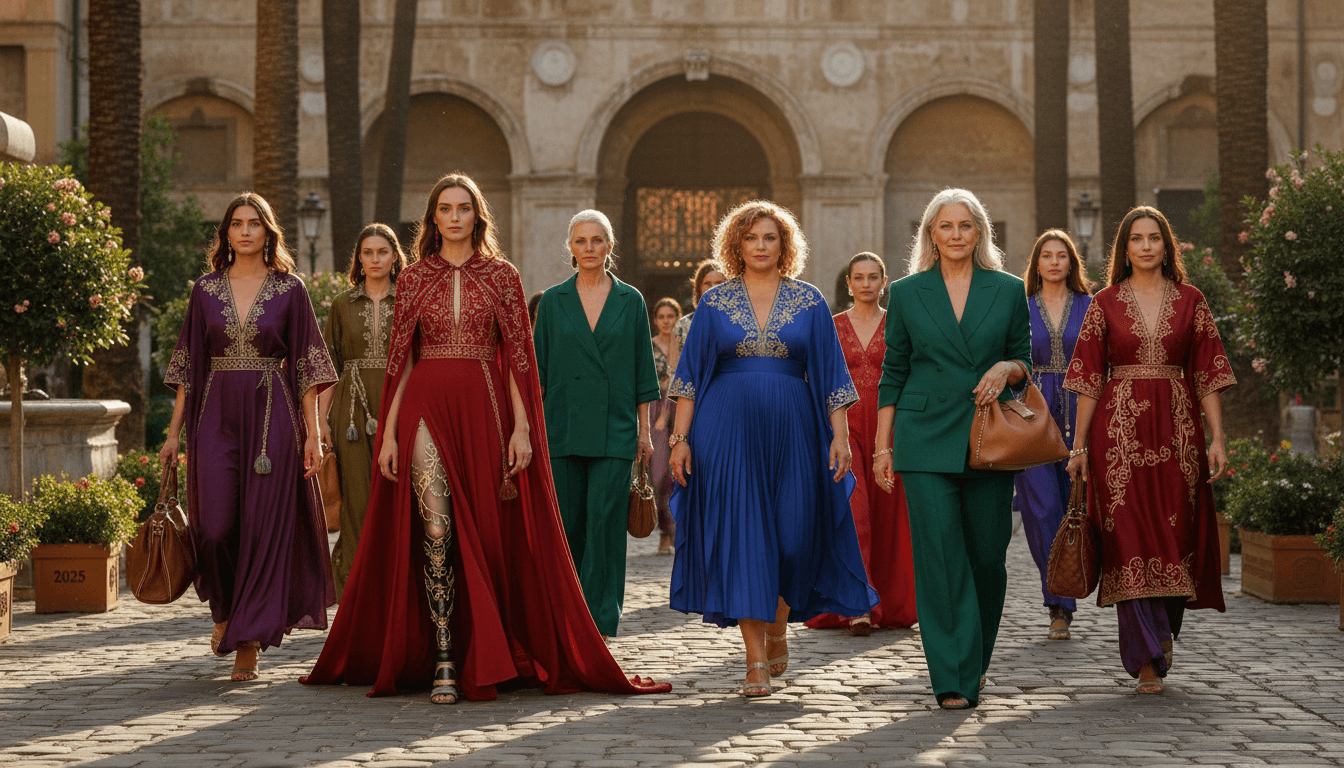
Inclusive Luxury Fashion: Redefining Elegance Through Diversity and Representation in 2025
Luxury fashion in 2025 is undergoing a transformative shift toward diversity and inclusivity, driven by evolving consumer demands for authenticity. Brands are integrating inclusive design principles, developing collections for diverse body types, and embedding representation into their core missions. According to the Firework Diversity in Luxury Fashion Report 2025, this trend reflects a broader industry movement where inclusivity is no longer optional but essential for brand relevance and growth. This article explores how luxury brands are innovating to meet these expectations, ensuring that high fashion is accessible and reflective of global diversity.

Personalized Luxury Experiences: The Future of High-End Brand Engagement in 2025
In 2025, luxury brands are revolutionizing customer interactions by integrating advanced AI and data analytics to deliver bespoke experiences. This strategy includes AI-powered styling recommendations, custom-fitted garments, exclusive access to events, and tailored concierge services, all designed to foster unique individual interactions. According to the Luxury Market Global Personalization Report 2025, this shift enhances emotional connections and sets brands apart through advanced customer experience technologies, moving beyond traditional product offerings to meet the demands of discerning clients.

Luxury Brand Authenticity and Purpose: Redefining Success in 2025
By 2025, luxury brands are pivoting from traditional aesthetics to purpose-driven strategies that merge digital innovation with authentic values. According to the World Economic Forum Luxury Trends Report 2025, success is now measured by a brand's ability to demonstrate social impact, environmental stewardship, and compelling storytelling. Consumers increasingly favor brands that embody authenticity and social consciousness, demanding luxury experiences that transcend material consumption and foster meaningful connections.

Digital Passports and Blockchain Authentication: Revolutionizing Luxury Product Integrity
The luxury industry is undergoing a transformative shift with the integration of digital passports and blockchain authentication. By 2025, the European Union will mandate digital product certification, requiring fashion brands to embed verifiable digital credentials. These tools provide immutable records of provenance, materials, and ownership history, drastically reducing counterfeiting and enhancing consumer trust. Pioneering brands like Vacheron Constantin are already leveraging blockchain to ensure authenticity, setting new standards for transparency and accountability in the high-end market.

Augmented Reality in Luxury Retail: Transforming High-End Shopping Experiences
Augmented Reality (AR) is revolutionizing luxury retail by enabling virtual try-ons, interactive product demonstrations, and immersive brand engagements. Leading luxury brands like Burberry are integrating AR technologies into flagship stores and digital platforms to bridge physical and digital retail environments. This Innovation Showcase explores how AR enhances customer personalization, increases engagement, and drives sales through data-driven insights, supported by findings from the Luxury Tech Trends Report 2025.
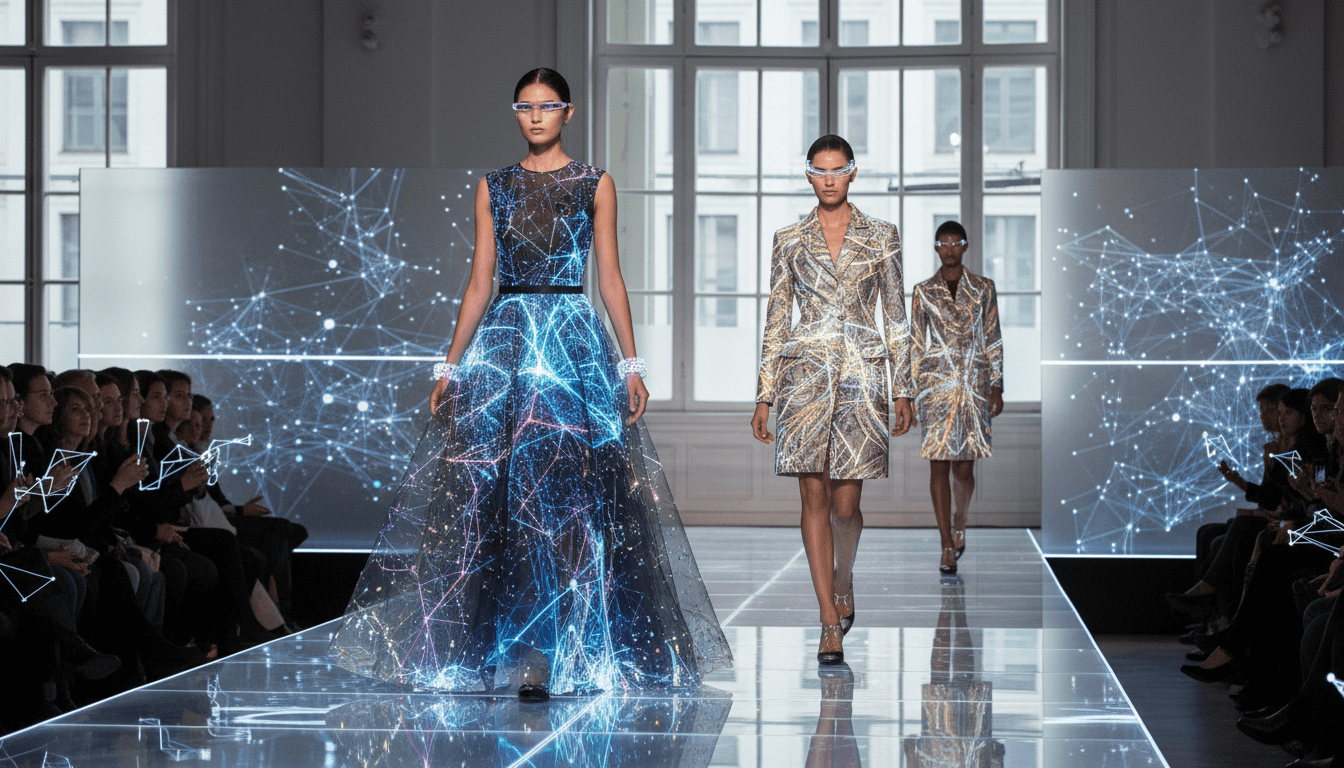
Internet of Things in Fashion: Revolutionizing Luxury and Personalization in 2025
The Internet of Things (IoT) is profoundly transforming the fashion industry in 2025, creating interconnected ecosystems where technology enhances every facet of luxury fashion. From smart garments that monitor health and adapt to environmental conditions to immersive retail environments offering hyper-personalized experiences, IoT enables unprecedented data exchange and connectivity. This innovation is elevating consumer interactions, providing responsive, tailored solutions that merge high-end aesthetics with cutting-edge technology, ultimately redefining the future of fashion as detailed in the TechPacker IoT in Fashion Report 2025.