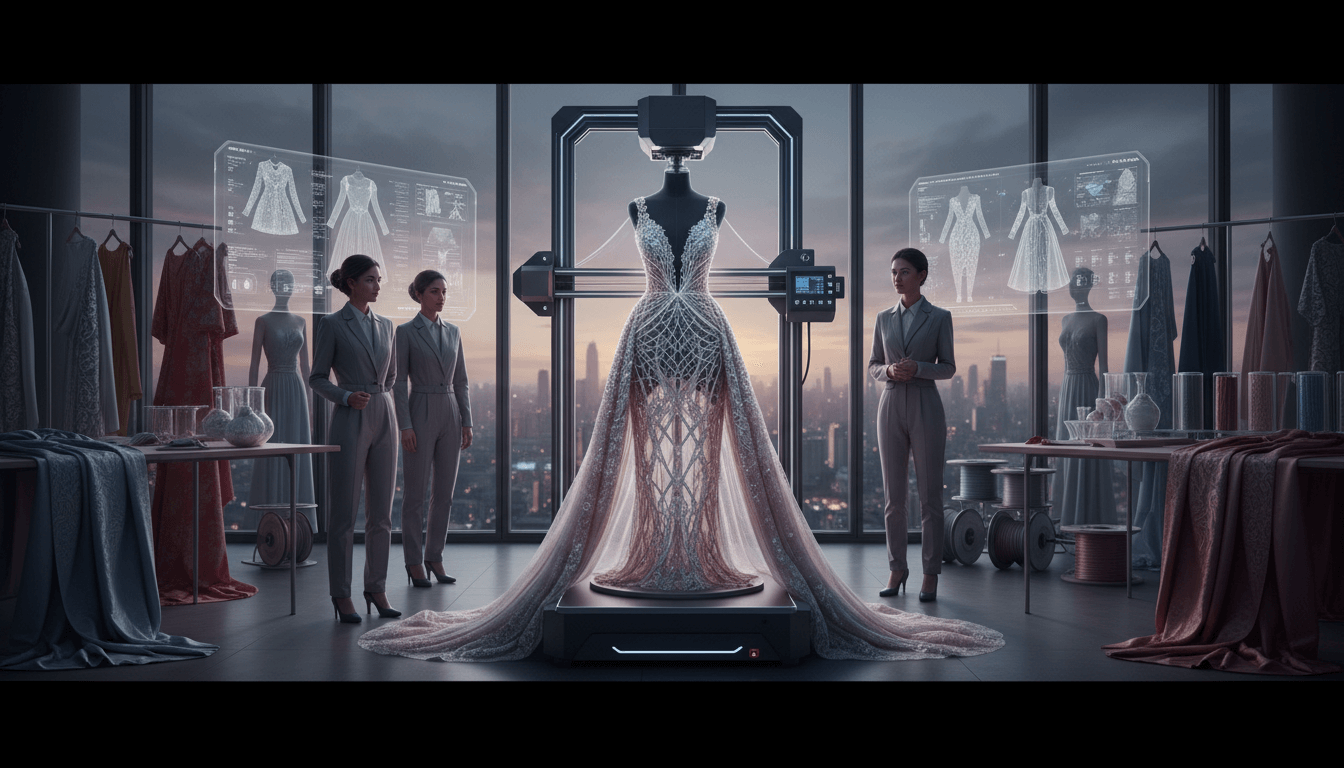
In 2025, 3D printing technology is fundamentally reshaping the luxury fashion landscape, offering designers and brands tools to achieve unparalleled levels of creativity, efficiency, and sustainability. This transformative approach allows for the creation of intricate and complex designs that were previously impossible with traditional methods, such as elaborate lattice structures, fluid geometries, and hyper-detailed embellishments. Brands like Chanel, Dior, and emerging designers are utilizing advanced materials including bio-based polymers, recycled metals, and custom composites to produce garments, accessories, and footwear that are both aesthetically striking and environmentally responsible. The reduction in manufacturing waste is significant; traditional cutting and sewing processes often result in up to 15-20% fabric waste, whereas 3D printing can minimize this to under 5% by using additive manufacturing techniques that build objects layer by layer. This aligns with the growing consumer demand for sustainable luxury, as 3D printing supports circular economy principles by enabling on-demand production, which reduces overstock and resource consumption. Personalized and on-demand production is another cornerstone of this revolution. With 3D scanning and printing technologies, brands can offer bespoke items tailored to individual body measurements and style preferences. For instance, companies like Iris van Herpen and Continuum Fashion are pioneering made-to-order collections that integrate digital fabrication with artisan craftsmanship, allowing clients to co-create unique pieces. The market data underscores this trend: the 3D-printed wearables sector is expanding rapidly, projected to grow from $5 billion in 2024 to $7.5 billion by 2030, driven by advancements in printing speed, material diversity, and consumer adoption. This growth is fueled by the technology's ability to facilitate rapid prototyping, reducing development timelines from weeks to days and enabling designers to iterate quickly based on feedback. Moreover, 3D printing enhances supply chain resilience by localizing production, which mitigates risks associated with global disruptions and reduces carbon footprints from transportation. In haute couture, 3D-printed elements are being combined with traditional textiles like silk and lace to create hybrid pieces that blend innovation with heritage. For example, a recent collaboration between a luxury house and a tech firm resulted in a gown featuring 3D-printed corsetry adorned with hand-embroidered details, showcasing how technology can elevate craftsmanship. Beyond apparel, the jewelry sector is leveraging 3D printing for precise, customizable pieces using precious metals and gemstones, while footwear brands are designing ergonomic, lightweight soles that offer superior comfort and durability. The environmental benefits are profound; by using recycled materials and minimizing waste, 3D printing supports the luxury industry's shift toward carbon neutrality. However, challenges remain, including the high cost of industrial-grade printers and the need for skilled operators. Despite this, the future looks promising, with AI integration poised to optimize design algorithms and material usage further. As noted in the '3D Printing in Luxury Fashion Report 2025,' this technology is not just a trend but a paradigm shift, empowering brands to deliver exclusive, sustainable, and personalized fashion experiences that resonate with modern consumers.
Recommended
This innovation showcases exceptional quality and transformative potential for the luxury industry.
Tags
Related Innovations

Luxury Fashion Metaverse Experiences: Redefining Digital Brand Interactions in 2025
By 2025, luxury fashion brands are pioneering immersive metaverse experiences that transform digital consumer engagement. These virtual environments offer exclusive digital runway shows, interactive brand spaces, and digital-only collections, with adoption rates increasing significantly among leading luxury houses. The trend is particularly popular with younger demographics, with 68% of Gen Z consumers expressing interest in digital fashion assets. This evolution represents a strategic shift toward blending physical and digital luxury experiences, creating new revenue streams and enhancing brand storytelling through cutting-edge virtual technologies.
AI-Powered Personalization: Revolutionizing Luxury Fashion Experiences
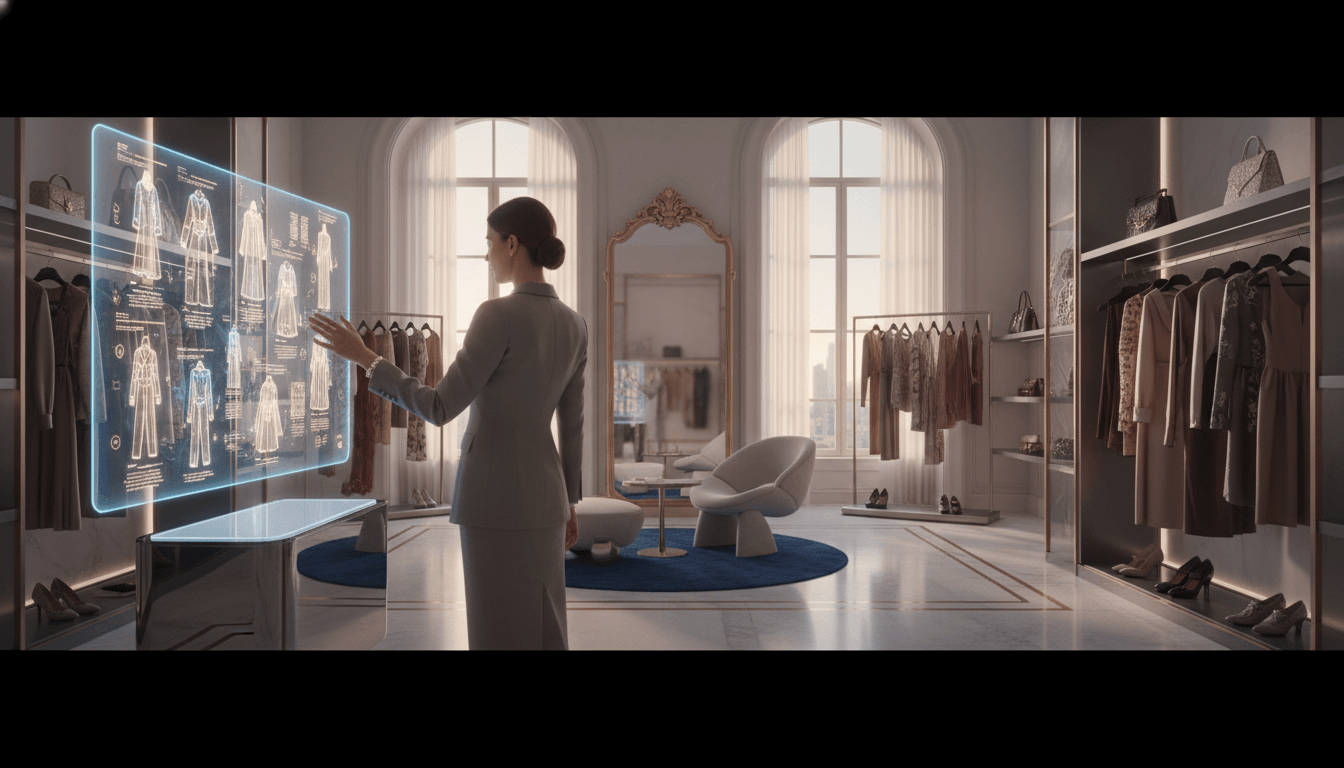
Luxury fashion is undergoing a seismic transformation through AI-driven personalization, with the market projected to surge from $1.2 billion to $5.6 billion by 2034. Advanced algorithms analyze customer behavior to deliver hyper-personalized recommendations, with 94% of luxury shoppers expressing openness to value-added customization. Leading brands like Net-a-Porter are integrating AI to create seamless omnichannel experiences that merge technological innovation with artisanal craftsmanship, setting new standards for consumer engagement and market growth.

Blockchain and Authenticity in Luxury Goods: Revolutionizing Verification and Trust
Blockchain technology is fundamentally transforming authenticity verification in the luxury goods sector by offering immutable transparency and trust. This innovation enables precise tracking of product origins, ethical sourcing validation, and secure supply chain integration. Leading brands, including De Beers, are adopting blockchain to combat counterfeiting—estimated to cost the industry over $500 billion annually—while enhancing consumer confidence. By providing a verifiable digital ledger for each item's journey from raw material to final sale, blockchain addresses critical consumer concerns about provenance and integrity, positioning itself as an essential tool for the future of luxury retail.
Immersive Retail Experiences in Luxury: Transforming High-End Shopping with AR, VR, and Interactive Pop-Ups
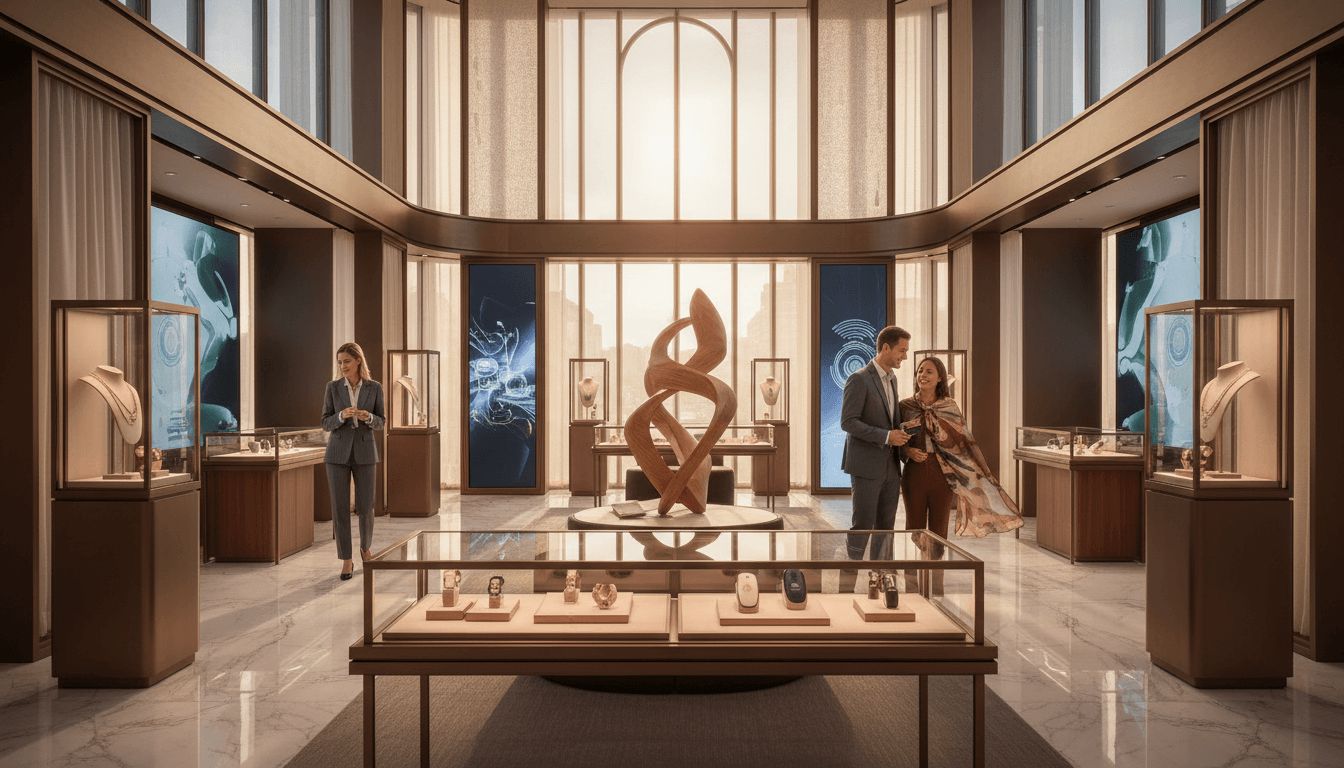
Luxury retail is undergoing a profound transformation driven by immersive technologies such as augmented reality (AR) and virtual reality (VR), alongside interactive pop-up experiences. Brands like Louis Vuitton and Gucci are pioneering these innovations, blending digital and physical realms to enhance customer engagement and drive sales. Gucci's AR shoe try-on tool, for instance, contributed to a 300% surge in online sales, while McKinsey data indicates that 70% of retail transactions are now digitally influenced. This evolution underscores a strategic shift towards experiential retail, where technology amplifies brand storytelling and personalization in the luxury sector.

Sustainable Luxury Through AI Innovation: Transforming Fashion's Environmental Footprint
Artificial Intelligence is revolutionizing the luxury fashion industry by embedding sustainability into core operations. Brands are utilizing AI to optimize material usage, enhance supply chain transparency, and employ predictive analytics to curb overproduction. With the fashion sector accounting for 2-8% of global greenhouse gas emissions, these innovations are critical. Initiatives like Stella McCartney's partnership with Google Cloud demonstrate how technology can drive accountability and efficiency, aligning with the 75% of Generation Z consumers who prioritize sustainability in their purchasing decisions.
Inclusive Luxury Fashion: Redefining Elegance Through Diversity and Representation in 2025
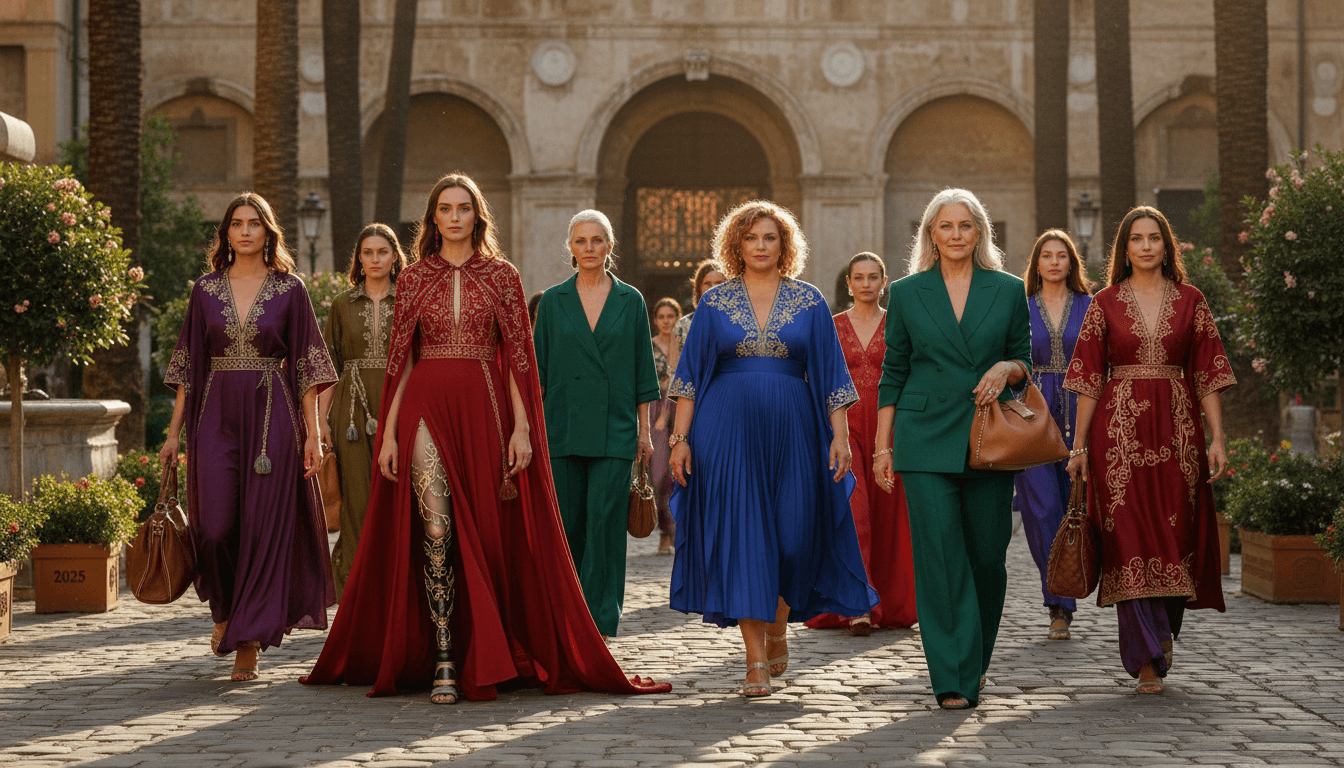
Luxury fashion in 2025 is undergoing a transformative shift toward diversity and inclusivity, driven by evolving consumer demands for authenticity. Brands are integrating inclusive design principles, developing collections for diverse body types, and embedding representation into their core missions. According to the Firework Diversity in Luxury Fashion Report 2025, this trend reflects a broader industry movement where inclusivity is no longer optional but essential for brand relevance and growth. This article explores how luxury brands are innovating to meet these expectations, ensuring that high fashion is accessible and reflective of global diversity.