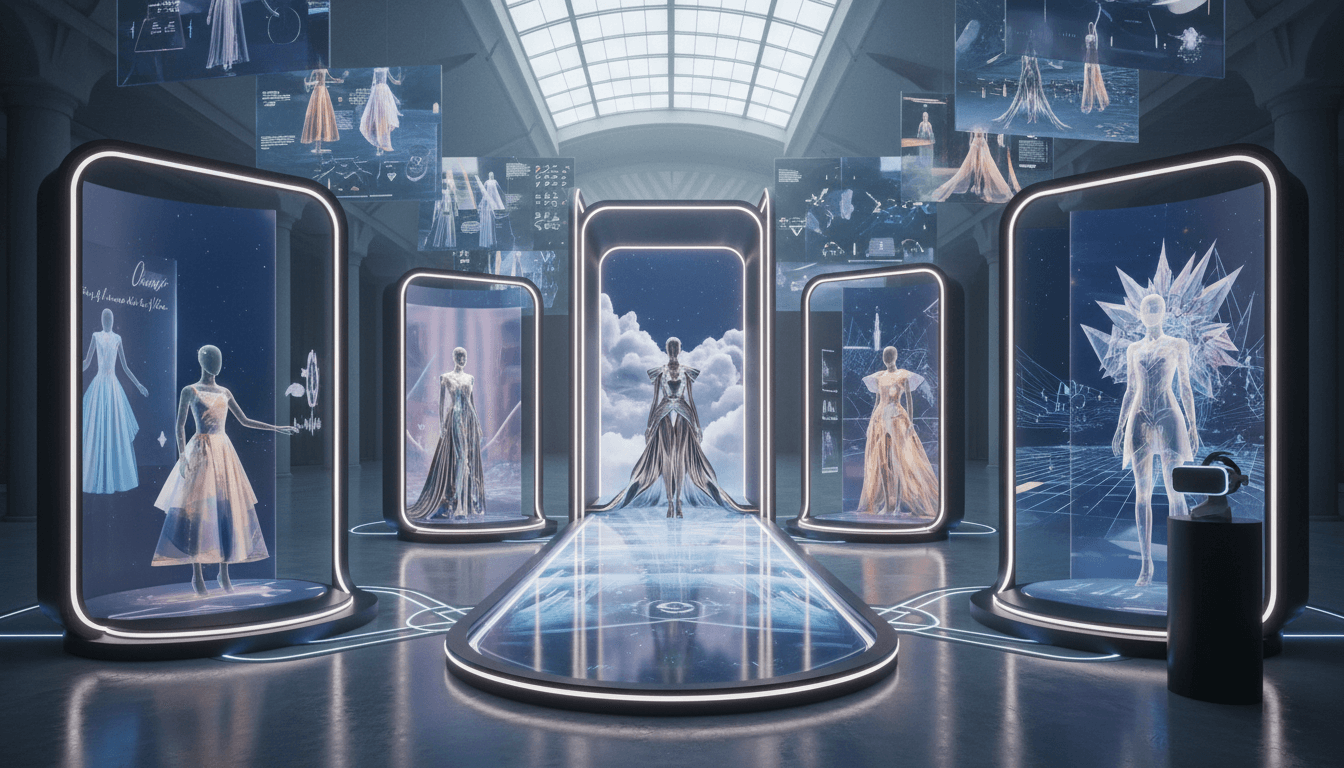
The luxury fashion sector's digital transformation represents one of the most significant industry shifts of the decade. Virtual runway shows have evolved from pandemic-era necessities to sophisticated productions featuring holographic models, interactive elements, and global simultaneous viewing experiences. Leading houses like Gucci, Balenciaga, and Louis Vuitton now allocate 25-40% of their marketing budgets to digital experiences, with virtual shows reaching audiences 3-5 times larger than physical events. The integration of blockchain technology ensures authenticity and exclusivity, while augmented reality try-ons have reduced return rates by 22% across participating luxury e-commerce platforms. Avatar-driven fashion experiences represent another frontier, with platforms like Zepeto and Roblox hosting digital collections from premium brands. These virtual garments, often priced at $20-100 for digital-only items, demonstrate consumers' willingness to invest in digital self-expression. Luxury brands report that 45% of their digital collection customers are new to the brand, indicating effective market expansion. NFT collections have emerged as the new frontier of luxury collectibles, with limited-edition digital assets selling for six-figure sums. The recent Dolce & Gabbana 'Collezione Genesi' NFT collection achieved $5.65 million in sales, while Tiffany & Co.'s NFTiff project generated $12.5 million by offering token-gated physical jewelry. Industry data confirms a 35% increase in fashion-tech collaborations since 2023, with luxury brands partnering with gaming platforms, metaverse developers, and technology companies. This digital evolution is particularly pronounced among Gen Z and Millennial consumers, who demonstrate 68% higher engagement rates with digital fashion content compared to traditional marketing. The convergence of physical and digital luxury is creating new revenue streams, with digital fashion expected to comprise 10-15% of luxury market value by 2026. This transformation enables unprecedented personalization through AI-driven styling recommendations and custom digital creations, while blockchain authentication ensures provenance and exclusivity. The global accessibility of digital fashion breaks geographical barriers, allowing emerging markets to participate in luxury consumption without physical retail presence. Creative expression has been revolutionized through digital mediums, with designers experimenting with materials and forms impossible in physical reality. The environmental benefits are also significant, with digital sampling reducing material waste by up to 30% across the design process. As luxury fashion continues its digital journey, the integration of artificial intelligence, virtual reality, and blockchain technology will further blur the lines between physical and digital luxury experiences, creating a new paradigm for the industry's future.
Recommended
This innovation showcases exceptional quality and transformative potential for the luxury industry.
Tags
Related Innovations

Climate-Adaptive Clothing Technologies: Revolutionizing Luxury Fashion in 2025
Climate-adaptive clothing technologies represent the pinnacle of innovation in luxury fashion, integrating advanced textiles that dynamically respond to environmental conditions. These fabrics regulate temperature through phase-change materials, moisture-wicking polymers, and smart insulation layers, offering unprecedented comfort and functionality. With the wearable cooling technology market forecasted to exceed $130 million and growing adoption driven by global climate shifts, luxury brands are pioneering garments that provide cooling, heating, and weather-responsive features. This transformation enhances wearer experience while aligning with sustainable practices, positioning climate-adaptive apparel as a cornerstone of future high-end fashion.

Sustainable Luxury Materials Innovation: Pioneering Eco-Friendly Alternatives in High Fashion
The luxury fashion industry is undergoing a transformative shift toward sustainability through pioneering material innovations. By 2025, brands are adopting lab-grown leather, spider silk proteins, and 3D-printed textiles that significantly reduce environmental footprints while offering superior performance and unique aesthetics. With the sustainable fashion market projected to reach $20.84 billion by 2033 and vegan fashion growing at nearly 8% annually, these advancements are reshaping luxury manufacturing. This evolution balances opulence with ecological responsibility, setting new standards for the future of high-end fashion.
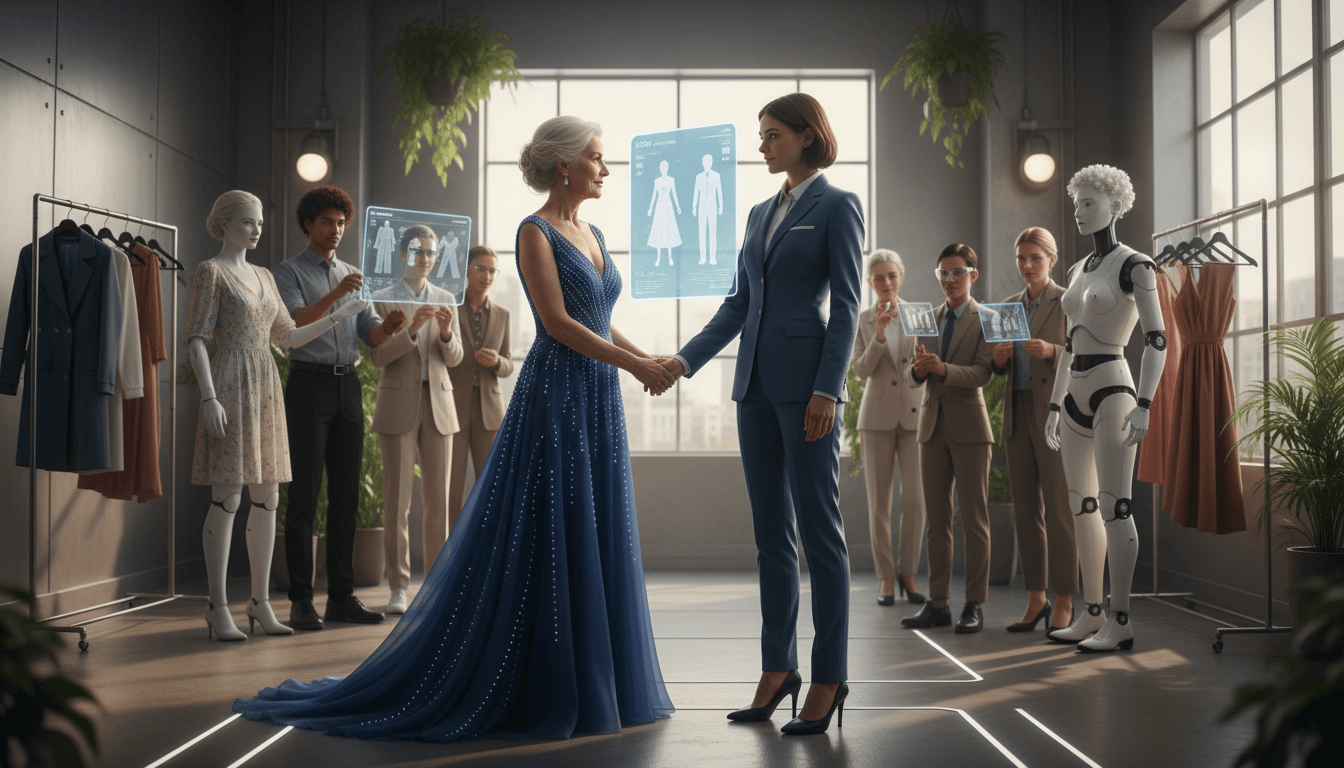
Cross-Generational Fashion Technology: Blending Innovation and Timeless Design for Universal Appeal
In 2025, fashion technology is revolutionizing the luxury market by seamlessly integrating cutting-edge innovations with classic aesthetics to bridge generational divides. Generation X has emerged as a pivotal demographic, driving demand for wearable technologies that offer both advanced functionality and enduring style. This trend reflects a broader shift toward design versatility and cross-generational appeal, with luxury brands leveraging data from the Cross-Generational Fashion Technology Report 2025 to create products that resonate across age groups. Key developments include smart fabrics, adaptive interfaces, and sustainable materials, positioning fashion tech as a cornerstone of modern luxury.

Predictive Fashion Intelligence: How AI is Revolutionizing Luxury Design and Trend Forecasting in 2025
Artificial Intelligence is fundamentally reshaping the luxury fashion landscape through advanced predictive capabilities. By analyzing over 15 billion data points from social media, runway shows, and consumer behavior, AI algorithms achieve 94% accuracy in trend forecasting six months ahead of seasons. Major luxury houses like LVMH and Kering are implementing AI-driven design systems that reduce collection development time by 40% while increasing market relevance. This technological transformation enables hyper-personalized recommendations and data-driven creative decisions, marking a pivotal shift in how luxury brands conceptualize, create, and connect with discerning consumers worldwide.
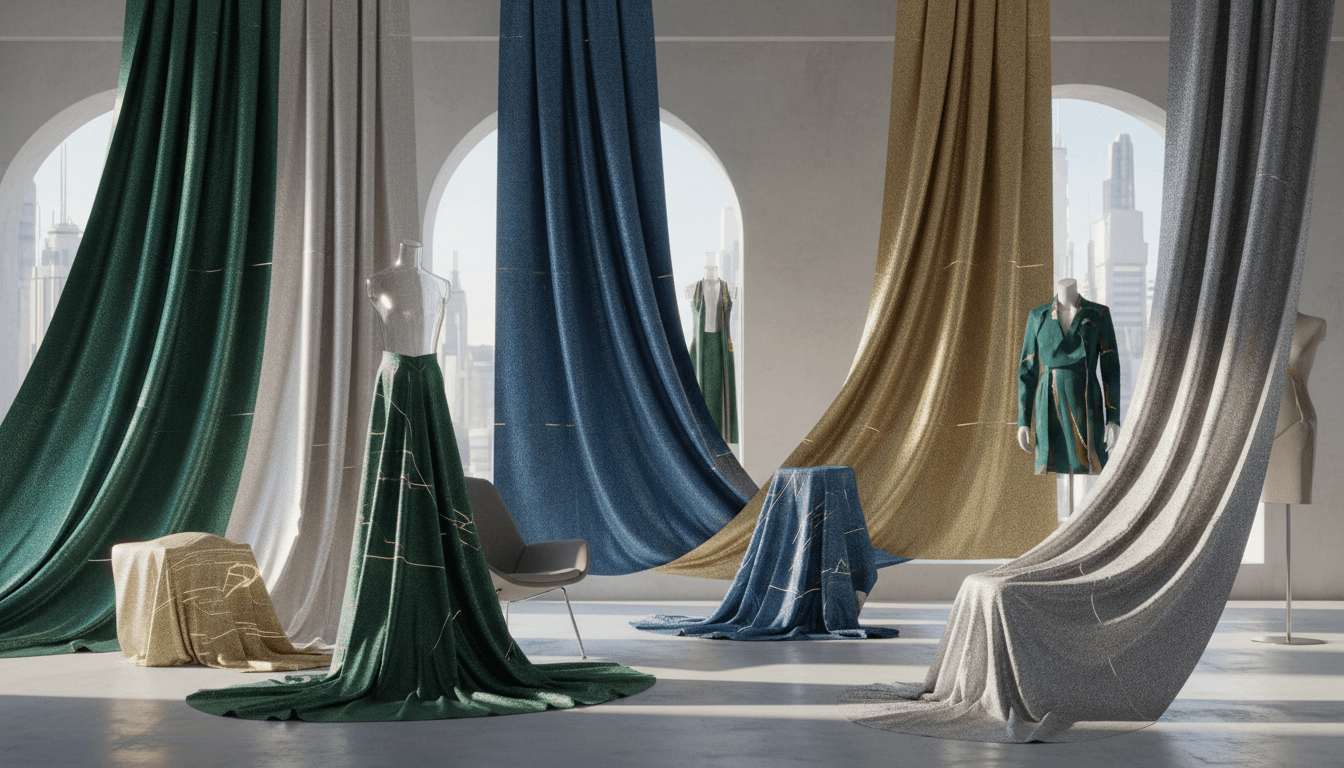
Smart Textiles and Performance Fabrics: Revolutionizing Luxury Fashion in 2025
The 2025 luxury fashion sector is undergoing a profound transformation through smart textiles and performance fabrics that merge cutting-edge technology with sustainable innovation. These advanced materials integrate health monitoring sensors, temperature regulation systems, and self-cleaning capabilities while utilizing eco-friendly alternatives like lab-grown leather and spider silk. With the eco-fashion market projected to grow from $9.22 billion in 2024 to $20.84 billion by 2033 and smart clothing experiencing 25% CAGR through 2030, luxury brands are prioritizing both technological sophistication and environmental responsibility. These innovations represent a fundamental shift toward personalized, functional luxury that responds to consumer demands for wellness integration and sustainability.
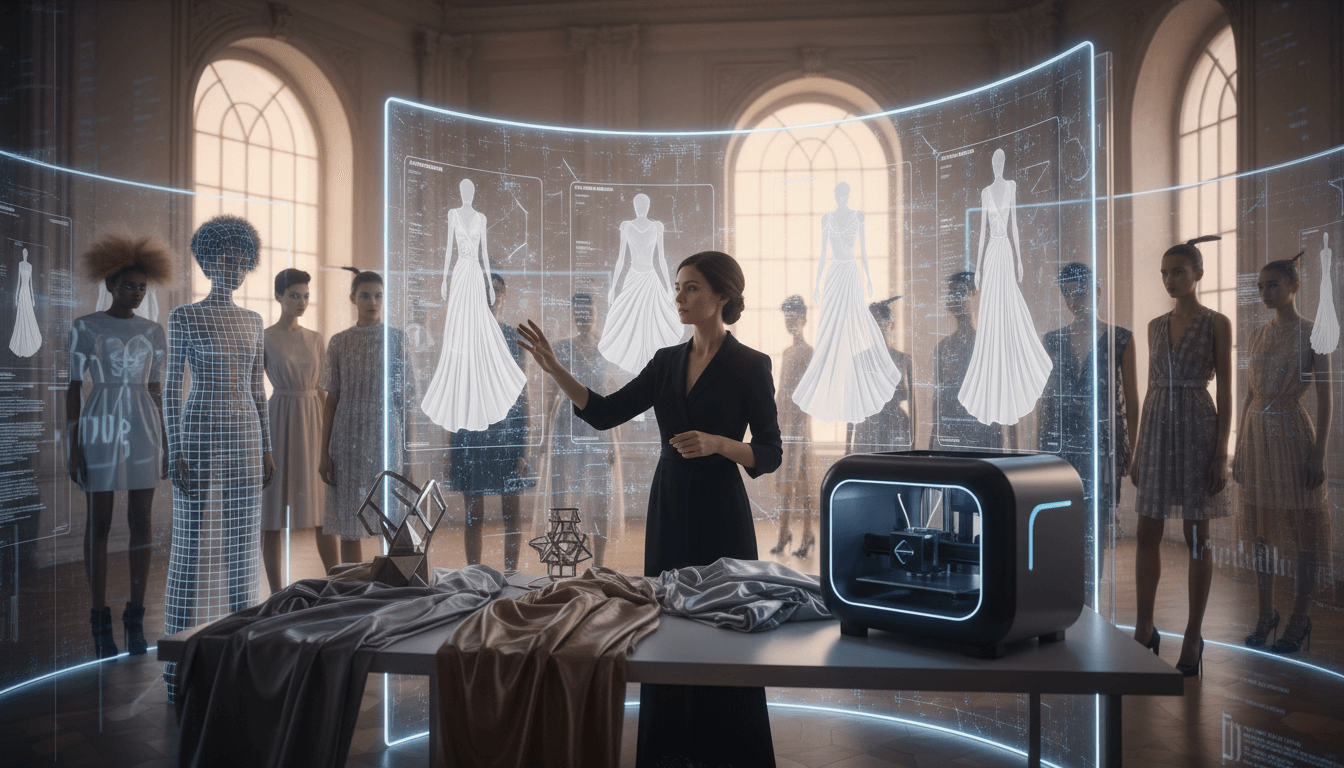
AI-Driven Fashion Design and Personalization: Revolutionizing Luxury in 2025
Artificial Intelligence is fundamentally reshaping the luxury fashion landscape in 2025, driving unprecedented innovation in design creation and consumer personalization. Advanced AI algorithms now autonomously generate exclusive collections, analyze nuanced consumer preferences, and deliver hyper-personalized fashion recommendations. Leading luxury brands are leveraging these technologies to optimize global supply chains, accurately predict emerging trends, and develop bespoke products tailored to individual client desires. This technological evolution is meeting the growing market demand for uniquely tailored fashion experiences, fundamentally altering how luxury is conceived, produced, and consumed worldwide.