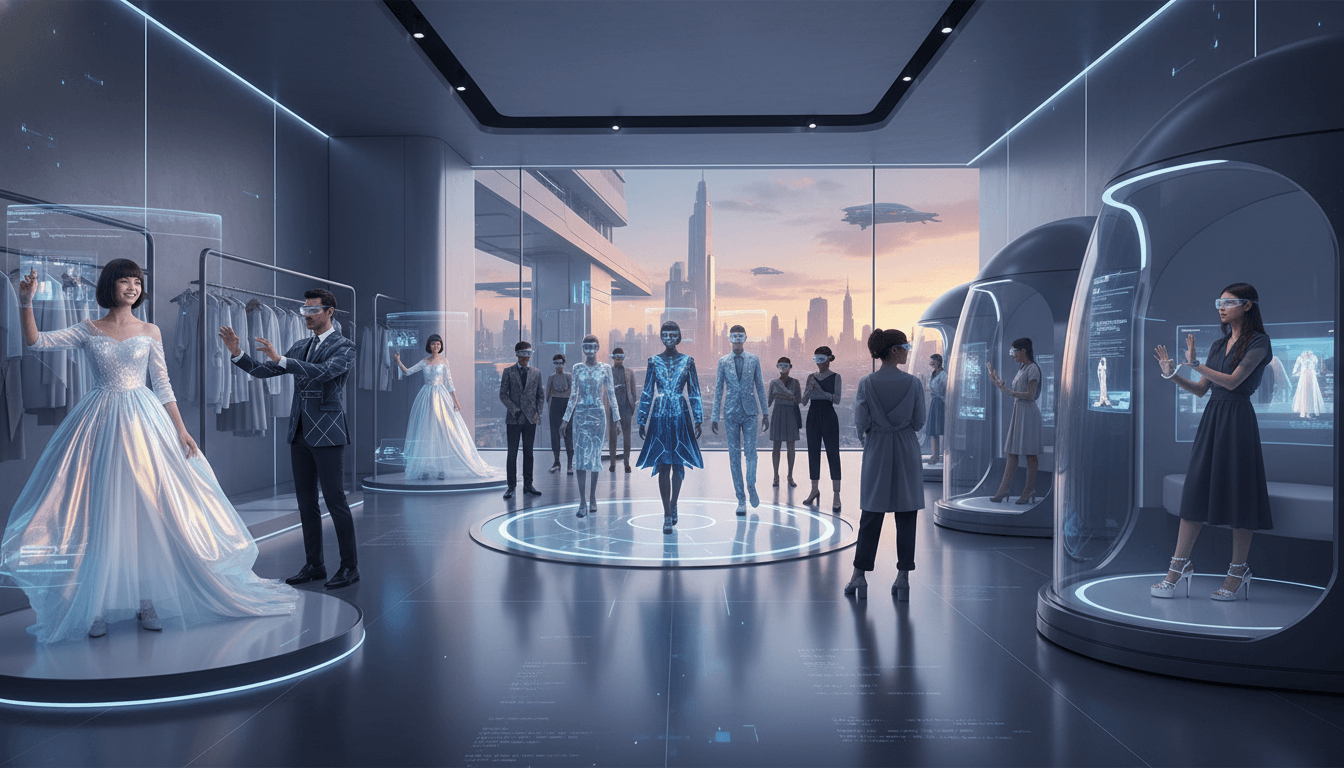
The integration of virtual and augmented reality into the luxury fashion industry represents a paradigm shift in consumer engagement and brand strategy. As of 2025, these technologies are no longer experimental but central to the operations of leading luxury brands. Immersive digital showrooms allow customers to explore collections in meticulously crafted virtual environments, replicating the exclusivity of physical boutiques while offering global access. For instance, brands like Gucci and Louis Vuitton have launched digital showrooms that feature interactive elements, such as clickable items for detailed views, background stories on craftsmanship, and virtual stylist consultations. These showrooms have seen user engagement times increase by over 40% compared to traditional e-commerce sites, according to industry reports. Augmented reality try-on technologies have advanced significantly, leveraging AI and computer vision to provide realistic simulations of clothing, accessories, and even footwear on users' own bodies via smartphone cameras or AR glasses. This capability has reduced return rates by up to 30% for early-adopting brands, as customers can make more informed purchasing decisions. The virtual fashion collection segment is expanding at a compound annual growth rate of 25%, driven by demand from Gen Z and Millennial consumers who value digital ownership and sustainability. Brands are creating exclusive digital-only items, often tied to NFTs, which can be used in virtual worlds or social media. Market data indicates that the digital fashion market is projected to reach $50 billion by 2026, with luxury brands capturing a significant share. The adoption of AR technology is increasing across the sector, with over 70% of luxury brands implementing some form of AR experience in their marketing or sales funnels. This trend is breaking down geographical barriers, enabling consumers in emerging markets to access luxury fashion without physical stores. Moreover, these technologies support sustainability efforts by minimizing sample production and reducing carbon footprints associated with travel and logistics. Industry leaders predict that by 2030, VR and AR will be integral to all aspects of fashion, from design and manufacturing to retail and customer service, fundamentally reshaping the luxury experience for generations to come.
Recommended
This innovation showcases exceptional quality and transformative potential for the luxury industry.
Tags
Related Innovations
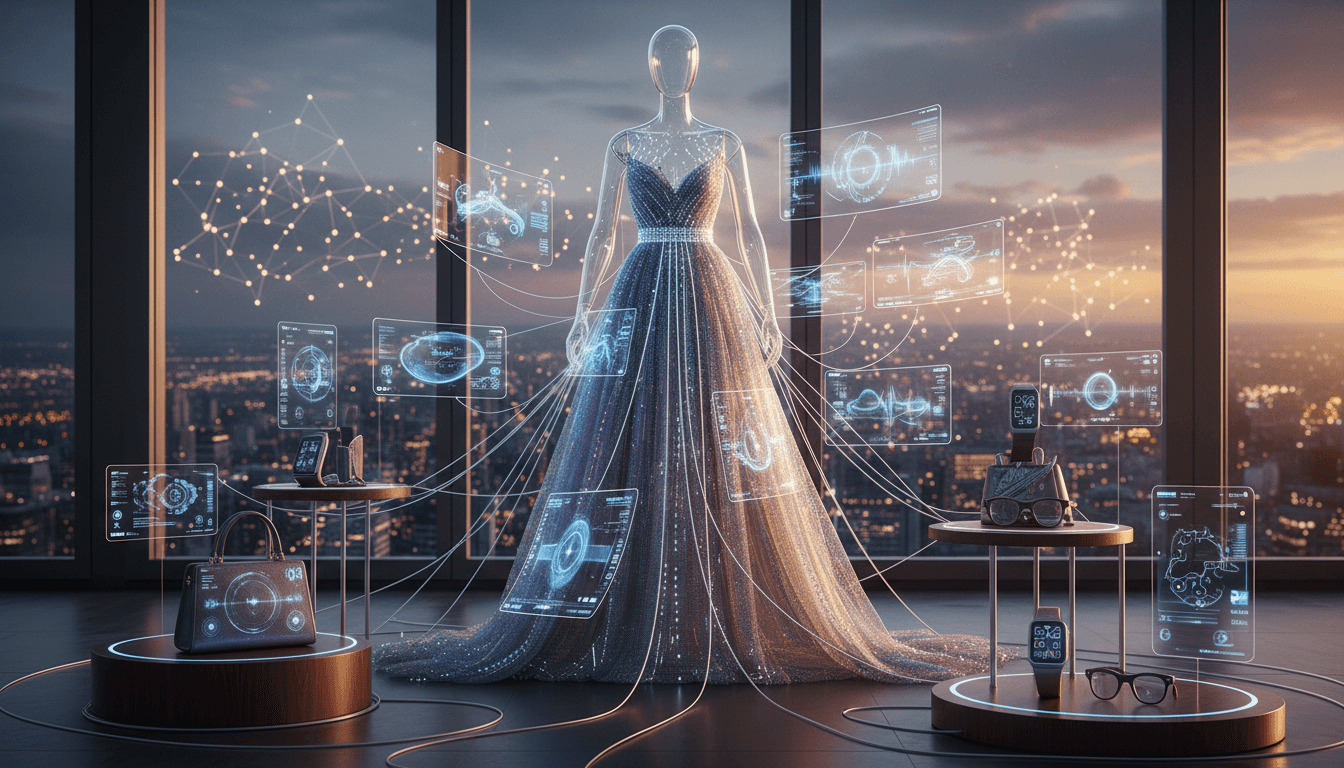
IoT and Connected Fashion: Revolutionizing Luxury in 2025
The Internet of Things (IoT) is fundamentally reshaping the luxury fashion landscape in 2025, with smart garments and accessories evolving into sophisticated data-driven platforms. These innovations enable real-time health monitoring, posture correction, and unprecedented supply chain transparency, creating a highly interactive and personalized user experience. As reported in the IoT in Fashion Technology Report 2025, this transformation extends beyond traditional wearables, enhancing both consumer engagement and operational efficiency in the high-end fashion sector, fostering a new era of intelligent and responsive luxury.
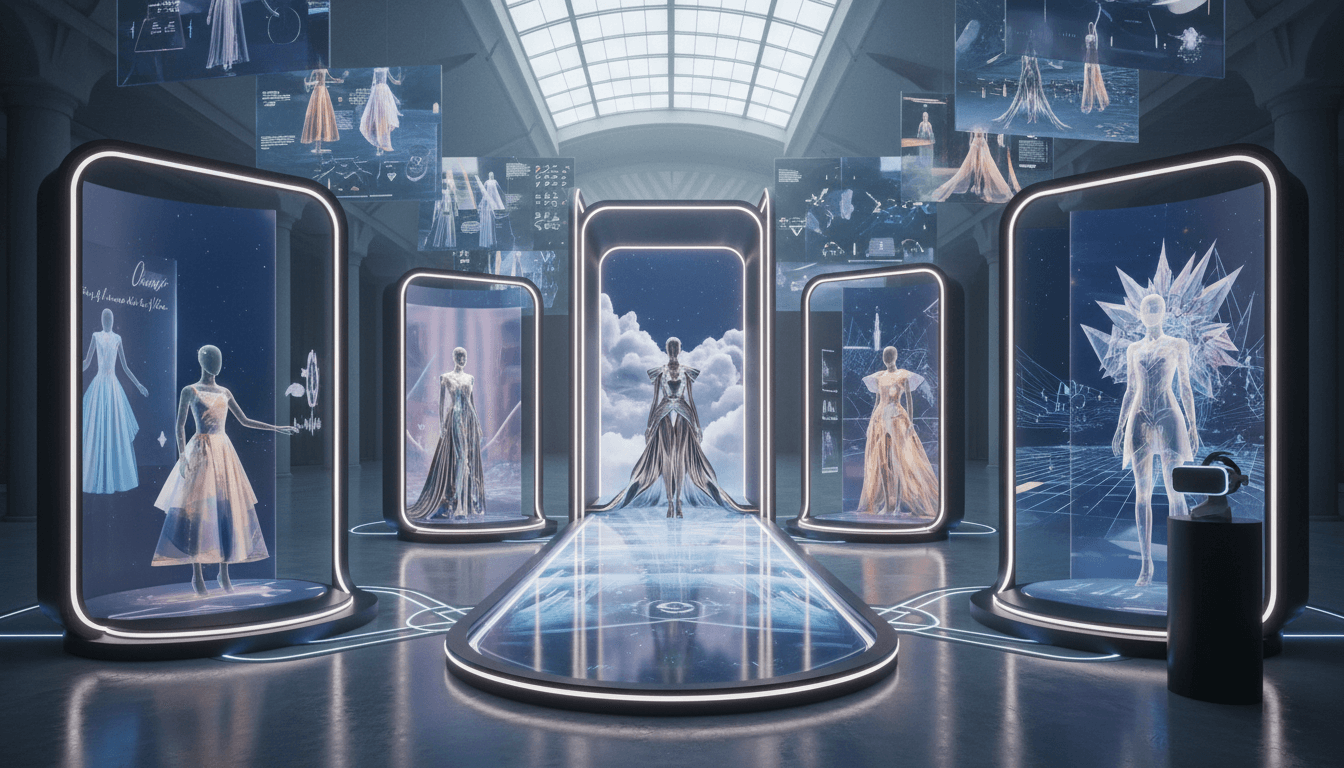
Digital Fashion and Virtual Experiences: Redefining Luxury in 2025
The luxury fashion industry is undergoing a transformative digital evolution in 2025, with brands increasingly embracing virtual experiences and digital-first collections. Key developments include immersive virtual runway shows, avatar-driven fashion experiences, and the rise of NFTs as luxury collectibles. Data indicates a 35% increase in fashion-tech collaborations since 2023, driven by growing adoption among Gen Z and Millennials. This shift enables unprecedented personalization, global accessibility, and innovative creative expression, fundamentally reshaping how luxury fashion is consumed and experienced worldwide.

Climate-Adaptive Clothing Technologies: Revolutionizing Luxury Fashion in 2025
Climate-adaptive clothing technologies represent the pinnacle of innovation in luxury fashion, integrating advanced textiles that dynamically respond to environmental conditions. These fabrics regulate temperature through phase-change materials, moisture-wicking polymers, and smart insulation layers, offering unprecedented comfort and functionality. With the wearable cooling technology market forecasted to exceed $130 million and growing adoption driven by global climate shifts, luxury brands are pioneering garments that provide cooling, heating, and weather-responsive features. This transformation enhances wearer experience while aligning with sustainable practices, positioning climate-adaptive apparel as a cornerstone of future high-end fashion.

Sustainable Luxury Materials Innovation: Pioneering Eco-Friendly Alternatives in High Fashion
The luxury fashion industry is undergoing a transformative shift toward sustainability through pioneering material innovations. By 2025, brands are adopting lab-grown leather, spider silk proteins, and 3D-printed textiles that significantly reduce environmental footprints while offering superior performance and unique aesthetics. With the sustainable fashion market projected to reach $20.84 billion by 2033 and vegan fashion growing at nearly 8% annually, these advancements are reshaping luxury manufacturing. This evolution balances opulence with ecological responsibility, setting new standards for the future of high-end fashion.
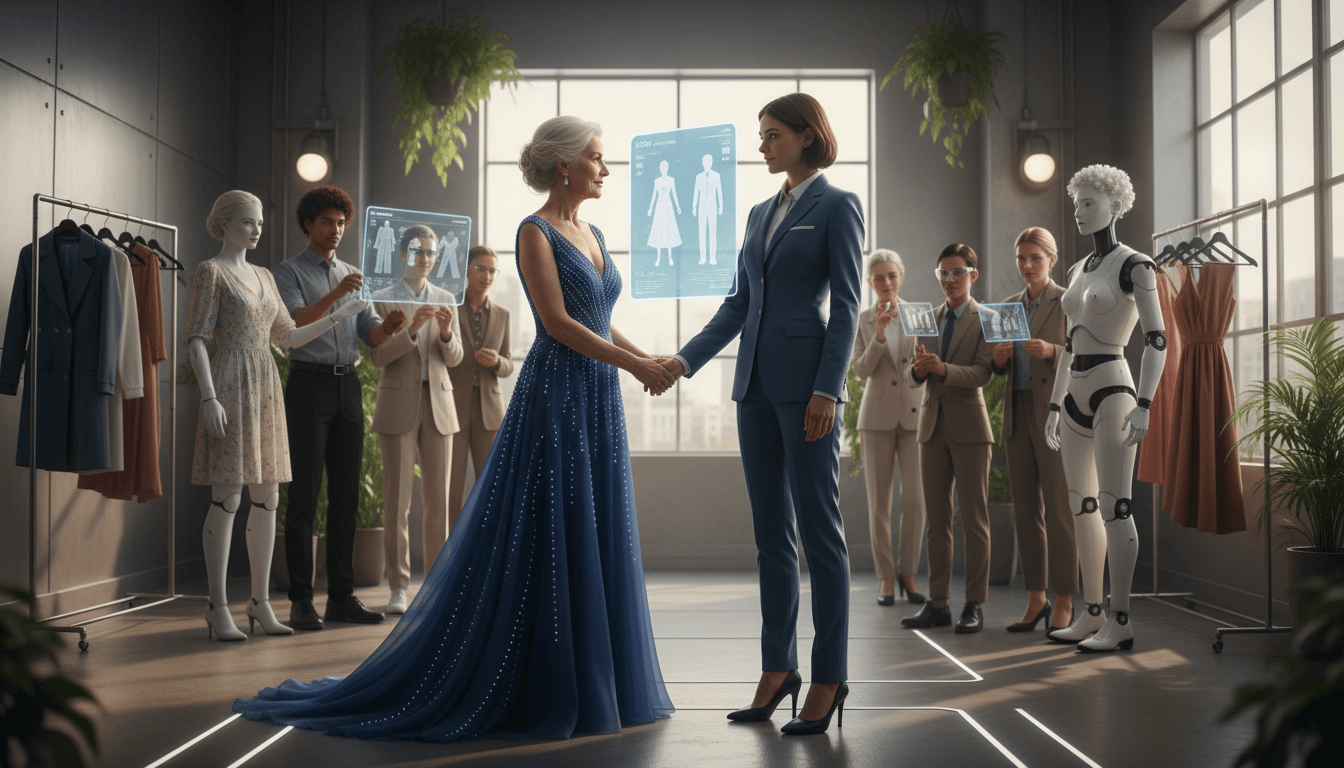
Cross-Generational Fashion Technology: Blending Innovation and Timeless Design for Universal Appeal
In 2025, fashion technology is revolutionizing the luxury market by seamlessly integrating cutting-edge innovations with classic aesthetics to bridge generational divides. Generation X has emerged as a pivotal demographic, driving demand for wearable technologies that offer both advanced functionality and enduring style. This trend reflects a broader shift toward design versatility and cross-generational appeal, with luxury brands leveraging data from the Cross-Generational Fashion Technology Report 2025 to create products that resonate across age groups. Key developments include smart fabrics, adaptive interfaces, and sustainable materials, positioning fashion tech as a cornerstone of modern luxury.

Predictive Fashion Intelligence: How AI is Revolutionizing Luxury Design and Trend Forecasting in 2025
Artificial Intelligence is fundamentally reshaping the luxury fashion landscape through advanced predictive capabilities. By analyzing over 15 billion data points from social media, runway shows, and consumer behavior, AI algorithms achieve 94% accuracy in trend forecasting six months ahead of seasons. Major luxury houses like LVMH and Kering are implementing AI-driven design systems that reduce collection development time by 40% while increasing market relevance. This technological transformation enables hyper-personalized recommendations and data-driven creative decisions, marking a pivotal shift in how luxury brands conceptualize, create, and connect with discerning consumers worldwide.