
The luxury fashion landscape in 2025 is defined by a seismic shift towards minimalist luxury and conscious consumption, driven by a well-informed consumer base that values sustainability, quality, and timeless elegance. According to the Fashinnovation Consumer Trends Report 2025, 79% of luxury shoppers are actively reducing their clothing purchases, opting instead for high-quality, durable items that offer long-term value. This trend marks a decisive move away from the ephemeral nature of fast fashion, which has long been criticized for its environmental and ethical shortcomings. Brands like Everlane and COS are at the forefront of this movement, offering meticulously curated collections that emphasize functionality, clean lines, and neutral color palettes. These designs not only transcend seasonal trends but also align with a growing cultural emphasis on mindful living. The minimalist luxury movement is characterized by its focus on superior craftsmanship, ethical sourcing, and transparent supply chains. For instance, Everlane’s Radical Transparency initiative provides consumers with detailed insights into production costs and factory conditions, fostering trust and accountability. Similarly, COS has gained acclaim for its architectural silhouettes and use of sustainable materials such as organic cotton and recycled polyester. This paradigm shift is supported by robust consumer data indicating a 65% increase in searches for ‘sustainable luxury’ and a 42% rise in demand for ‘investment pieces’ over the past two years. The economic rationale is equally compelling; while minimalist luxury items may carry a higher upfront cost, their extended lifespan and timeless appeal result in a lower cost per wear, making them a prudent financial choice. Moreover, this trend is catalyzing innovation across the industry, with advancements in biodegradable textiles, circular fashion models, and digital product passports that trace item lifecycles. As consumers become more discerning, luxury brands are compelled to adopt holistic sustainability strategies that encompass environmental, social, and governance (ESG) criteria. The rise of conscious consumption is not merely a passing trend but a fundamental redefinition of luxury, where value is measured not by abundance but by integrity, purpose, and enduring beauty. This evolution reflects a broader societal shift towards responsible consumption, positioning minimalist luxury as a cornerstone of the future high-end market.
Recommended
This innovation showcases exceptional quality and transformative potential for the luxury industry.
Tags
Related Innovations
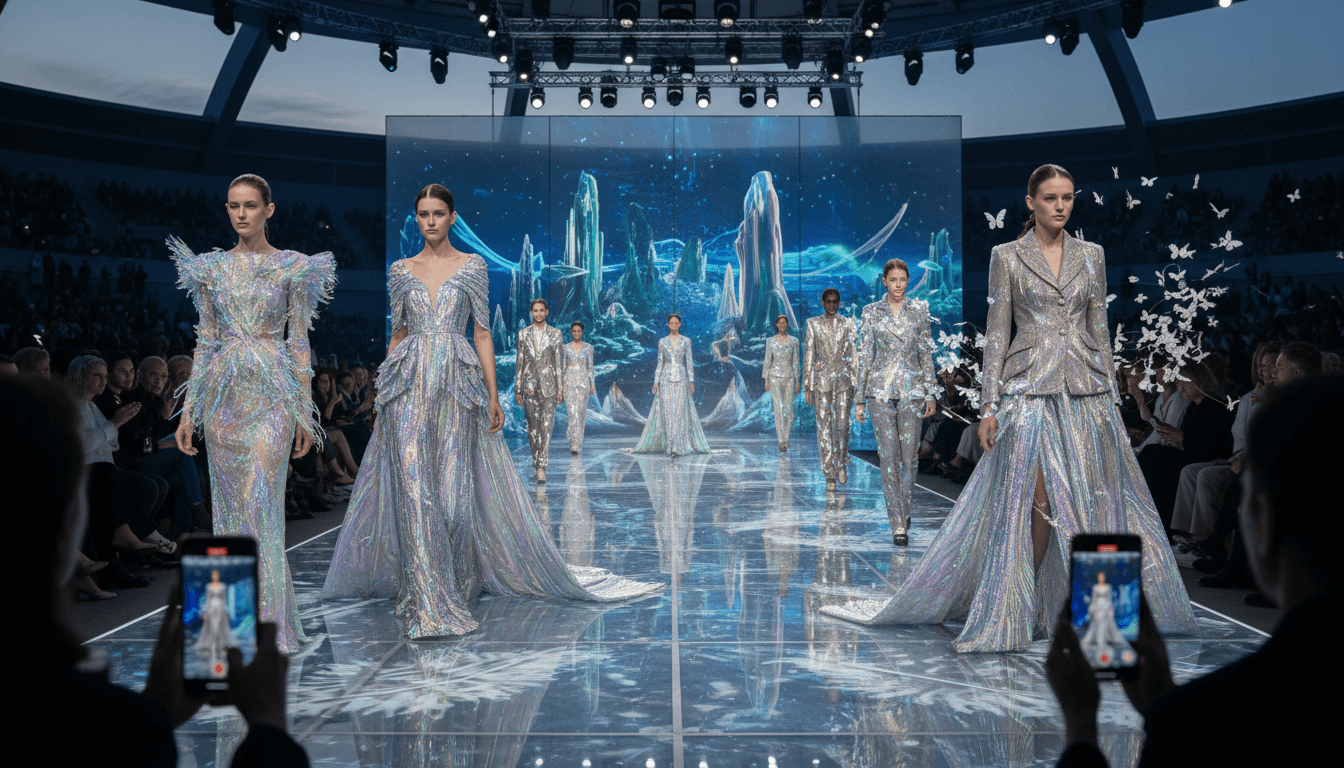
Phygital Fashion Experiences: The 2025 Revolution in Luxury Ownership
Phygital fashion represents the seamless integration of digital and physical luxury experiences, fundamentally transforming consumer interactions with high-end brands. Through blockchain-authenticated digital assets linked to physical products, companies like RTFKT and Nike are pioneering new ownership models where consumers can collect, trade, and verify exclusive fashion items across both realms. This innovation, documented in the World Economic Forum Digital Fashion Report 2025, introduces unprecedented value creation through limited-edition digital twins, smart contracts, and immersive AR try-ons, redefining luxury as both tangible and virtual possessions with verifiable scarcity and provenance.

AR Glasses: The Future of Fashion Tech - Luxury Meets Innovation
Luxury fashion brands are pioneering the next wave of wearable technology with augmented reality glasses that merge haute couture design with cutting-edge functionality. Leaders like Gucci, Ray-Ban, and Dior are creating sophisticated eyewear featuring virtual displays, real-time navigation, and seamless communication capabilities. With smart glasses shipments reaching 1.8 million units in 2024 and a remarkable 73% year-over-year growth rate, these devices represent the seamless integration of fashion aesthetics and technological innovation, setting new standards for personal expression and digital interaction in the luxury sector.
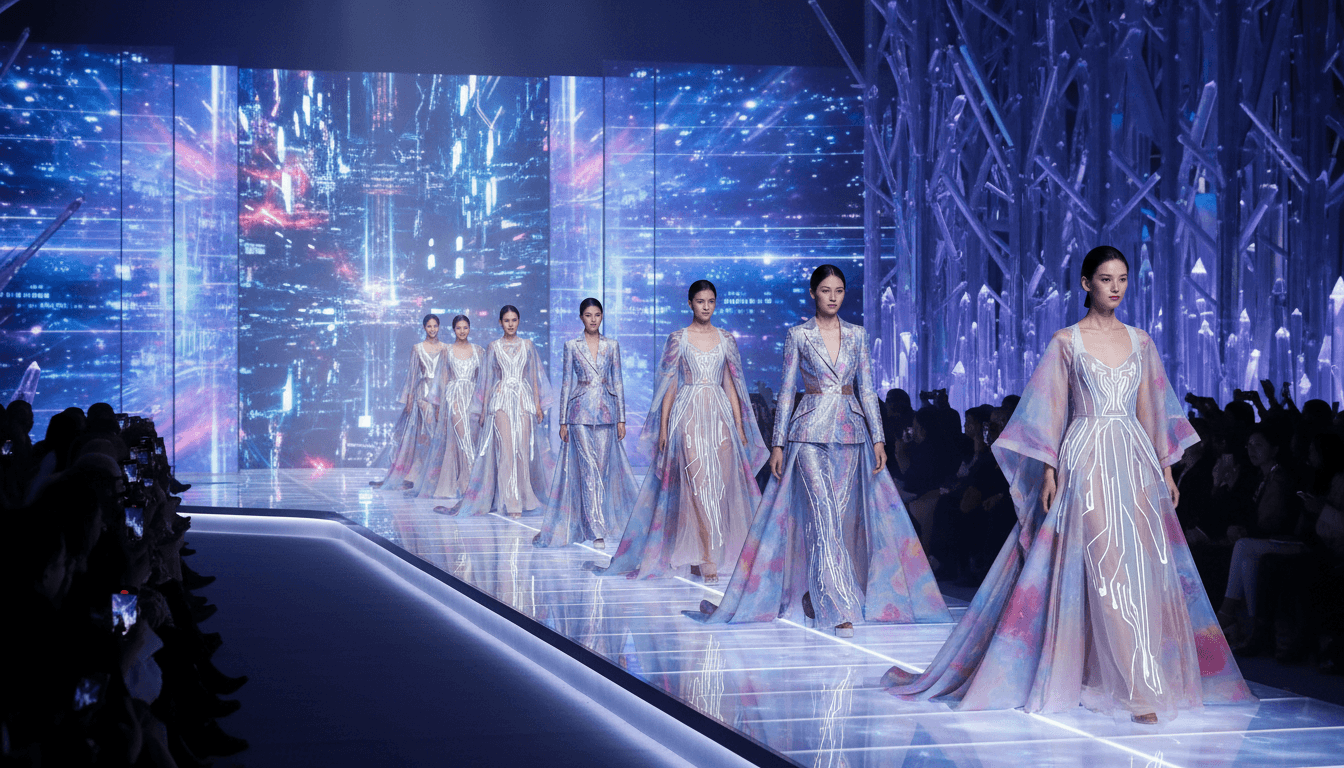
AI-Generated Fashion Collections: Revolutionizing Luxury Design in 2025
Artificial Intelligence is fundamentally transforming luxury fashion design in 2025, with generative AI systems creating complete collections by analyzing global trends, social media data, and consumer preferences. Leading luxury brands are leveraging this technology to achieve unprecedented speed in trend forecasting, hyper-personalized collection development, and creative innovation that transcends traditional design boundaries. The Vogue College of Fashion Innovation Report 2025 documents how AI-driven processes enable designers to explore new aesthetic territories while maintaining brand DNA and exclusivity.

Digital Fabric Design and Production: The 3D Revolution Transforming Luxury Fashion
Advanced 3D design software is fundamentally reshaping luxury fashion production in 2025, with technologies like CLO enabling designers to create entire collections digitally before physical production. This paradigm shift dramatically accelerates design iterations by up to 70%, enhances collaborative decision-making across global teams, and reduces environmental waste from traditional sample production by approximately 85%. Designers now leverage virtual spaces for experimentation, refinement, and real-time collaboration, while luxury brands achieve unprecedented sustainability and efficiency in their creative workflows.
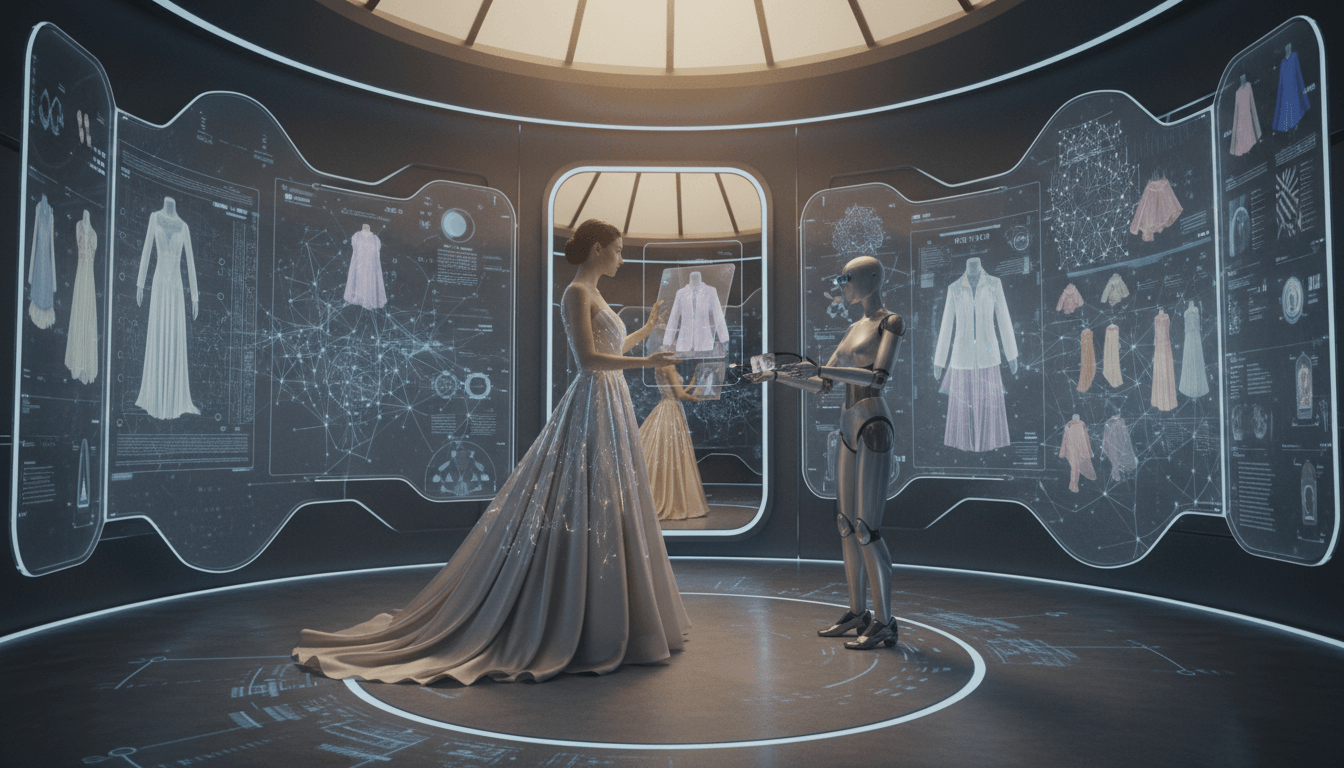
AI-Driven Personalization in Luxury Fashion: Revolutionizing High-End Retail Through Artificial Intelligence
Artificial intelligence is fundamentally transforming luxury fashion by creating hyper-personalized experiences that anticipate customer needs. Advanced AI systems analyze millions of data points from global trends to individual preferences, enabling brands to develop tailored collections and intelligent shopping assistants. According to the Glance AI Fashion Technology Report 2025, 73% of fashion executives now prioritize generative AI for business operations, signaling a major industry shift toward data-driven personalization that enhances customer engagement and product development.

The Smart Clothing and E-Textiles Revolution: Redefining Luxury Fashion Through Technology
The smart clothing and e-textiles market is projected to surpass $5.5 billion by 2025, transforming luxury fashion through temperature-regulating fabrics, augmented reality capabilities, and interactive designs. Leading brands like Levi's and Google are pioneering collaborations that merge fashion with functional innovation, creating garments that monitor health metrics, adapt to environmental conditions, and deliver personalized user experiences. These advancements represent a fundamental shift in how luxury consumers interact with their clothing, offering unprecedented levels of comfort, functionality, and technological integration.