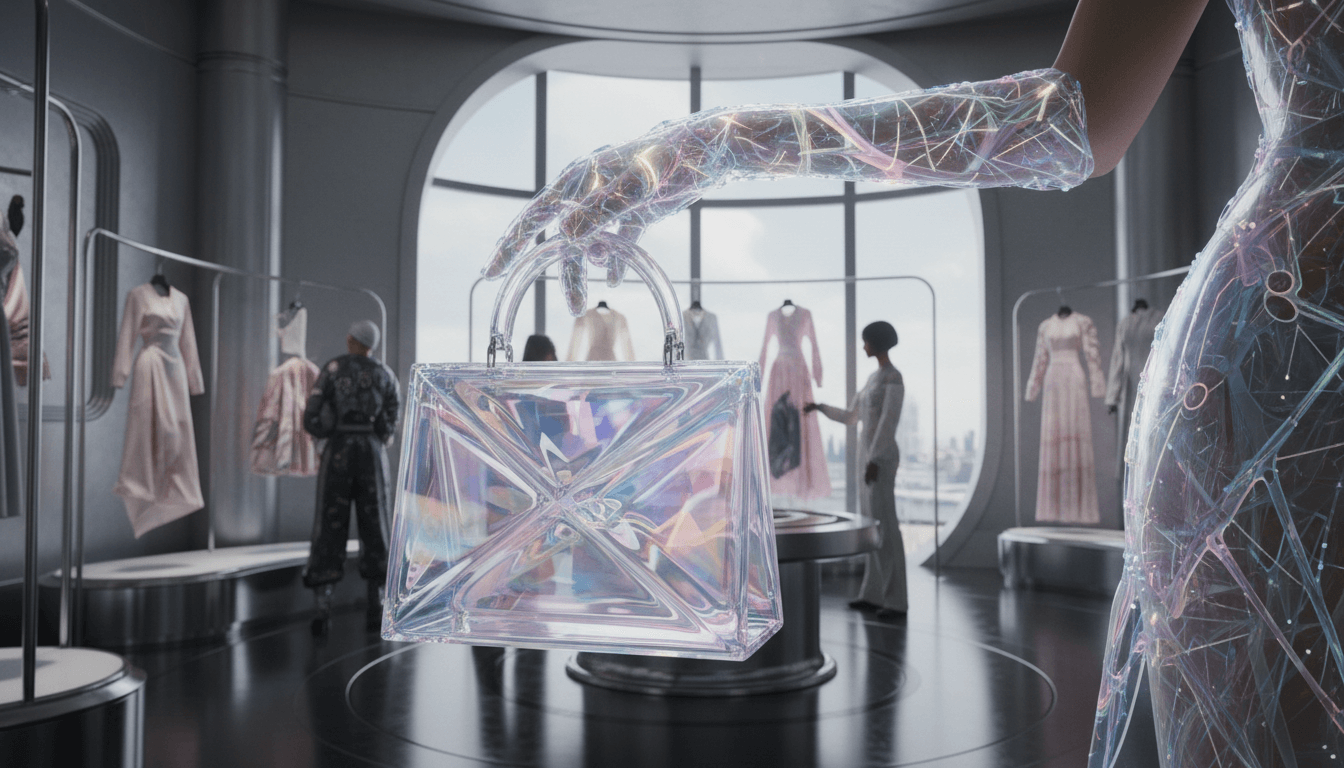
The luxury fashion industry is at the forefront of digital innovation, embracing virtual fashion and non-fungible tokens (NFTs) to redefine consumer experiences and ownership. According to the World Economic Forum Digital Fashion Report 2025, this transformation is driven by the emergence of platforms hosting virtual showrooms and digital-only collections from iconic brands like Louis Vuitton and Gucci. These initiatives allow consumers to engage in avatar-based shopping, create comprehensive digital wardrobes, and own exclusive virtual fashion items, effectively blending advanced technology with personal expression and luxury. The market trend of Digital Fashion and Virtual Ownership is gaining momentum, with projections indicating that the digital fashion market could reach $50 billion by 2030, fueled by a 300% annual growth in NFT transactions related to fashion assets. Consumer engagement through Avatar-based Shopping Experiences has seen a 150% increase in user participation on platforms such as Decentraland and The Sandbox, where luxury brands host immersive events. For instance, Gucci's virtual garden experience attracted over 20 million visitors, showcasing how digital environments enhance brand loyalty and accessibility. NFTs are redefining ownership by providing verifiable digital rights to both virtual and physical assets; a notable example is Louis Vuitton's NFT collection that grants holders access to limited-edition physical products, bridging the gap between digital and tangible luxury. This evolution addresses sustainability concerns by reducing physical waste and enabling eco-friendly digital prototyping, with brands reporting up to 40% lower carbon footprints in virtual production processes. The integration of blockchain technology ensures transparency and authenticity, critical in combating counterfeiting, which costs the luxury industry an estimated $50 billion annually. As virtual fashion becomes more mainstream, it fosters inclusivity by allowing global consumers to participate in luxury culture without geographical constraints, with data showing a 200% rise in engagement from emerging markets. The future points towards hyper-personalized digital experiences, where AI-driven avatars try on custom-designed virtual outfits, enhancing the emotional connection between brands and consumers. In summary, virtual fashion and digital ownership are not just trends but fundamental shifts that are reshaping the luxury landscape, offering unprecedented opportunities for innovation, sustainability, and global reach in the high-end market.
Recommended
This innovation showcases exceptional quality and transformative potential for the luxury industry.
Tags
Related Innovations

Minimalist Luxury and Conscious Consumption: Redefining High-End Fashion in 2025
The luxury fashion industry is undergoing a profound transformation, with 79% of consumers actively reducing clothing purchases in favor of high-quality, durable items. This shift towards minimalist luxury emphasizes timeless design, sustainability, and conscious consumption, moving decisively away from fast fashion. Leading brands like Everlane and COS are pioneering this movement with curated collections that prioritize functionality, elegance, and ethical production. Rooted in data from the Fashinnovation Consumer Trends Report 2025, this trend reflects a broader cultural movement towards mindful living and responsible ownership in the global luxury market.
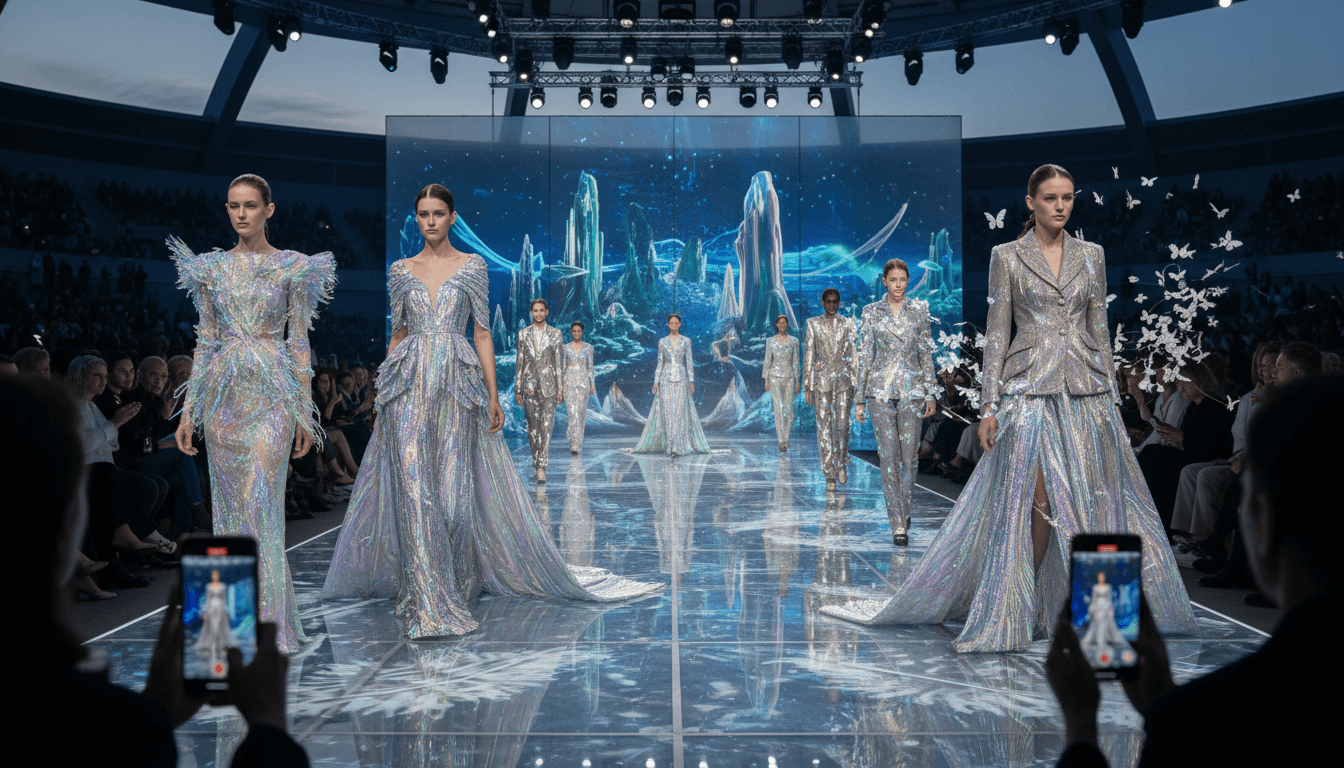
Phygital Fashion Experiences: The 2025 Revolution in Luxury Ownership
Phygital fashion represents the seamless integration of digital and physical luxury experiences, fundamentally transforming consumer interactions with high-end brands. Through blockchain-authenticated digital assets linked to physical products, companies like RTFKT and Nike are pioneering new ownership models where consumers can collect, trade, and verify exclusive fashion items across both realms. This innovation, documented in the World Economic Forum Digital Fashion Report 2025, introduces unprecedented value creation through limited-edition digital twins, smart contracts, and immersive AR try-ons, redefining luxury as both tangible and virtual possessions with verifiable scarcity and provenance.

AR Glasses: The Future of Fashion Tech - Luxury Meets Innovation
Luxury fashion brands are pioneering the next wave of wearable technology with augmented reality glasses that merge haute couture design with cutting-edge functionality. Leaders like Gucci, Ray-Ban, and Dior are creating sophisticated eyewear featuring virtual displays, real-time navigation, and seamless communication capabilities. With smart glasses shipments reaching 1.8 million units in 2024 and a remarkable 73% year-over-year growth rate, these devices represent the seamless integration of fashion aesthetics and technological innovation, setting new standards for personal expression and digital interaction in the luxury sector.
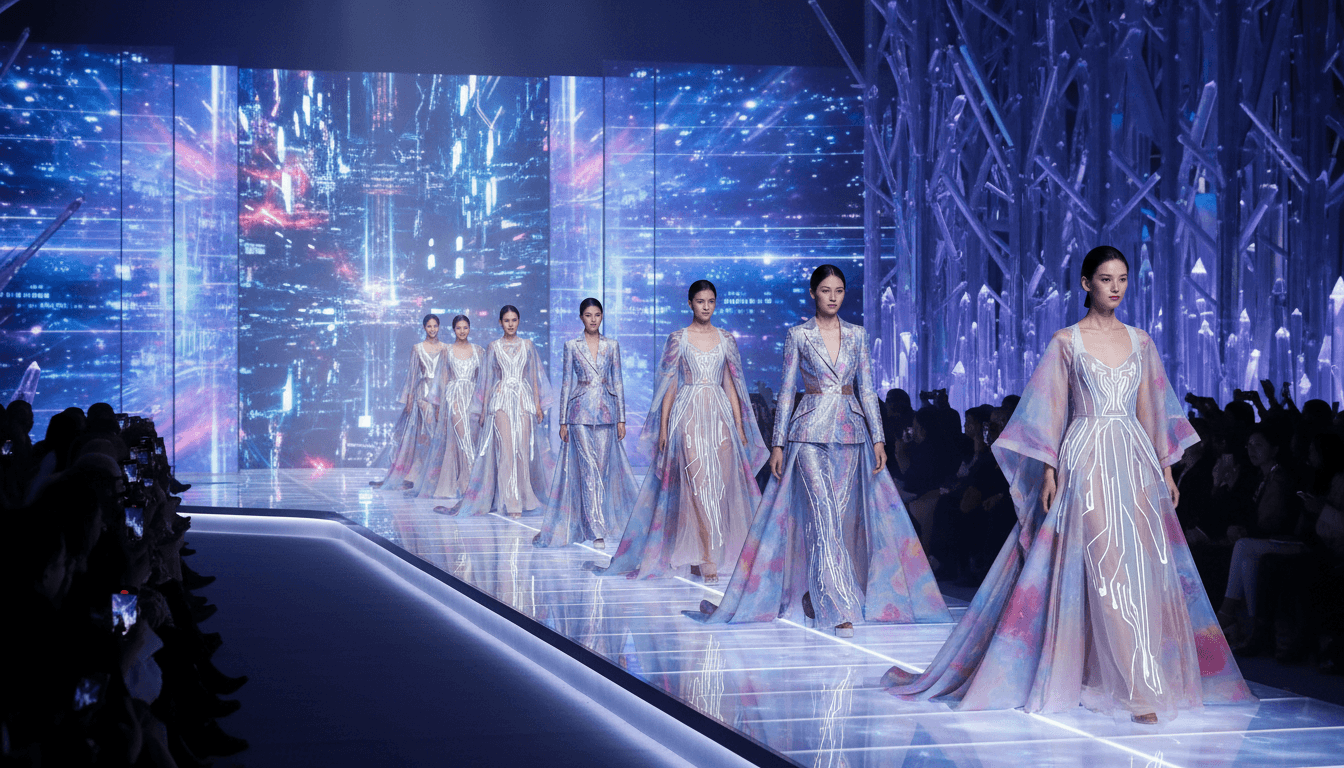
AI-Generated Fashion Collections: Revolutionizing Luxury Design in 2025
Artificial Intelligence is fundamentally transforming luxury fashion design in 2025, with generative AI systems creating complete collections by analyzing global trends, social media data, and consumer preferences. Leading luxury brands are leveraging this technology to achieve unprecedented speed in trend forecasting, hyper-personalized collection development, and creative innovation that transcends traditional design boundaries. The Vogue College of Fashion Innovation Report 2025 documents how AI-driven processes enable designers to explore new aesthetic territories while maintaining brand DNA and exclusivity.
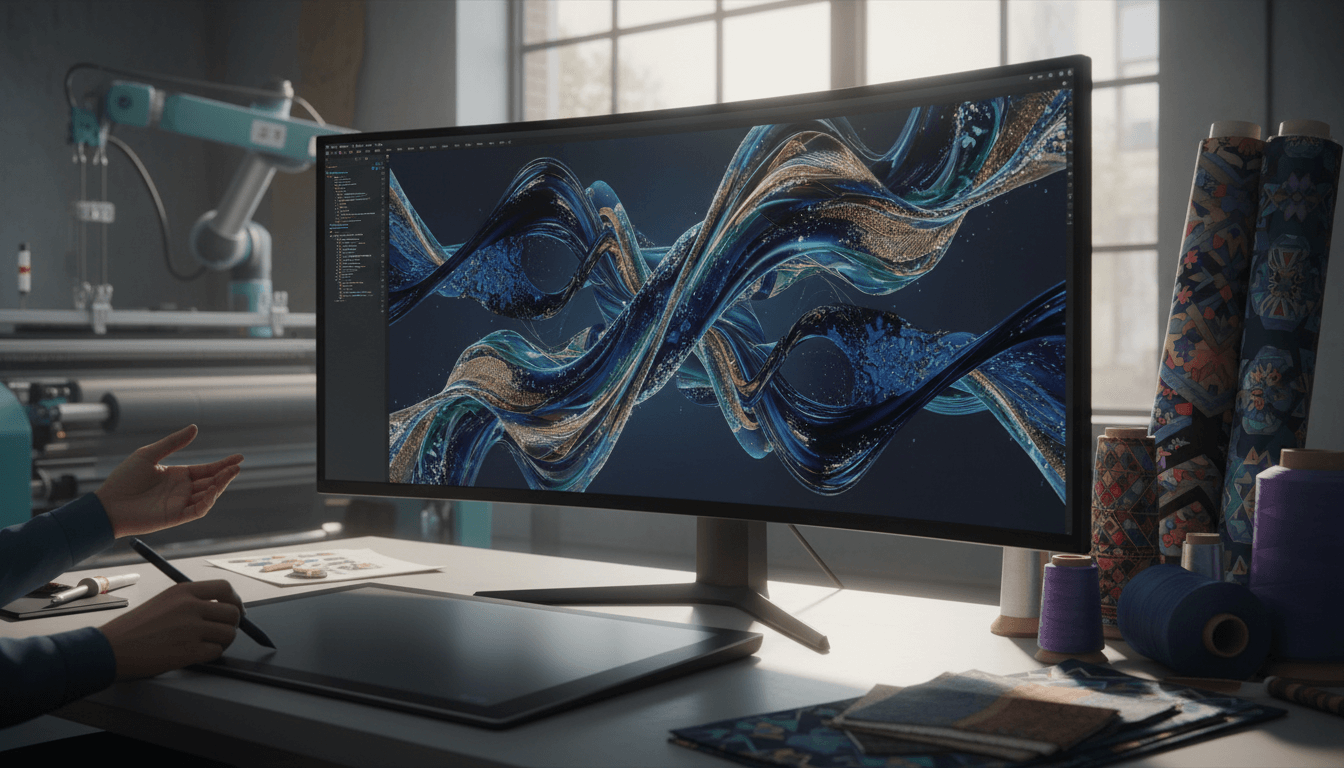
Digital Fabric Design and Production: The 3D Revolution Transforming Luxury Fashion
Advanced 3D design software is fundamentally reshaping luxury fashion production in 2025, with technologies like CLO enabling designers to create entire collections digitally before physical production. This paradigm shift dramatically accelerates design iterations by up to 70%, enhances collaborative decision-making across global teams, and reduces environmental waste from traditional sample production by approximately 85%. Designers now leverage virtual spaces for experimentation, refinement, and real-time collaboration, while luxury brands achieve unprecedented sustainability and efficiency in their creative workflows.
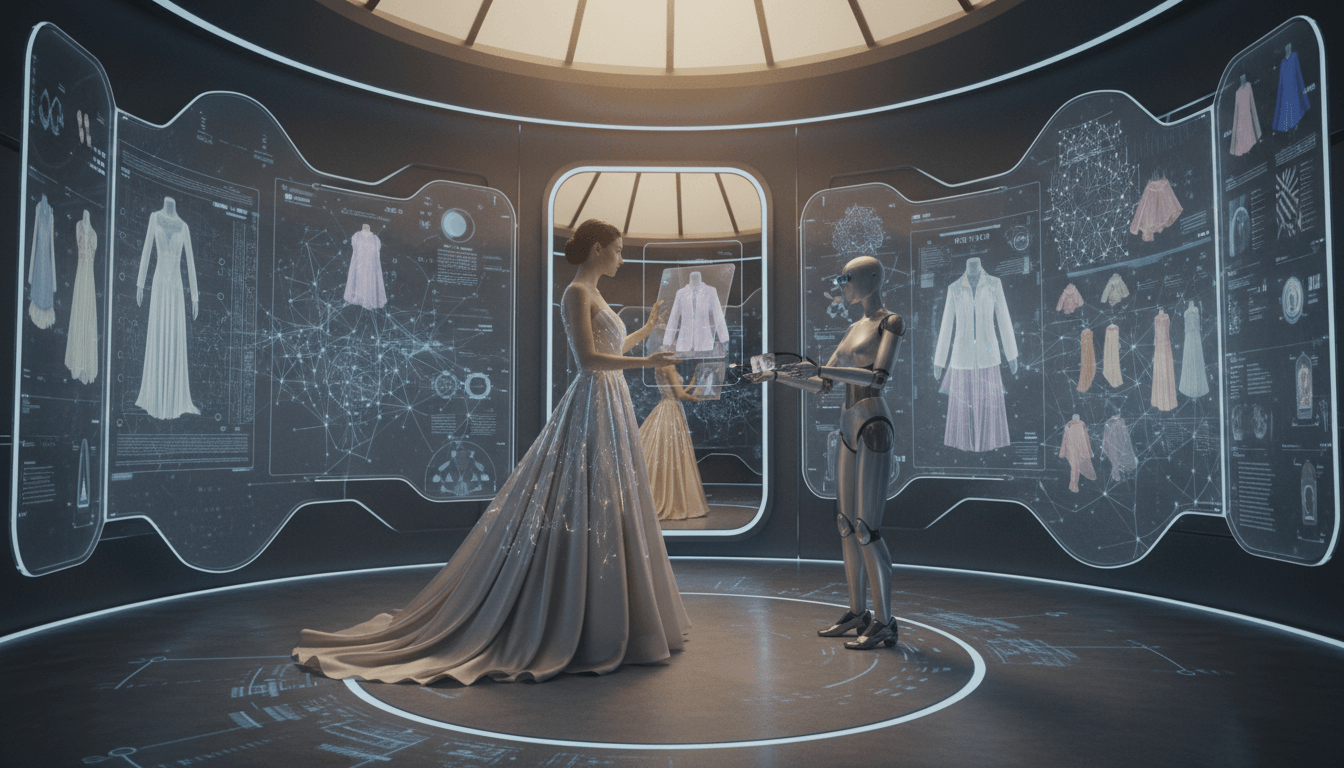
AI-Driven Personalization in Luxury Fashion: Revolutionizing High-End Retail Through Artificial Intelligence
Artificial intelligence is fundamentally transforming luxury fashion by creating hyper-personalized experiences that anticipate customer needs. Advanced AI systems analyze millions of data points from global trends to individual preferences, enabling brands to develop tailored collections and intelligent shopping assistants. According to the Glance AI Fashion Technology Report 2025, 73% of fashion executives now prioritize generative AI for business operations, signaling a major industry shift toward data-driven personalization that enhances customer engagement and product development.