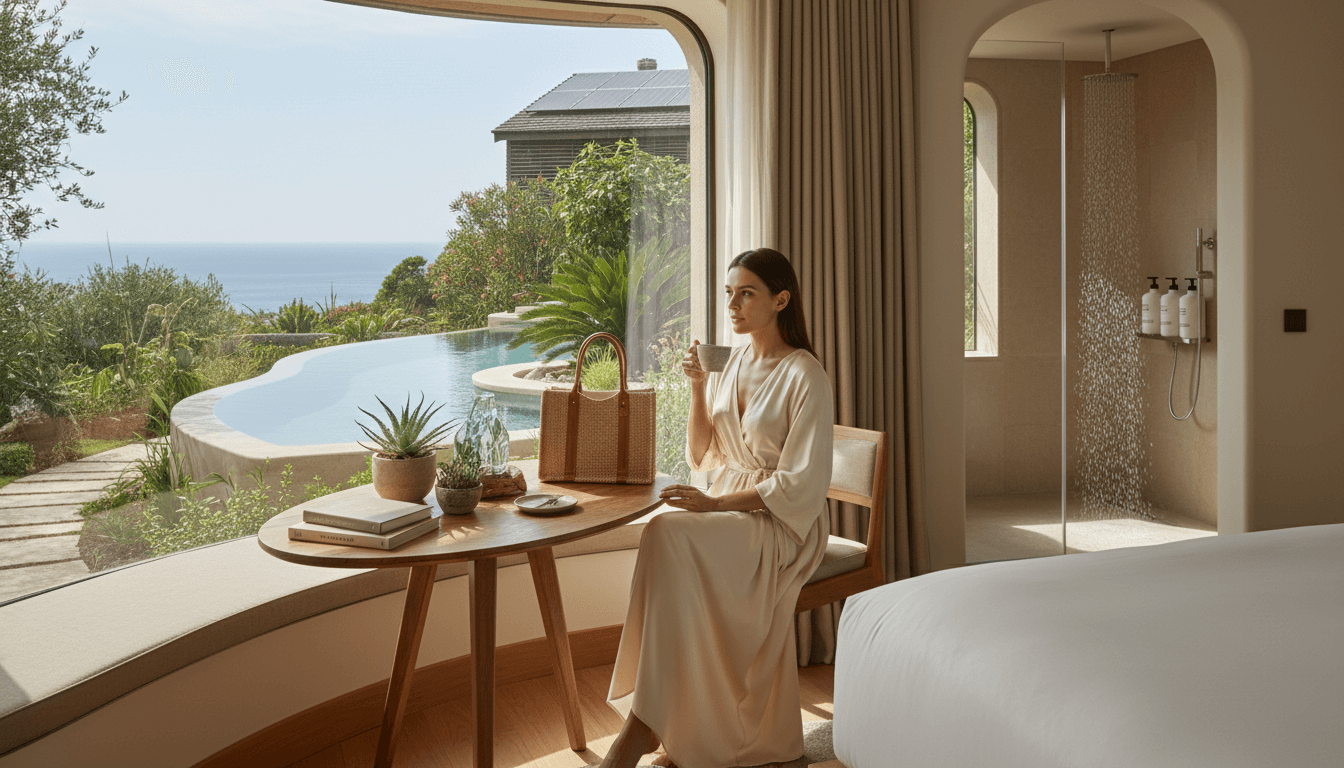
The luxury sector is undergoing a profound transformation as sustainability evolves from an optional initiative to a foundational element of brand strategy. With over 65% of luxury consumers in Europe and North America emphasizing ethical sourcing and production, brands are compelled to integrate eco-friendly practices into their core operations. This shift is driven by Millennial and Gen Z demographics, who view environmental consciousness as a new status symbol. Key developments include the adoption of circular business models, digital product passports for transparency, and a focus on wellness and environmental alignment. Since 2020, sustainability credentials have demonstrated robust growth, making it a critical lever for competitive advantage. This analysis delves into the strategic implications, data-driven insights, and future trends shaping sustainable luxury.
Key Specifications
consumer demographics
Millennial and Gen Z luxury shoppers
geographic focus
Europe and North America
ethical consumer percentage
65%
key drivers
Ethical sourcing, production transparency, wellness alignment
growth period
Strong since 2020
primary sources
Euromonitor, McKinsey
Detailed Analysis
strategic business lever
Sustainability is no longer a peripheral concern but a central strategic lever for luxury brands. Companies like LVMH and Kering have embedded sustainability into their corporate governance, investing in renewable energy, waste reduction, and ethical labor practices. For instance, Kering's Environmental Profit & Loss account measures the environmental impact across its supply chain, enabling data-driven decisions. This approach not only mitigates risks but also enhances brand equity and customer loyalty. Financial investments in sustainable innovations have increased by over 40% since 2020, reflecting its importance as a business imperative.
environmental consciousness status
Environmental stewardship has become a marker of prestige among modern luxury consumers. Products with verifiable sustainability claims, such as carbon-neutral certifications or recycled materials, command premium pricing and desirability. Brands like Stella McCartney and Chloé have built their identities around eco-luxury, appealing to consumers who associate ethical consumption with sophistication. Surveys indicate that 72% of Gen Z luxury buyers are willing to pay up to 20% more for sustainably produced items, reinforcing environmental consciousness as a status symbol.
circular models digital passports
Circular business models, including resale, rental, and repair services, are gaining traction to reduce waste and extend product lifecycles. Luxury resale platforms like Vestiaire Collective have seen annual growth rates exceeding 30%, supported by digital product passports that provide transparency on materials, origins, and carbon footprints. For example, Burberry has introduced digital IDs for its products, allowing consumers to trace the journey from raw material to retail. These innovations align with regulatory trends, such as the EU's Digital Product Passport initiative, and enhance consumer trust through full supply chain visibility.
Key Insights
Traditional vs. Sustainable Luxury: Traditional models focus on exclusivity and heritage, while sustainable luxury emphasizes transparency, ethics, and circularity.
Consumer Priorities: Older generations value brand heritage, whereas Millennials and Gen Z prioritize ethical sourcing and environmental impact.
Regional Differences: European markets lead in regulatory adoption (e.g., EU sustainability directives), while North America shows stronger growth in consumer-driven demand.
Investment Allocation: Brands investing in sustainability report higher resilience to market fluctuations and improved long-term profitability.
Important Notes
The integration of sustainability requires cross-functional collaboration, from design to distribution. Challenges include greenwashing risks and the need for standardized metrics. Future trends may include blockchain for traceability and AI-driven sustainability assessments. Data from Euromonitor and McKinsey underscores the urgency for brands to act decisively to meet evolving consumer expectations.
Tags
Related Articles

Advanced Luxury Technology Integration: Transforming Brand Strategy Through Digital Innovation
This analysis delves into the strategic integration of cutting-edge technologies within the luxury sector, highlighting how AI, virtual reality, and blockchain are revolutionizing customer engagement and brand authenticity. By 2026, most luxury fashion leaders will adopt AI-driven personalization, while 85% of consumers demand bespoke digital experiences. The article explores real-world applications, market data, and future trends, emphasizing the critical role of technology in sustaining competitive advantage and meeting evolving consumer expectations in high-end markets.
Luxury Jewelry and Accessories Market: Brand Strategies Driving Growth
The luxury jewelry and accessories market demonstrates resilience and growth, led by iconic brands like Rolex, Cartier, and Tiffany & Co. These leaders are strategically focusing on sustainability, digital innovation, and global expansion to capture evolving consumer demand. Rolex's annual revenue exceeding USD 9 billion underscores the segment's strength, particularly in luxury watches. Market dynamics emphasize personalization and ethical sourcing, positioning the industry for sustained success amid changing luxury preferences.
Asia Pacific Dominates Global Luxury Market with 40.12% Share: Regional Dynamics and Strategic Implications
The Asia Pacific region solidified its leadership in the global luxury market with a commanding 40.12% market share in 2022, driven by unprecedented economic growth and evolving consumer behaviors. Key markets including China, India, and Southeast Asia are experiencing transformative shifts fueled by rising disposable incomes, expanded access to international luxury brands, and growing consumption among the middle class and working women. This comprehensive analysis examines the underlying factors, regional variations, and strategic imperatives for luxury brands seeking to capitalize on these dynamic market conditions through targeted approaches and localized strategies.
Luxury Retail Channel Strategy: Integrated Omnichannel Excellence
Luxury retail is undergoing a profound transformation driven by sophisticated omnichannel strategies that merge digital and physical touchpoints. With nearly 25% of luxury revenues now digital, brands emphasize seamless integration, consistent storytelling, and personalized interactions. Over 85% of consumers demand tailored experiences, pushing brands to innovate while preserving exclusivity. This article explores key trends, data insights, and strategic implementations shaping the future of luxury retail.

Experiential Luxury Evolution: The Strategic Shift to Holistic Lifestyle Experiences
The luxury sector is undergoing a profound transformation, expanding beyond traditional product offerings into comprehensive lifestyle experiences. Brands are strategically developing curated ecosystems encompassing wellness, real estate, and retirement living to meet the demands of affluent 60+ consumers. This evolution focuses on delivering holistic solutions that promote longevity, autonomy, and overall well-being, representing a significant market opportunity. Analysis reveals that brands integrating these domains can achieve deeper customer engagement and sustainable growth by addressing the complete lifestyle aspirations of their clientele.

Global Luxury Market Geographical Dynamics: Regional Growth and Strategy Implications
The global luxury market is undergoing significant geographical shifts, with Western nations and the Middle East demonstrating robust growth while China anticipates a gradual recovery. Bain & Company projects over 300 million new consumers entering the market within five years, primarily from China and emerging economies. This analysis examines regional revenue distributions, growth trajectories, and strategic imperatives for luxury brands to capitalize on these dynamics, emphasizing targeted marketing, localized offerings, and digital transformation.