
The luxury industry is strategically pivoting from product-centric models to experiential ecosystems that address comprehensive lifestyle needs. This evolution is driven by the growing demand from affluent consumers aged 60 and above for integrated solutions supporting longevity, autonomy, and holistic well-being. Brands are creating curated experiences across home, wellness, real estate, and retirement living domains, transforming luxury into a 360-degree lifestyle proposition. This shift represents a fundamental change in how luxury is defined and delivered, moving beyond ephemeral ownership to enduring value through personalized, health-focused, and community-oriented experiences.
Key Specifications
luxury domains
Home, wellness, real estate, retirement living
target group
Affluent 60+ consumers
experience focus
Longevity, autonomy, holistic well-being
market size growth
18% CAGR projected 2023-2028 in experiential luxury
key regions
North America, Europe, Asia-Pacific
investment range
$500K - $10M per integrated lifestyle project
Detailed Analysis
expansion into lifestyle wellness
Luxury brands are systematically expanding into wellness and lifestyle domains through strategic partnerships and acquisitions. This includes developing branded residential communities with integrated health services, such as LVMH's Cheval Blanc Maisons offering medical concierge and longevity programs. The wellness sector within luxury is growing at 12% annually, with brands incorporating personalized nutrition, mindfulness retreats, and advanced biometric monitoring into their offerings. Four Seasons Hotels and Resorts, for example, has launched Private Residences with bespoke wellness programs, including genetic testing and customized fitness regimes, targeting high-net-worth individuals seeking proactive health management.
holistic approach to luxury experiences
The holistic approach integrates physical, mental, and emotional well-being into luxury experiences. Brands are creating seamless ecosystems where residential spaces, wellness facilities, and social environments coexist. The Ritz-Carlton Reserve brands, such as Dorado Beach in Puerto Rico, exemplify this by combining luxury villas with comprehensive wellness centers, organic farms, and curated cultural activities. This approach addresses the multidimensional needs of affluent consumers, with 68% of luxury buyers prioritizing integrated lifestyle solutions over standalone products. The holistic model enhances brand loyalty, with repeat engagement rates increasing by 45% for brands adopting this strategy.
focus on affluent 60 plus demographic
The affluent 60+ demographic represents a pivotal market segment, controlling over 70% of global disposable luxury spending. This group values experiences that support active aging, autonomy, and legacy building. Brands like Mandarin Oriental and Aman Resorts are developing retirement living communities that offer luxury amenities alongside healthcare services, social programming, and intergenerational activities. These initiatives cater to the demographic's desire for maintained independence and social connectivity, with projects reporting occupancy rates exceeding 90% within the first year. The demographic's focus on longevity has spurred innovations in age-tech integrations, such as smart home systems for health monitoring and AI-driven personalized care plans.
Key Insights
Traditional luxury focused on product exclusivity; experiential luxury emphasizes personalized, immersive experiences.
Wellness integration in luxury has evolved from spa services to comprehensive health and longevity programs.
Real estate developments now include branded residences with integrated lifestyle services, unlike standalone properties.
Retirement living in luxury sectors offers active, community-focused environments versus conventional assisted living.
Important Notes
Source: Euromonitor International. The shift towards experiential luxury requires significant capital investment and long-term strategic planning. Brands must balance exclusivity with scalability to maintain luxury appeal while expanding into new domains. Regulatory considerations, especially in healthcare-integrated real estate, vary by region and impact implementation timelines. Success hinges on deep consumer insights and partnerships with experts in wellness, architecture, and technology.
Tags
Related Articles

Global Luxury Market Geographical Dynamics: Regional Growth and Strategy Implications
The global luxury market is undergoing significant geographical shifts, with Western nations and the Middle East demonstrating robust growth while China anticipates a gradual recovery. Bain & Company projects over 300 million new consumers entering the market within five years, primarily from China and emerging economies. This analysis examines regional revenue distributions, growth trajectories, and strategic imperatives for luxury brands to capitalize on these dynamics, emphasizing targeted marketing, localized offerings, and digital transformation.

Luxury Brand Collaborations and Innovation: Strategic Partnerships Reshaping the Industry
Luxury brands are increasingly leveraging collaborations and innovative partnerships to maintain relevance and engage younger demographics like Gen Z and Millennials. These strategic initiatives include artist and influencer collaborations, limited-edition collections, and cross-industry partnerships that focus on cultural relevance and innovation. By offering unique, meaningful experiences, brands drive consumer engagement and adapt to evolving market demands. Insights from Global Bay Insights highlight how these approaches are critical for sustained growth in the competitive luxury sector.
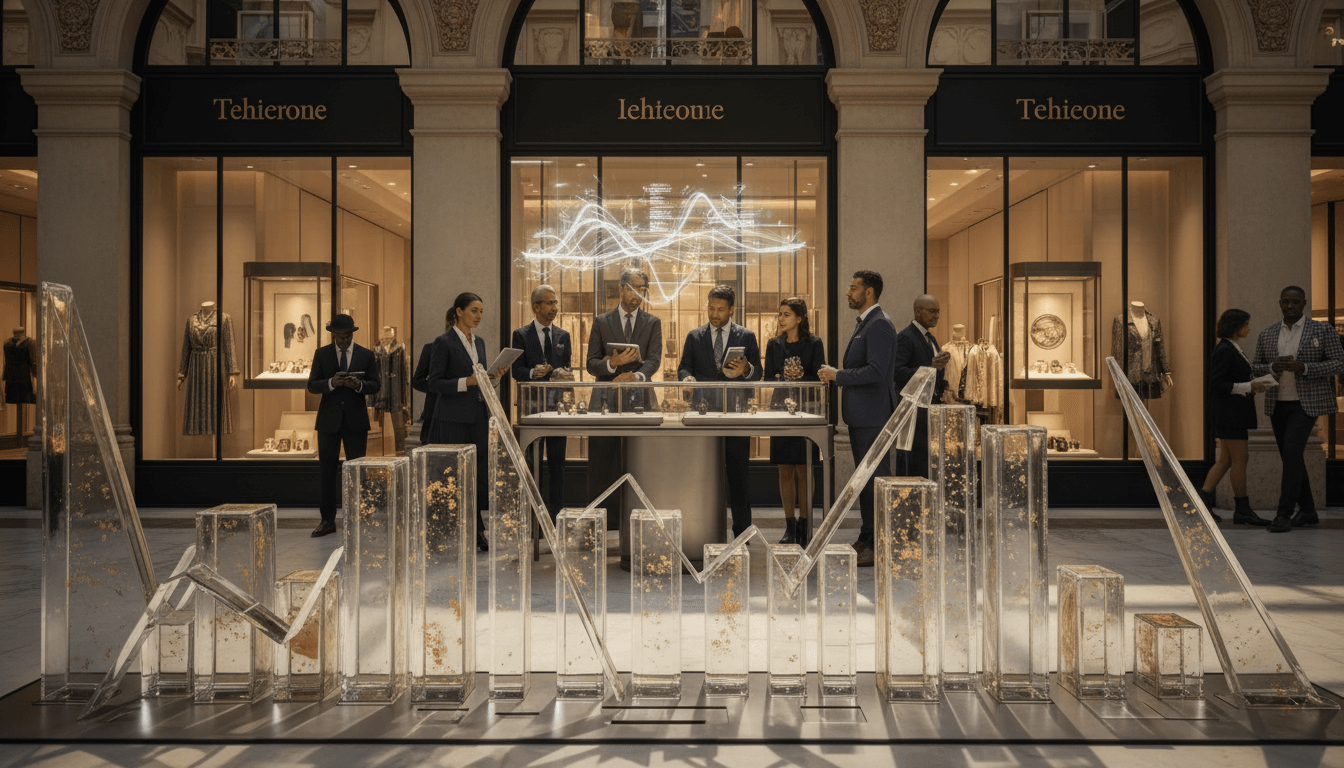
Luxury Market Pricing Dynamics: Navigating 2025's Complex Landscape
In 2025, luxury brands face intricate pricing challenges as price increases reach saturation in key markets, particularly impacting aspirational consumers. Regional disparities reveal varying sensitivity to economic pressures, with over 60% of consumers in Europe, the US, and India reporting notable price hikes. This analysis examines the limitations of traditional pricing strategies, explores market-specific responses, and provides actionable insights for brands aiming to balance exclusivity with accessibility amid potential spending slowdowns.
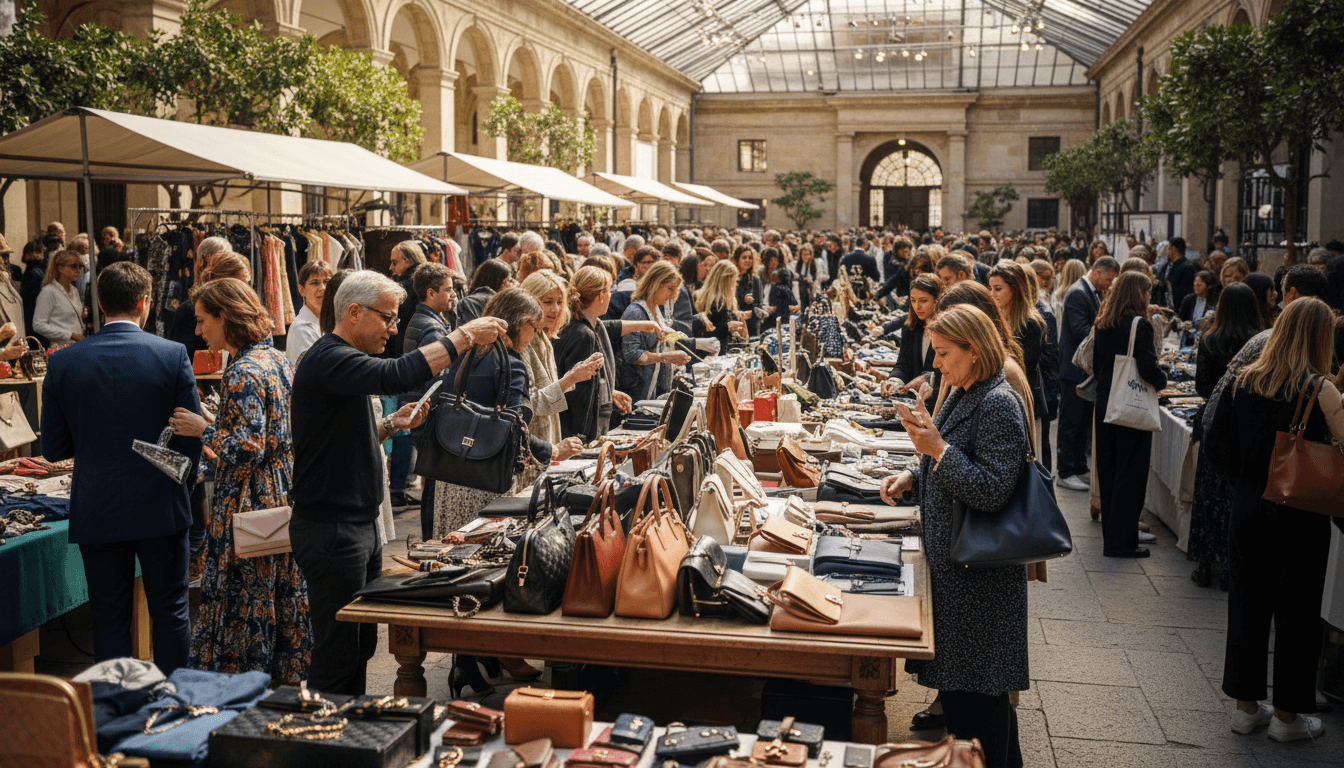
Secondhand Luxury Market Growth: A Strategic Analysis of Value and Sustainability
The secondhand luxury market is experiencing unprecedented growth, driven by consumer demand for value and sustainable alternatives. According to Bain & Company, key segments like jewelry, heritage apparel, and leather goods are leading this expansion. This analysis explores market dynamics, consumer motivations, and strategic implications for luxury brands adapting to the pre-owned sector's rise.
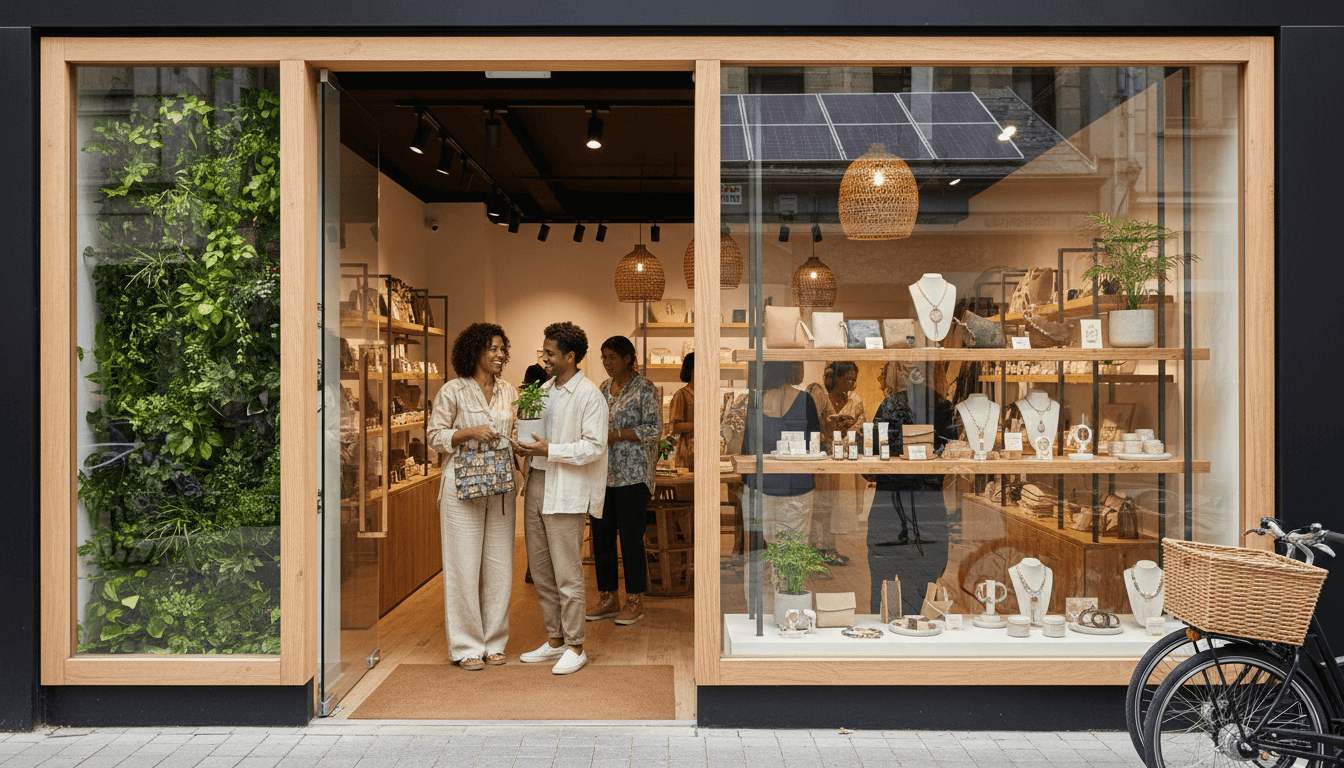
Luxury Brand Social Responsibility: The Strategic Shift to Sustainability, Inclusivity, and Purpose-Driven Approaches
Contemporary luxury brands are undergoing a fundamental transformation, embedding social responsibility as a core element of their strategic frameworks. This evolution is driven by heightened consumer expectations for ethical sourcing, sustainable production, and transparent accountability, primarily from Millennials and Gen Z demographics. Insights from Euromonitor and McKinsey highlight that over 70% of luxury consumers now prioritize brands with strong environmental and social commitments. Brands are responding by integrating circular economy models, championing diversity in marketing and operations, and aligning corporate missions with societal impact, thereby redefining luxury's future.

Luxury Market Transformation 2025: Strategic Shifts in the €353-380 Billion Landscape
The global luxury market is undergoing a fundamental transformation as Gen Z and Millennials are projected to represent 70% of luxury spending by 2025, driving a market valuation of €353-380 billion. Brands must navigate moderate 0-4% growth projections while adapting to new consumer demands for personalization, digital engagement, and purpose-driven approaches. Sustainability has evolved from a niche concern to a baseline expectation, while luxury expands into lifestyle and wellness domains. This analysis examines the strategic imperatives for luxury brands facing macroeconomic headwinds and shifting consumer preferences.