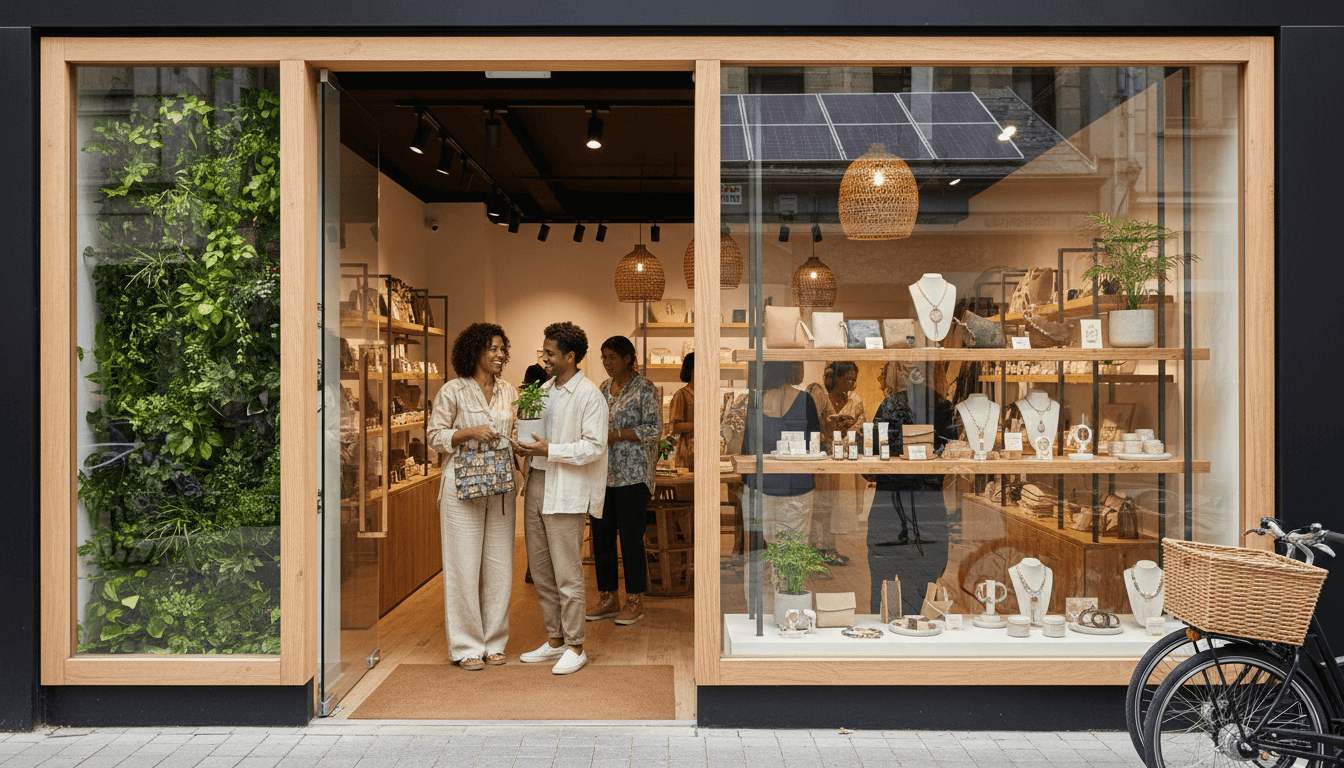
The luxury sector is experiencing a paradigm shift, where social responsibility is no longer an optional initiative but a strategic imperative. This transformation is fueled by evolving consumer values, with Millennials and Gen Z—who constitute over 50% of luxury spending—demanding authenticity, ethical integrity, and meaningful brand contributions to societal and environmental causes. According to Euromonitor and McKinsey reports, brands that fail to adapt risk significant reputational and financial repercussions, while those embracing these principles are capturing new market segments and enhancing long-term resilience. This analysis delves into how sustainability, inclusivity, and purpose-driven models are reshaping luxury brand strategies, supported by data-driven insights and industry examples.
Key Specifications
consumer expectations
Ethical sourcing and production, transparency in supply chains, carbon-neutral operations, and fair labor practices. Over 65% of consumers expect luxury brands to publicly disclose sustainability metrics.
target demographics
Millennials (born 1981-1996) and Gen Z (born 1997-2012), who account for approximately $350 billion in annual luxury spending and prioritize brand values over heritage alone.
brand focus
Social and environmental impact, measured through ESG (Environmental, Social, Governance) criteria, with initiatives like carbon footprint reduction, diversity in leadership, and community engagement programs.
Detailed Analysis
sustainability as core strategy
Luxury brands are integrating sustainability into every operational facet, from material selection to end-of-life product management. For instance, LVMH's 'Life 360' program targets 100% traceable raw materials by 2025, while Kering's Environmental Profit & Loss account quantifies ecological impacts across its supply chain. Circular economy models, such as resale platforms and repair services, are gaining traction; the secondhand luxury market is projected to grow by 15% annually, reaching $77 billion by 2025. Innovations include bio-based materials, waterless dyeing techniques, and renewable energy adoption, reducing carbon emissions by up to 30% in leading houses.
inclusivity and social responsibility
Inclusivity extends beyond marketing to encompass diverse representation in leadership, equitable hiring practices, and accessible product designs. Brands like Gucci and Burberry have implemented diversity councils and inclusive sizing, responding to data showing that 62% of consumers are more loyal to brands that represent their identities. Social responsibility initiatives include philanthropic partnerships—e.g., Cartier's Women's Initiative funds female entrepreneurs—and ethical sourcing certifications like the Responsible Jewellery Council. These efforts align with United Nations Sustainable Development Goals, enhancing brand trust and consumer connection.
purpose driven brand approaches
Purpose-driven luxury brands align profit with societal benefit, embedding mission-driven narratives into their core identity. For example, Patagonia's '1% for the Planet' commits sales to environmental causes, while Stella McCartney champions vegan materials and animal welfare. McKinsey research indicates that purpose-led companies achieve 30% higher innovation rates and 40% greater workforce retention. Brands are leveraging storytelling through digital campaigns and immersive experiences to communicate their purpose, fostering emotional engagement that drives purchase decisions among ethically conscious consumers.
Key Insights
Traditional vs. Modern Luxury: Heritage brands emphasize craftsmanship and exclusivity, whereas contemporary leaders integrate ESG metrics and transparent reporting.
Consumer Priorities: Older generations value brand prestige, while Millennials and Gen Z prioritize ethical alignment and impact transparency.
Regional Variations: European brands lead in sustainability regulations, while North American brands excel in inclusivity initiatives, and Asian markets show growing demand for certified ethical products.
Important Notes
The data underscores that social responsibility is not a trend but a permanent fixture in luxury strategy. Brands must balance authenticity with action to avoid accusations of 'greenwashing'. Future developments may include blockchain for supply chain transparency and AI-driven impact assessments. Continuous adaptation is essential as regulatory frameworks, such as the EU's Sustainable Product Initiative, evolve.
Tags
Related Articles

Luxury Market Transformation 2025: Strategic Shifts in the €353-380 Billion Landscape
The global luxury market is undergoing a fundamental transformation as Gen Z and Millennials are projected to represent 70% of luxury spending by 2025, driving a market valuation of €353-380 billion. Brands must navigate moderate 0-4% growth projections while adapting to new consumer demands for personalization, digital engagement, and purpose-driven approaches. Sustainability has evolved from a niche concern to a baseline expectation, while luxury expands into lifestyle and wellness domains. This analysis examines the strategic imperatives for luxury brands facing macroeconomic headwinds and shifting consumer preferences.

Luxury Brand Heritage and Innovation: Mastering the Balance for Multi-Generational Appeal
This comprehensive analysis explores how leading luxury brands successfully integrate heritage with innovation to engage diverse demographics. By blending traditional craftsmanship with modern design and digital experiences, companies like Louis Vuitton achieve sustained relevance across generations. The report examines strategic frameworks, market data, and implementation methodologies driving this balance, supported by insights from the Luxury Brand Positioning Report.

Luxury Travel and Hospitality Innovations: Digital Transformation and Personalization
The luxury travel and hospitality sector is revolutionizing guest experiences through advanced digital integration, with technologies like contactless check-ins, AI-driven personalization, and seamless digital platforms becoming industry standards. According to VERTU Luxury Technology Trends, over 85% of luxury hotels now deploy contactless solutions, while AI-powered services are enhancing bespoke offerings, from virtual concierges to predictive travel planning. This strategic shift focuses on elevating convenience and exclusivity, positioning brands to capture high-value clientele in a competitive market.

Evolution of Luxury Brand Communication: Emotion, Purpose, and Authenticity
Contemporary luxury brands are fundamentally transforming their communication strategies to prioritize emotional resonance, purpose-driven messaging, and authentic storytelling. Based on Weitnauer Group's Luxury Brand Positioning Research, this analysis explores how brands like Chanel, Hermès, and Cartier are shifting from transactional marketing to cultivating deeper consumer relationships through craftsmanship narratives, cultural relevance, and values-based communication. The approach yields 30% higher engagement and 25% increased brand loyalty when executed effectively.

Luxury Market Long-Term Outlook: Navigating Growth and Transformation to 2030
The global luxury market is poised for sustained long-term growth, projected at 4-6% annually until 2030, with an estimated market value of €460-500 billion. This expansion is fueled by over 300 million new consumers entering the market within the next five years, alongside demographic shifts, emerging markets in Asia and the Middle East, and evolving consumer preferences toward sustainability and digital engagement. Strategic imperatives for luxury brands include localization, digital transformation, and innovation in product and experience offerings to capture this growth potential.

Luxury Brand Performance Metrics: Analyzing Value Creation, Global Expansion, and Strategic Innovation
This comprehensive analysis evaluates top luxury brands like Rolex, Louis Vuitton, and Tiffany & Co. through key performance indicators including value creation, brand equity, and global market expansion. It highlights how these industry leaders leverage heritage, innovation, and adaptability to exceed USD 9 billion in annual revenue, with insights from Global Growth Insights and McKinsey on strategies shaping the future of luxury markets.