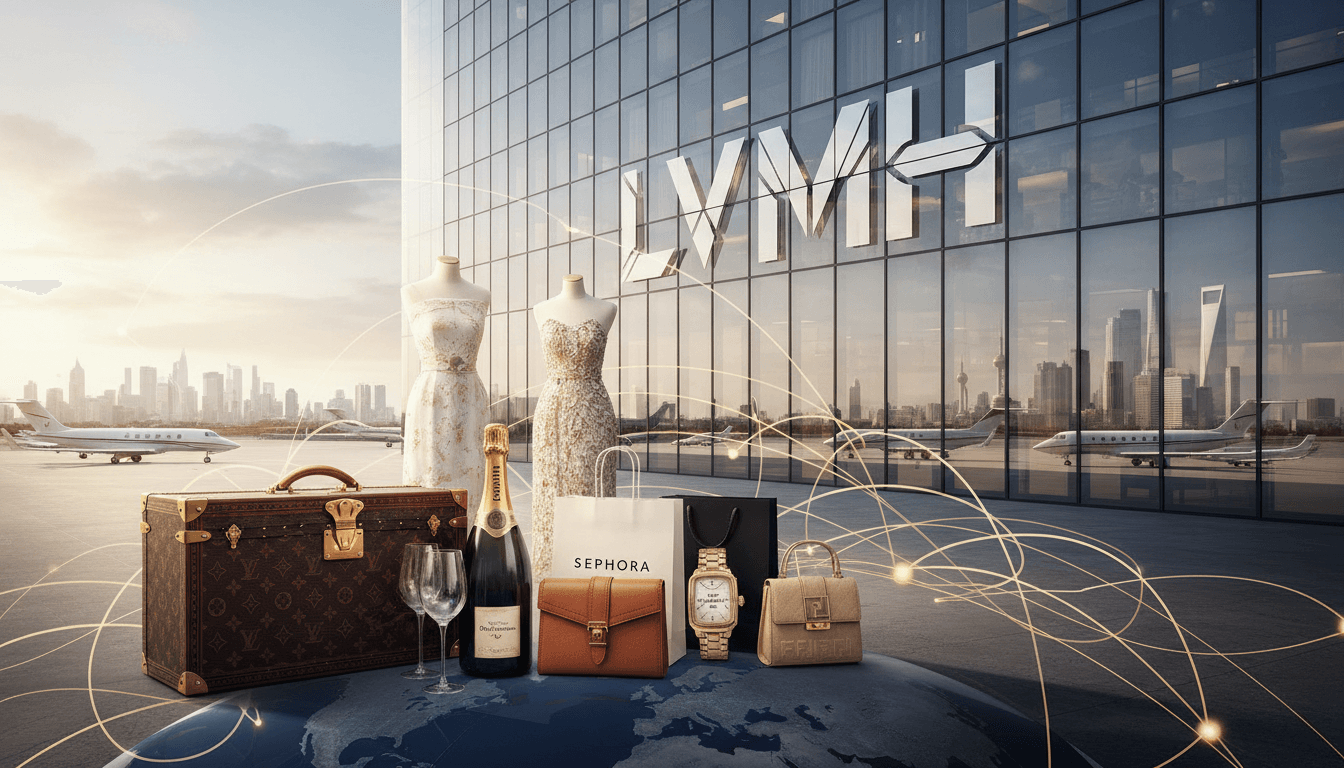
LVMH Moët Hennessy Louis Vuitton represents the pinnacle of luxury goods conglomerate success, establishing an unparalleled position in the global luxury market through strategic vision, operational excellence, and brand mastery. Founded in 1987 through the merger of Moët Hennessy and Louis Vuitton, the company has evolved into a sophisticated ecosystem of 75 prestigious houses, each maintaining distinct identities while benefiting from the group's extensive resources and expertise. The conglomerate's remarkable 86 billion euro revenue achievement in 2023 underscores its dominant market position and strategic effectiveness across diverse luxury segments including fashion, leather goods, watches, jewelry, wines, and spirits. LVMH's success stems from a carefully crafted strategy that balances heritage preservation with modern innovation, global expansion with local relevance, and exclusivity with commercial scalability.
Key Specifications
founded
1987
headquarters
Paris, France
chairman ceo
Bernard Arnault
revenue 2023
86 billion euros
employee count
Over 196,000 worldwide
global presence
80+ countries
brand portfolio
75 houses
market capitalization
Approximately 400 billion euros (as of 2024)
key shareholders
Arnault family (47% voting rights)
stock exchange
Euronext Paris
Detailed Analysis
brand portfolio strategy
LVMH's brand portfolio management represents a masterclass in strategic luxury brand stewardship. The conglomerate operates through six distinct business groups, each specializing in specific luxury categories: Fashion & Leather Goods, Wines & Spirits, Perfumes & Cosmetics, Watches & Jewelry, Selective Retailing, and Other Activities. Each brand within the portfolio maintains operational autonomy while benefiting from centralized resources in areas such as supply chain management, digital transformation, and sustainability initiatives. The strategic acquisition approach focuses on identifying heritage brands with strong potential for rejuvenation and global expansion, as demonstrated by the successful integration of Tiffany & Co. in 2021 for $15.8 billion, the largest luxury acquisition in history. LVMH's brand hierarchy strategy ensures that each house occupies a distinct market position, from ultra-luxury brands like Louis Vuitton and Dior to accessible luxury segments, creating a comprehensive luxury ecosystem that captures consumer spending across multiple price points and occasions.
revenue distribution
The Fashion & Leather Goods division remains LVMH's powerhouse, contributing approximately 49% of total revenue, driven primarily by Louis Vuitton and Christian Dior. Wines & Spirits accounts for 10% of revenue, led by iconic champagne houses Moët & Chandon, Dom Pérignon, and Hennessy cognac. Perfumes & Cosmetics generates 9% of revenue through brands like Parfums Christian Dior, Guerlain, and Benefit Cosmetics. Watches & Jewelry represents 9% of revenue, significantly bolstered by the Tiffany & Co. acquisition. Selective Retailing, including Sephora and DFS, contributes 20% of revenue. The remaining 3% comes from other activities including hospitality and media. Geographically, Asia (excluding Japan) represents the largest market at 36% of sales, followed by the United States (27%), Europe (18%), Japan (7%), and other markets (12%). This diversified revenue stream provides resilience against regional economic fluctuations and changing consumer preferences.
strategic acquisitions
LVMH's acquisition strategy demonstrates remarkable foresight and discipline, focusing on brands with strong heritage, global recognition potential, and margin expansion opportunities. The 2011 acquisition of Bulgari for $6.12 billion transformed LVMH's jewelry segment, while the 2017 purchase of Christian Dior Couture for $13.1 billion consolidated control over one of fashion's most iconic houses. More recent acquisitions include the 2021 purchase of Off-White™, signaling the group's commitment to capturing the streetwear-luxury convergence. Each acquisition undergoes meticulous integration, with LVMH providing resources for store expansion, product development, and marketing while preserving the acquired brand's creative DNA. The due diligence process emphasizes brand equity assessment, growth potential analysis, and cultural compatibility, ensuring that each new addition strengthens rather than dilutes the overall portfolio.
innovation digital transformation
LVMH has embraced digital transformation while maintaining luxury exclusivity, investing over €500 million annually in technology initiatives. The group launched the 'LVMH Data & AI' program to leverage artificial intelligence across supply chain optimization, customer personalization, and inventory management. Digital sales now represent approximately 15% of total revenue, with significant growth in omnichannel strategies that seamlessly blend physical and digital experiences. The La Maison des Startups initiative supports innovation by partnering with technology startups developing solutions for the luxury sector. Sustainability innovation includes the LIFE 360 program (LVMH Initiatives For the Environment) focusing on circular economy principles, biodiversity protection, and climate action, with targets to reduce CO2 emissions by 55% by 2030 and achieve 100% traceability for key raw materials.
competitive advantages
LVMH's sustained market leadership stems from multiple competitive advantages: unparalleled brand portfolio diversity providing revenue stability; vertical integration ensuring quality control from raw materials to retail; extensive global retail network of over 5,500 stores; superior marketing capabilities with annual advertising spend exceeding €6 billion; supply chain excellence with owned manufacturing facilities for critical components; talent development through initiatives like the Institut des Métiers d'Excellence; and financial strength enabling strategic investments during economic downturns. The conglomerate's scale provides negotiating power with suppliers, landlords, and media partners, while its decentralized structure allows individual brands to maintain creative authenticity and responsiveness to market trends.
Key Insights
Largest luxury goods conglomerate by revenue and market capitalization
Most diversified luxury brand portfolio across product categories
Highest investment in digital transformation among luxury peers
Strongest global retail presence with strategic location ownership
Most aggressive acquisition strategy with largest deal volume
Superior profit margins through vertical integration
Leading sustainability initiatives with measurable targets
Most comprehensive talent development programs in luxury sector
Important Notes
LVMH's success demonstrates the effectiveness of the 'star brands' strategy, where multiple brands operate as individual stars rather than subordinate to a corporate identity. The group's approach to brand autonomy while leveraging shared resources represents a model that competitors have struggled to replicate. Future challenges include navigating geopolitical tensions, addressing generational shifts in luxury consumption, and maintaining brand exclusivity while pursuing growth. The recent emphasis on experiential retail and metaverse initiatives indicates the group's commitment to remaining at the forefront of luxury innovation. LVMH's ability to balance tradition with innovation, exclusivity with accessibility, and creativity with commercial discipline continues to set the standard for luxury conglomerate management worldwide.
Tags
Related Articles

Navigating Luxury Market Challenges: Strategic Adaptations for a New Era
The luxury market confronts significant challenges including heightened price sensitivity, market saturation, and evolving consumer demands for inclusivity and sustainability. Brands are pivoting towards creative innovation and strategic inclusivity to uphold exclusivity while expanding appeal. This analysis delves into actionable strategies, leveraging insights from Bain & Company, to balance tradition with transformation in the high-end sector.

Prada Smart Sneakers: Integrating Health Tracking Technology in Luxury Footwear
Prada's entry into the smart sneaker market with embedded health tracking chips marks a strategic pivot towards technology-enhanced luxury. This innovation combines high-fashion design with advanced functionality, targeting health-conscious, affluent consumers. By merging real-time biometric monitoring with premium materials, Prada positions itself at the forefront of the wearable tech revolution in luxury fashion, demonstrating a commitment to evolving consumer demands for style, performance, and personal data insights.

Tiffany & Co.: Advancing Sustainable Jewelry Strategy Through Blockchain Authentication
Tiffany & Co. is pioneering sustainable luxury with blockchain-backed authentication, ensuring full supply chain transparency. This strategy integrates ethical sourcing, technological innovation, and market leadership in luxury jewelry, reinforcing consumer trust and competitive differentiation. By leveraging blockchain, Tiffany verifies diamond origins and material sustainability, aligning with global ESG standards while enhancing brand value.
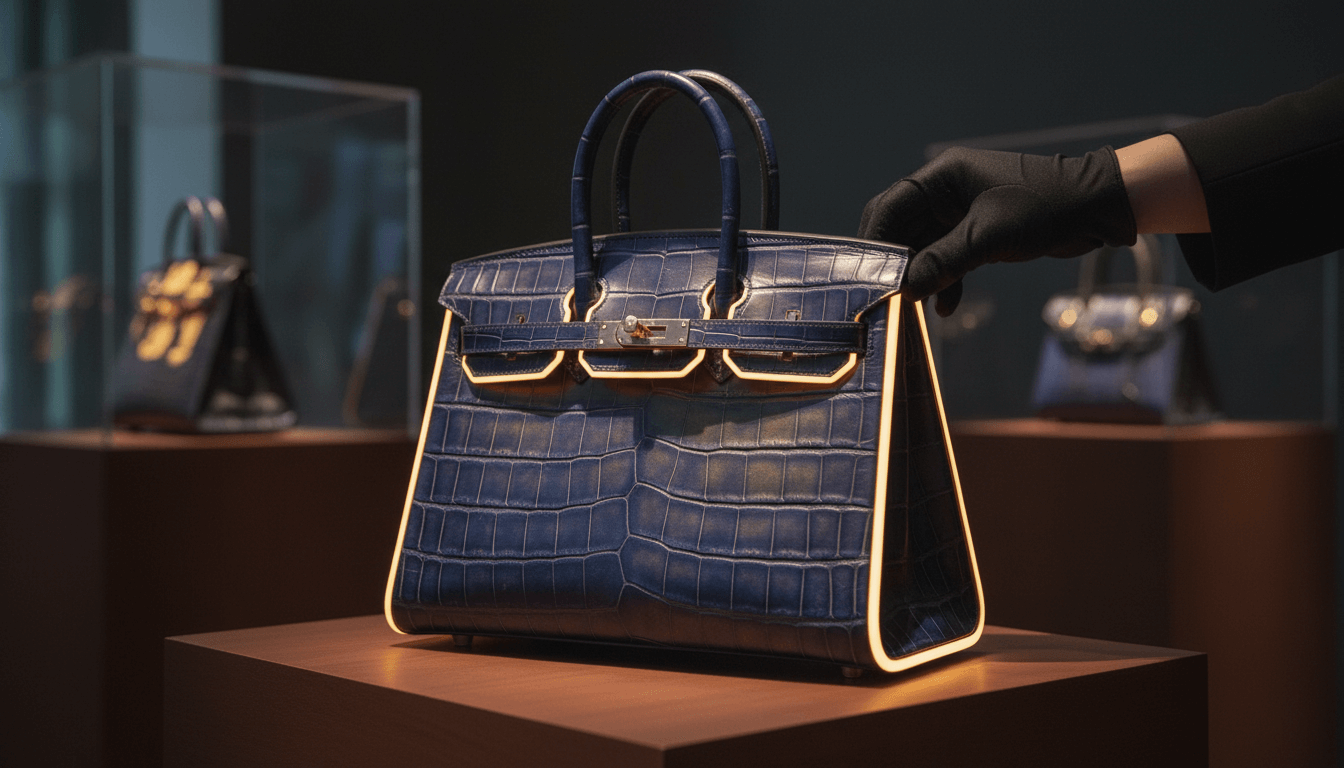
Hermès: Limited Edition Innovation in Equestrian-Inspired Handbags
Hermès reinforces its luxury dominance through a limited series of equestrian-inspired handbags featuring interchangeable accessories. This strategic innovation marries heritage craftsmanship with modern versatility, emphasizing exclusivity and collectibility. By leveraging its equestrian roots, Hermès enhances brand storytelling while offering unique, customizable pieces that appeal to discerning consumers seeking both functionality and investment value in luxury goods.
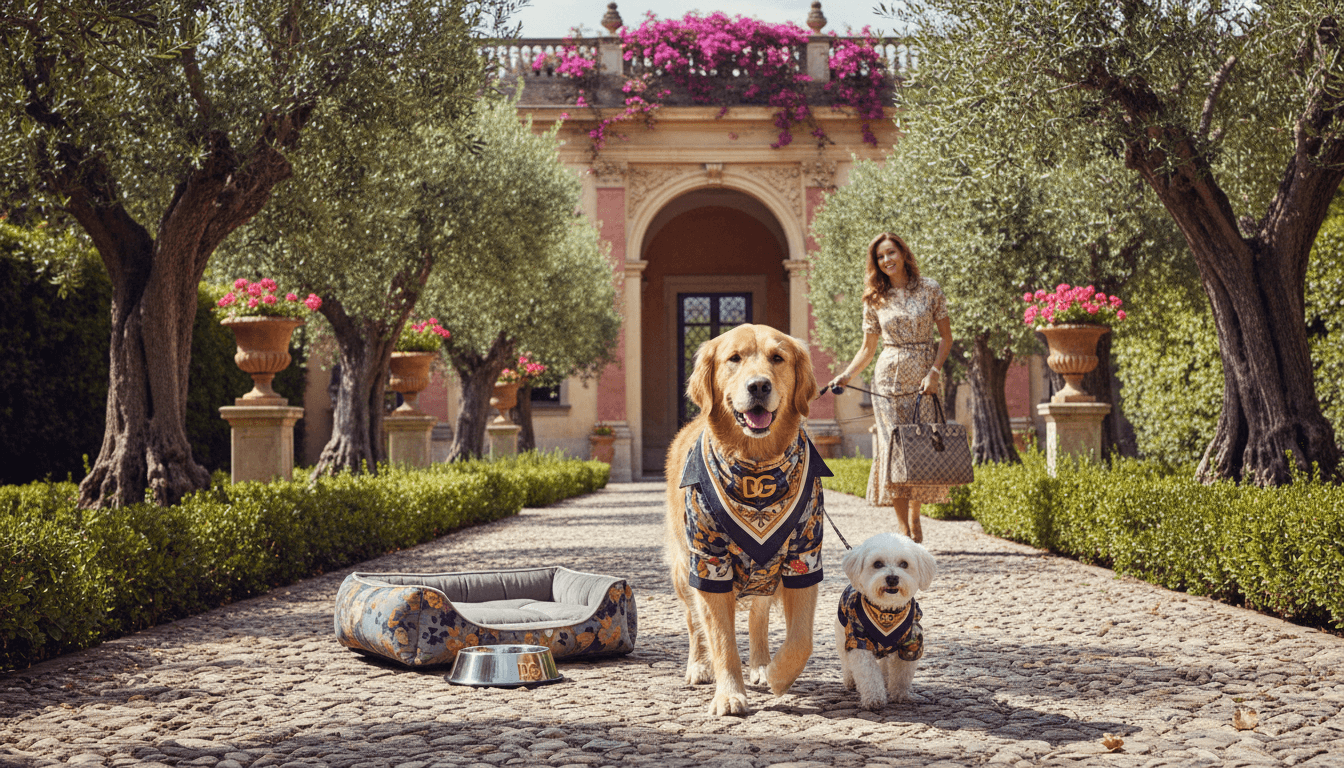
Dolce & Gabbana: Strategic Lifestyle Expansion into Luxury Petwear
Dolce & Gabbana's entry into the luxury petwear market exemplifies a sophisticated market diversification strategy. Leveraging their iconic design heritage, the brand introduces high-end pet accessories, including custom collars, apparel, and feeding sets, targeting affluent pet owners. This expansion taps into the growing $4.7 billion global luxury pet market, enhancing brand relevance while mitigating risks associated with traditional fashion volatility. Through collaborations with artisans and digital marketing initiatives, Dolce & Gabbana reinforces its innovative approach to capturing emerging consumer segments, setting a benchmark for luxury brand evolution.

Gucci's Sustainability and Innovation Strategy: Pioneering Eco-Conscious Luxury
Gucci has strategically positioned itself at the forefront of luxury innovation through aggressive sustainability initiatives and cutting-edge design approaches. The brand's introduction of a low-carbon capsule collection utilizing regenerated nylon has driven a 27% increase in engagement among eco-conscious consumers. This demonstrates a sophisticated commitment to environmental responsibility while preserving Gucci's premium brand positioning, showcasing how luxury brands can integrate sustainability into core business strategies effectively.