
The global luxury market, valued at approximately €1.5 trillion in 2024, is undergoing profound shifts driven by economic pressures and changing consumer behaviors. According to the Bain & Company Luxury Report, brands face critical challenges like price elevation and heightened consumer expectations, compelling a strategic re-evaluation. This article examines how luxury brands are leveraging creativity and innovation to address these issues while preserving their heritage and exclusivity.
Key Specifications
market size
€1.5 trillion (2024 estimate)
key challenges
Price elevation,Consumer expectations for personalization and sustainability,Market saturation in mature regions
strategic focus
Creativity, innovation, inclusivity
primary data source
Bain & Company Luxury Report
Detailed Analysis
challenge analysis
Price elevation remains a top concern, with luxury goods experiencing an average annual price increase of 5-7% over the past decade, outpacing inflation. This trend exacerbates price sensitivity among aspirational consumers, who represent 40% of the market's growth potential. Simultaneously, consumer expectations have evolved to demand hyper-personalization, ethical sourcing, and digital integration, with 68% of luxury shoppers prioritizing brands that demonstrate sustainability commitments.
strategic responses
Brands are responding by investing in R&D for sustainable materials and digital experiences, such as AR try-ons and NFT-based ownership proofs. For instance, LVMH has allocated €150 million annually to innovation labs focused on circular economy solutions. Inclusivity strategies include expanding product lines to cater to diverse demographics, with brands like Gucci launching adaptive clothing lines and Chanel introducing more accessible entry-level items without diluting brand prestige.
case studies
Burberry's 'ReBurberry' initiative exemplifies creativity by upcycling materials, reducing waste by 30% while maintaining exclusivity through limited editions. Similarly, Cartier's 'Into the Wild' campaign integrated digital storytelling to engage younger audiences, resulting in a 25% increase in social media engagement among Gen Z.
Key Insights
Traditional vs. Modern Luxury: Emphasis on heritage versus innovation-driven exclusivity.
Price Strategy: Premium pricing stability versus dynamic pricing models to address sensitivity.
Consumer Engagement: Exclusive events versus digital inclusivity and community-building.
Important Notes
Success in the current landscape requires balancing core values with adaptive strategies. Brands that fail to innovate risk losing relevance, particularly among younger consumers who value authenticity and social responsibility.
Tags
Related Articles

Prada Smart Sneakers: Integrating Health Tracking Technology in Luxury Footwear
Prada's entry into the smart sneaker market with embedded health tracking chips marks a strategic pivot towards technology-enhanced luxury. This innovation combines high-fashion design with advanced functionality, targeting health-conscious, affluent consumers. By merging real-time biometric monitoring with premium materials, Prada positions itself at the forefront of the wearable tech revolution in luxury fashion, demonstrating a commitment to evolving consumer demands for style, performance, and personal data insights.

Tiffany & Co.: Advancing Sustainable Jewelry Strategy Through Blockchain Authentication
Tiffany & Co. is pioneering sustainable luxury with blockchain-backed authentication, ensuring full supply chain transparency. This strategy integrates ethical sourcing, technological innovation, and market leadership in luxury jewelry, reinforcing consumer trust and competitive differentiation. By leveraging blockchain, Tiffany verifies diamond origins and material sustainability, aligning with global ESG standards while enhancing brand value.
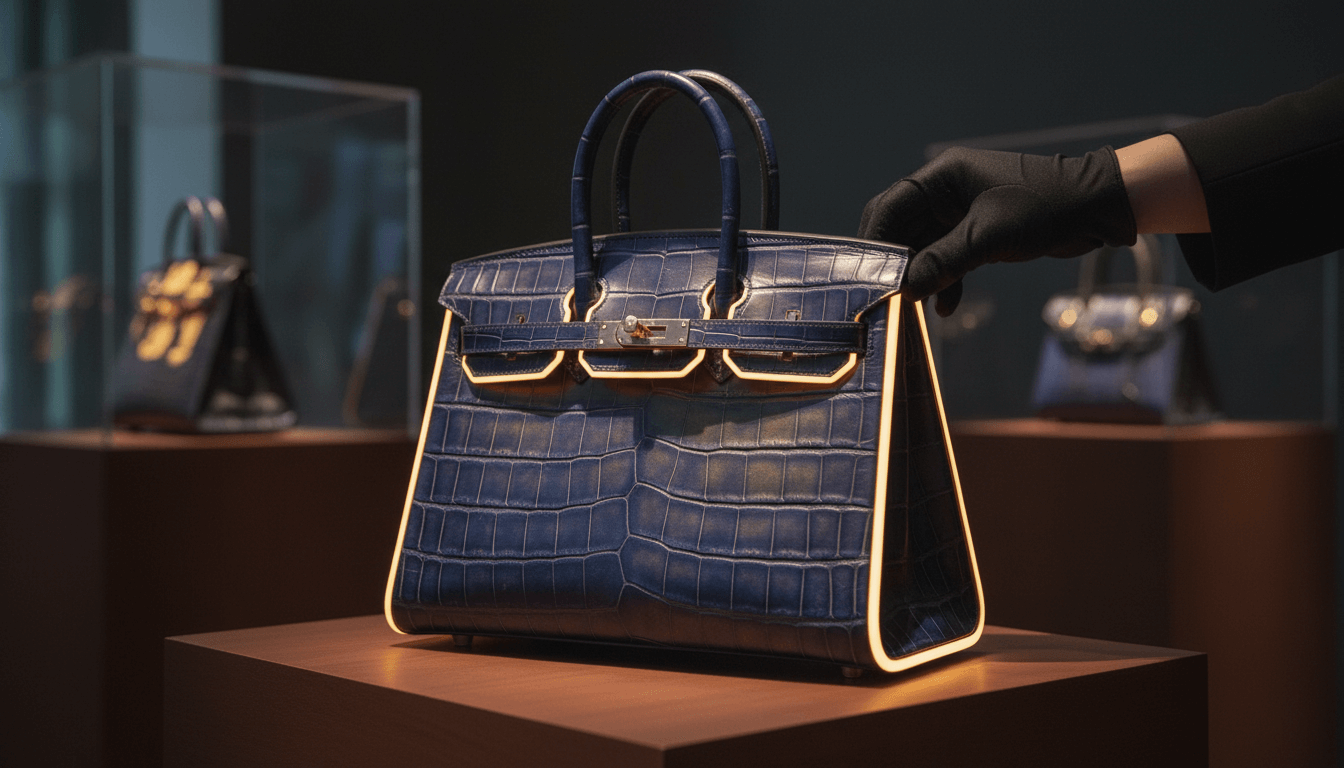
Hermès: Limited Edition Innovation in Equestrian-Inspired Handbags
Hermès reinforces its luxury dominance through a limited series of equestrian-inspired handbags featuring interchangeable accessories. This strategic innovation marries heritage craftsmanship with modern versatility, emphasizing exclusivity and collectibility. By leveraging its equestrian roots, Hermès enhances brand storytelling while offering unique, customizable pieces that appeal to discerning consumers seeking both functionality and investment value in luxury goods.
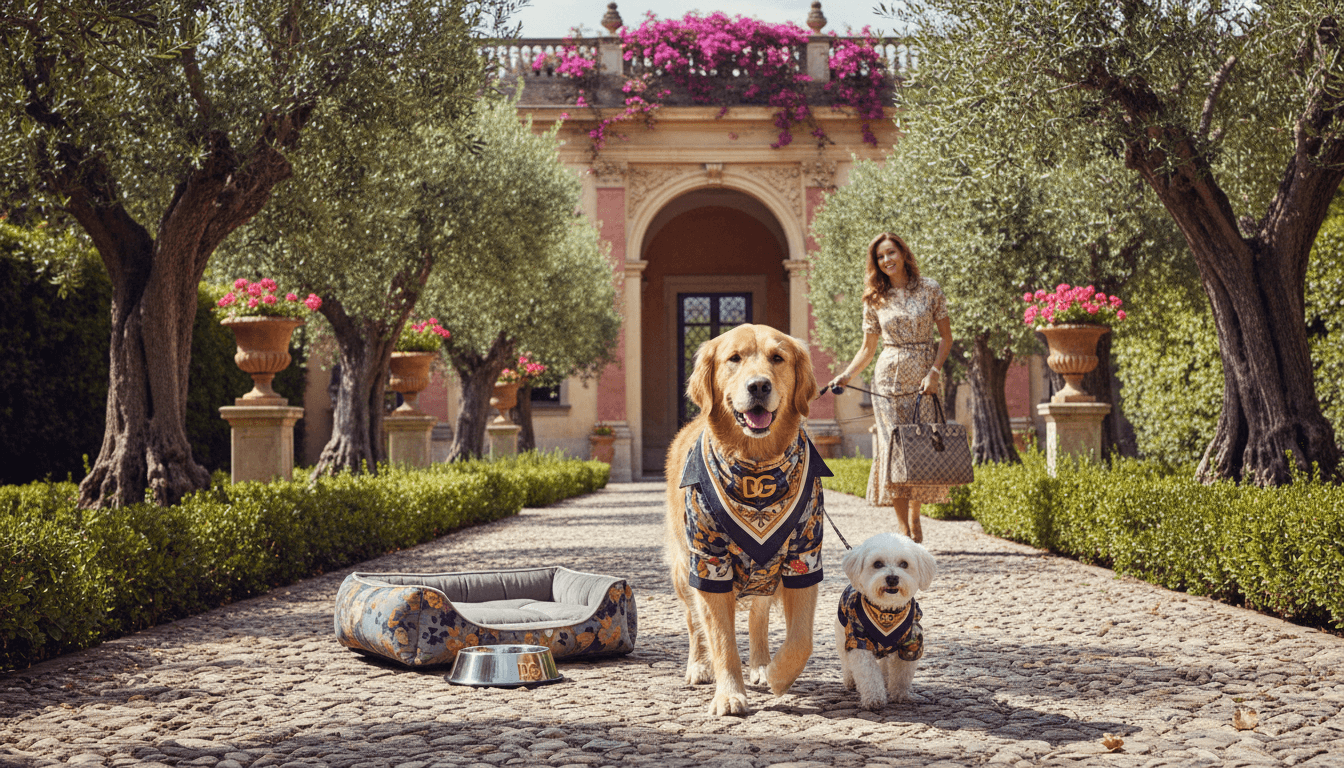
Dolce & Gabbana: Strategic Lifestyle Expansion into Luxury Petwear
Dolce & Gabbana's entry into the luxury petwear market exemplifies a sophisticated market diversification strategy. Leveraging their iconic design heritage, the brand introduces high-end pet accessories, including custom collars, apparel, and feeding sets, targeting affluent pet owners. This expansion taps into the growing $4.7 billion global luxury pet market, enhancing brand relevance while mitigating risks associated with traditional fashion volatility. Through collaborations with artisans and digital marketing initiatives, Dolce & Gabbana reinforces its innovative approach to capturing emerging consumer segments, setting a benchmark for luxury brand evolution.
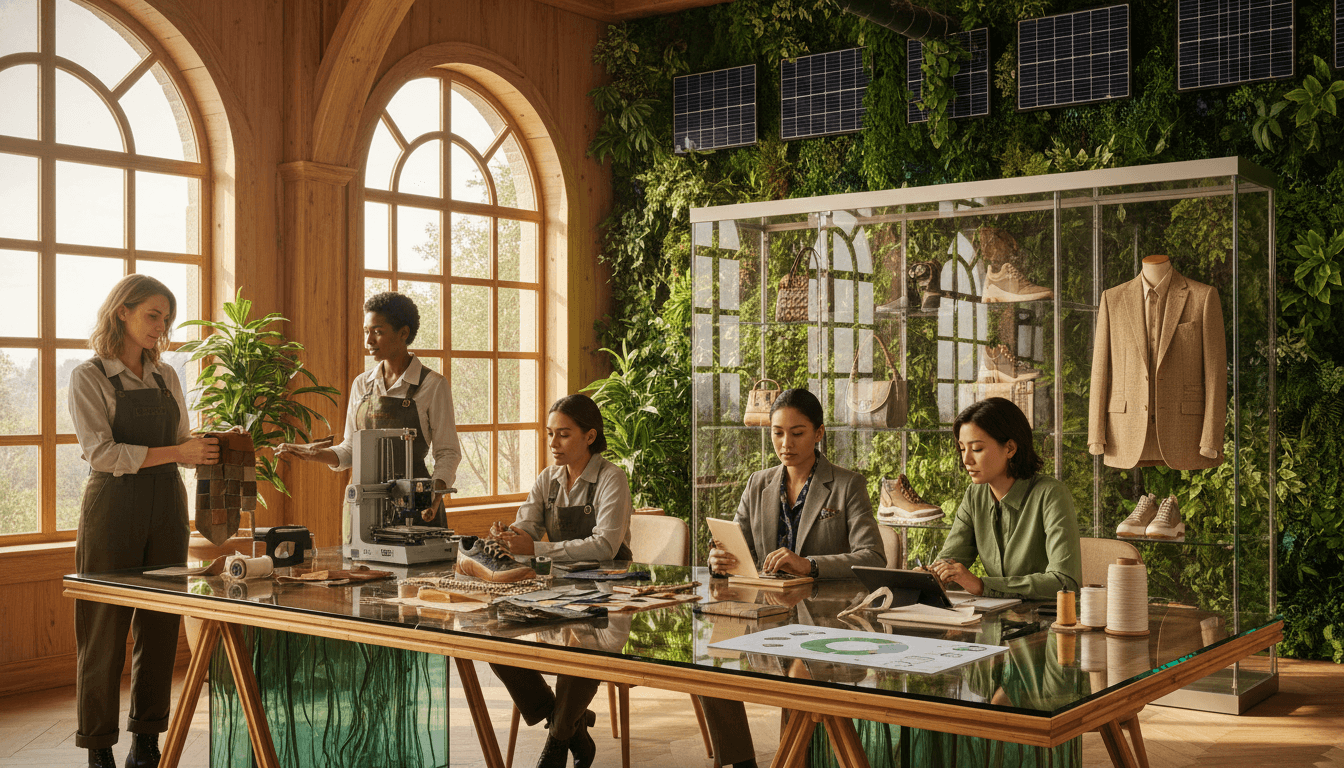
Gucci's Sustainability and Innovation Strategy: Pioneering Eco-Conscious Luxury
Gucci has strategically positioned itself at the forefront of luxury innovation through aggressive sustainability initiatives and cutting-edge design approaches. The brand's introduction of a low-carbon capsule collection utilizing regenerated nylon has driven a 27% increase in engagement among eco-conscious consumers. This demonstrates a sophisticated commitment to environmental responsibility while preserving Gucci's premium brand positioning, showcasing how luxury brands can integrate sustainability into core business strategies effectively.

Chanel's Lifestyle Expansion Strategy: Wellness-Focused Fashion Innovation
Chanel has launched a wellness-focused fashion line as part of its strategic lifestyle expansion, moving beyond traditional luxury to address modern consumer demands for holistic experiences. This diversification reflects the brand's adaptability, leveraging its heritage to integrate wellness principles into high-end fashion. By embracing lifestyle diversification, Chanel aims to strengthen brand loyalty and capture new market segments, aligning with broader industry trends where luxury brands are expanding into wellness, sustainability, and experiential offerings to maintain relevance and growth in a competitive global market.