
The global luxury market is undergoing a paradigm shift as consumer psychographics evolve from transactional relationships to holistic engagements. Contemporary luxury consumers, particularly Millennials and Gen Z, who constitute over 50% of the market by 2025, are redefining value through emotional resonance and brand purpose. Euromonitor's Luxury Consumer Trends Report highlights that 72% of affluent buyers now prioritize brands that demonstrate authentic commitments to social and environmental causes, indicating a move away from conspicuous consumption. This transformation necessitates that luxury brands integrate psychographic insights into their core strategies, focusing on storytelling, ethical transparency, and personalized experiences to build enduring emotional bonds.
Key Specifications
consumer motivation
Meaning beyond product utility, including self-expression, legacy, and emotional fulfillment
brand expectations
Authenticity in communication, purpose-driven missions, personalized engagement, and cultural relevance
purchase drivers
Emotional triggers (e.g., nostalgia, aspiration), lifestyle integration, ethical credentials, and exclusive experiences
Detailed Analysis
emotional brand connections
Luxury consumers seek narratives that resonate personally, with 68% willing to pay premiums for brands that evoke strong emotional responses. Strategies include leveraging heritage storytelling, as seen with brands like Chanel, which emphasizes Coco Chanel's legacy of female empowerment, or Gucci's collaborations with artists to foster cultural dialogues. Emotional connections are cultivated through immersive digital content, personalized services, and community-building initiatives, such as Louis Vuitton's curated events that blend art, fashion, and philanthropy.
purpose driven consumption
Affluent consumers increasingly align purchases with values, with 65% actively researching brands' ethical practices. Purpose-driven luxury involves transparent supply chains, as exemplified by Stella McCartney's commitment to sustainability, or Cartier's support for women entrepreneurs through its 'Women's Initiative Awards'. Brands must embed purpose into their DNA, avoiding 'purpose-washing' by demonstrating tangible impacts, such as reducing carbon footprints or supporting social causes, which can enhance brand trust and drive a 30% higher customer lifetime value.
lifestyle and value alignment
Luxury is no longer confined to products but extends to experiences and lifestyles that reflect consumers' identities. This includes wellness-oriented offerings, like Bulgari's luxury hotels that integrate spa and mindfulness programs, or Tesla's alignment with eco-conscious values through sustainable innovation. Data shows that 60% of luxury buyers prefer brands that offer holistic lifestyle solutions, prompting collaborations between fashion houses and hospitality or tech sectors to create seamless, value-aligned ecosystems.
Key Insights
Traditional luxury emphasized logos and status; modern luxury prioritizes subtlety and meaning
Older generations valued heritage and craftsmanship; younger cohorts demand innovation and ethical accountability
Emotional engagement drives 3x higher loyalty compared to price-based incentives
Purpose-aligned brands report 25% faster growth in emerging markets
Important Notes
Brands must adopt agile strategies to keep pace with psychographic shifts, leveraging data analytics for personalized marketing and investing in employee training to embody brand values authentically. Future trends indicate a rise in 'quiet luxury' and digital integration, such as NFTs for exclusive ownership experiences, requiring continuous innovation in engagement models.
Tags
Related Articles
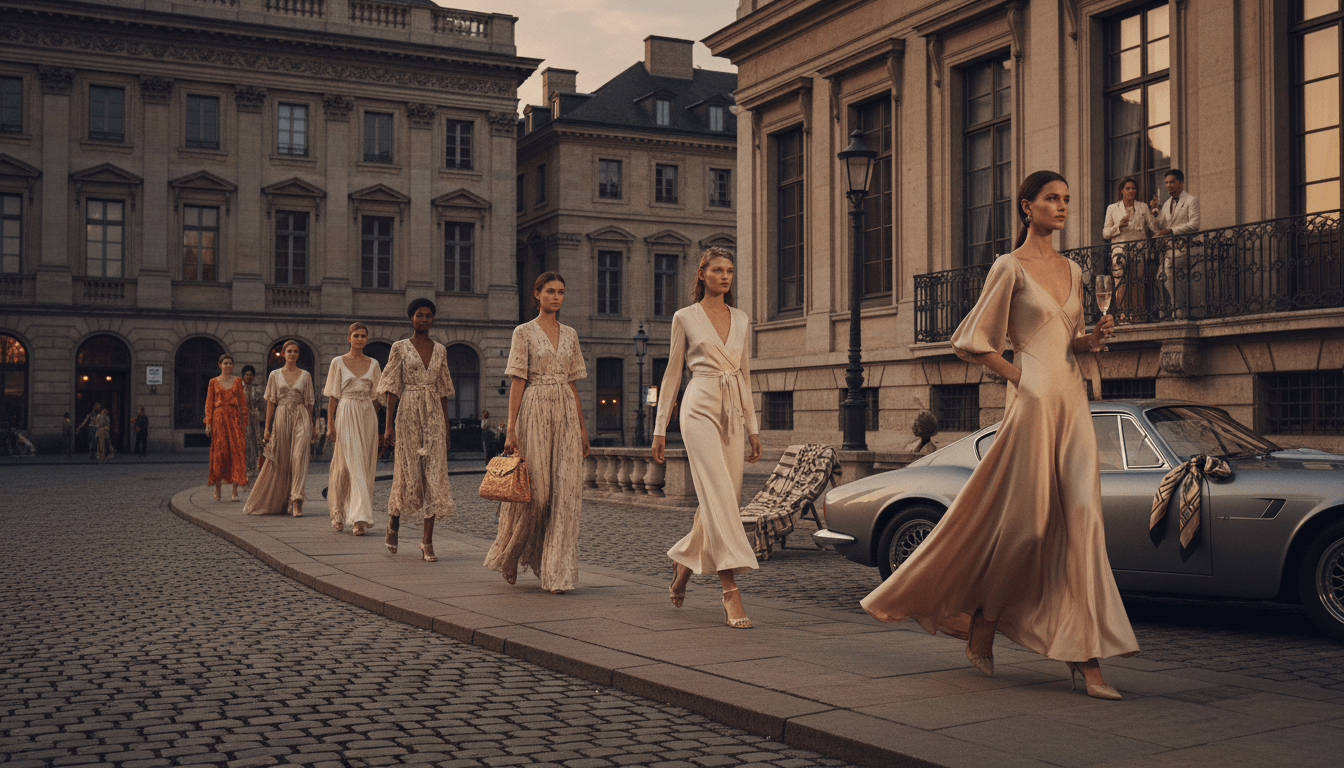
Kering: Luxury Fashion and Lifestyle Group
Kering stands as a premier French luxury goods conglomerate, specializing in high-end fashion and leather goods with a global footprint. The group strategically manages a portfolio of iconic brands including Gucci, Saint Laurent, Bottega Veneta, and Balenciaga, emphasizing sustainability and ethical practices. Kering's brand strategy focuses on preserving individual brand identities while leveraging synergies across operations, with a strong market presence in the Asia-Pacific region. This analysis delves into Kering's approach to brand management, market positioning, and sustainability initiatives, offering insights into its leadership in the luxury sector.
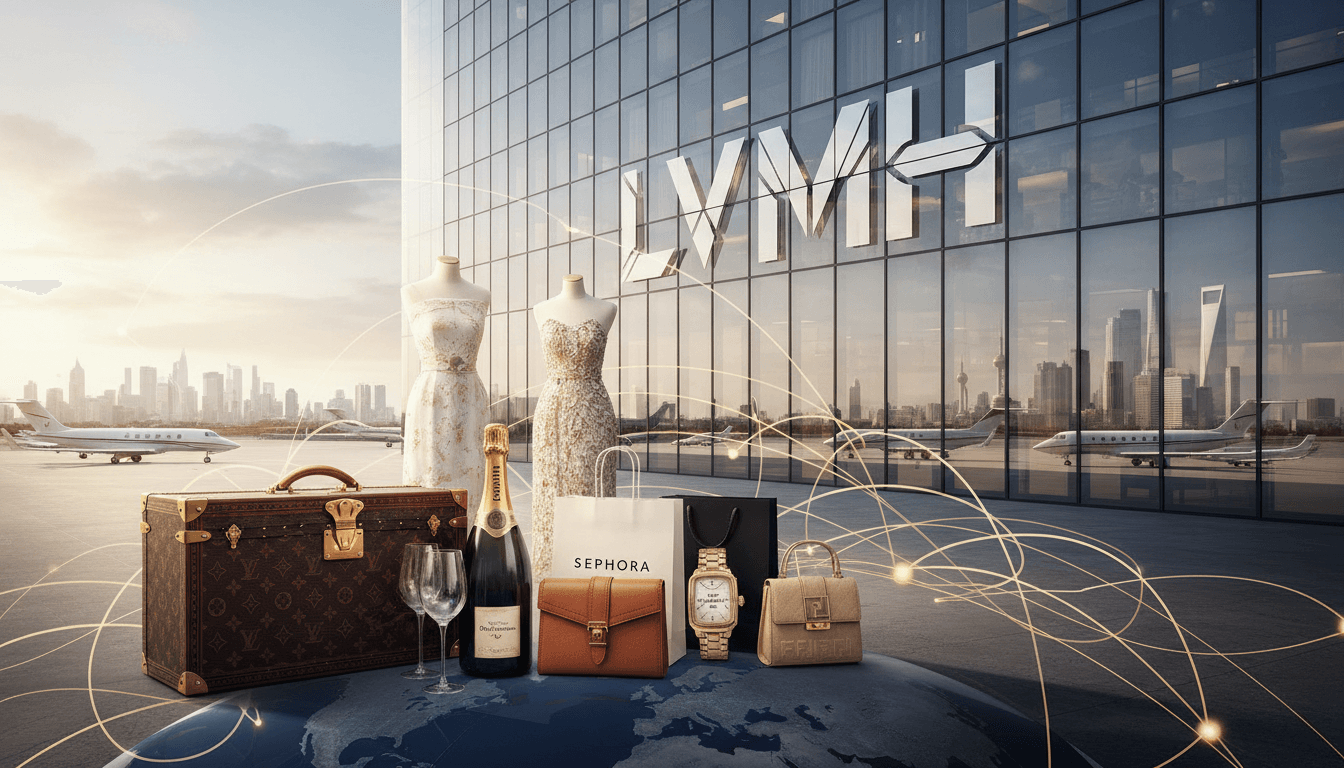
LVMH: Global Luxury Powerhouse - Strategic Analysis of the World's Leading Luxury Conglomerate
LVMH Moët Hennessy Louis Vuitton stands as the undisputed leader in the global luxury goods market, generating over 86 billion euros in revenue in 2023. This comprehensive analysis examines LVMH's strategic approach to brand portfolio management, market dominance, and innovative business practices across fashion, leather goods, watches, jewelry, wines, and spirits. The company's success stems from meticulous brand stewardship, strategic acquisitions of prestigious houses like Louis Vuitton, Dior, Givenchy, Bulgari, and Tiffany & Co., and maintaining a formidable global presence spanning over 80 countries while preserving each brand's unique heritage and identity.

Navigating Luxury Market Challenges: Strategic Adaptations for a New Era
The luxury market confronts significant challenges including heightened price sensitivity, market saturation, and evolving consumer demands for inclusivity and sustainability. Brands are pivoting towards creative innovation and strategic inclusivity to uphold exclusivity while expanding appeal. This analysis delves into actionable strategies, leveraging insights from Bain & Company, to balance tradition with transformation in the high-end sector.

Prada Smart Sneakers: Integrating Health Tracking Technology in Luxury Footwear
Prada's entry into the smart sneaker market with embedded health tracking chips marks a strategic pivot towards technology-enhanced luxury. This innovation combines high-fashion design with advanced functionality, targeting health-conscious, affluent consumers. By merging real-time biometric monitoring with premium materials, Prada positions itself at the forefront of the wearable tech revolution in luxury fashion, demonstrating a commitment to evolving consumer demands for style, performance, and personal data insights.

Tiffany & Co.: Advancing Sustainable Jewelry Strategy Through Blockchain Authentication
Tiffany & Co. is pioneering sustainable luxury with blockchain-backed authentication, ensuring full supply chain transparency. This strategy integrates ethical sourcing, technological innovation, and market leadership in luxury jewelry, reinforcing consumer trust and competitive differentiation. By leveraging blockchain, Tiffany verifies diamond origins and material sustainability, aligning with global ESG standards while enhancing brand value.
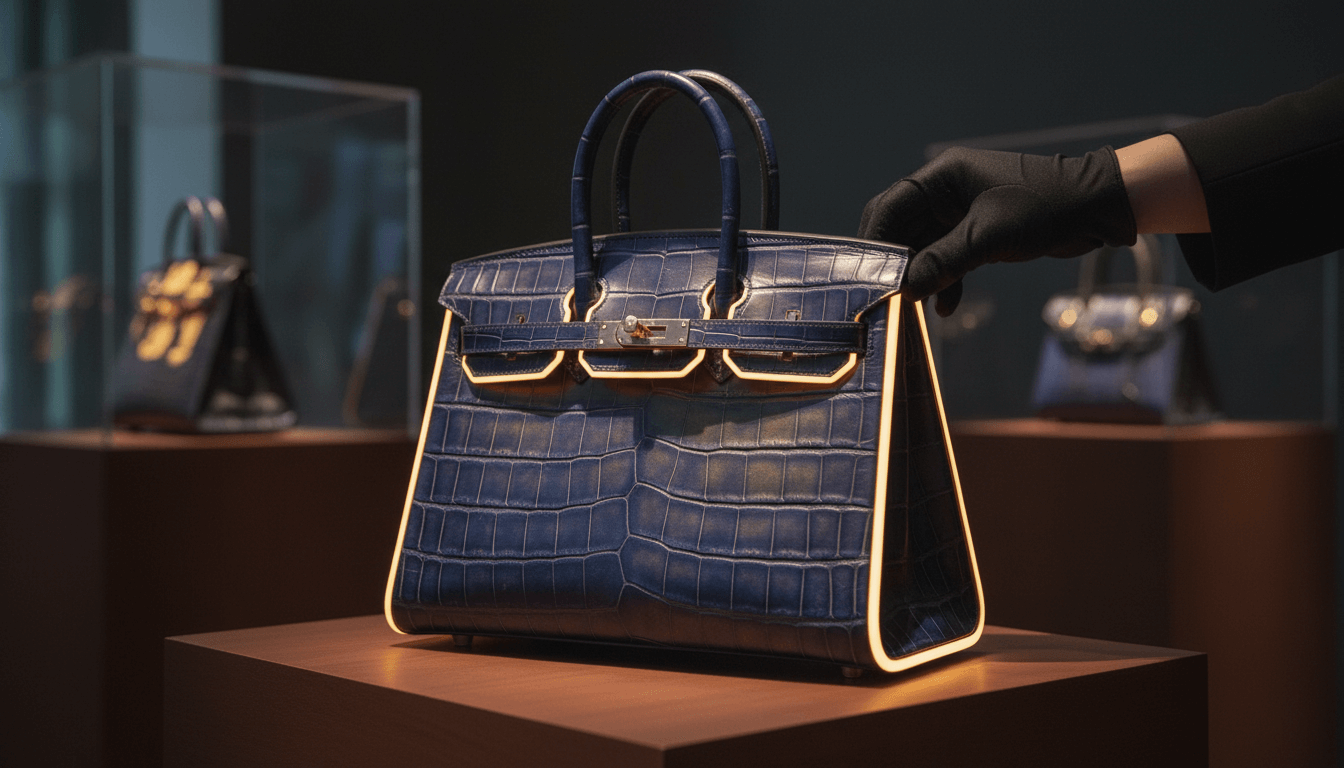
Hermès: Limited Edition Innovation in Equestrian-Inspired Handbags
Hermès reinforces its luxury dominance through a limited series of equestrian-inspired handbags featuring interchangeable accessories. This strategic innovation marries heritage craftsmanship with modern versatility, emphasizing exclusivity and collectibility. By leveraging its equestrian roots, Hermès enhances brand storytelling while offering unique, customizable pieces that appeal to discerning consumers seeking both functionality and investment value in luxury goods.