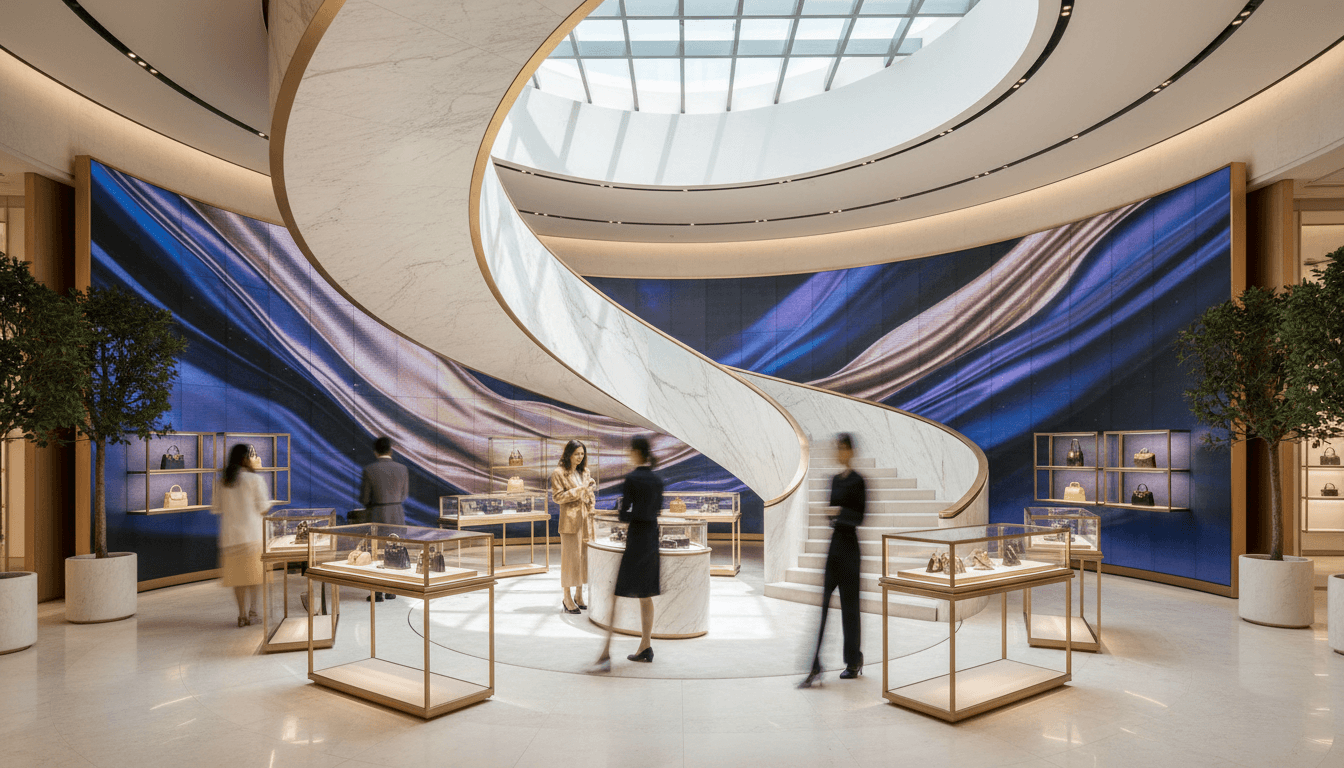
The luxury retail sector is navigating a paradigm shift, where traditional exclusivity meets digital innovation. Omnichannel strategies are no longer optional but essential, blending online and offline experiences to cater to the discerning modern consumer. Data reveals that digital sales contribute nearly 25% of total luxury revenues, underscoring the critical role of integrated approaches. Brands are leveraging advanced technologies and data analytics to deliver consistent, personalized interactions, ensuring that every touchpoint—from e-commerce platforms to flagship stores—reinforces the brand's identity and meets the high expectations of today's luxury shoppers.
Key Specifications
digital sales contribution
Nearly 25% of total luxury revenues
channel integration
Integrated digital and physical approaches
consumer expectations
85% of consumers expect tailored experiences
key focus areas
Seamless omnichannel experiences,Consistent brand storytelling,Personalized customer interactions
data sources
Simon-Kucher & Partners,McKinsey
Detailed Analysis
omnichannel experiences
Luxury brands are implementing seamless omnichannel frameworks that allow customers to transition effortlessly between digital and physical realms. For instance, features like 'buy online, pick up in-store' (BOPIS), virtual try-ons, and augmented reality (AR) applications enhance convenience without compromising the brand's premium feel. Brands such as Louis Vuitton and Chanel have integrated mobile apps that sync with in-store services, enabling personalized recommendations and exclusive content access. This approach not only boosts customer engagement but also drives sales, with studies showing that omnichannel shoppers have a 30% higher lifetime value compared to single-channel customers.
brand storytelling
Consistency in brand storytelling is paramount across all channels. Luxury brands craft narratives that resonate emotionally, using high-quality visuals, curated content, and immersive experiences. For example, Hermès maintains its heritage through digital campaigns that highlight craftsmanship, while Gucci employs social media to reinforce its avant-garde identity. By aligning messaging across websites, social platforms, and physical stores, brands build trust and loyalty. Research indicates that consistent brand presentation can increase revenue by up to 23%, making storytelling a strategic imperative in the luxury space.
personalized interactions
Personalization is at the core of modern luxury retail, with 85% of consumers expecting tailored experiences. Brands leverage data analytics and AI to deliver customized product recommendations, exclusive offers, and personalized services. For instance, Net-a-Porter uses machine learning to curate individual style edits, while Saks Fifth Avenue offers personalized shopping assistants via digital channels. This level of customization not only enhances customer satisfaction but also fosters long-term relationships, with personalized marketing campaigns achieving conversion rates 5-10 times higher than generic approaches.
Key Insights
Digital vs. physical sales growth trends
Effectiveness of personalized vs. standard marketing
ROI of integrated vs. siloed channel strategies
Important Notes
The evolution of luxury retail requires continuous adaptation to technological advancements and shifting consumer behaviors. Brands must balance digital innovation with the timeless elements of exclusivity and craftsmanship to maintain their premium positioning. Future trends may include greater use of AI for hyper-personalization and sustainability integrations across channels.
Tags
Related Articles

Experiential Luxury Evolution: The Strategic Shift to Holistic Lifestyle Experiences
The luxury sector is undergoing a profound transformation, expanding beyond traditional product offerings into comprehensive lifestyle experiences. Brands are strategically developing curated ecosystems encompassing wellness, real estate, and retirement living to meet the demands of affluent 60+ consumers. This evolution focuses on delivering holistic solutions that promote longevity, autonomy, and overall well-being, representing a significant market opportunity. Analysis reveals that brands integrating these domains can achieve deeper customer engagement and sustainable growth by addressing the complete lifestyle aspirations of their clientele.

Global Luxury Market Geographical Dynamics: Regional Growth and Strategy Implications
The global luxury market is undergoing significant geographical shifts, with Western nations and the Middle East demonstrating robust growth while China anticipates a gradual recovery. Bain & Company projects over 300 million new consumers entering the market within five years, primarily from China and emerging economies. This analysis examines regional revenue distributions, growth trajectories, and strategic imperatives for luxury brands to capitalize on these dynamics, emphasizing targeted marketing, localized offerings, and digital transformation.

Luxury Brand Collaborations and Innovation: Strategic Partnerships Reshaping the Industry
Luxury brands are increasingly leveraging collaborations and innovative partnerships to maintain relevance and engage younger demographics like Gen Z and Millennials. These strategic initiatives include artist and influencer collaborations, limited-edition collections, and cross-industry partnerships that focus on cultural relevance and innovation. By offering unique, meaningful experiences, brands drive consumer engagement and adapt to evolving market demands. Insights from Global Bay Insights highlight how these approaches are critical for sustained growth in the competitive luxury sector.
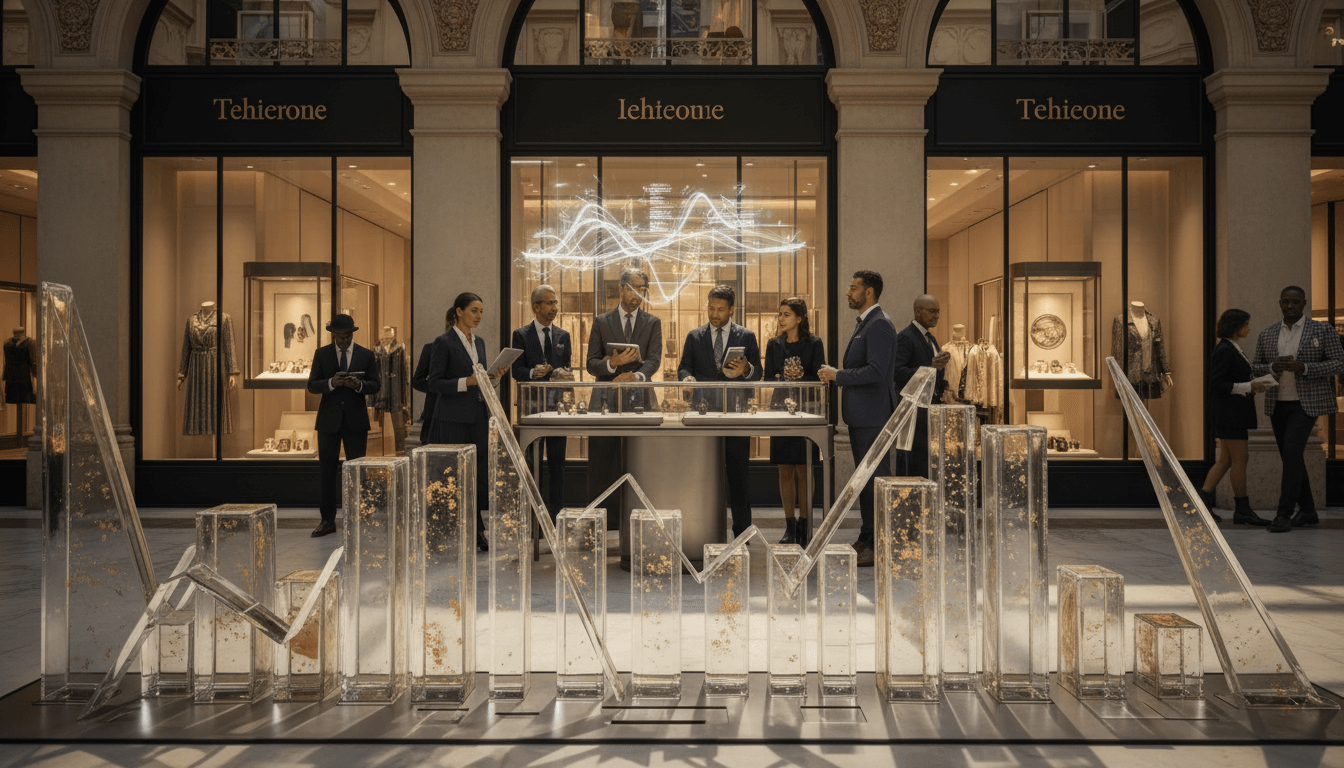
Luxury Market Pricing Dynamics: Navigating 2025's Complex Landscape
In 2025, luxury brands face intricate pricing challenges as price increases reach saturation in key markets, particularly impacting aspirational consumers. Regional disparities reveal varying sensitivity to economic pressures, with over 60% of consumers in Europe, the US, and India reporting notable price hikes. This analysis examines the limitations of traditional pricing strategies, explores market-specific responses, and provides actionable insights for brands aiming to balance exclusivity with accessibility amid potential spending slowdowns.
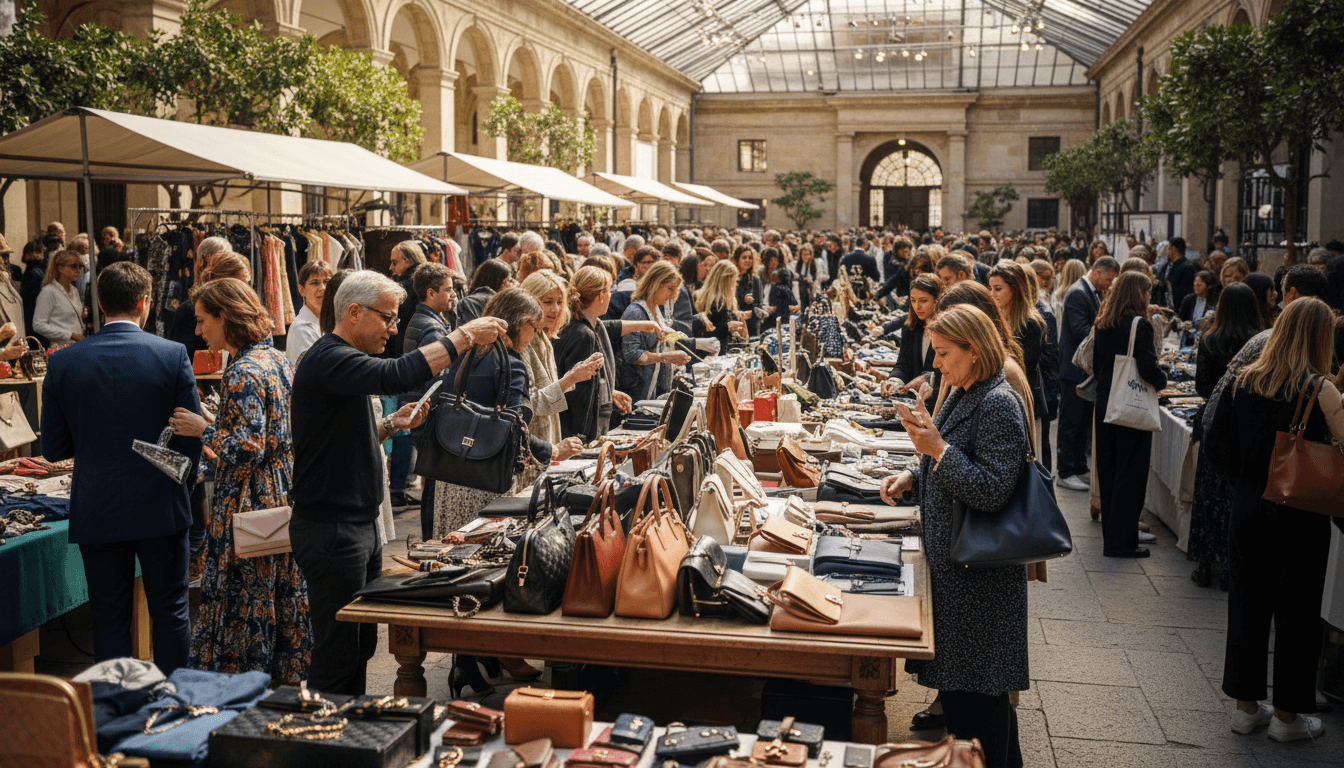
Secondhand Luxury Market Growth: A Strategic Analysis of Value and Sustainability
The secondhand luxury market is experiencing unprecedented growth, driven by consumer demand for value and sustainable alternatives. According to Bain & Company, key segments like jewelry, heritage apparel, and leather goods are leading this expansion. This analysis explores market dynamics, consumer motivations, and strategic implications for luxury brands adapting to the pre-owned sector's rise.
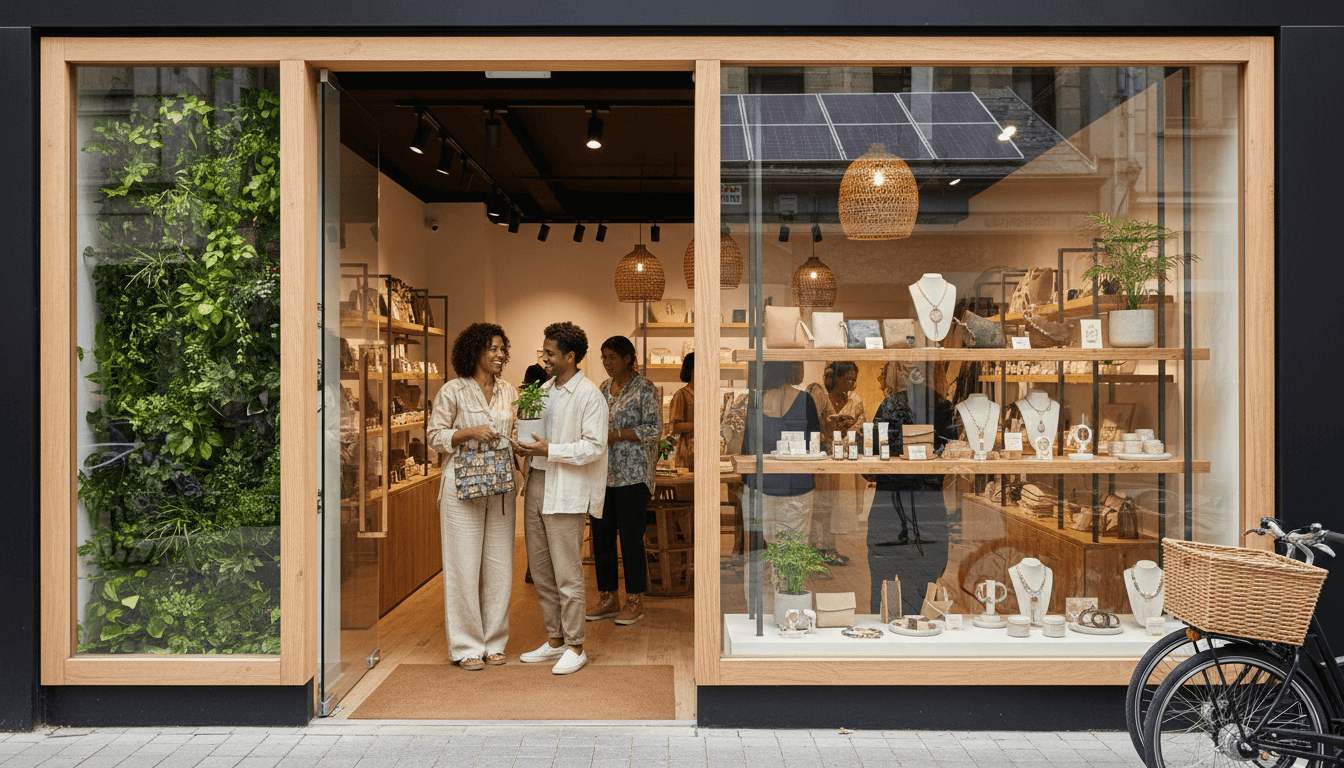
Luxury Brand Social Responsibility: The Strategic Shift to Sustainability, Inclusivity, and Purpose-Driven Approaches
Contemporary luxury brands are undergoing a fundamental transformation, embedding social responsibility as a core element of their strategic frameworks. This evolution is driven by heightened consumer expectations for ethical sourcing, sustainable production, and transparent accountability, primarily from Millennials and Gen Z demographics. Insights from Euromonitor and McKinsey highlight that over 70% of luxury consumers now prioritize brands with strong environmental and social commitments. Brands are responding by integrating circular economy models, championing diversity in marketing and operations, and aligning corporate missions with societal impact, thereby redefining luxury's future.