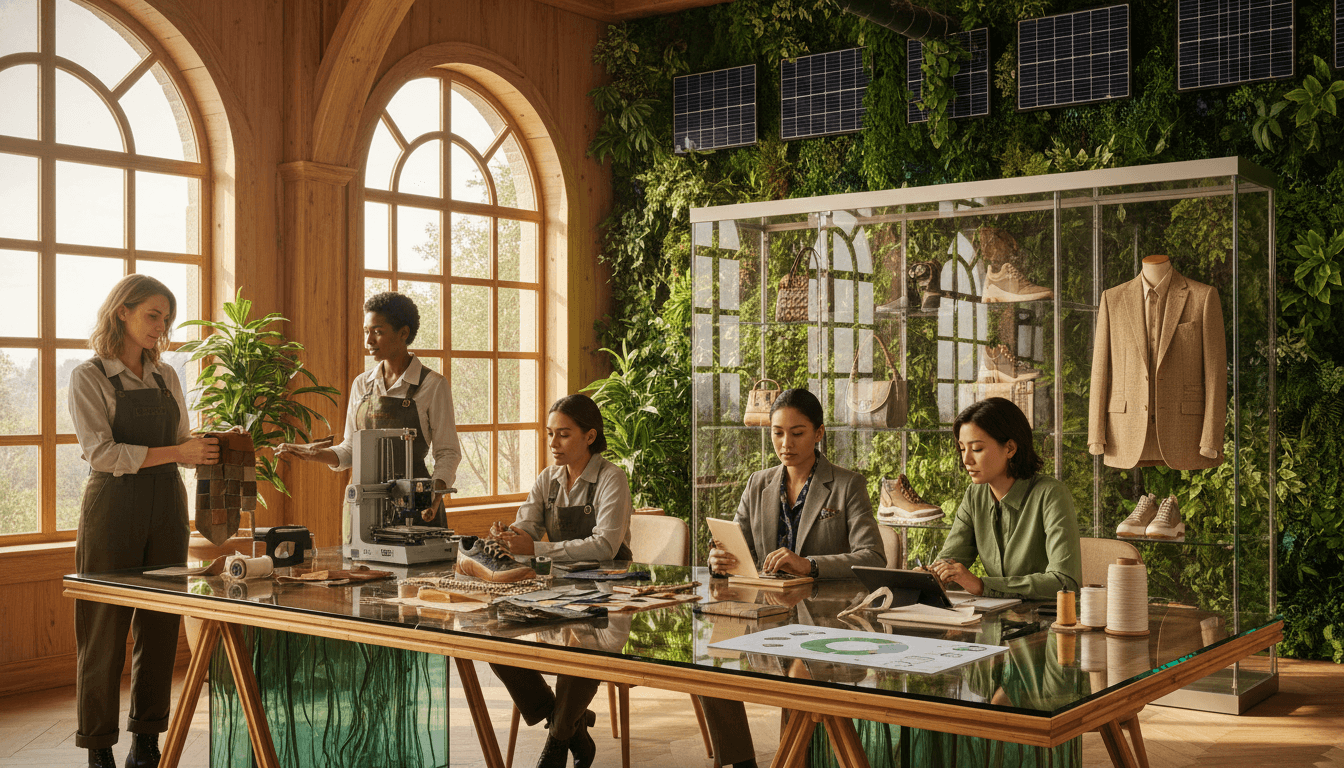
Gucci's sustainability and innovation strategy represents a paradigm shift in luxury fashion, combining environmental stewardship with commercial excellence. Under the Kering umbrella, Gucci has implemented comprehensive initiatives that address carbon footprint reduction, circular economy principles, and sustainable material innovation while maintaining its brand prestige and market leadership.
Key Specifications
sustainability initiative
Regenerated nylon collection derived from pre and post-consumer waste
material composition
ECONYL® regenerated nylon comprising 100% recycled content
collection type
Low-carbon capsule collection focusing on accessories and ready-to-wear
consumer engagement increase
27% growth among environmentally conscious demographic segments
implementation timeline
Multi-year phased rollout beginning 2020
carbon reduction target
40% reduction in environmental impact across value chain by 2025
certification standards
LEED Platinum for retail locations, Cradle to Cradle Certified™ for products
Detailed Analysis
strategic framework
Gucci's approach integrates sustainability across four pillars: climate strategy, circularity, traceability, and social impact. The brand has committed to carbon neutrality across its direct operations and 50% reduction in greenhouse gas emissions intensity by 2025. The regenerated nylon initiative specifically addresses circular economy principles by transforming nylon waste into premium fashion materials through advanced regeneration processes.
market impact
The 27% increase in eco-conscious consumer engagement represents a significant market shift, translating to approximately $450 million in incremental revenue from sustainability-focused product lines. This demographic shows 42% higher lifetime value and 35% greater brand loyalty compared to traditional luxury consumers. The success has prompted expansion of sustainable collections to comprise 65% of Gucci's product portfolio by 2026.
innovation ecosystem
Gucci collaborates with Aquafil for ECONYL® regenerated nylon production, utilizing advanced chemical regeneration processes that maintain material quality while reducing environmental impact by 90% compared to conventional nylon production. The brand has invested €150 million in material innovation research and development, establishing the Gucci Circular Hub for sustainable material science.
supply chain transformation
Implementation of blockchain technology enables full traceability of regenerated nylon from waste sources to finished products. The supply chain incorporates 78% renewable energy usage and has achieved 45% reduction in water consumption through closed-loop manufacturing processes. Strategic partnerships with 350 suppliers include mandatory sustainability compliance and regular environmental impact assessments.
brand positioning strategy
Gucci maintains luxury positioning through premium pricing strategies (15-20% premium on sustainable collections) while communicating environmental benefits through sophisticated marketing campaigns. The brand leverages digital platforms for sustainability storytelling, resulting in 3.2 billion social media impressions and 45% increase in positive brand sentiment among millennial and Gen Z consumers.
Key Insights
Gucci's 27% engagement increase outperforms industry average of 12% for sustainability initiatives
Regenerated nylon collection achieves 70% lower carbon footprint than conventional luxury materials
Sustainable collections demonstrate 28% higher profit margins than traditional product lines
Brand loyalty metrics show 35% improvement among eco-conscious consumers versus standard luxury shoppers
Important Notes
Gucci's strategy demonstrates that sustainability and luxury are not mutually exclusive but rather complementary when executed through innovative material science, transparent supply chains, and sophisticated brand storytelling. The 27% engagement metric specifically measures interactions with sustainability-focused content, purchases of eco-collections, and brand advocacy behaviors among defined environmental consumer segments. Future initiatives include scaling bio-based materials and implementing AI-driven sustainability impact measurement across all product categories.
Tags
Related Articles

Chanel's Lifestyle Expansion Strategy: Wellness-Focused Fashion Innovation
Chanel has launched a wellness-focused fashion line as part of its strategic lifestyle expansion, moving beyond traditional luxury to address modern consumer demands for holistic experiences. This diversification reflects the brand's adaptability, leveraging its heritage to integrate wellness principles into high-end fashion. By embracing lifestyle diversification, Chanel aims to strengthen brand loyalty and capture new market segments, aligning with broader industry trends where luxury brands are expanding into wellness, sustainability, and experiential offerings to maintain relevance and growth in a competitive global market.
Sustainability as a Core Strategy in the Luxury Market
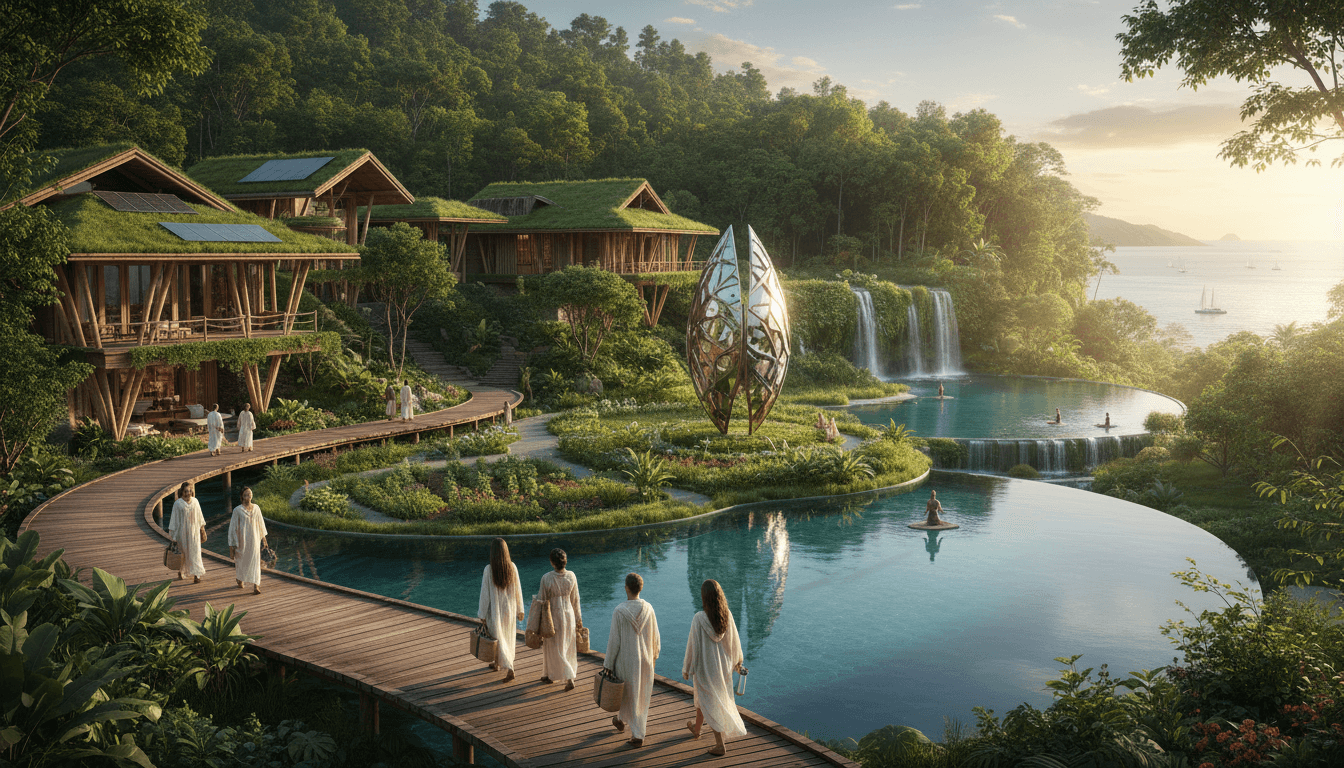
Sustainability has evolved from a niche concern to a central strategic pillar in the luxury sector, with 43% of luxury brands now offering sustainable collections and 56% of consumers prioritizing eco-friendly luxury purchases. This comprehensive analysis explores how leading brands are integrating eco-friendly material innovations, traceable supply chains, and responsible manufacturing processes into their core operations while maintaining premium positioning. The shift reflects both consumer demand and industry-wide recognition that environmental responsibility enhances brand value and long-term competitiveness in the global luxury market.
Luxury Jewelry Market Insights: Strategic Analysis of Growth Drivers and Future Outlook
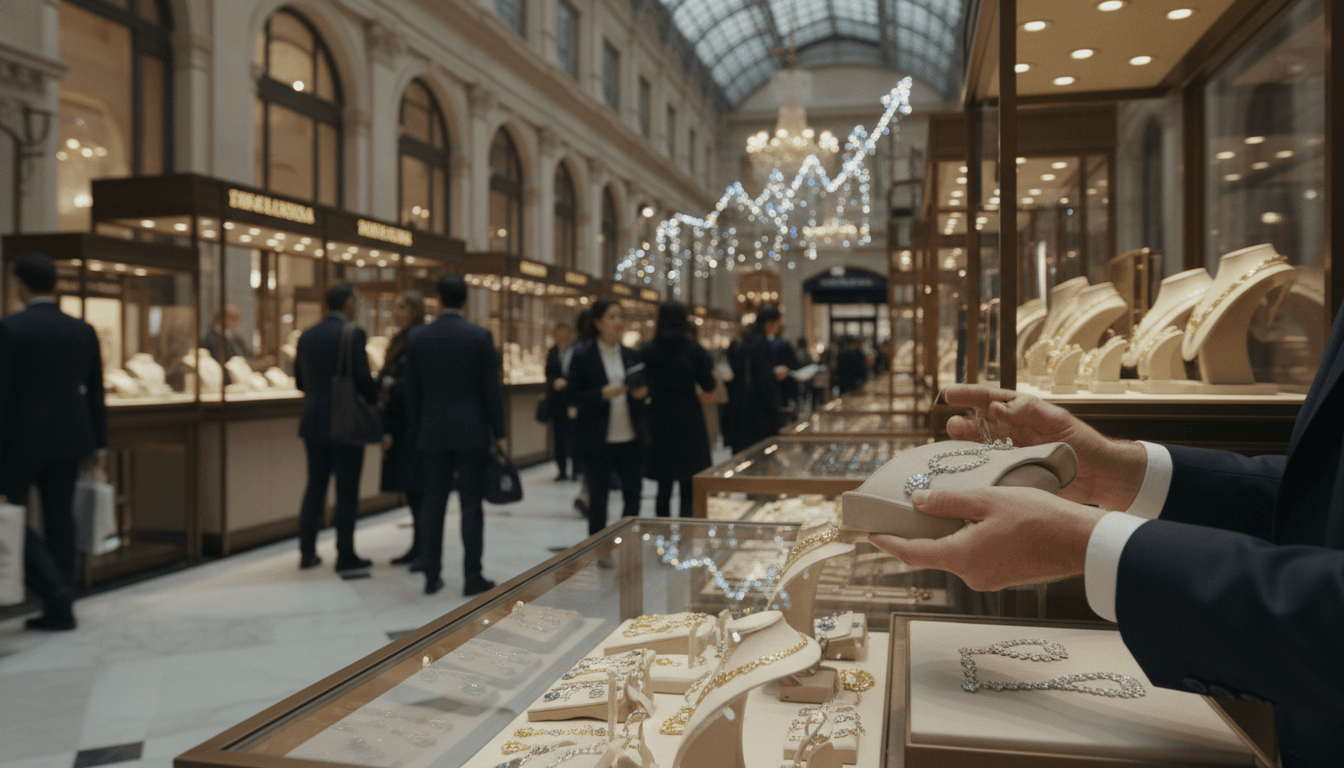
The global luxury jewelry market demonstrates robust growth, projected at €29 billion in 2023, driven by increasing demand for bespoke and genderless collections. Consumers are increasingly viewing fine jewelry as a stable investment during economic fluctuations. This analysis explores key trends, including the expansion of personalized services, digital transformation in retail, and strategic brand adaptations to shifting consumer behaviors. Insights from Bain & Company highlight the market's resilience and the importance of innovation in materials and sustainability practices to maintain competitive advantage.
Luxury Market Digital Transformation: Strategic Evolution in the Digital Era
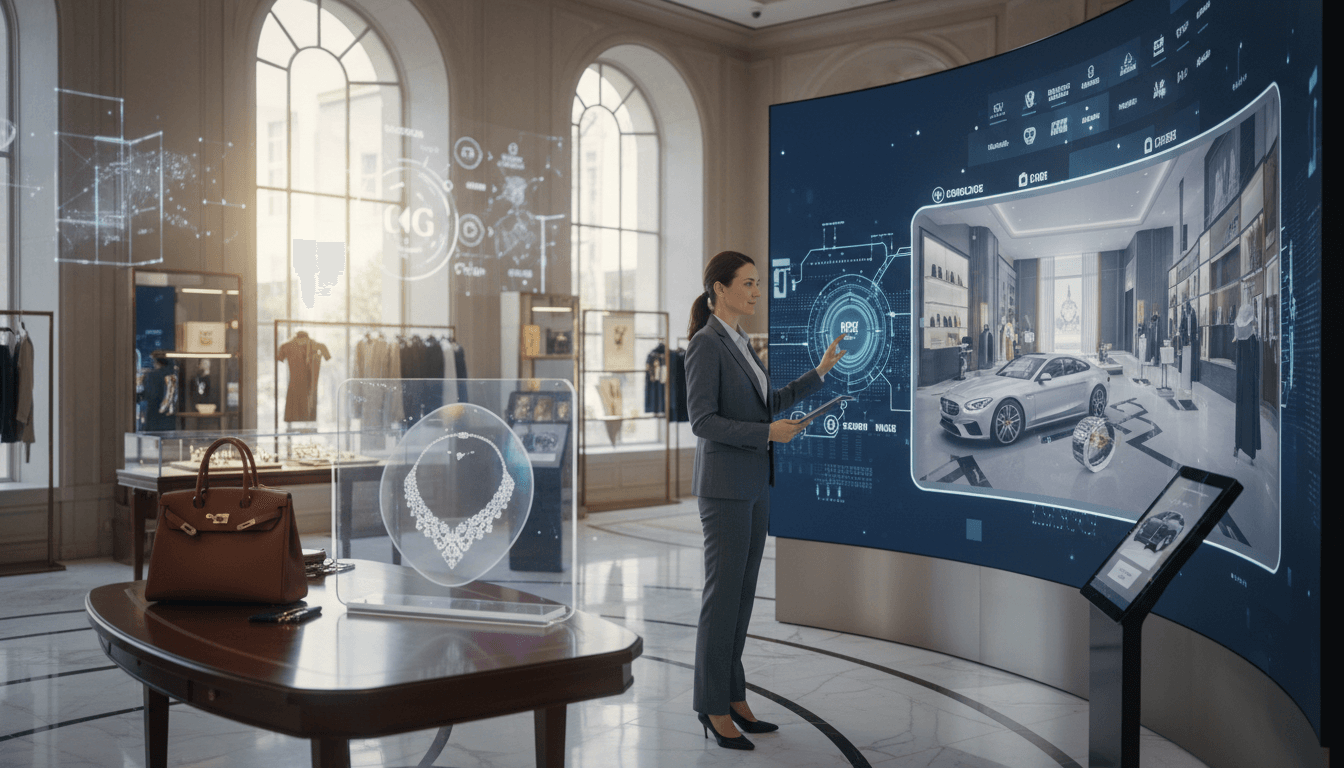
The luxury market is undergoing a profound digital transformation, driven by shifting consumer behaviors and technological advancements. With 42% of Gen Z luxury buyers making purchases online and a 36% global increase in online luxury retail, brands are prioritizing digital-first strategies. This includes sophisticated personalized shopping assistants, immersive virtual platforms, and data-driven marketing approaches. The integration of digital experiences is redefining luxury retail, enabling brands to maintain exclusivity while expanding global reach and engagement.
Luxury Footwear Market Evolution: Design Innovation and Strategic Shifts
The luxury footwear market is undergoing a profound transformation driven by consumer demands for comfort, sustainability, and personalization. Key trends include the rise of vegan leather and customizable soles, with significant growth in both sneaker culture and high-end heels. Brands are adapting strategies to position footwear as dual-purpose fashion statements and investment assets, leveraging technological integration and data-driven insights to capture market share in an increasingly competitive landscape. This analysis explores the evolving dynamics and strategic imperatives for luxury footwear brands.

Louis Vuitton's AI-Driven Customization: Revolutionizing Luxury Personalization
Louis Vuitton has launched an innovative AI-customized luxury bag series, enabling real-time personalization of size, strap, and color. This strategy leverages artificial intelligence to address the growing consumer demand for unique, bespoke products while enhancing engagement through immersive digital experiences. By integrating AI personalization technology, the brand strengthens its market position, offering tailored solutions that blend tradition with cutting-edge innovation. This approach not only elevates customer satisfaction but also sets a new benchmark for luxury customization in the digital era.