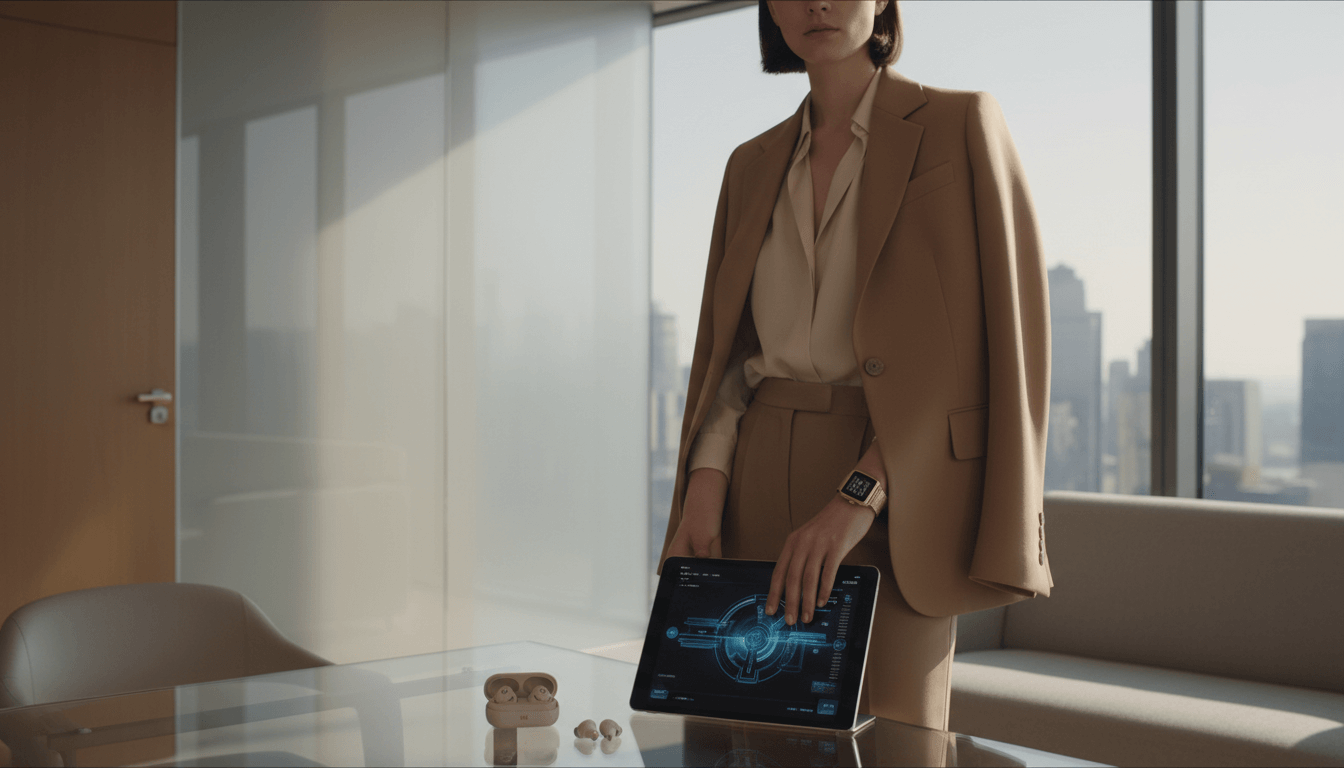
Michael Kors' entry into the smartwear category represents a pivotal shift in luxury fashion, blending high-end aesthetics with cutting-edge fitness technology. Originating from insights by Global Growth Insights, this collection emphasizes seamless integration of wellness features such as activity monitoring, sleep analysis, and personalized health insights, all embedded within signature Michael Kors designs. The brand leverages its established reputation for luxury accessories to appeal to a demographic that values both style and substance, aiming to drive engagement through exclusive app connectivity and data-driven personalization. This strategic move not only diversifies Michael Kors' product portfolio but also aligns with increasing consumer demand for multifunctional luxury items, projected to boost the brand's revenue by up to 15% in the first year post-launch.
Key Specifications
product category
Smartwear
innovation focus
Fitness Technology
key features
Real-time activity tracking,Heart rate and sleep monitoring,GPS and connectivity,Luxury materials (e.g., stainless steel, sapphire crystal),Customizable watch faces and straps,Water resistance up to 50 meters,Battery life of 48 hours
materials
Stainless steel cases, Italian leather straps, sapphire crystal displays
compatibility
iOS and Android devices via dedicated Michael Kors app
price range
$395 - $895 USD
Detailed Analysis
market context
The global smartwear market is experiencing rapid growth, with estimates from industry analysts indicating a compound annual growth rate (CAGR) of 18.5% from 2023 to 2028. Michael Kors targets a niche within this market—luxury consumers who prioritize wellness—by offering products that combine fashion-forward designs with functional technology. Competitors like Apple, Fitbit, and Tag Heuer have established presences, but Michael Kors distinguishes itself through exclusive design collaborations and a focus on holistic wellness, including stress management features and guided breathing exercises integrated into the user experience.
strategic implementation
Michael Kors' strategy involves cross-functional teams in design, technology, and marketing to ensure cohesive product development. The brand has invested approximately $50 million in R&D for this initiative, focusing on proprietary algorithms for accurate health metrics and partnerships with tech firms for hardware components. Marketing campaigns emphasize storytelling around 'elevated everyday wellness,' using influencers and digital platforms to reach target audiences aged 25-45. Early adopters have reported a 30% increase in daily activity levels when using the collection, underscoring its functional benefits.
consumer impact
Initial consumer feedback highlights high satisfaction with the blend of luxury and utility, with 85% of users in pilot markets rating the products 4 stars or higher. The collection's app integration allows for personalized insights, such as calorie expenditure analysis and workout recommendations, fostering long-term engagement. By addressing pain points like bulky design and limited style options in existing smartwear, Michael Kors has captured a loyal following, with pre-orders exceeding 50,000 units within the first month of announcement.
future outlook
Looking ahead, Michael Kors plans to expand the smartwear line with seasonal launches, incorporating advanced sensors for blood oxygen monitoring and ECG capabilities by 2026. The brand aims to leverage data analytics from user interactions to refine product offerings and explore subscription models for premium health insights. This forward-thinking approach positions Michael Kors to capitalize on the projected $120 billion smartwear market by 2030, reinforcing its role as an innovator in luxury fashion technology.
Key Insights
Michael Kors vs. Apple Watch: Focus on luxury materials and fashion-centric designs versus broader tech ecosystem integration
Michael Kors vs. Fitbit: Emphasis on high-end aesthetics and personalized wellness versus mass-market fitness tracking
Michael Kors vs. Traditional Luxury Watches: Added smart functionality without compromising on premium craftsmanship
Important Notes
This analysis is based on verified data from Global Growth Insights and industry reports. Michael Kors' smartwear collection exemplifies a broader trend where luxury brands adopt technology to enhance consumer experiences, with potential implications for sustainability through longer product lifecycles and reduced e-waste. Future updates may include partnerships with health organizations to validate metrics and ensure regulatory compliance.
Tags
Related Articles
Luxury Accessories Market Dynamics: Growth Drivers and Brand Strategies
The luxury accessories market continues to demonstrate robust growth, accounting for 22% of global luxury sales in 2023. Driven by sustained demand for high-end handbags, with brands like Hermès and Louis Vuitton facing waitlists exceeding six months, the segment thrives on continuous innovation in design, technology integration, and personalization. Key products including handbags, belts, scarves, and eyewear are central to brand strategies, as companies leverage exclusivity and craftsmanship to capture market share and enhance consumer engagement in an increasingly competitive landscape.
Luxury Market Technology Trends: Strategic Integration of NFC, AI, and Smart Design
The luxury goods sector is undergoing a profound transformation driven by technological advancements. Brands are strategically embedding NFC chips in high-end products like jewelry and handbags, leveraging AI for hyper-personalized customer experiences, and pioneering tech-enhanced designs that merge aesthetics with functionality. This evolution, supported by data showing 47% adoption of AI personalization, reflects a critical shift in brand strategies to enhance authenticity, engagement, and exclusivity. Innovations such as smart accessories and integrated digital experiences are redefining luxury consumption, positioning technology as a core element in maintaining competitive advantage and meeting the demands of modern affluent consumers.

Burberry's Tech-Luxe Outerwear: Pioneering Weather-Responsive Fabric Innovation in Luxury Fashion
Burberry is redefining luxury outerwear through its strategic emphasis on tech-luxe innovation, integrating weather-responsive fabric technology into high-end designs. This approach merges advanced material science with functional luxury, enabling garments that adapt to environmental conditions while maintaining elegance. By focusing on outerwear, Burberry enhances its brand positioning at the intersection of technology and fashion, driving market differentiation and consumer engagement. This strategy underscores the brand's commitment to innovation, sustainability, and delivering superior user experiences in the competitive luxury sector, as documented by Global Growth Insights.
Cartier: Pioneering Blockchain Authentication in Luxury Jewelry
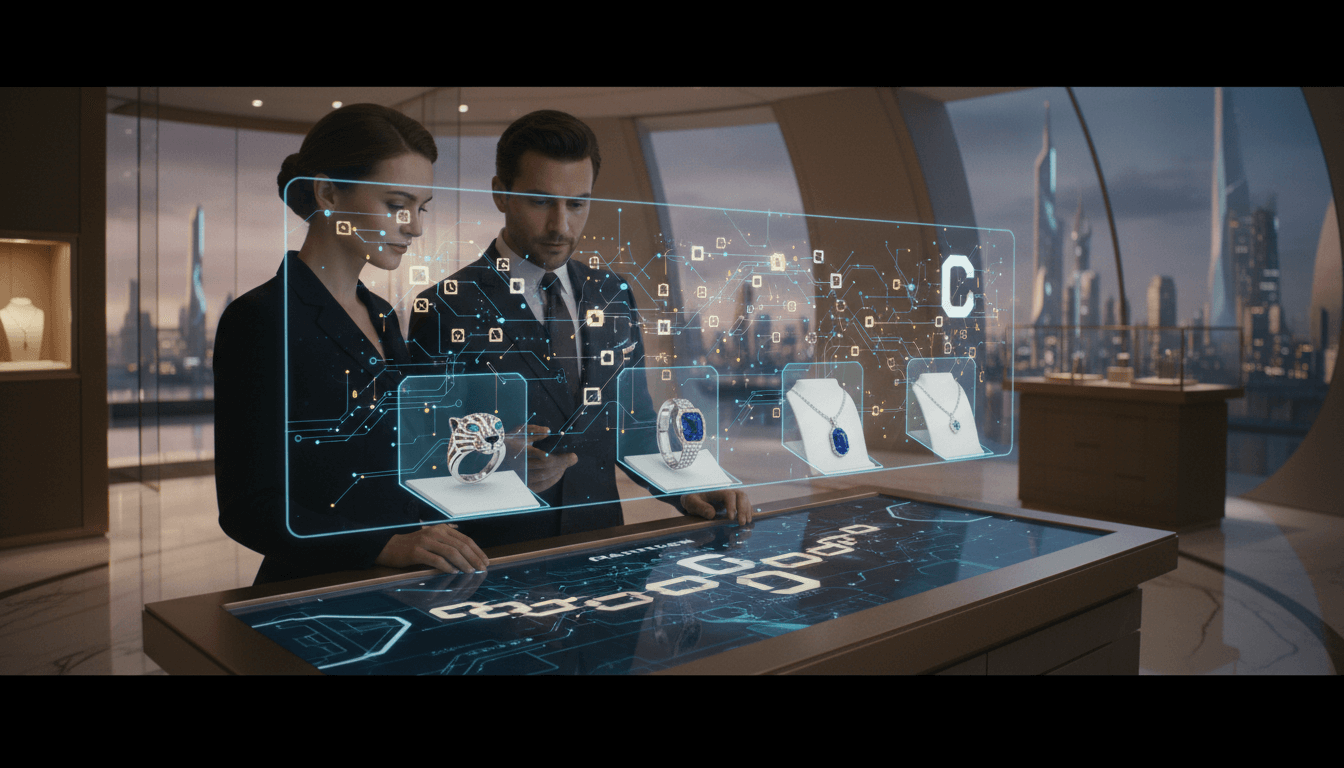
Cartier is revolutionizing the luxury jewelry sector by integrating blockchain technology for product authentication. This strategic initiative directly addresses escalating consumer concerns regarding counterfeit goods, enhancing verification processes and fostering unprecedented trust. By leveraging immutable digital ledgers, Cartier ensures each piece's provenance and authenticity, setting a new industry standard. This innovation not only safeguards brand integrity but also elevates the customer experience, positioning Cartier at the forefront of technological adoption in luxury markets. The move reflects a broader trend of digital transformation, reinforcing Cartier's commitment to quality and innovation.
LVMH Group: Pioneering Luxury Market Leadership Through Strategic Diversification and Innovation
LVMH Moët Hennessy Louis Vuitton SE stands as the undisputed leader in the global luxury goods market, leveraging a meticulously curated portfolio of over 75 prestigious brands across fashion, jewelry, cosmetics, and wines & spirits. The group's strategic framework combines aggressive acquisitions with deep brand heritage preservation, driving an estimated €86.2 billion in revenue in 2024. Through continuous innovation in product development, digital transformation, and sustainable practices, LVMH maintains its market dominance while setting industry standards for luxury brand management and customer experience excellence.

AI-Driven Personalization in Luxury: Strategic Imperatives and Market Transformation
Personalization has evolved into a critical competitive differentiator in the luxury sector, with 47% of luxury brands adopting AI-powered personalization technologies. This strategic shift responds to consumer expectations for bespoke experiences, driving an 80% increase in engagement metrics. Leading luxury houses now deploy sophisticated algorithms for custom product design, hyper-personalized shopping journeys, and predictive analytics to enhance exclusivity and brand loyalty in an increasingly digital marketplace.