
The global luxury market in 2024 is characterized by cautious optimism, navigating economic headwinds and shifting consumer expectations. With a current market size of USD 259.74 billion and a projected increase to USD 274.8 billion in 2025, the industry is adapting through innovation in digital ecosystems, personalized experiences, and sustainable practices. This transformation is essential to engage a new generation of luxury consumers who value authenticity and exclusivity over traditional status symbols.
In-Depth Analysis
Market Growth Dynamics and Economic Influences
The luxury sector is experiencing a steady annual growth rate of 1-3%, supported by resilient demand in key regions such as Asia-Pacific and North America. Economic factors, including inflation and geopolitical tensions, are prompting brands to adopt agile pricing strategies and localized offerings. The projected CAGR of 5.8% through 2025 reflects targeted investments in high-growth segments like jewelry, which saw a 7% increase in consumer spending, and experiential luxury, which is expanding at 9% annually. Brands are leveraging data analytics to forecast demand and optimize inventory, minimizing risks associated with market volatility.
The Rise of Personalization and Experiential Luxury
Personalization has become a cornerstone of luxury retail, with over 68% of high-net-worth individuals expecting bespoke products and services. Brands are employing AI-driven tools to offer customized designs, from monogrammed accessories to tailored travel itineraries. Experiential luxury, valued at approximately USD 45 billion in 2024, includes exclusive events, private dining, and curated wellness retreats. For instance, LVMH reported a 12% revenue boost from personalized client engagements, highlighting the shift from product-centric to experience-driven models that foster emotional connections and brand loyalty.
Sustainability as a Core Brand Imperative
Sustainability is no longer optional but a critical success factor, with 73% of luxury consumers prioritizing ethical sourcing and circular economy practices. Leading brands like Kering and Chanel are investing in carbon-neutral supply chains and transparent material traceability. Innovations include biodegradable packaging, upcycled collections, and partnerships with environmental certifications. The sustainable luxury segment is growing at 11% annually, driven by consumer demand for brands that align with their values, ultimately enhancing long-term brand equity and regulatory compliance.
Digital Innovation and Omnichannel Strategies
Digital transformation is accelerating, with e-commerce accounting for 28% of luxury sales in 2024. Augmented reality (AR) try-ons, virtual showrooms, and blockchain for authenticity verification are reshaping consumer interactions. Brands like Burberry and Cartier have integrated omnichannel platforms that blend online convenience with in-store exclusivity, resulting in a 15% increase in cross-channel engagement. Investments in CRM systems and social commerce are crucial for capturing Gen Z and millennial audiences, who represent 50% of luxury spending by 2025.
Regional Insights and Consumer Behavior Shifts
Asia-Pacific leads global luxury growth, contributing 40% of market revenue, with China's post-pandemic rebound fueling demand. European markets are focusing on heritage and craftsmanship to attract tourists, while North America sees robust growth in experiential and jewelry segments. Consumer behavior is evolving towards 'quiet luxury,' emphasizing subtlety and quality over logos. Bain & Company reports that 60% of luxury shoppers now research online before purchasing, underscoring the need for seamless digital-physical integration and culturally relevant marketing campaigns.
Key Takeaways
The luxury market is set to reach USD 274.8 billion in 2025, growing at a CAGR of 5.8%.
Personalization and experiential offerings are critical for consumer engagement and loyalty.
Sustainability initiatives drive brand trust and compliance with regulatory standards.
Digital channels account for over a quarter of luxury sales, necessitating omnichannel excellence.
Jewelry, high-end fashion, and experiential luxury are the top-performing segments.
Frequently Asked Questions
What is driving the growth in the global luxury market?
Growth is fueled by rising disposable incomes in emerging markets, digital adoption, and demand for personalized and sustainable products. The jewelry and experiential segments are particularly strong, with innovations in customization and eco-friendly practices attracting discerning consumers.
How are luxury brands adapting to changing consumer behaviors?
Brands are investing in AI for personalization, expanding omnichannel experiences, and embedding sustainability into core operations. They are also leveraging data analytics to anticipate trends and offer exclusive, value-driven services that resonate with modern luxury shoppers.
Which regions show the highest potential for luxury market expansion?
Asia-Pacific, especially China and India, leads in growth due to expanding affluent populations. North America and the Middle East are also key regions, with increased spending on high-end fashion and experiential luxury, supported by tourism recovery and digital outreach.
Why is sustainability important in the luxury industry?
Sustainability enhances brand reputation, meets regulatory requirements, and appeals to ethically conscious consumers. It also drives innovation in materials and processes, reducing environmental impact while maintaining product exclusivity and quality.
Conclusion
The global luxury market in 2024 is navigating a transformative phase, balancing cautious growth with strategic innovation. Success hinges on embracing digital tools, sustainability, and hyper-personalization to meet the demands of an increasingly informed and values-driven consumer base. By focusing on these pillars, brands can not only achieve projected growth but also build resilient, future-proof business models that thrive in a dynamic economic landscape.
Tags
Related Articles

Sustainability and Ethical Sourcing: The New Imperative in Luxury Jewelry
Consumer priorities are shifting towards sustainability and ethical sourcing in luxury jewelry, with 78% of high-net-worth individuals considering these factors in purchasing decisions. Brands are responding by adopting transparent supply chains, using recycled precious metals, and certifying conflict-free gemstones. This trend is reshaping market dynamics, influencing everything from material sourcing to brand storytelling, with 65% of luxury jewelry companies now publishing sustainability reports.
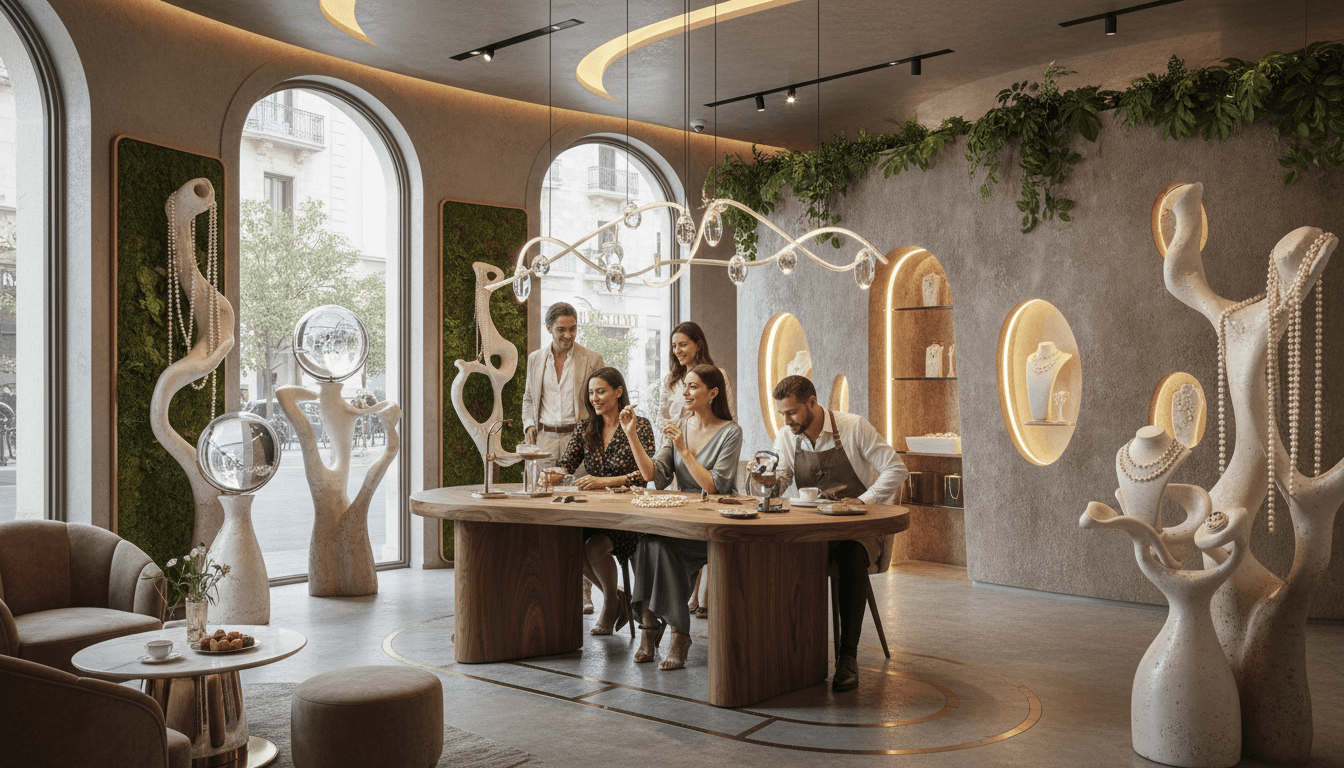
Experiential Retail in Luxury Jewelry: Crafting Unforgettable Customer Journeys
Luxury jewelry retailers are pioneering experiential retail strategies to redefine consumer engagement. By designing immersive in-store environments, offering personalized consultations, and curating bespoke customer journeys, brands like Cartier and Tiffany & Co. foster deep emotional connections and brand loyalty. These approaches, supported by data showing a 40% increase in customer retention for experiential-focused brands, differentiate them in a competitive market. This article explores how these innovations transform traditional retail into memorable, high-value experiences that resonate with modern luxury consumers.
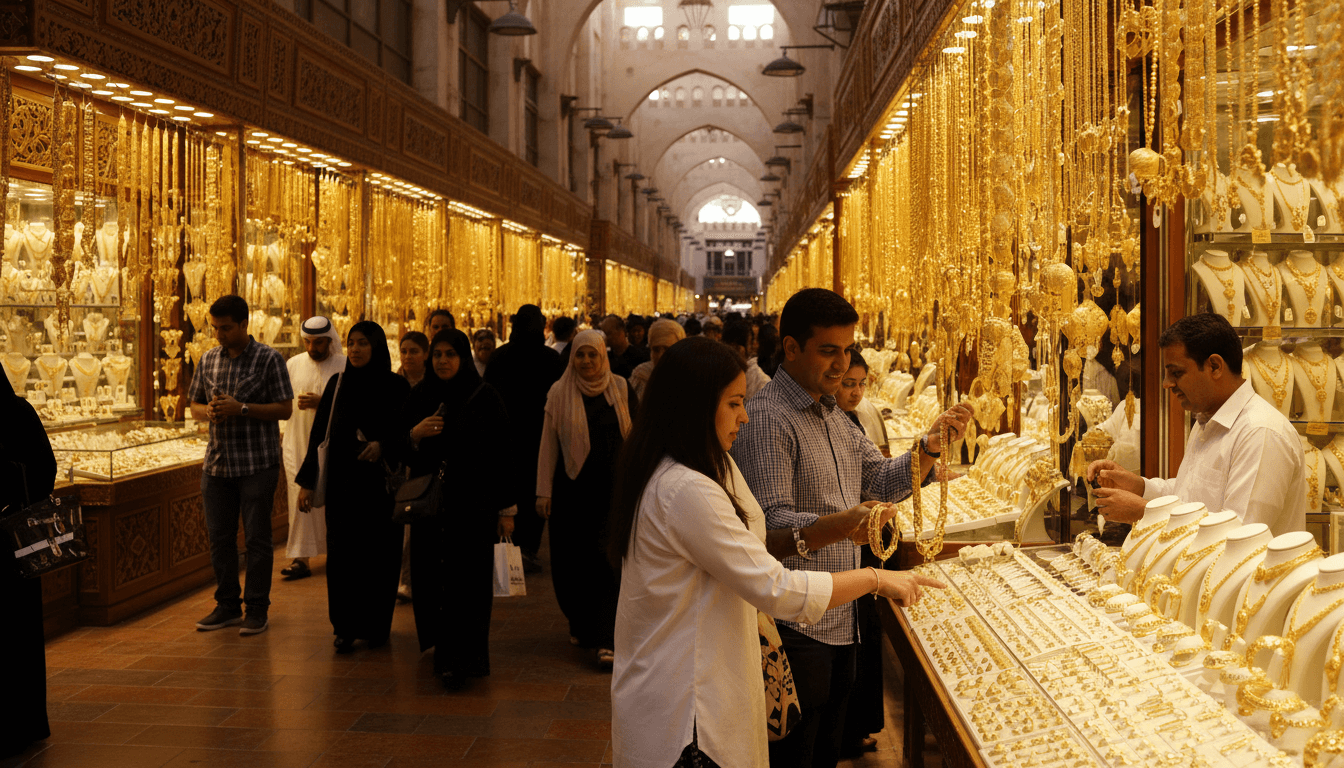
Gold Jewelry Market Dynamics: Investment, Culture, and Surging Demand in 2024
The gold jewelry market continues to lead the luxury sector, commanding 54.9% of the global jewelry market share in 2024. Fueled by a 25% annual price surge and heightened demand in key regions like India, gold jewelry serves dual purposes as both a timeless fashion statement and a robust investment asset. This article explores the drivers behind this growth, including cultural traditions, price dynamics, and strategic market adaptations.
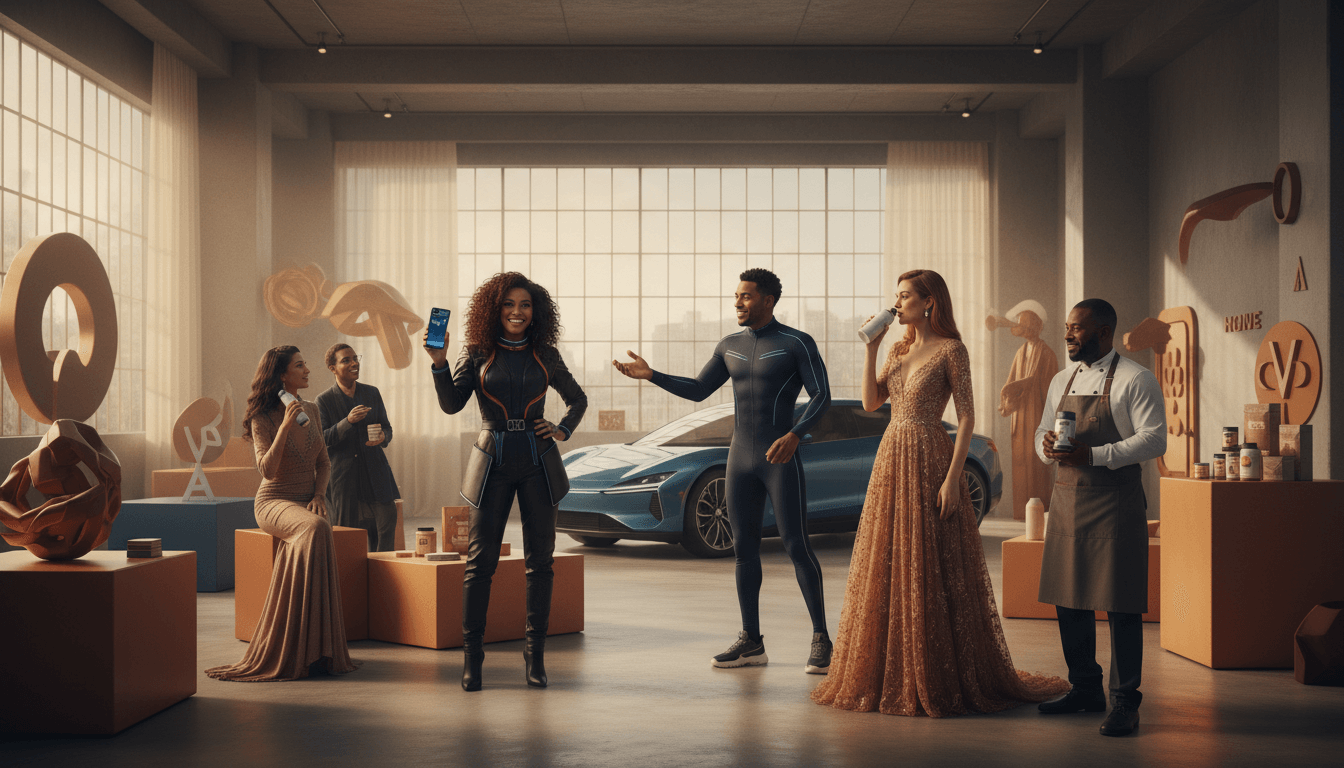
Celebrity Endorsements and Brand Collaborations: Reshaping the Luxury Jewelry Market
Celebrity partnerships and brand collaborations have become pivotal strategies in the luxury jewelry sector, driving brand visibility and consumer engagement. Notable collaborations like Tiffany & Co. x Pharrell Williams and brand ambassadors such as Michael B. Jordan for David Yurman exemplify this trend. These initiatives leverage influencer marketing and cross-industry alliances to appeal to diverse demographics, enhancing market reach and reinforcing brand prestige. This article explores the dynamics, impacts, and future directions of these high-profile partnerships in the evolving luxury landscape.
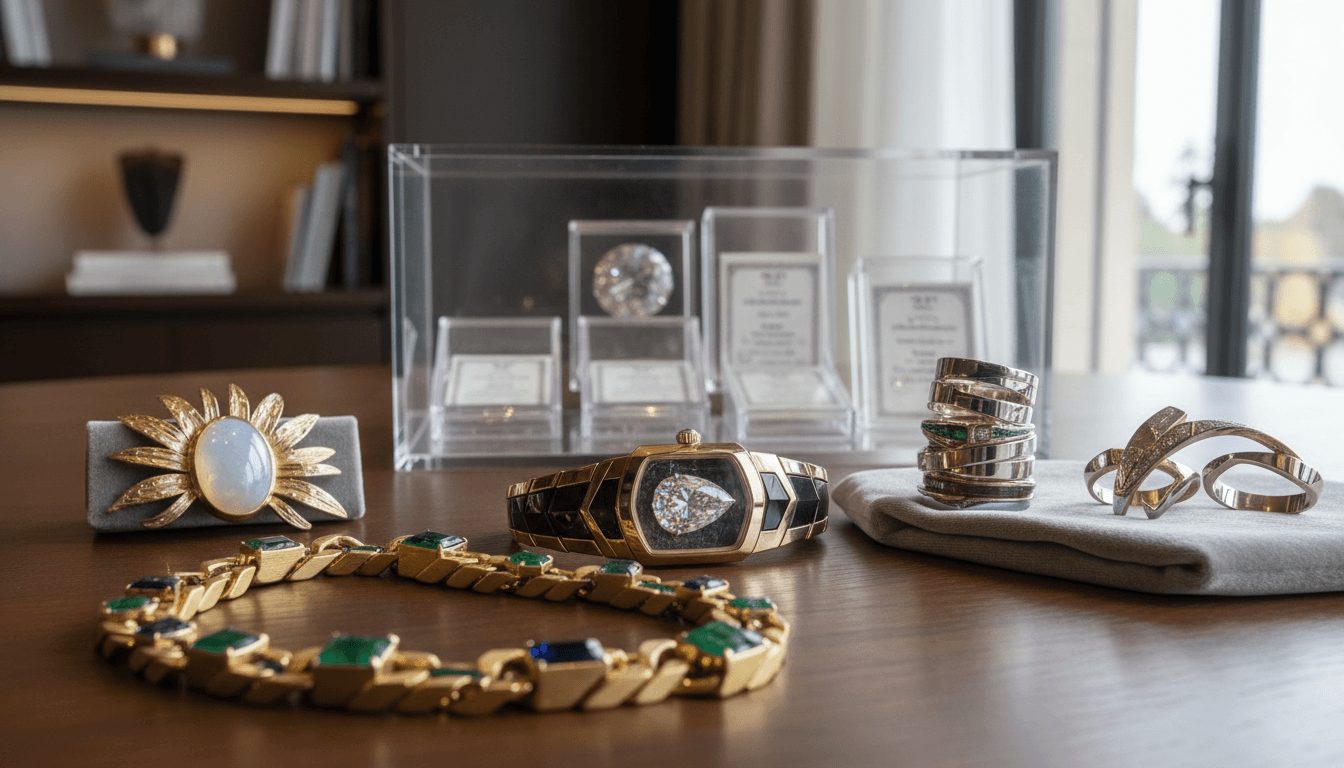
Investment and Collectible Jewelry Trends: Luxury Assets Redefining Market Dynamics
Luxury jewelry is evolving beyond adornment to become a strategic long-term investment, driven by growing demand for rare gemstones and limited-edition pieces. High-net-worth individuals are diversifying portfolios with tangible assets, fueling a market where jewelry serves dual purposes as a fashion statement and appreciating asset. This trend, supported by data from Credence Research, highlights the increasing valuation of collectible jewelry as a stable alternative investment in volatile economic climates.
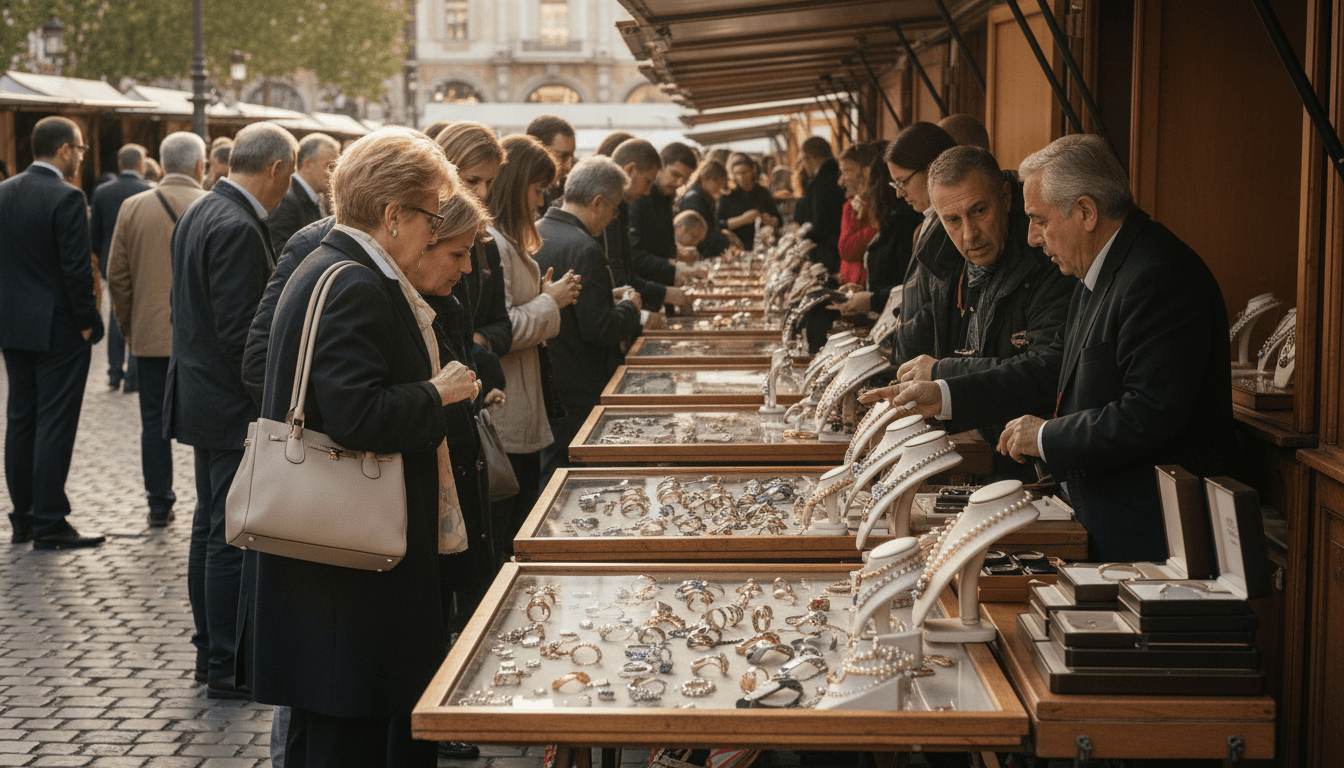
Secondhand Luxury Jewelry Market Growth: Value, Sustainability, and Shifting Consumer Preferences
The secondhand luxury jewelry market is experiencing unprecedented growth, driven by consumer demand for value, sustainability, and unique pieces. According to Bain & Company, this trend reflects a broader shift in luxury consumption, with pre-owned items gaining mainstream acceptance. Key factors include economic considerations, environmental awareness, and the appeal of heritage and craftsmanship in jewelry, apparel, and leather goods. This article explores the market dynamics, consumer motivations, and future outlook for the thriving resale sector.